



French Mounted Vase
A french mounted vase brings together ceramic, crystal or marble bodies with cast metal trims to create decorative focal points for interior spaces.
French Mounted Vase
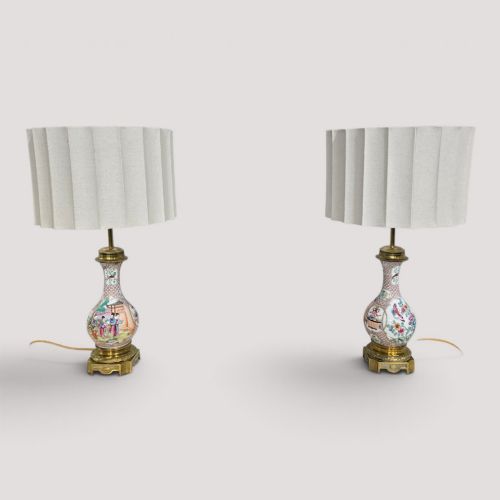
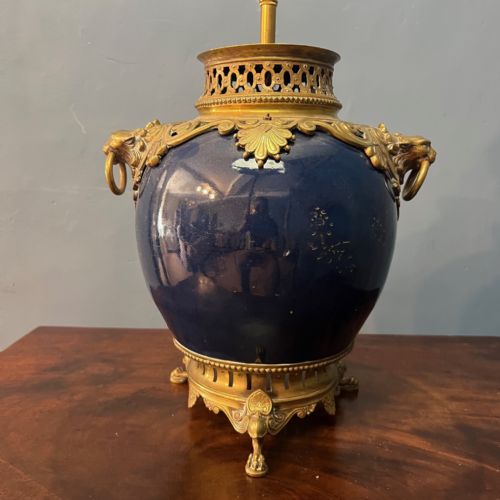
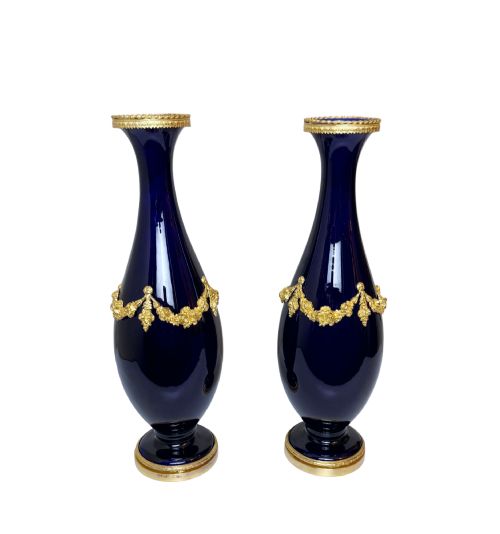
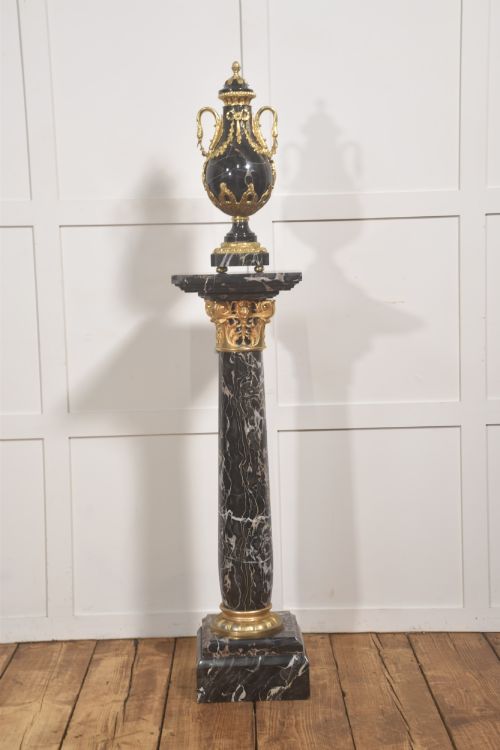
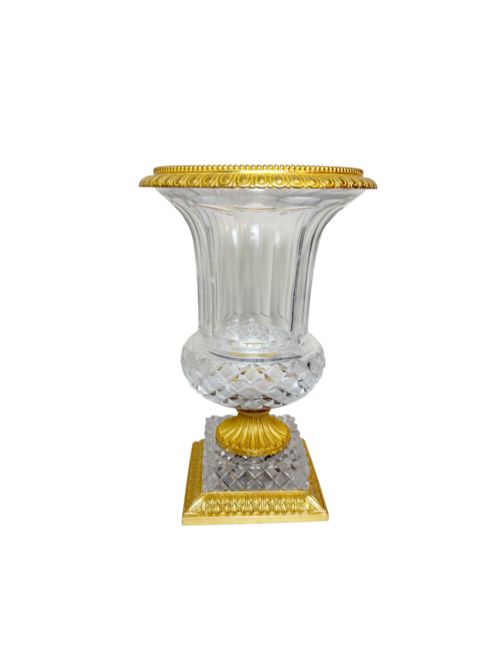
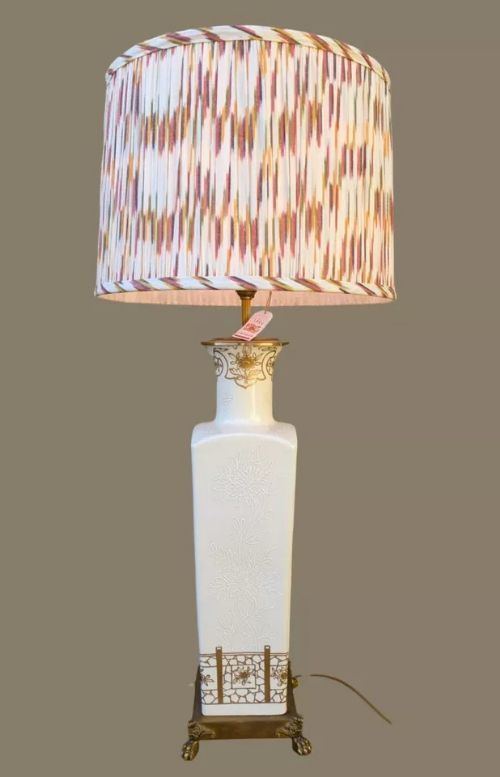
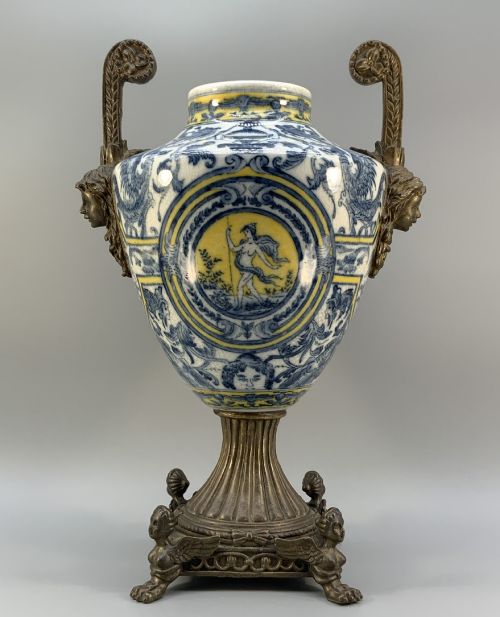
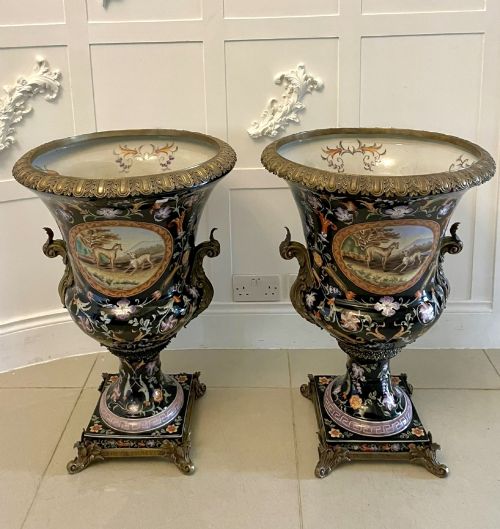
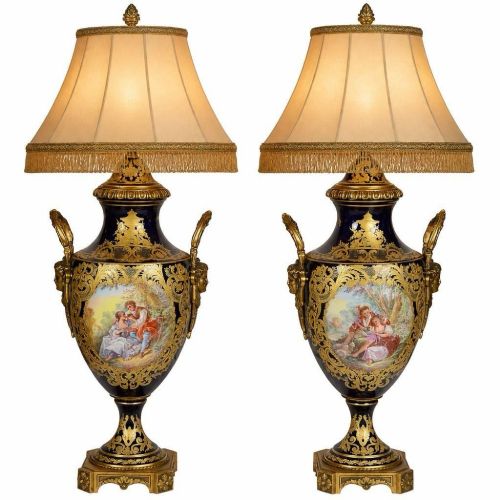
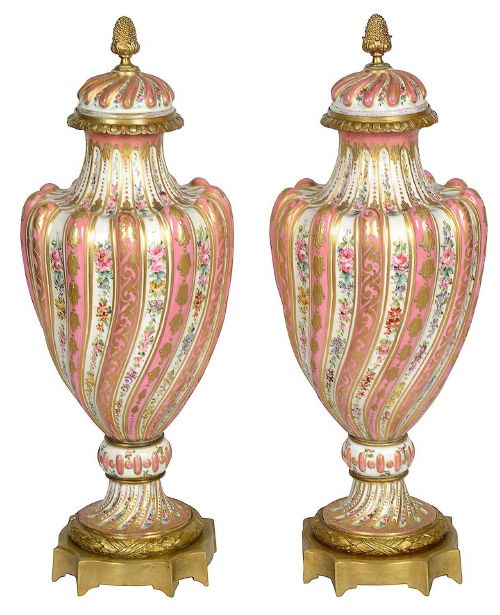
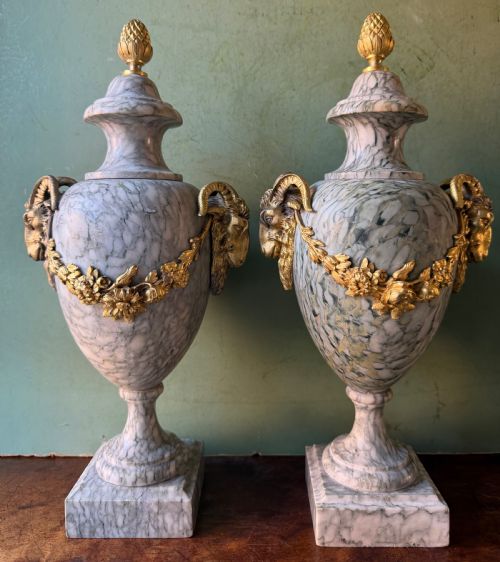
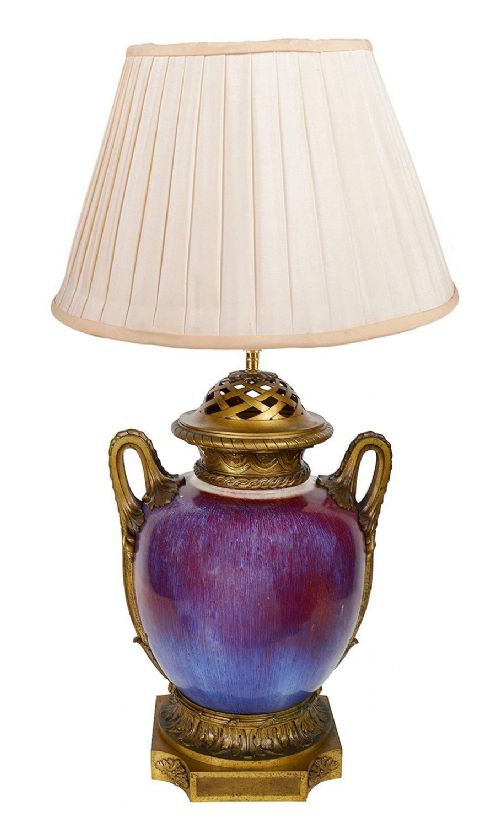
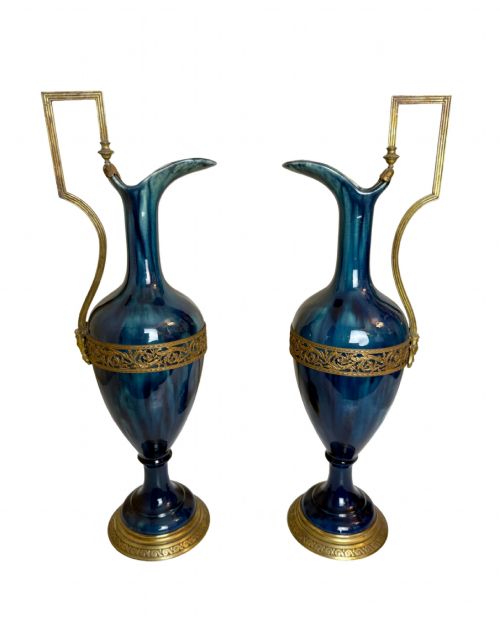
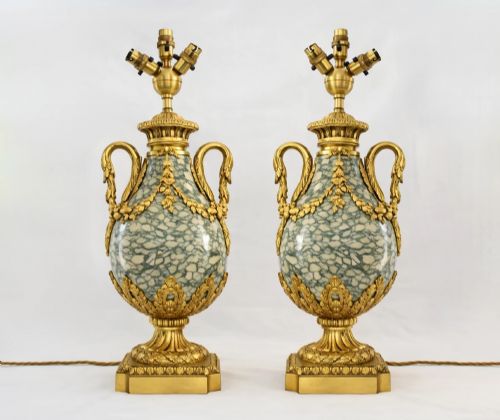
A french mounted vase combines a body of porcelain, ceramic, glass or stone with decorative metal mounts of ormolu, gilt bronze or brass. These decorative objects take the form of urns, table lamps, cassolettes and jardinieres, often produced in pairs.
The pieces appearing on this page span the eighteenth, nineteenth and early twentieth centuries. Many examples reflect historical revivals, including Louis XVI style, French Rococo and French Empire designs, alongside items incorporating Chinese ceramics.
Makers and decorators utilised classical motifs, foliate scrolls and symmetrical handles to frame the central vessel. The combination of colourful glazed ceramics and polished metal mounts defines the visual character of these items.
Materials and Construction
The primary bodies utilise hard-paste porcelain, earthenware, crystal glass, faience, and natural stones such as marble, onyx and quartz. Artisans shaped these materials into vessels before adding metal components.
Metal mounts consist of cast ormolu, gilt bronze, gilt metal and brass, shaped into rims, handles, bases and feet. These mounts were secured to the ceramic or stone bodies using pins, screws or adhesives.
Decorative surface techniques include hand painting, enamel work, wheel carving and pâte-sur-pâte, alongside glazes in blue, pink, white and sang de boeuf.
French Mounted Vase Retail Price Guide 2026
Typical asking prices for french mounted vase among the pieces listed under this phrase on Sellingantiques today, from the lower quarter to the upper quarter. They describe what is for sale here now, not the wider market.
Lily of the valley glass meets silver mountwork in a delicate dance of flora and metal.
Evaluating the Pieces
The crispness and depth of the metal chasing on the ormolu or bronze mounts separate standard examples from finer works. Sharp detailing in the foliate and classical motifs indicates skilled foundry work.
The quality of the porcelain body and the precision of hand-painted decoration also influence the piece. Well-executed glazes, balanced proportions and harmonious integration between the vessel and its metal mounts distinguish better examples.
Georg Adam Scheid·Samson Porcelain
The French Mounted Vase Glossary
- Ormolu
- A finely chased and gilt-bronze decorative coating applied to metal mounts. This technique creates a rich gold appearance on bronze fittings.
- Cassolette
- A decorative vase or urn featuring a reversible lid that can function as a burner or solid vessel. These are frequently mounted in gilt bronze.
- Pâte-sur-pâte
- A ceramic decoration method where wet clay is painted in successive layers onto a contrasting body. This builds a low relief design before firing.
- Jardiniere
- An ornamental container designed to hold growing plants or flowers. They often appear with ceramic bodies and metal handles or rims.
- Sang de boeuf
- A deep red copper-based glaze developed on ceramic vessels. The rich red surface often shades into lighter tones across the vase.
French Mounted Vase: Frequently Asked Questions
How were french mounted vases used?
These pieces served primarily as decorative ornaments on mantelpieces, sideboards and tables within grand interiors. Some examples were adapted later into table lamps with electrical fittings.
Larger versions such as jardinieres and garnitures were designed to hold floral arrangements or anchor symmetrical displays in reception rooms.
How do you distinguish nineteenth century styles?
Nineteenth-century examples frequently draw on earlier aesthetics like Louis XVI and French Empire designs. Examination of the metal mounts, casting techniques and ceramic pastes helps separate nineteenth-century revivals from earlier periods.
Makers often utilised Sevres-style decoration or Chinese export porcelain bodies within nineteenth-century mounts.
Are these vases functional or purely decorative?
Most mounted pieces were created as decorative objects rather than utilitarian vessels. The addition of intricate gilt-bronze mounts and delicate handles meant they functioned as ornamental art.
Some lidded vases and urns could hold potpourri or dried flowers, while others remain strictly display pieces.
How should I care for mounted vases?
Dust porcelain and stone surfaces gently with a soft dry cloth. Avoid chemical cleaners that might damage delicate glazes or hand-painted enamel details.
Metal mounts require minimal intervention; dusting with a soft brush preserves the gilt bronze or ormolu finish without stripping the metal.