

Cobalt Blue Jar
These cobalt blue jar examples bring rich indigo tones and historic form to any room, offering centuries of ceramic artistry for your interior.
Cobalt Blue Jar
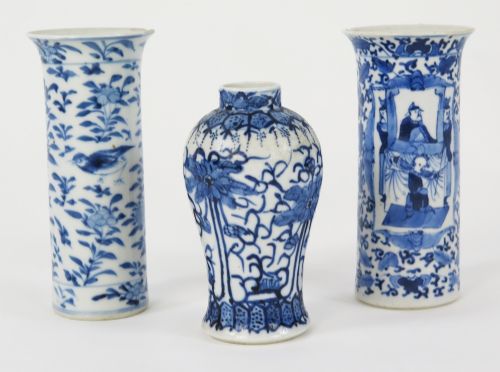
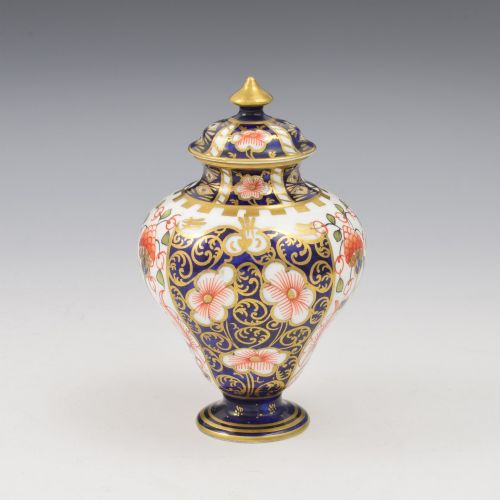
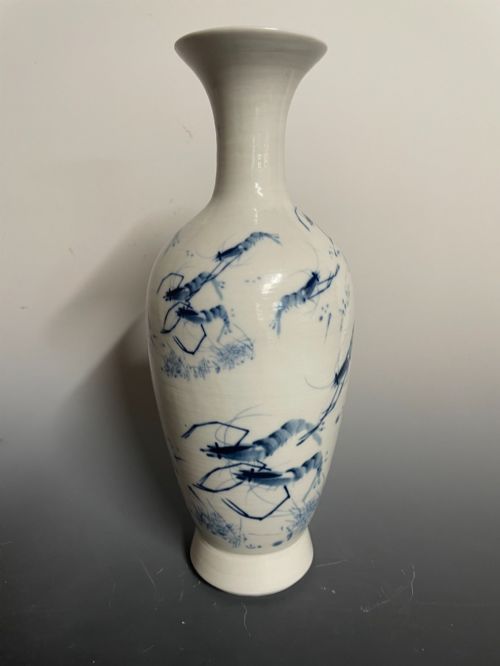
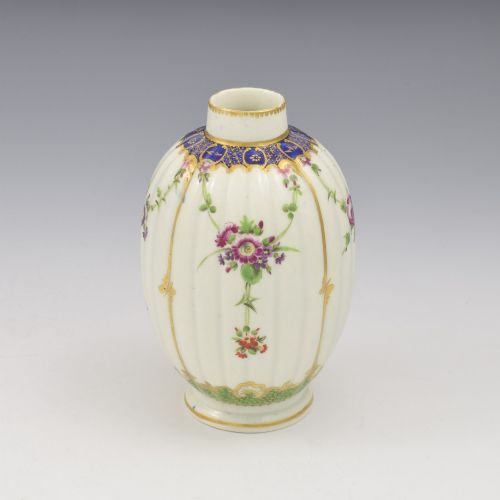
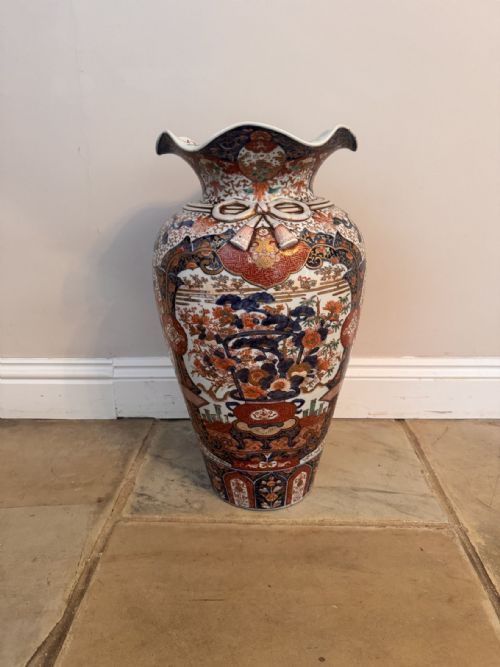
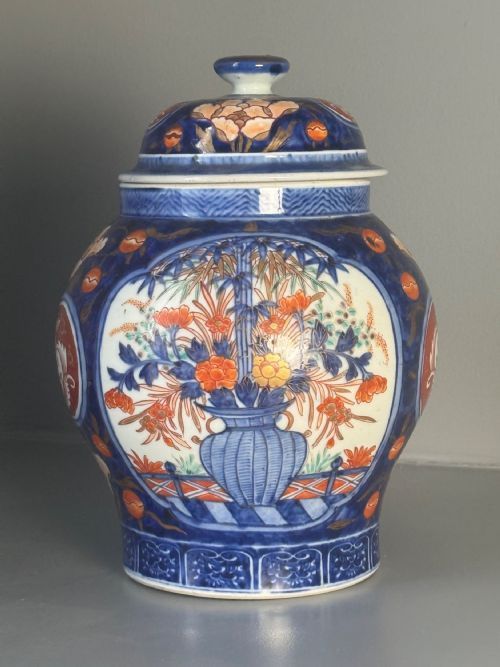
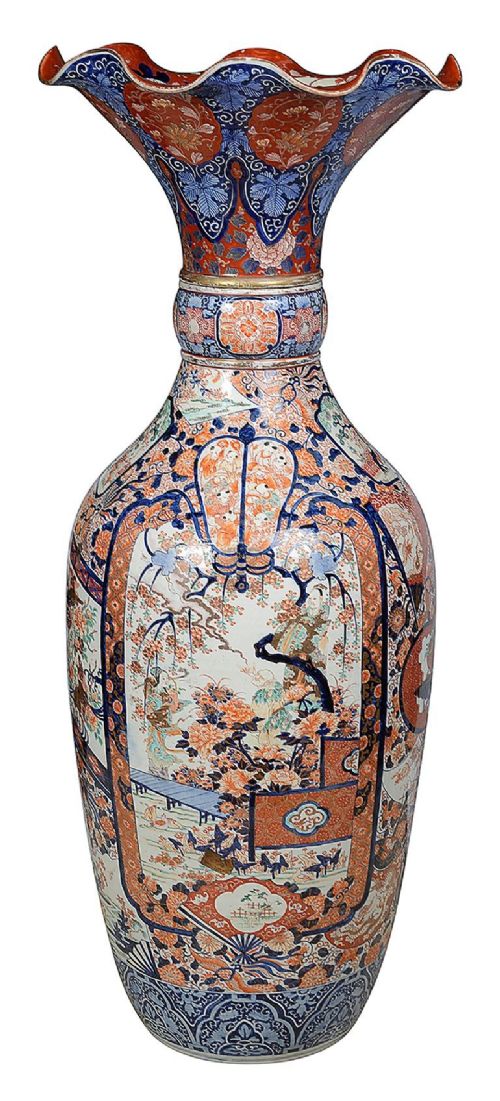
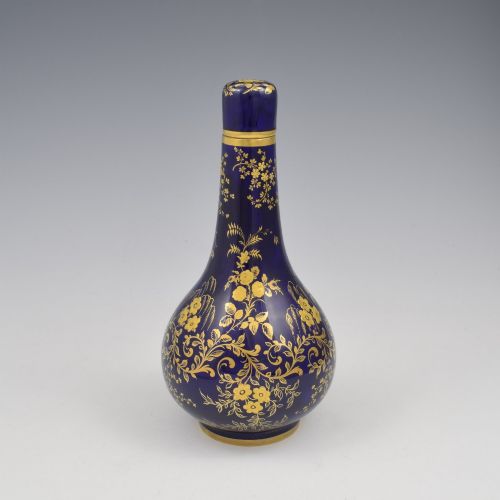
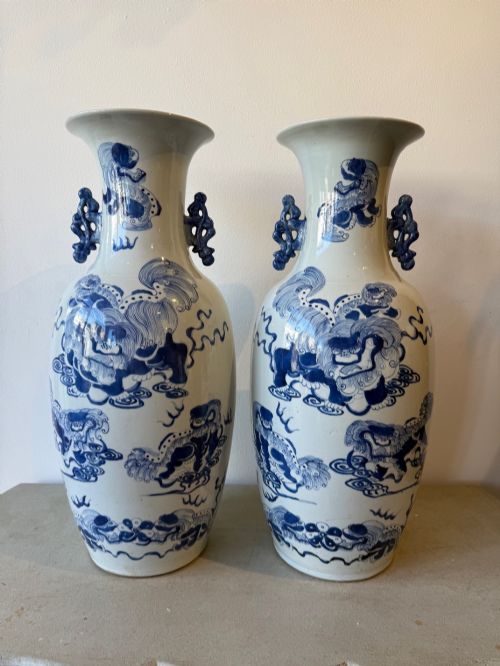
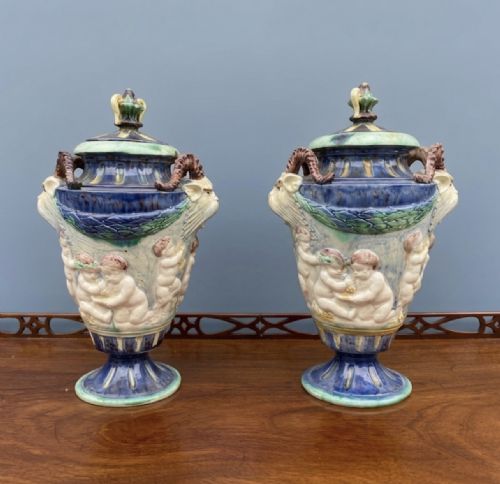
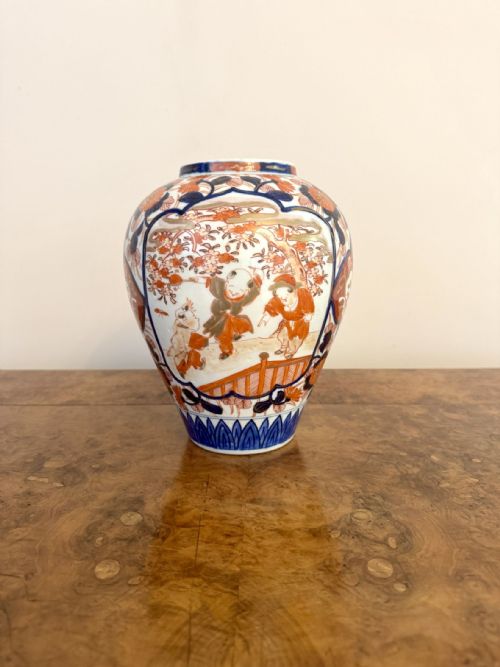
A cobalt blue jar search uncovers a diverse range of vessels, spanning ginger jars, apothecary jars, and decorative lidded pieces created across multiple centuries. You will frequently encounter Japanese Imari wares, Chinese blue and white ceramics, and European porcelain or earthenware pieces sharing this distinct deep blue hue.
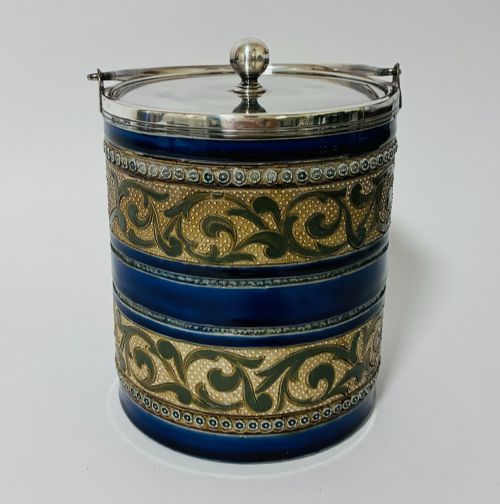
The selection includes 17th-century Edo period vases alongside Victorian biscuit barrels, Edwardian flow blue vessels, and 18th-century Delftware drug jars. These objects served utilitarian storage purposes or functioned purely as decorative floor-standing centrepieces within historic homes.
Materials and Techniques
Potters utilised cobalt glaze applied directly to porcelain, earthenware, or ceramic bodies before firing, achieving deep blue coloration under high temperatures. Many pieces incorporate additional ornamentation such as gold leaf, gilt highlights, and enamel painting over the glaze.
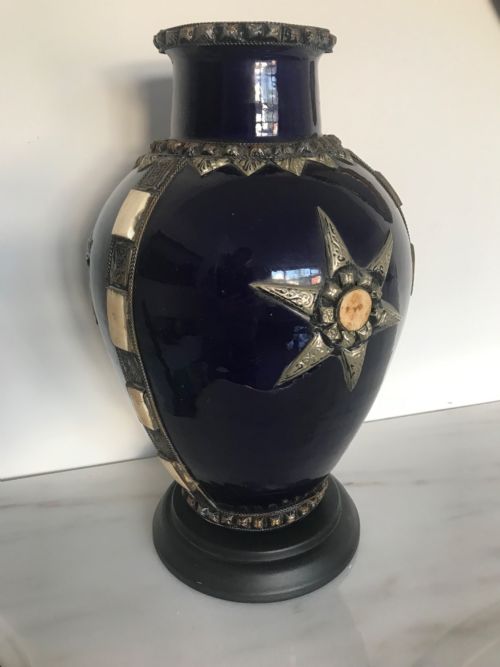
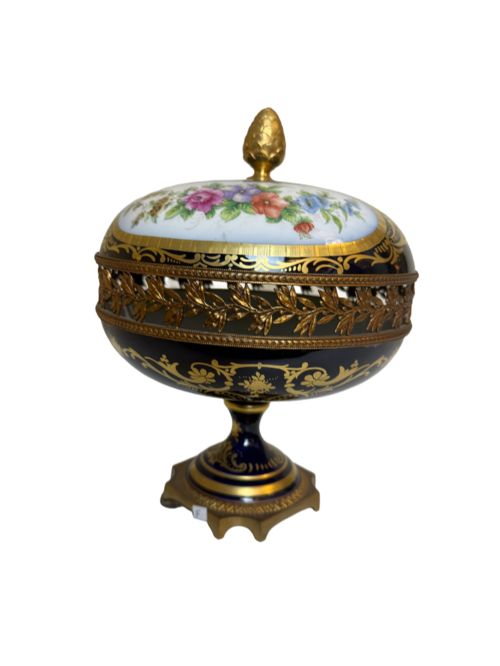
Manufacturers combined traditional throwing techniques with mould-pressed construction, often finishing pieces with metal mounts, silver plating, or fitted covers. The interaction between the mineral cobalt and the vitreous glaze produces the characteristic depth seen across these historical vessels.
One chemist bottle carries a lollipop stopper designed to prevent sticky fingers from ruining the medicine inside.
Distinctions in Quality
Quality rests in the precision of the cobalt application and the crispness of the underlying ceramic form, separating mass-produced items from master potteries. The fluidity of hand-painted brushwork and the evenness of the glaze dictate the visual success of each jar.
The presence of secondary materials, such as heavy silver-plated mounts or intricate hand-gilded details, elevates certain pieces above standard utilitarian storage vessels. Preservation of the original glaze surface and matching covers significantly influences the standing of individual examples.
Royal Crown Derby·Doulton Lambeth·Samuel Alcock·Kinkozan·Coalport
The Cobalt Blue Jar Glossary
- Cobalt Glaze
- A metallic oxide colourant applied to ceramics that fires into a rich, deep blue shade. It remains stable at high kiln temperatures, allowing for sharp painted details.
- Imari
- A style of Japanese porcelain featuring a palette of cobalt blue, iron red, and gold. Originating in Arita, these wares gained immense popularity in European export markets.
- Biscuit Barrel
- A ceramic or glass container fitted with a lid and metal handle, designed for storing dry biscuits at the dining table. They became particularly widespread during the Victorian and Edwardian periods.
- Apothecary Jar
- A vessel utilised by chemists and pharmacists for holding medicinal drugs, herbs, or compounds. They frequently feature painted or glazed labels to identify their contents.
- Delftware
- Tin-glazed earthenware produced in England and the Netherlands, typically decorated with blue designs inspired by imported Chinese porcelain.
Cobalt Blue Jar: Frequently Asked Questions
What were cobalt blue jars used for?
These vessels served various functions depending on their form, ranging from the storage of dry goods and medicines to purely decorative display. Apothecary and drug jars held chemicals in pharmacies, while ginger jars preserved spices or acted as ornamental containers in homes.
Larger lidded urns and floor-standing pieces were designed to punctuate grand interior spaces. Over time, many transitioned from utilitarian containers into sought-after cabinet and mantelpiece ornaments.
How do I date an antique jar?
Dating relies on examining the ceramic body, the characteristics of the glaze, and any maker marks or reign seals stamped on the base. Stylistic clues, such as the palette of Japanese Imari or the specific blue transfer printing of the Edwardian era, provide clear chronological markers.
Accessory mounts, including silver plating or brass fittings, also help place an object within a specific century. Comparing the potting technique with documented historical examples narrows down the period of manufacture.
How do I display these jars at home?
These vessels suit placement on sideboards, mantelpieces, or dedicated display cabinets where their rich indigo decoration can catch the light. Pairing lidded jars in symmetrical arrangements creates a formal look inspired by historic interiors.
Ensure larger floor-standing pieces occupy stable locations away from high-traffic areas to protect their historic ceramic bodies. Mixing different periods, such as placing a Victorian biscuit barrel near an 18th-century ginger jar, adds depth to a collection.
What is the difference between porcelain and earthenware jars?
Porcelain is fired at much higher temperatures, resulting in a vitrified, non-porous body that rings when struck and appears translucent under strong light. Earthenware is a softer, opaque ceramic material that requires a glaze to become completely waterproof.
Historic jars made from earthenware often feel heavier and display a thicker wall construction than their fine porcelain counterparts. Both materials carry distinctive blue glazes, but porcelain typically permits finer, more delicate painted details.