




French Mantel Clock Garniture
These french mantel clock garniture sets bring heavy marble, gilt bronze and striking dials together to anchor a room.
What They Are
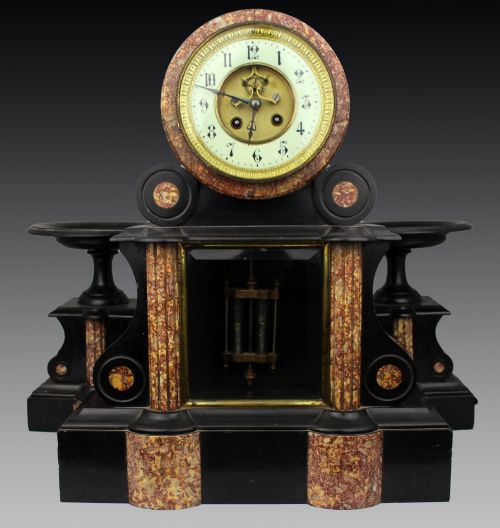
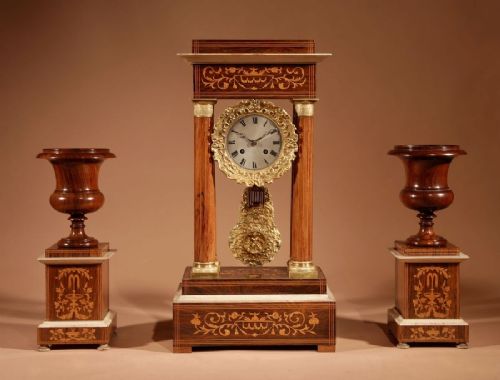
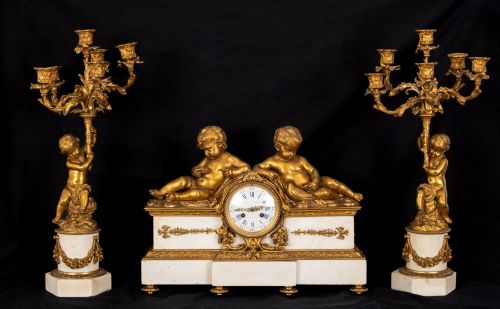
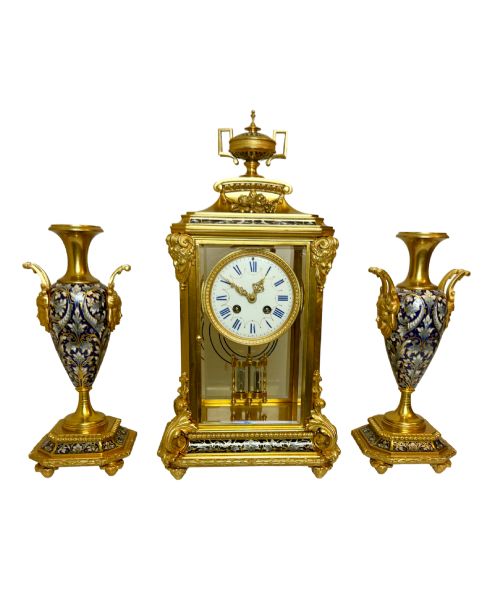
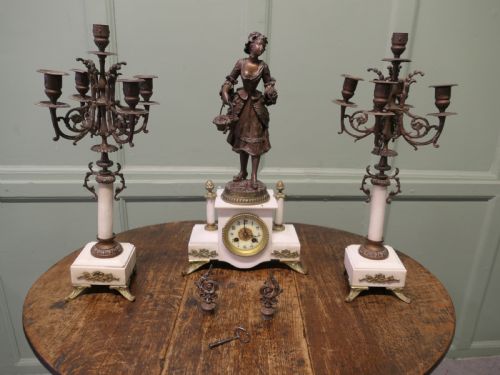
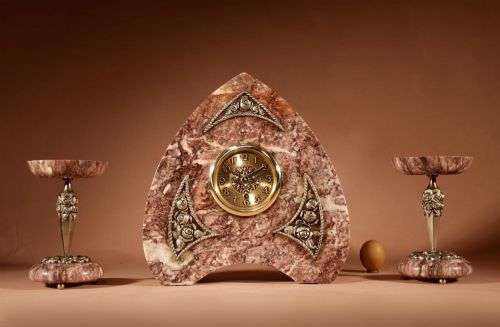
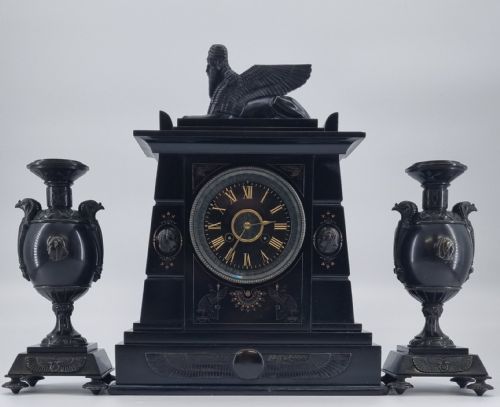
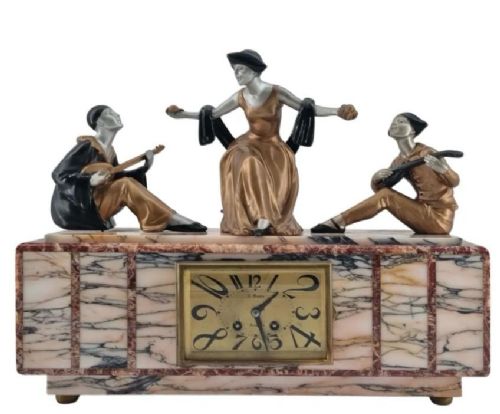
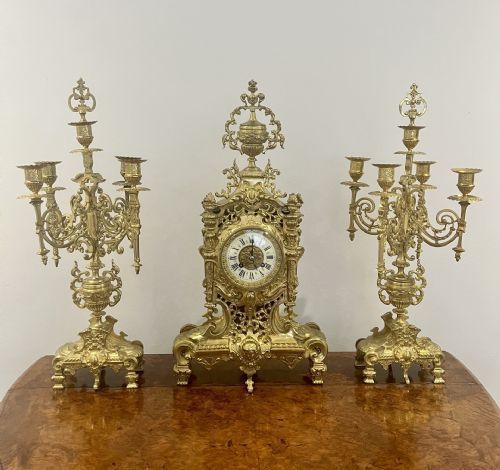
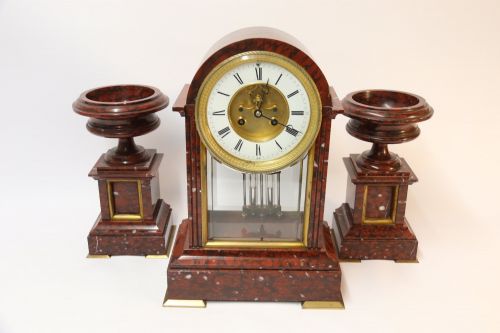
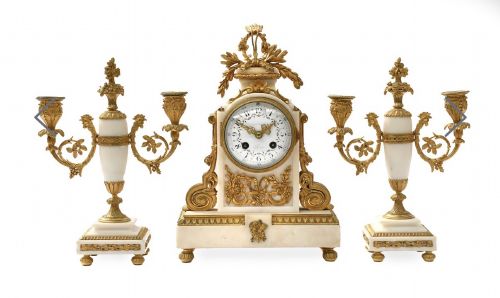
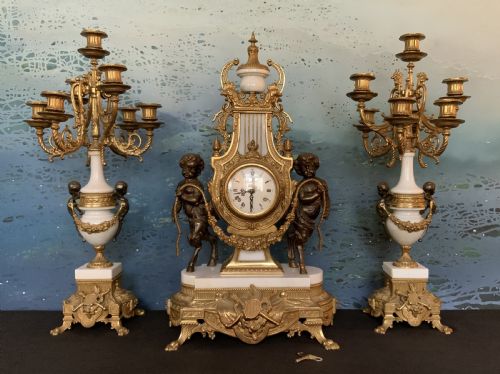
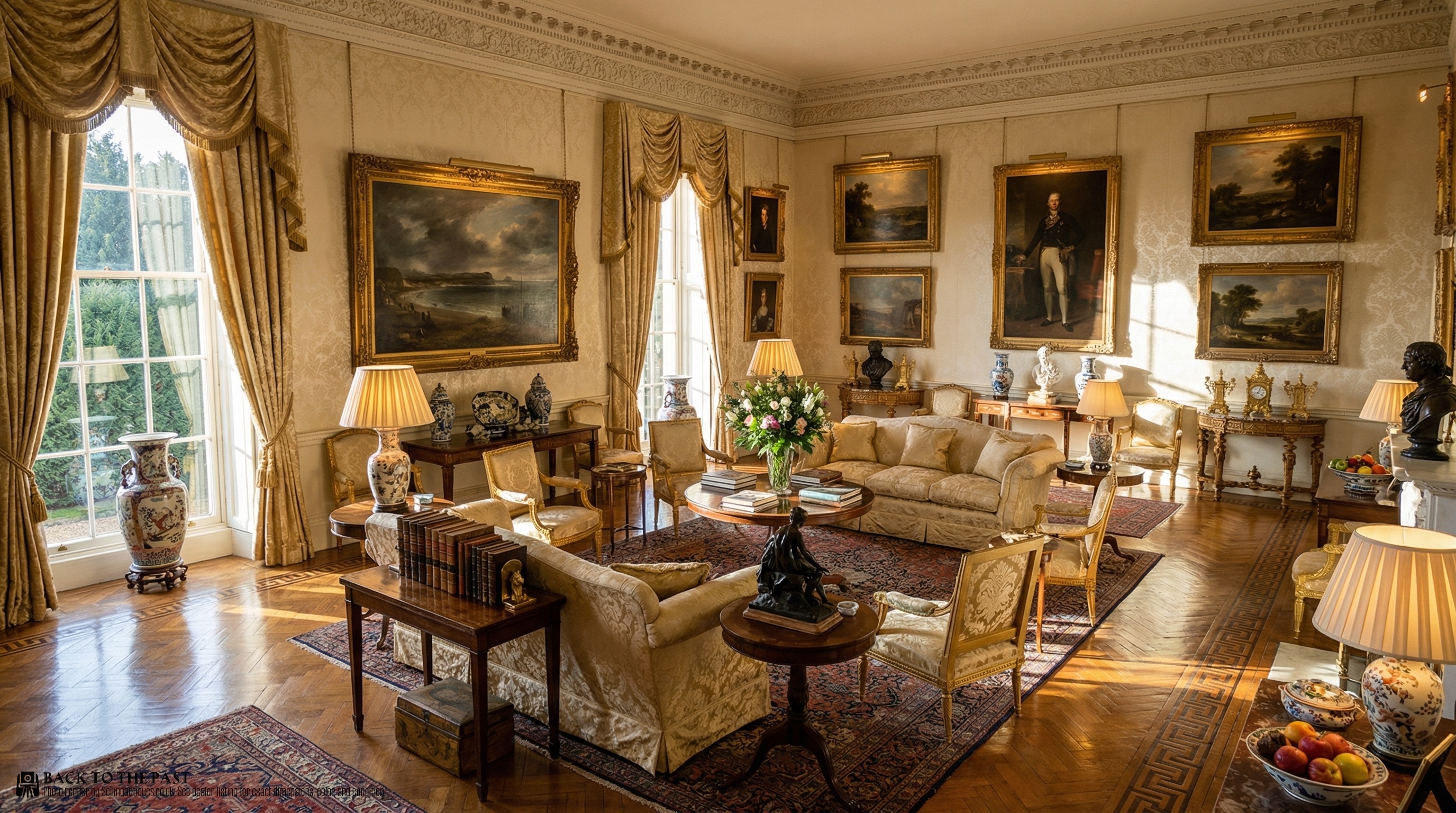
A french mantel clock garniture consists of a central clock accompanied by matching side pieces, usually urns or vases, designed to sit together on a mantelpiece. These matched suites appear in periods from the Victorian era and eighteen-sixty up to nineteen-twenty and the Art Deco style, spanning Napoleon III, Louis XVI and French Empire designs.
The evidence shows the central clocks and their matching side ornaments constructed from varied materials including marble, onyx, gilt bronze, brass, champleve enamel, ormolu and metal. Alongside complete clock garniture sets, listings feature mantel clocks and clock garniture sets incorporating figural elements such as greyhounds.
How They Were Made
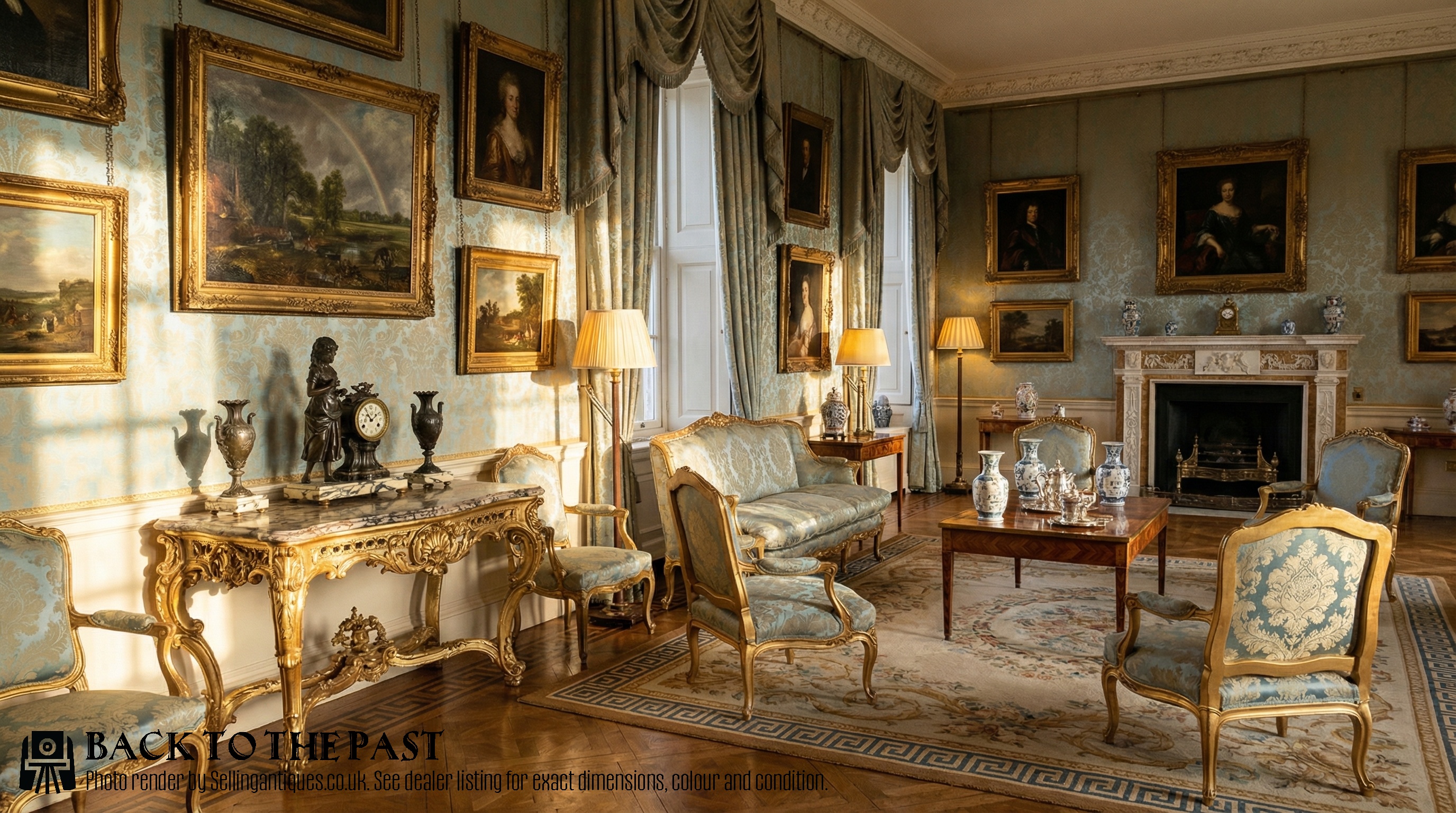
Maker evidence records the use of gilt bronze and ormolu combined with carved marble and onyx to build architectural portico and ornate mantel structures. Metal components are cast and chased, then finished with gilding or patination.
Dials incorporate enamel for numerals and markers, while specialised workshops supply the internal movements. Side garnitures are cast and assembled to match the architectural vocabulary and decorative motifs of the central clock.
Retail Price Guide 2026
Typical UK retail prices for french mantel clock garniture, calculated from the Sellingantiques database of over a million retail prices indexed since 2003. This retail price guide relies exclusively on Sellingantiques data; no external sources or auction records are used, so the figures do not describe the wider market.
Listings feature periods from eighteen-sixty, Victorian, nineteen-hundred and nineteen-twenty, alongside styles including Napoleon III and Art Deco.
What Varies in Quality
Quality rests in the crispness of the bronze chasing and the integration of the matching garnitures with the central clock. Finer sets show deeply chiselled ornament and harmonious use of contrasting marble and gilt elements.
The sophistication of the enamel work on the dial and the refinement of the movement distinguish standard production from exceptional pieces. Sets retaining their original matching side pieces without replacement components represent the higher tier.
Japy Freres
The French Mantel Clock Garniture Glossary
- Garniture
- A matched set of ornamental pieces designed to be displayed together, typically comprising a central clock flanked by two matching vases or urns. These suites create a balanced display on a mantelpiece.
- Ormolu
- Gilt bronze, where a finely ground high-carat gold and mercury amalgam is applied to a bronze base and fired to drive off the mercury. This technique produces a durable golden finish seen on many classical French sets.
- Champleve
- An enamelling technique where troughs or cells are hollowed out of the metal surface and filled with vitreous enamel powder before firing. It creates vibrant patterns of colour across the bronze mounts.
- Portico
- An architectural clock case style featuring supporting columns flanking the central pendulum, often executed in contrasting marbles and metals. This classical form reflects ancient building designs.
Frequently Asked Questions
How do I style a clock garniture?
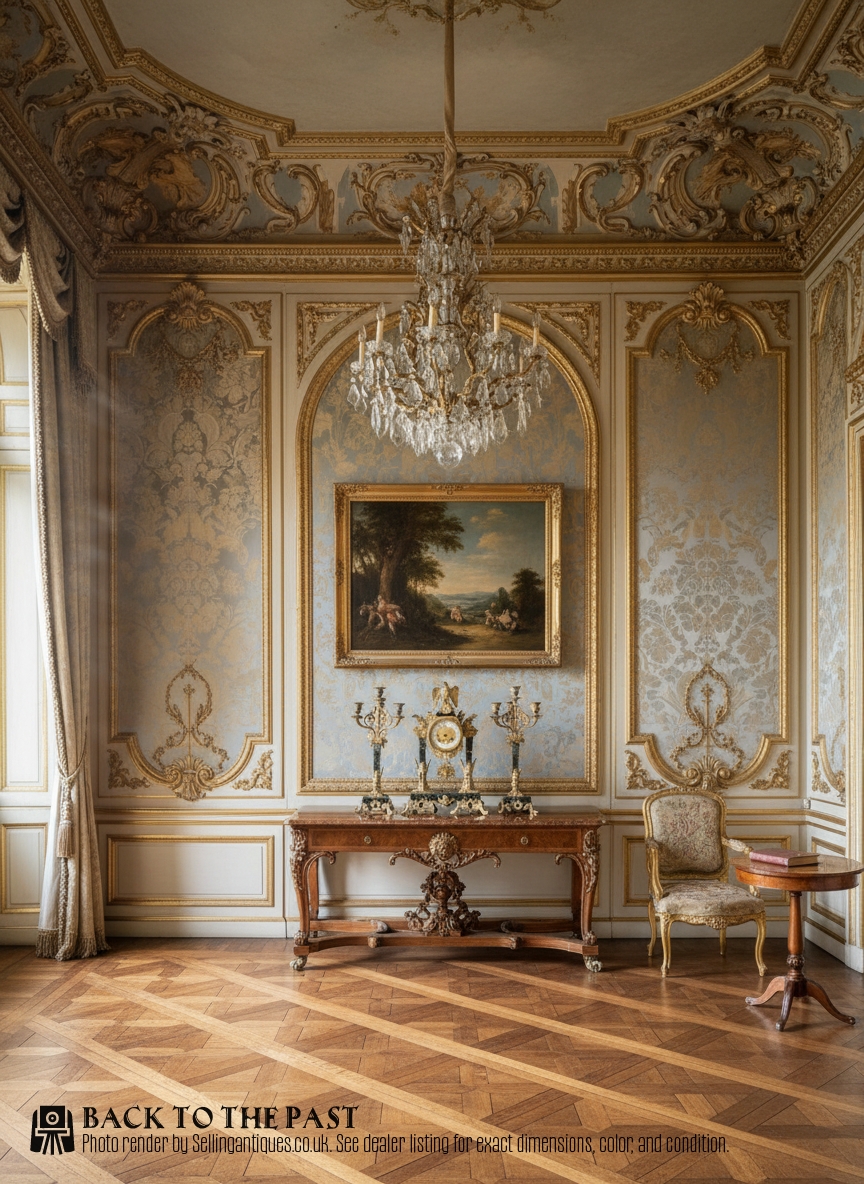
Place the central clock in the middle of the mantelpiece with the matching side pieces arranged symmetrically on either side. This traditional placement creates a balanced focal point for the room.
Ensure the pieces have adequate space to be viewed from multiple angles without obstruction. The matching elements work together to frame the fireplace or surface they occupy.
What periods do these clocks come from?
The evidence shows examples dating from eighteen-sixty and the Victorian period through to nineteen-hundred and nineteen-twenty Art Deco designs. Styles span French Empire, Napoleon III and Louis XVI.
Each period brings distinct materials, from heavy marble and gilt bronze to streamlined Art Deco forms featuring greyhounds. Examining the case style helps place the set within its era.
Are the side pieces always clocks?
The side pieces in a garniture set are decorative ornaments such as urns or vases rather than working timepieces. They match the materials and ornamentation of the central clock.
Together, the three items form a unified decorative grouping designed to be displayed as a single ensemble. The side ornaments echo the architectural details of the clock case.
What materials are used in these sets?
Makers utilised a combination of marble, onyx, gilt bronze, brass, enamel, champleve enamel and standard metal. These materials are often paired within a single set for contrast.
For instance, a marble portico case might feature gilt bronze mounts and an enamel dial. The variety of stone and metal gives each garniture its distinct weight and appearance.