


Vintage Marble Desk Clock
These heavy, substantial timepieces in stone and metal form a vintage marble desk clock, bringing architectural presence and period weight to a workspace.
Vintage Marble Desk Clock
When you search for a vintage marble desk clock, you encounter solid stone timepieces spanning the Victorian era through the Art Deco period. These objects combine utilitarian timekeeping with decorative heft, often taking the form of mantel clocks adapted for larger desks or dedicated heavy desk accessories.
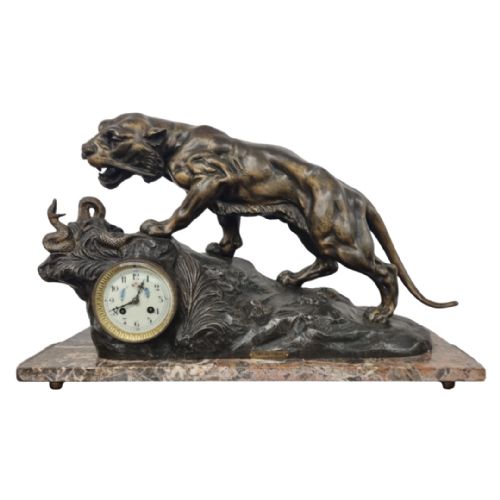
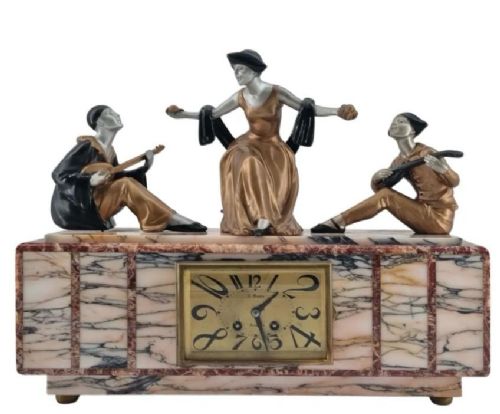
The selections on this page range from austere nineteenth-century architectural slabs in red or black marble to stylised nineteen-twenties geometric creations featuring chrome or onyx. Alongside standalone timepieces, the listings include clock garnitures and small figural compositions incorporating animal bronzes and sculpted figures.
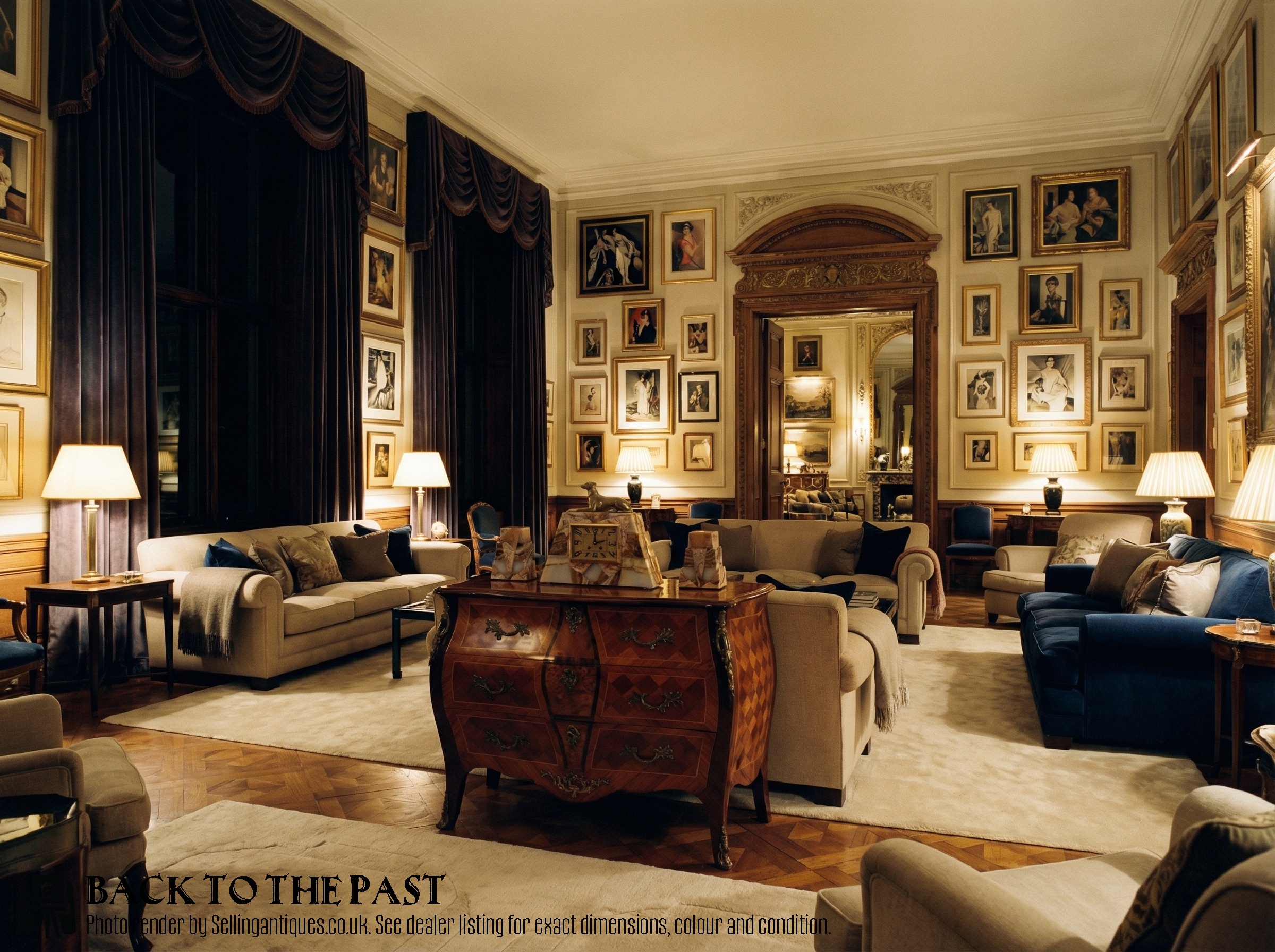
Materials and Construction
The primary bodies are cut and polished from natural stone, predominantly marble and onyx, paired with cast metal elements such as brass, ormolu bronze, and spelter. Dial faces are protected by curved glass, frequently framed by cast bezels with enamel chapter rings.
Movements within these heavy housings rely on mechanical eight-day gear trains, sometimes accompanied by alarm complications or calendar mechanisms. Decorative garnitures utilise patinated metal sculptures, ranging from greyhounds and elephants to classical figures.
Vintage Marble Desk Clock Retail Price Guide 2026
Typical asking prices for vintage marble desk clock among the pieces listed under this phrase on Sellingantiques today, from the lower quarter to the upper quarter. They describe what is for sale here now, not the wider market.
Several clocks double as menagerie displays, housing cast bronze greyhounds, elephants, serpents, and German Shepherds atop the stone.
Distinctions in Quality
Superior examples separate themselves through the integration of the sculptural elements and the quality of the stone cutting. Castings by named artists or foundries display crisper detail in the bronze or spelter figures, whereas lesser pieces rely on generic decorative mounts.
The refinement of the marble work, including bevelled edges, matched veining, and well-fitted brass bezels, dictates the tier of the piece. Mechanical complexity, such as mystery movements or added calendar functions, elevates certain items far above standard domestic timepieces.
R Varnier·Louis Goret·Luxor·Jaeger-LeCoultre·Ferdinand Priess
The Vintage Marble Desk Clock Glossary
- Garniture
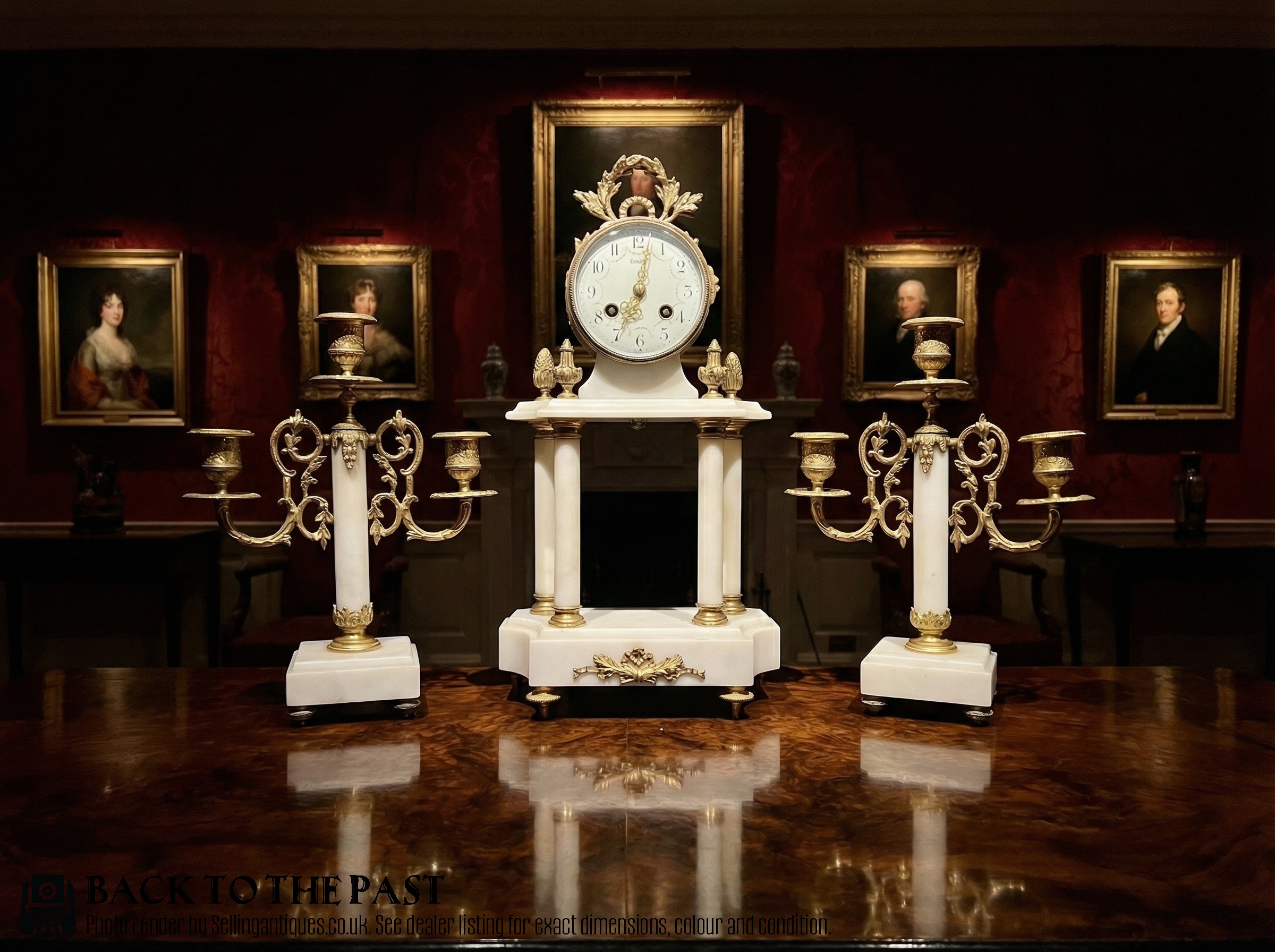
- A set consisting of a central clock flanked by matching decorative objects such as candelabras or vases.
- Ormolu
- Gilt bronze produced by applying a finely ground high-carat gold-mercury amalgam to a bronze object.
- Spelter
- A zinc alloy commonly utilised as a less expensive substitute for bronze in figural clock mounts.
- Onyx
- A banded variety of chalcedony quartz frequently employed for twentieth-century clock cases.
- Skeleton clock
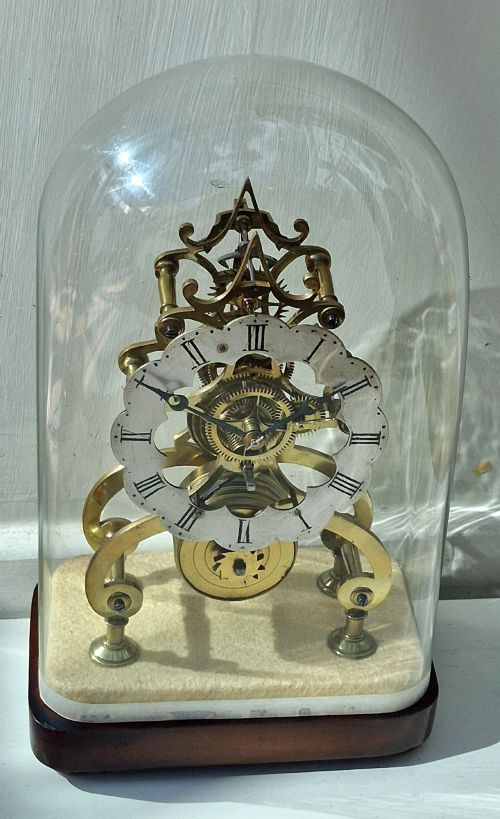
- A timepiece with an open framework design exposing the gear train and movement plates.
Vintage Marble Desk Clock: Frequently Asked Questions
How do I wind a mechanical desk clock?
Mechanical clocks require a dedicated key inserted into the winding arbors on the dial face to tension the mainspring.
Care must be taken not to over-wind the movement, stopping as soon as resistance is felt.
Can these clocks run accurately today?
Many vintage movements continue to keep reliable time, though mechanical tolerances change over decades of use.
Professional cleaning and oiling ensure steady operation for daily desk use.
How do I distinguish Victorian from Art Deco pieces?
Victorian examples favour heavy classical architectural forms in dark marble, often with gilt bronze mounts.
Art Deco pieces embrace streamlined geometries, contrasting onyx, chrome, and stylised figural sculptures.
Why are some marble clocks so heavy?
The substantial weight derives from solid natural stone slabs selected to provide a stable architectural base for metal movements.
This heft was intentional, preventing the clock from shifting when the mechanical chime struck.