


Japy Freres Mantel Clock
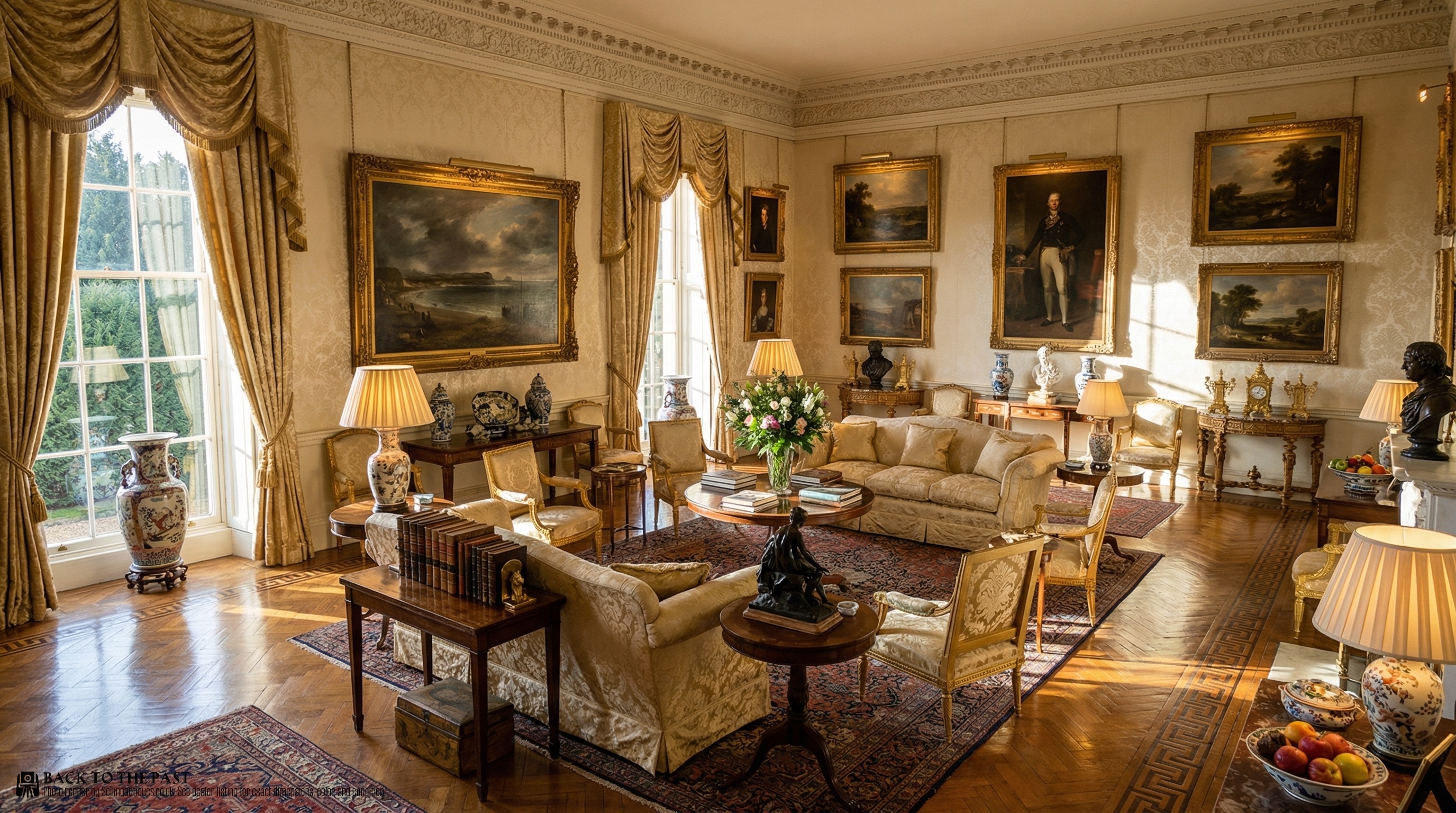
A japy freres mantel clock brings substantial nineteenth-century French mechanical artistry and decorative presence directly to a room.
What a japy freres mantel clock is
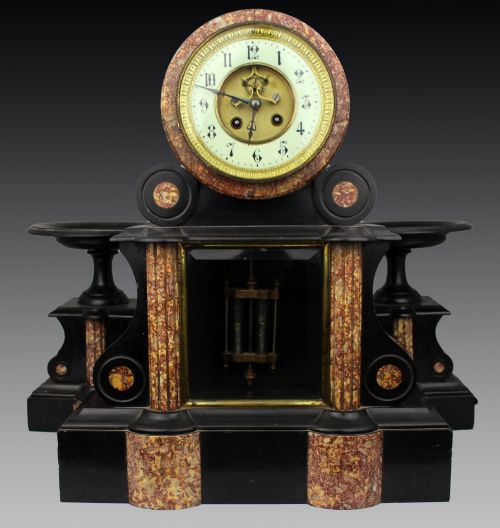
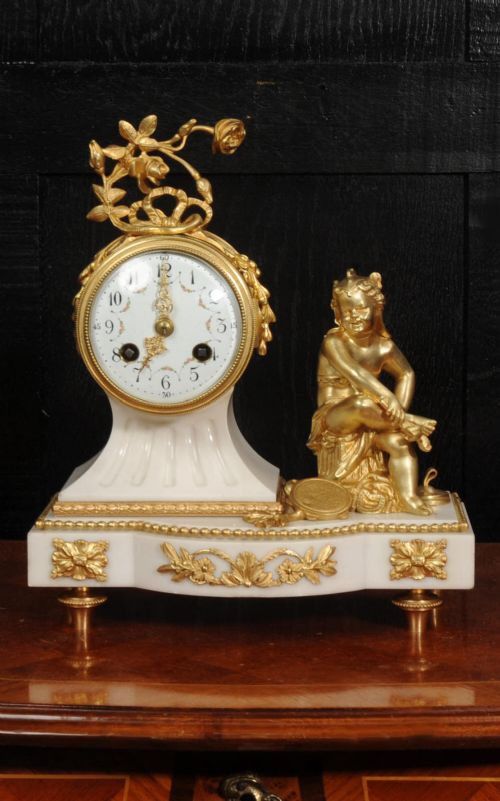
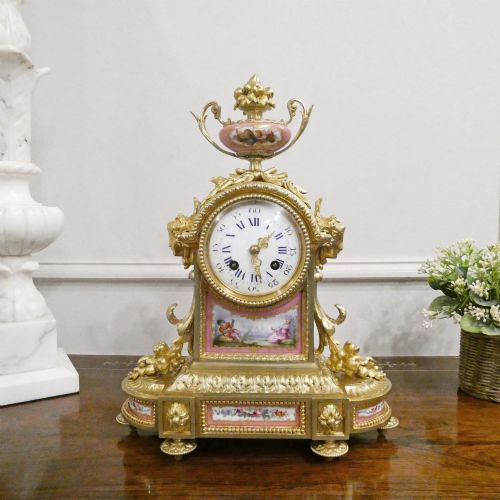
A japy freres mantel clock represents the output of a celebrated French movement-making firm whose mechanisms power diverse decorative housings. Buyers searching for a japy freres mantel clock encounter pieces spanning the nineteenth century, including the eighteen-eighties, eighteen-fifties, and nineteen-hundreds. Most examples met here take the form of mantel clocks and clock garniture sets, often paired with side pieces.
The aesthetic vocabulary encompasses French Second Empire, French Rococo Revival, French Louis XVI Revival, French Empire, Louis XVI, and Rococo Revival styles. Housings range from architectural black slate and variegated marble to elaborate ormolu, gilt bronze, brass, porcelain, glass, mahogany, oak, and boulle marquetry. These objects function simultaneously as reliable timekeepers and sculptural centrepieces for the interior.
How they were made
Maker movements sit inside heavy cast and assembled metal cases, carved stone bodies, or polished wood cabinets. Gilt bronze, ormolu, and brass provide metallic structure and decorative mounts, whilst porcelain panels and enamel dials introduce painted detail. Black slate and marble supply heavy stone foundations, and four-glass library models utilise transparent panels to display internal escapements.
Woodwork includes mahogany, oak, and intricate boulle marquetry inlaid with tortoiseshell and brass. Metal components undergo casting, chasing, and gilding, combining with hand-painted porcelain and detailed enamel dial chapters. Movement plates house reliable eight-day striking trains that drive mechanical gear trains and chime on bells or gongs.
Retail Price Guide 2026
Typical UK retail prices for japy freres mantel clock, calculated from the Sellingantiques database of over a million retail prices indexed since 2003. This retail price guide relies exclusively on Sellingantiques data; no external sources or auction records are used, so the figures do not describe the wider market.
Materials span gilt bronze, enamel, brass, glass, porcelain, black slate, variegated marble, and white marble.
What varies in quality
Quality separates simple timber or slate timepieces from elaborate gilt bronze and porcelain garniture sets by the density and crispness of cast ornamentation. Superior examples display deeply chased gilt bronze mounts, finely painted porcelain panels, and intricate figural sculpture rather than plain stone blocks.
The sophistication of the housing style determines visual hierarchy, with grand Louis XV or Rococo revival models commanding attention through asymmetric scrollwork and heavy gilding. The inclusion of matching side garniture urns or candelabras elevates an individual clock into an imposing decorative ensemble.
Japy Freres·Henry Marc·Peters Bristol
The Japy Freres Mantel Clock Glossary
- Garniture set
- A clock accompanied by matching decorative side pieces such as urns or candelabras designed to sit together on a mantelpiece.
- Ormolu
- Finely ground high-carat gold mercury-gilded onto a bronze base, creating a brilliant and durable metallic finish.
- Boulle
- An elaborate marquetry technique using brass and tortoiseshell inlaid into wood, popular in French decorative arts.
- Escapement
- The internal mechanical linkage that controls the release of power in a clock movement, allowing steady timekeeping.
- Enamel dial
- A metal dial face fused with powdered glass fired at high temperatures to create a smooth white surface with painted numerals.
Frequently Asked Questions
How do I wind a japy freres mantel clock?
Winding requires a matching key inserted into the winding holes on the enamel dial. Turn gently until resistance indicates the mainspring is fully tensioned.
Take care not to overwind the mechanism, as this strains the spring steel. Most movements run for eight days before requiring another wind.
What styles are common in these clocks?
French Revival styles dominate production, particularly Louis XV, Louis XVI, Rococo, and Empire aesthetics. These designs feature ornate scrolls, architectural columns, and classical motifs.
Napoleon III and Belle Epoque pieces also appear frequently, alongside architectural black slate and four-glass library models.
Are garniture sets complete pieces?
Garniture sets include the main clock flanked by matching decorative objects intended to sit as a symmetrical trio. These side pieces echo the materials and decorative style of the central clock.
Displaying the complete set creates the balanced look favoured in nineteenth-century interiors.
How do I identify the period?
Stylistic cues, dial signatures, and case materials help date each piece to the nineteenth century. Ormolu and gilt bronze often point to earlier decades, while slate and four-glass designs align with later periods.
Medal stamps on movements provide further clues regarding manufacturing eras.