




French Low Accent Chair
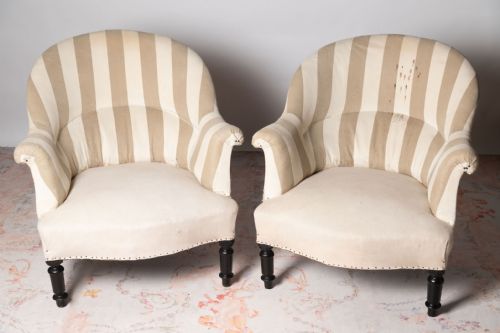
These french low accent chair examples bring intimate scale and ornate carving to a bedroom or corner, offering low-slung seating rooted in nineteenth-century traditions.
French Low Accent Chair
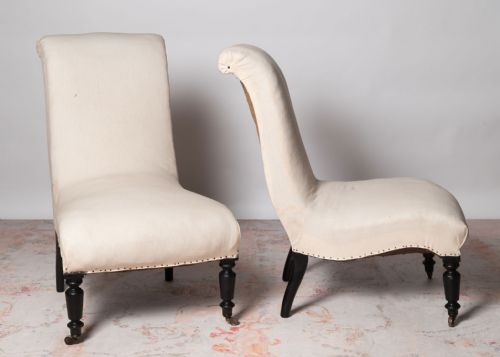
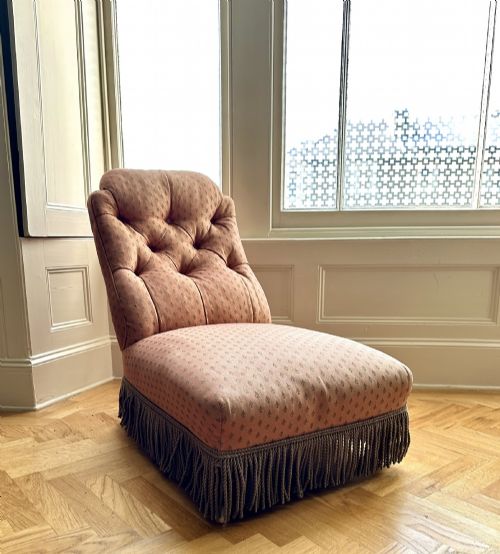
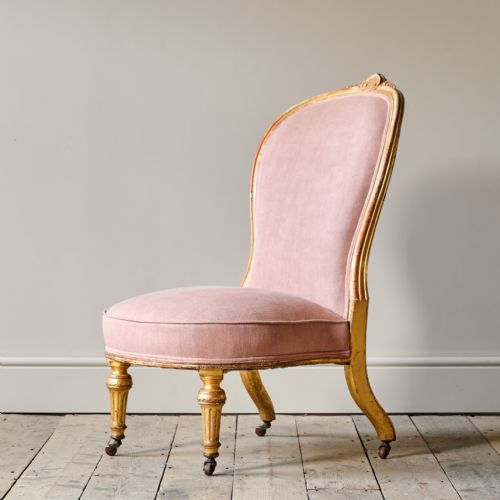
A french low accent chair encompasses nineteenth-century slipper chairs, nursing chairs, boudoir seats and prie-dieu forms designed with low seats and decorative frames. The selection centres on nineteenth-century examples, including Napoleon III pieces and Victorian items, often discovered in pairs.
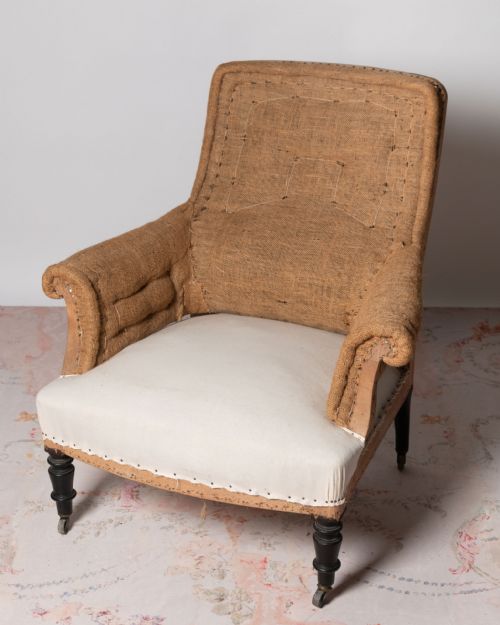
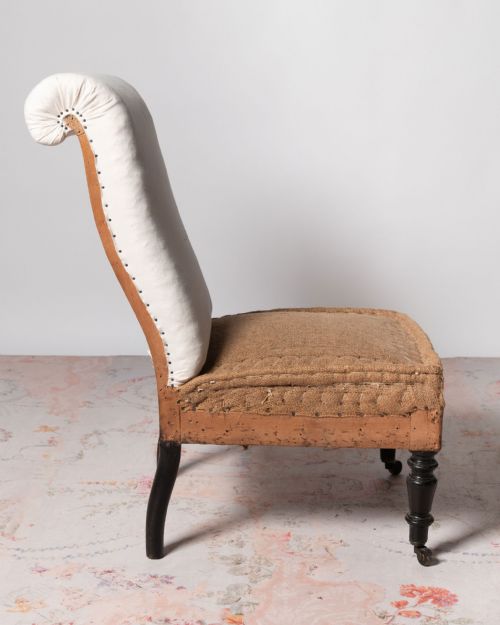
These low-profile seats take various forms, from scroll back slipper chairs and open armchairs to giltwood nursing chairs and walnut prie-dieu chairs. Many retain their original proportions, while others emerge as chairs requiring fresh upholstery or displaying restored ebonised legs.
Materials and construction
Frames are constructed from wood, walnut, and ebonised wood, alongside carved giltwood that brings a gilded finish to the structure. Brass details sometimes appear on castors or decorative mounts, complementing the timber frameworks.
Upholstery relies on fabric, calico, textile, and velvet, occasionally finished with fringe trimming. Certain pieces arrive ready for new upholstery to suit modern interiors.
Nineteenth-century ladies required low-slung chairs so they could put on their slippers without tangling themselves in yards of heavy petticoats.
Assessing quality
The distinction between standard and superior pieces rests in the execution of the carved woodwork, particularly on giltwood and walnut frames where crispness of detail matters. Frames that retain their structural integrity without excessive timber shrinkage command greater attention.
Original surface treatments, such as period ebonising or untouched gilding, elevate a piece above later refinishing attempts. The quality of the underlying frame construction dictates how successfully the chair carries its textile or velvet upholstery.
Lamb of Manchester
The French Low Accent Chair Glossary
- Slipper chair
- A low-seated bedroom chair traditionally used by ladies while putting on shoes. These pieces lack arms to accommodate voluminous nineteenth-century skirts.
- Nursing chair
- A low armchair designed for comfort during infant feeding. The compact height allowed the sitter to hold a child close.
- Prie-dieu chair
- A devotional chair featuring a high back often topped with a carved rail for resting arms during prayer. The seat is positioned low beneath a wide top rail.
- Ebonised wood
- Timber treated with a dark stain or finish to imitate ebony. This technique gained popularity during the nineteenth century for accentuating carved details.
French Low Accent Chair: Frequently Asked Questions
Where should I place a french low accent chair?
These compact seats suit bedrooms, dressing rooms, and low-ceilinged corners where standard armchairs overwhelm the floor space. Their reduced height makes them natural companions to dressing tables and fireplace hearths.
Because they sit close to the floor, they function well as occasional seating without obstructing views across a room. Pairs look balanced placed at the foot of a bed or flanking a low window.
What is the difference between a slipper chair and a nursing chair?
Slipper chairs are typically armless and built low to the ground for dressing and shoe-fitting. Nursing chairs share the low profile but frequently feature a higher back and sometimes open arms to support a person holding an infant.
Both types belong to the broader category of nineteenth-century bedroom seating, though their exact silhouettes reflect slightly different domestic uses.
Can I use these chairs for everyday seating?
Nineteenth-century low chairs were built for specific domestic tasks rather than hours of lounging. Their sturdy wooden frames handle regular use well, provided the joints remain tight and stable.
Pieces requiring upholstery offer an opportunity to reinforce internal webbing and padding for modern comfort. Preserved vintage pieces are best suited to gentle use as decorative accents.
How do I identify a Napoleon III style chair?
Napoleon III pieces draw on eclectic nineteenth-century revivals, often pairing ebonised or giltwood frames with lush velvet or patterned textiles. They favour ornate carved details and sometimes incorporate decorative fringe.
These frames reflect the opulent taste of the Second French Empire, prioritising decorative presence and upholstery comfort over austere lines.