
19th Century Upholstered Seat
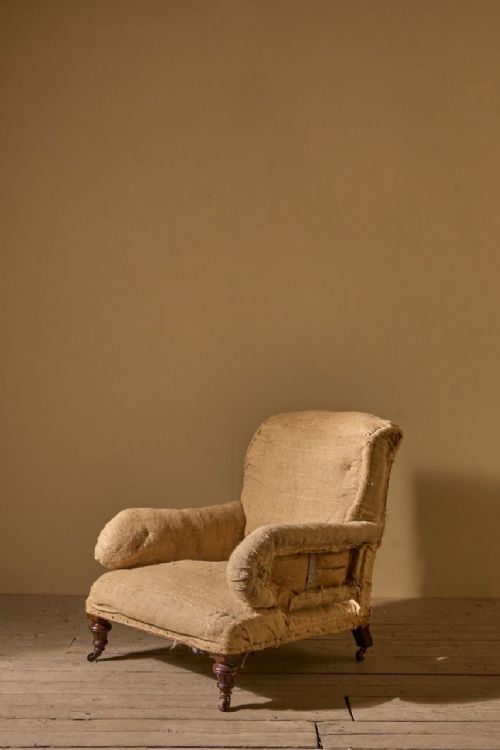
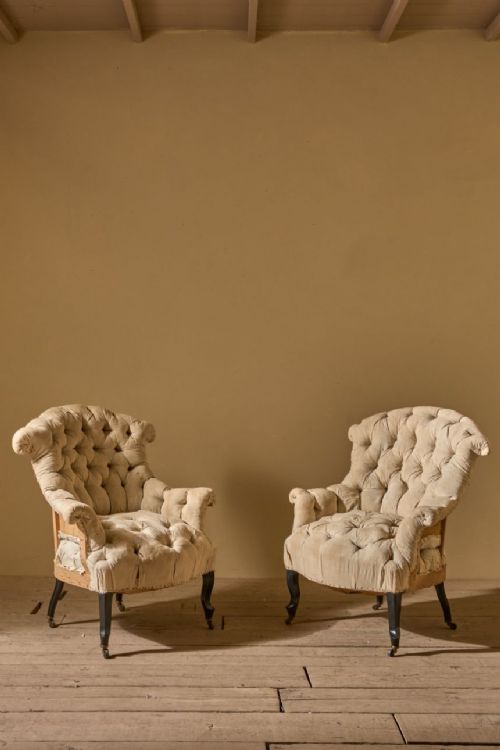
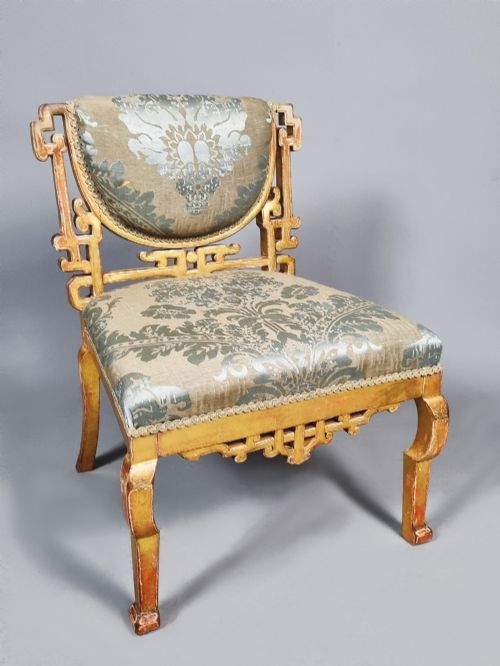
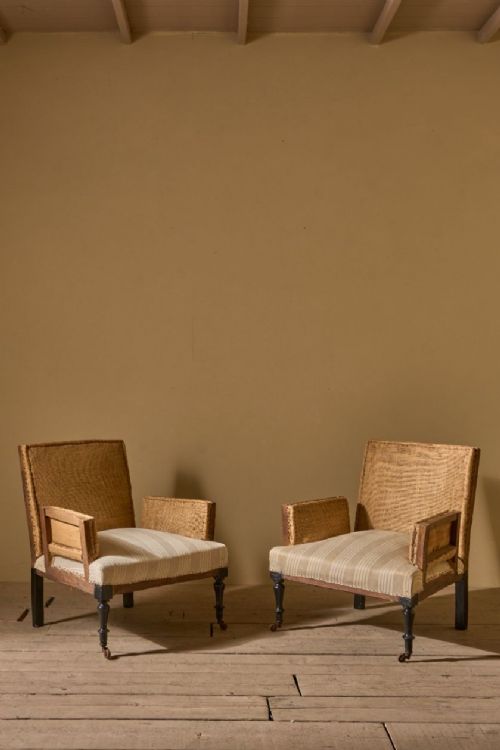
These 19th century upholstered seat designs encompass everything from button-back armchairs to dining sets, offering period character and comfortable seating.
19th Century Upholstered Seat
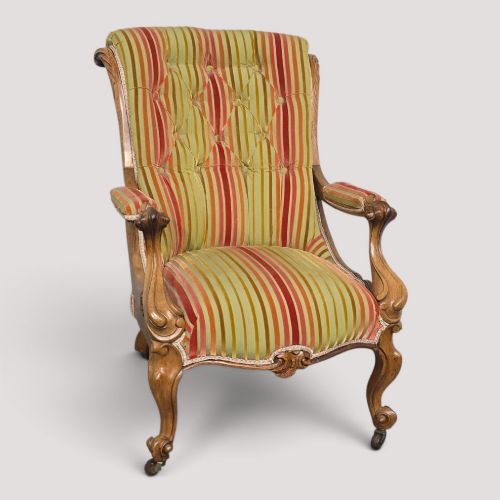
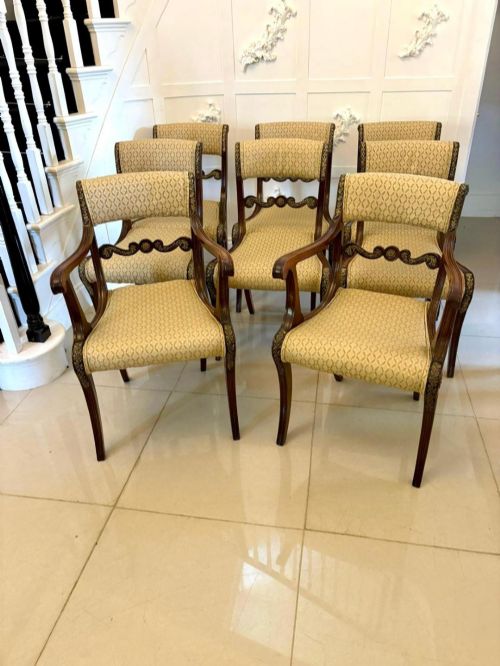
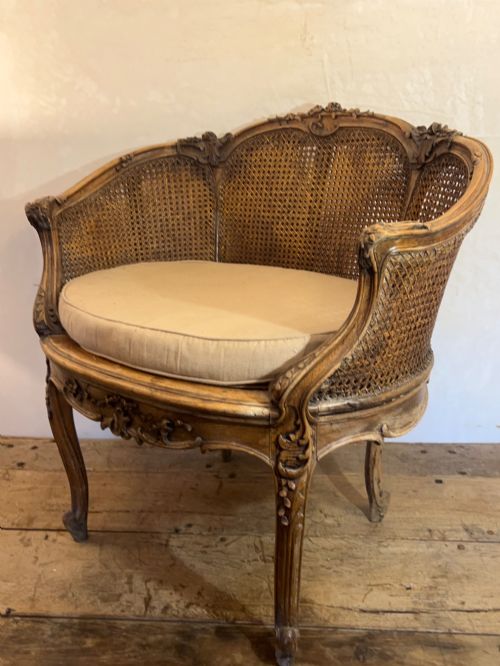
A 19th century upholstered seat covers a broad spectrum of forms, ranging from single library armchairs and nursing chairs to large sets of dining chairs and settees. The pieces recorded on this page cross multiple periods, notably the Victorian era, Regency, and William IV, reflecting diverse domestic needs of the period.
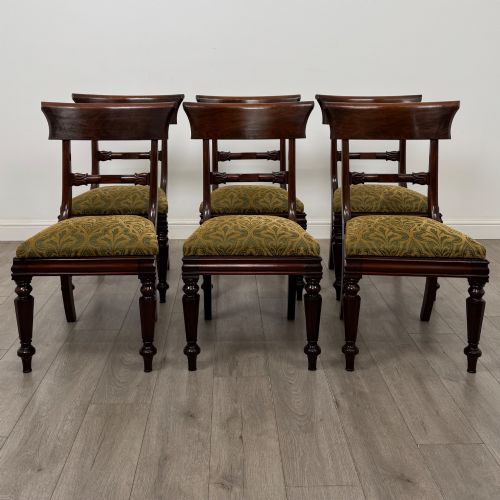
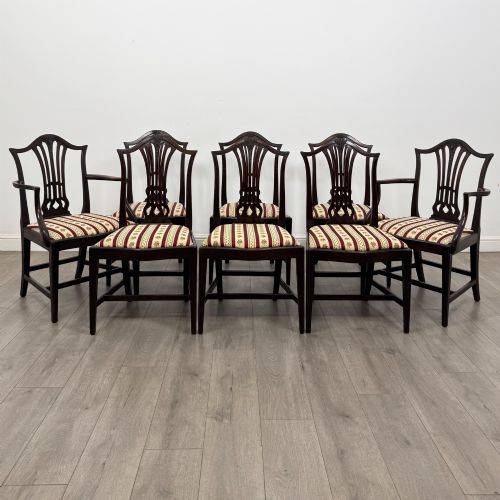
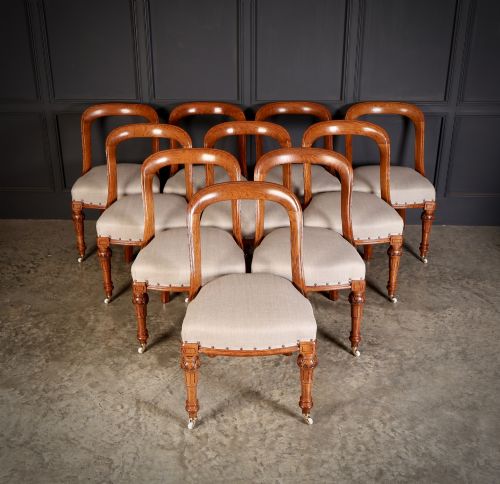
Dining chairs appear frequently in sets of varying sizes, alongside larger seating options like Chesterfield sofas and window seats. Buyers meet these objects in woods such as mahogany, rosewood, walnut, and oak, often paired with contemporary or period fabric upholstery.
Regional variations and revival styles, including Gothic Revival and Queen Anne Revival, surface across the listings, showing how cabinet makers drew on earlier aesthetic traditions. Whether searching for a single bedroom chair or a pair of hall seats, the selection represents the functional domestic furniture of the nineteenth century.
How they were made
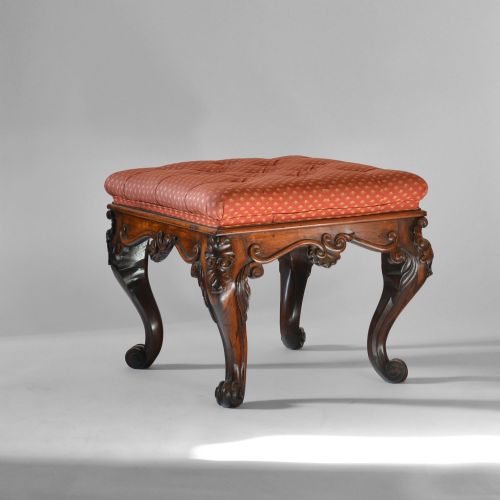
Construction relies heavily on timbers like mahogany, rosewood, walnut, and oak, which form the structural frames, show wood surrounds, and legs of these chairs and settees. Carpenters and joiners shaped these hardwoods using traditional methods, often incorporating carved details, brass accents, or inlay work.
Upholstery materials recorded in the evidence include velvet, tapestry, calico linen, and general upholstery fabric, secured over stuffing to provide functional padding. Frames range from simple solid oak stools to complex library armchairs and button-back designs requiring specialised upholstery skill.
Channel Islands craftsmen occasionally signed their Gothic revival hall chairs with metal makers' labels.
What varies in quality
The standard of carving and the selection of timber dictate the distinction between standard production and higher-tier output. Dense rosewood or finely figured mahogany frames with crisp, hand-carved detailing sit apart from simpler utility pieces.
Makers' marks and attribution to known workshops or designers introduce further differentiation in value and historical interest. Complete sets of matching chairs also carry distinct considerations compared to assembled groups or single occasional seats.
Gillows·W.A. Willcocks·George Jack For Morris & Co
The 19th Century Upholstered Seat Glossary
- Balloon back
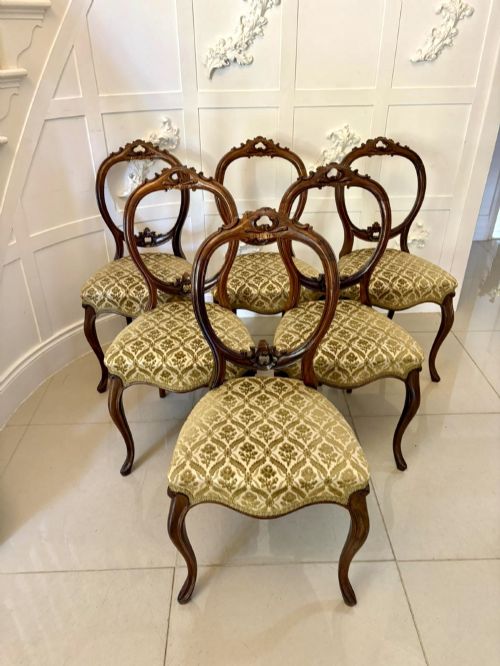
- A chair back shaped in a continuous curve resembling the outline of a balloon, popular during the Victorian period. This design allowed for comfortable leaning while displaying the grain of the mahogany or walnut timber.
- Button back
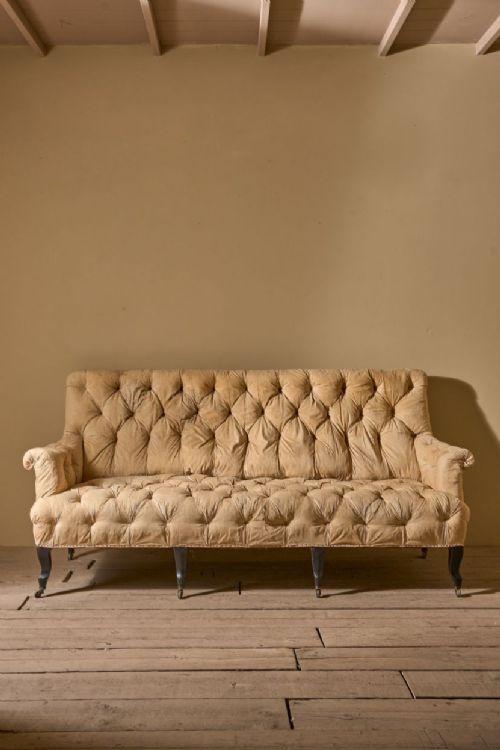
- An upholstery technique where buttons are pulled deep into the padding in a regular diamond pattern, creating distinct tufts. It provides structural tension to the fabric and extra firmness to armchairs and sofas.
- Show wood
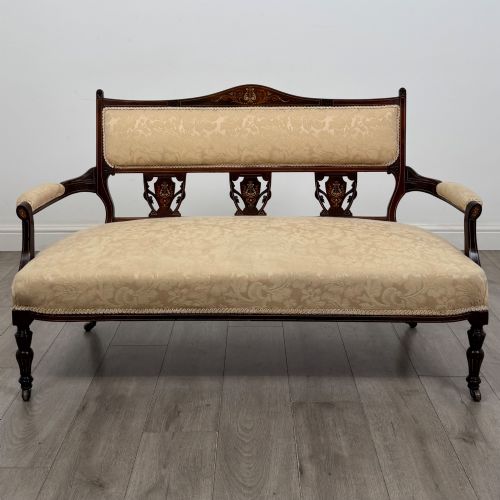
- The exposed timber parts of an upholstered chair or sofa frame that remain visible around the padded sections. Cabinet makers used this to display polished mahogany, walnut, or rosewood.
- Gothic Revival
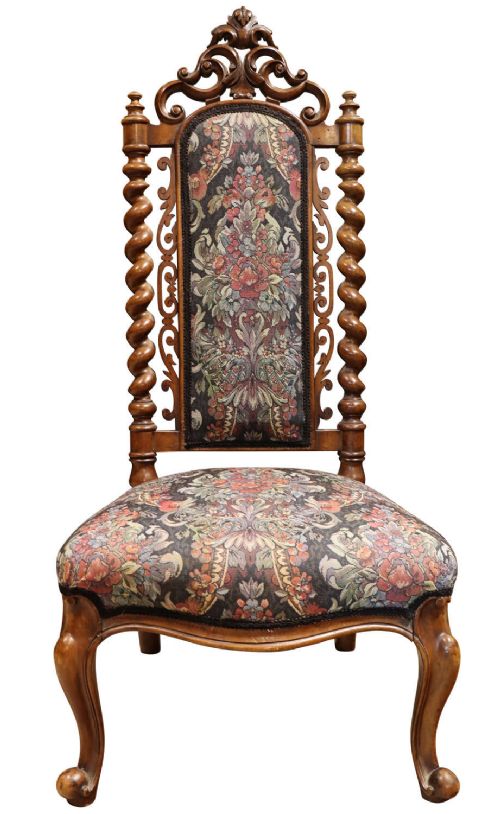
- An architectural and decorative style drawing on medieval ecclesiastical motifs, featuring pointed arches, tracery, and heavy oak or rosewood construction. This aesthetic appeared frequently in mid-nineteenth-century domestic seating.
19th Century Upholstered Seat: Frequently Asked Questions
What is a 19th century upholstered seat?
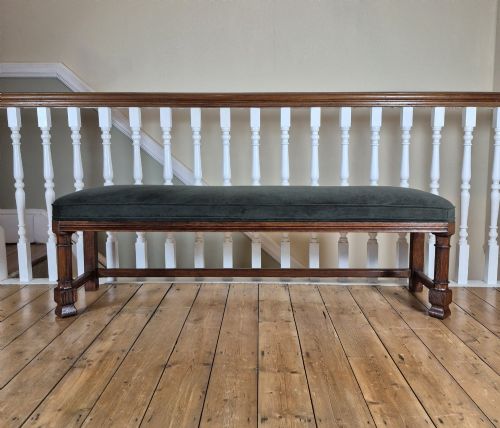
A 19th century upholstered seat is a piece of antique furniture designed for sitting, featuring a padded or covered seat pad, back, or arms. These items include armchairs, dining chairs, stools, benches, and settees made during the eighteen-hundreds.
Such furniture served various rooms in the home, from formal dining spaces and libraries to bedrooms and reception rooms. They combine structural wooden frames with period textiles like velvet, tapestry, and calico linen.
How do I identify a Victorian armchair?
Victorian armchairs often feature distinctive framing in woods like walnut or mahogany, combined with button-back padding or exposed show wood. Styles range from nursing chairs to large library armchairs and Chesterfield sofas.
Examining the construction methods, turning, and upholstery style helps place the piece within the Victorian period. Many examples also reflect specific revivals, such as Gothic or Queen Anne influences popular during the era.
Where were these seats used?
These seats found places throughout nineteenth-century homes, tailored to specific functions in rooms like libraries, morning rooms, and bedrooms. Hall chairs furnished entranceways, while low nursing chairs served private chambers.
Larger items like settees and library armchairs occupied communal living spaces for reading and entertaining guests. Their placement depended entirely on the social rituals and domestic organisation of the household.