
Victorian Style Easy Chair
A victorian style easy chair offers deep comfort and traditional craft, anchoring a room with nineteenth-century proportion.
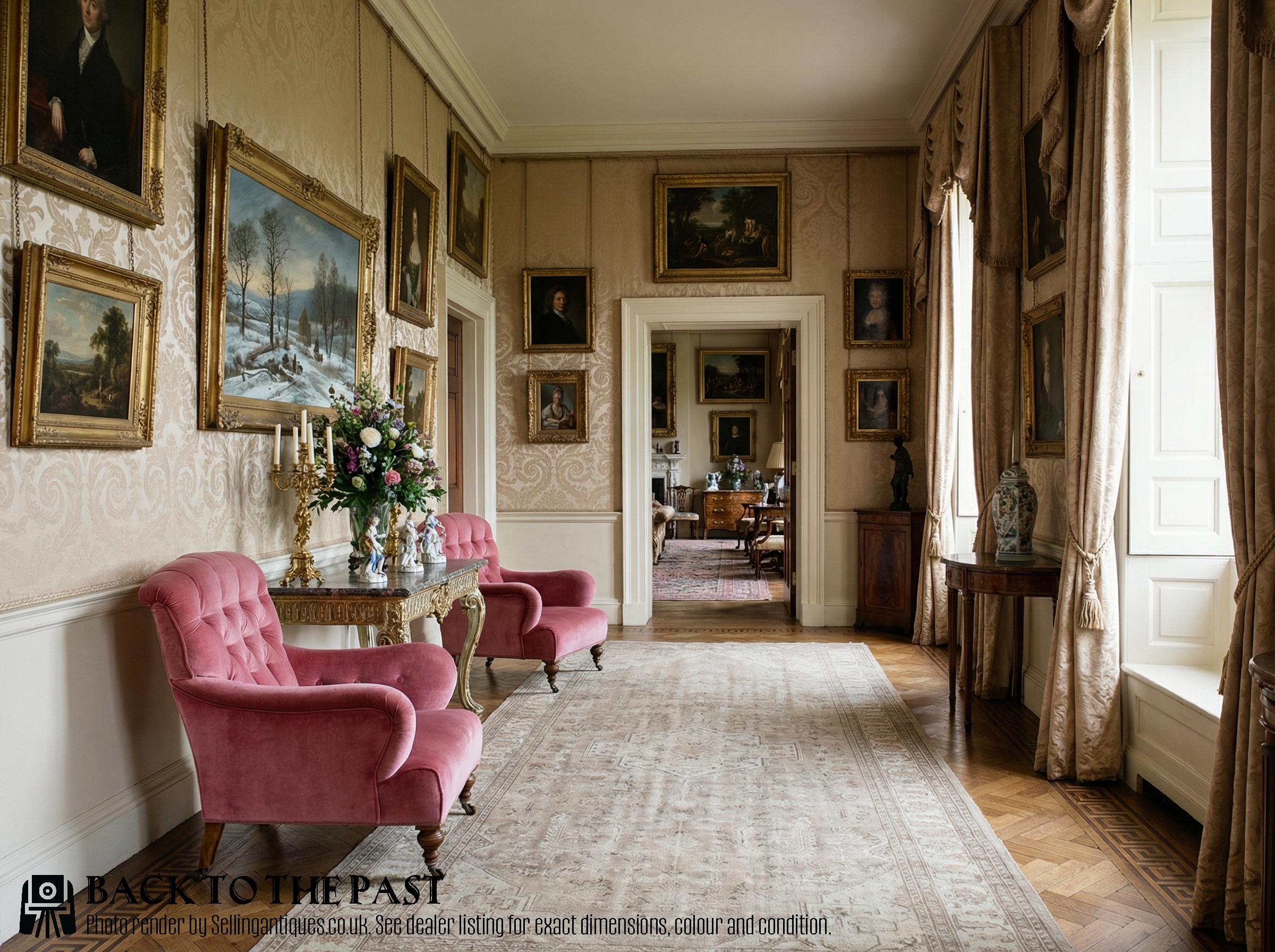
Victorian Style Easy Chair
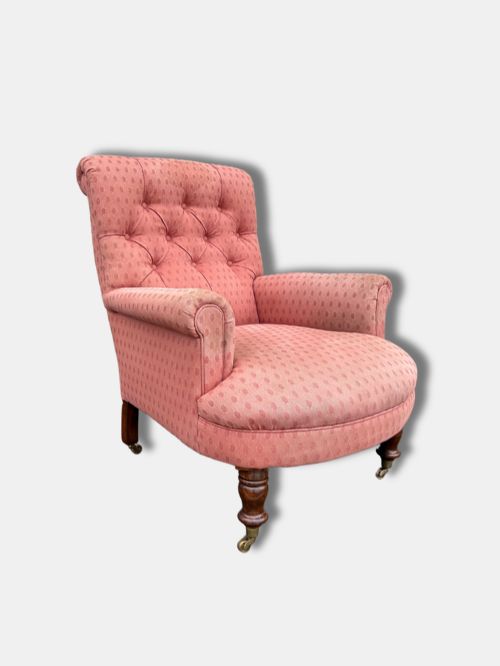
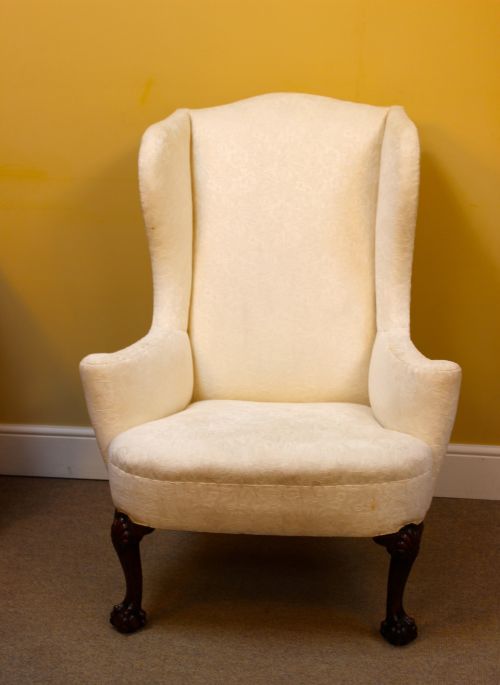
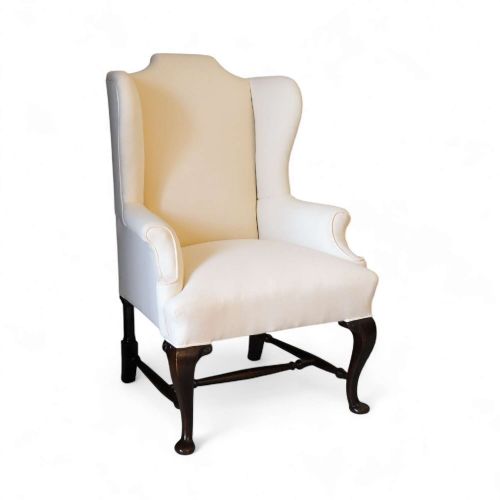
A victorian style easy chair encompasses nineteenth-century seating designed for comfort, ranging from low slipper chairs to generously proportioned club armchairs and wingbacks. These pieces emerge predominantly from the Victorian era and the broader nineteenth century, reflecting periods such as 1850, 1860, 1870, 1880, 1890, and 1900.
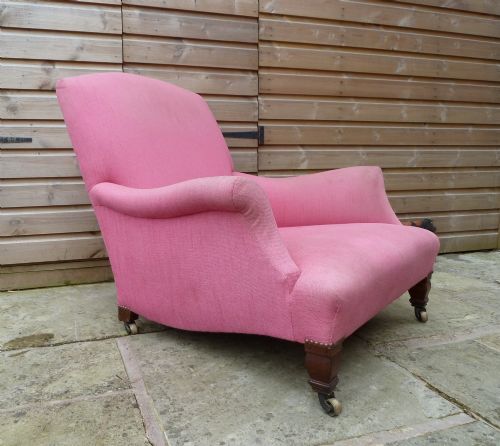
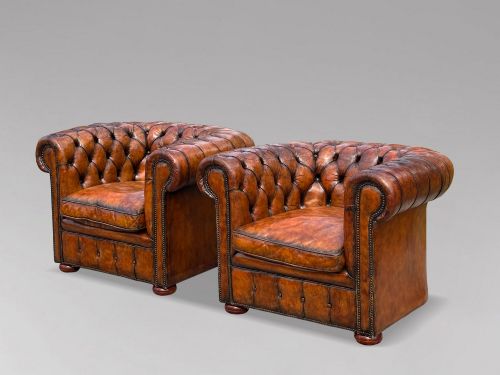
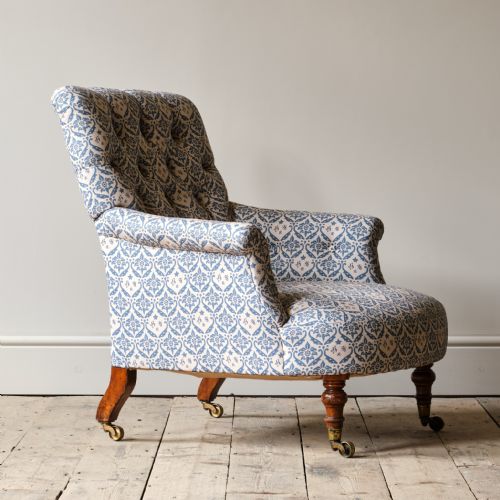
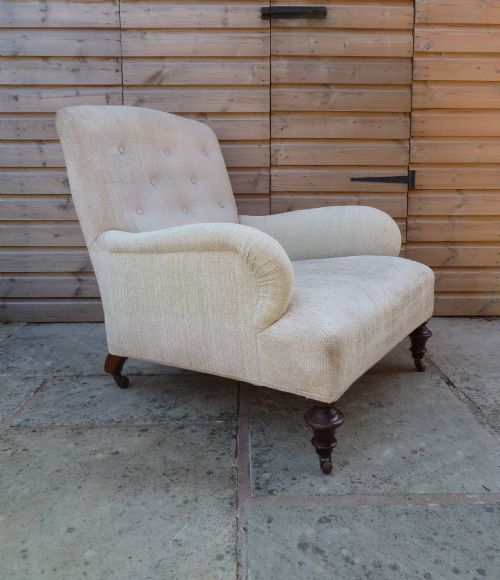
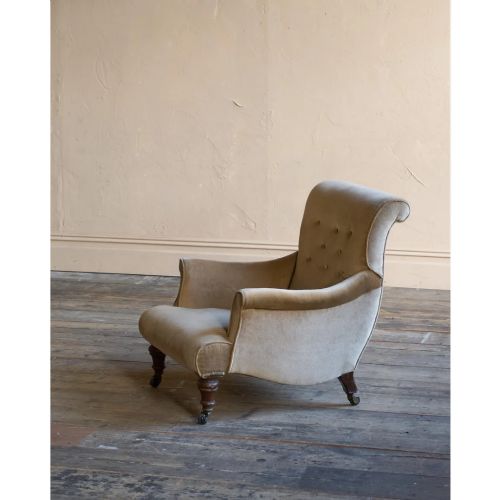
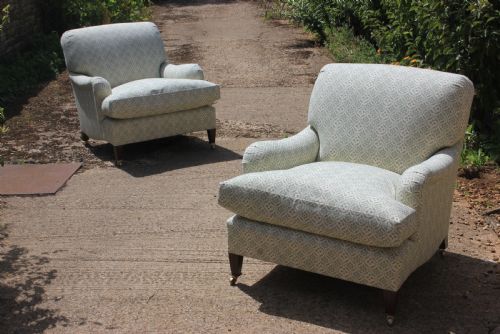
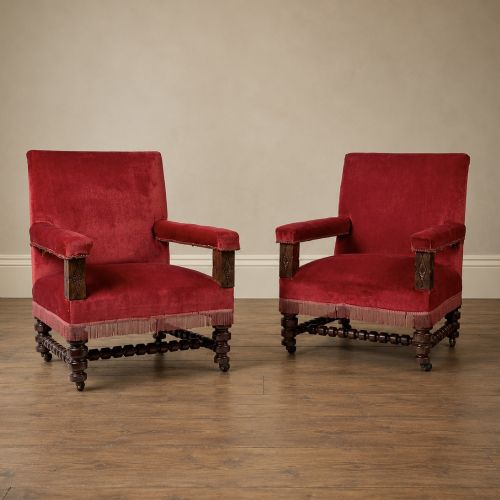
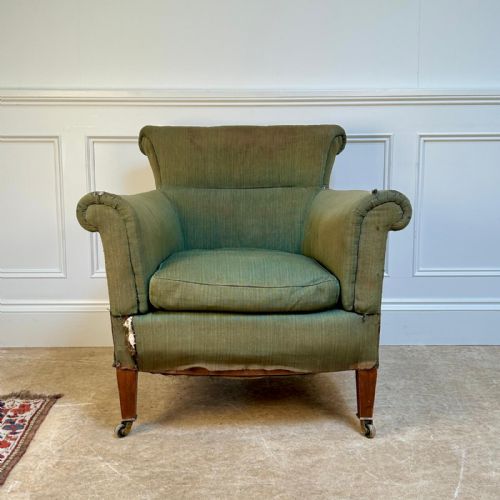
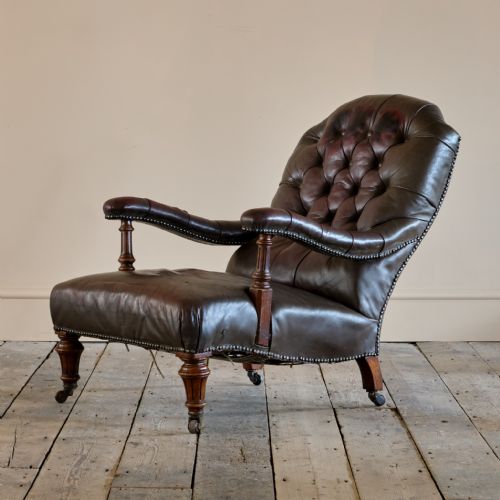
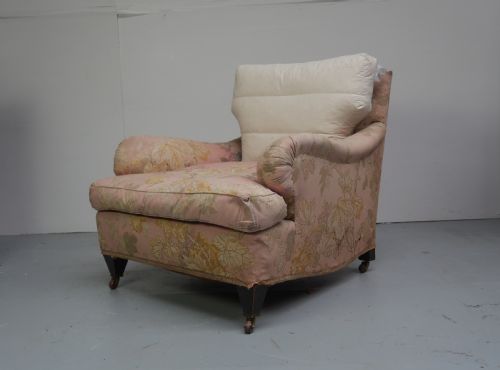
The selections on this page heavily feature English country house influences, Howard style builds, and revival aesthetics including Queen Anne and Chippendale. Forms vary between open armchairs, button-backed seating, and deep club chairs upholstered in traditional textiles.
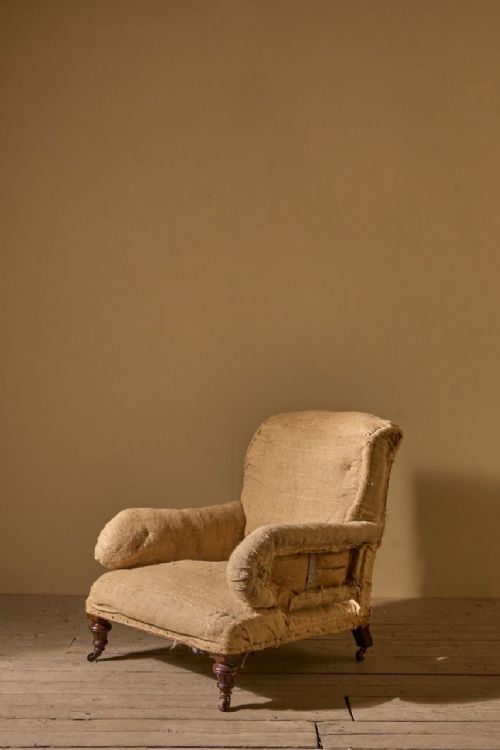
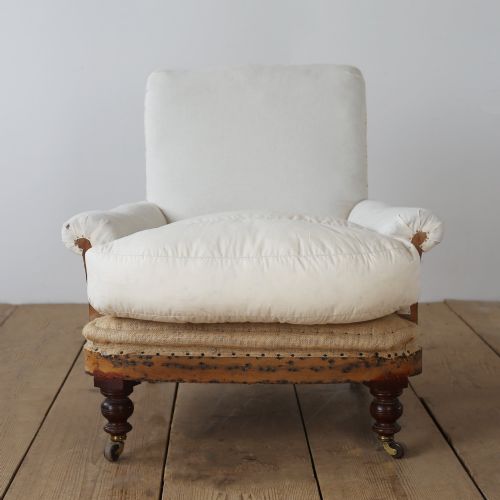
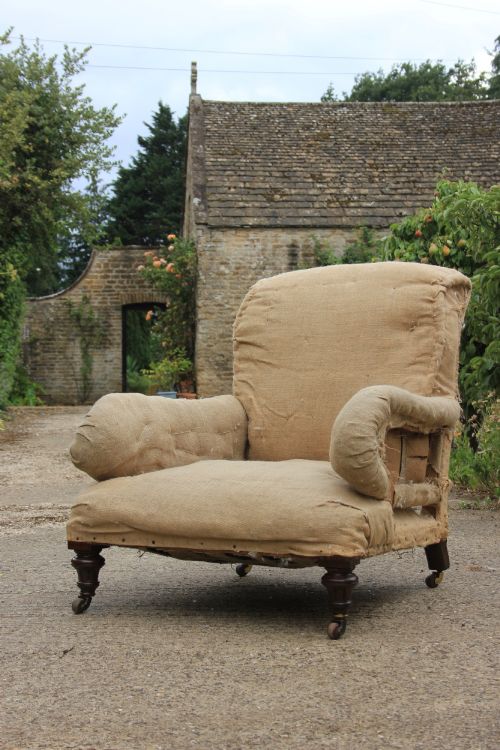
Makers and regional styles such as Gillows, Shoolbred, and Woodstock appear alongside Grafton and Ivor models. Pieces frequently arrive in foundational stages like calico or hessian, ready for final covering.
Materials and Construction Methods
Frames rely on sturdy timbers including mahogany, walnut, oak, and general wood structures to support robust internal springing and padding. Brass castors often finish the feet, allowing movement for heavy upholstered forms.
Upholstery techniques utilise layers of cotton, calico, hessian, and fabric, frequently finished with ticking or velvet top covers. Buttoning and traditional hand-tack methods secure the padding to the wooden framework.
Brass castors roll quietly across nineteenth-century carpets, ready for sudden repositioning near the fire.
Assessing Craft and Build Quality
Quality rests in the integrity of the underlying timber frame and the precision of the upholstery build. Superior examples display balanced proportions, robust joinery, and high-grade internal materials that maintain their supportive shape over generations.
The distinction between standard output and workshop masterpieces involves maker attribution, such as work linked to established firms, and the sophistication of the revival styling applied to the frame and arms.
Howard and Sons·Gillows·James Shoolbred·Trollope and Sons·Robert Strahan·SF Cullen
The Victorian Style Easy Chair Glossary
- Calico
- A plain-woven cotton textile used as an inner upholstery layer before the final decorative fabric is applied. Many period frames remain in this foundational stage.
- Hessian
- A coarse woven fabric, often made from jute fibres, utilised inside upholstered seating for webbing and foundation support. It holds the stuffing securely within the frame.
- Wingback
- An armchair with side panels or wings attached to the back, designed to shield the occupant from draughts. This form appears across nineteenth-century and revival designs.
- Slipper Chair
- A low-seated bedroom chair traditionally used by women for sitting while putting on shoes. These pieces feature compact frames without arms.
- Button Back
- An upholstery style where depressions are formed in the padding by stitching deep buttons through to the frame. This technique creates a tufted pattern.
- Club Armchair
- A deep, heavily upholstered easy chair designed for maximum comfort and relaxation. These pieces often feature low backs and broad arms.
Victorian Style Easy Chair: Frequently Asked Questions
Why are some chairs upholstered in calico?
Calico serves as the foundational under-upholstery stage for antique armchairs before the decorative top cover is fitted. Leaving a chair in calico allows buyers to select their own final fabric.
This presentation also showcases the raw shape and upholstery lines of the nineteenth-century frame without distraction.
How do I identify a Victorian slipper chair?
A Victorian slipper chair is distinguished by its exceptionally low seat height and compact, armless frame. These chairs were originally intended for bedrooms and dressing rooms.
They frequently feature sprung seats, fringe trim, and tufted or buttoned backrests supported on slender wooden legs.
What is a Grafton armchair?
The Grafton armchair is a specific country house seating form associated with nineteenth-century British workshop production. It combines generous proportions with traditional sprung upholstery.
These chairs often appear in heavy ticking or neutral fabrics suited to relaxed domestic interiors.
Where were these armchairs used historically?
These armchairs found placement in country house libraries, drawing rooms, and studies throughout the nineteenth century. Their sturdy wood frames and deep padding provided durable seating for daily domestic life.
Today, they transition easily into modern living spaces as reading chairs or statement seating.