


Victorian Scroll Back Chair
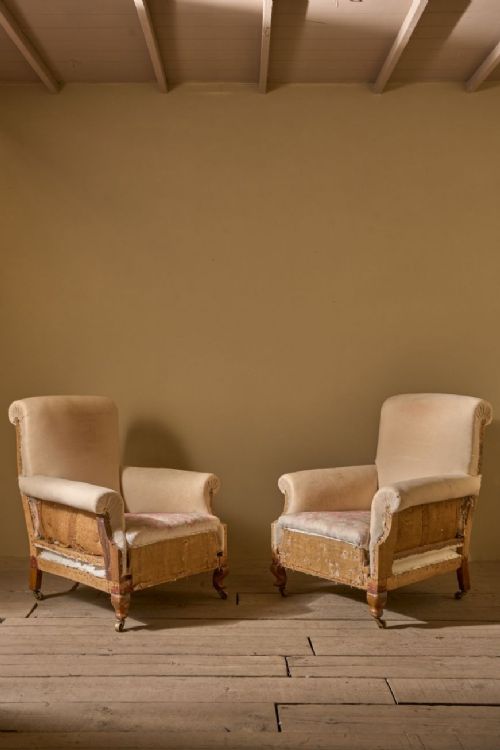
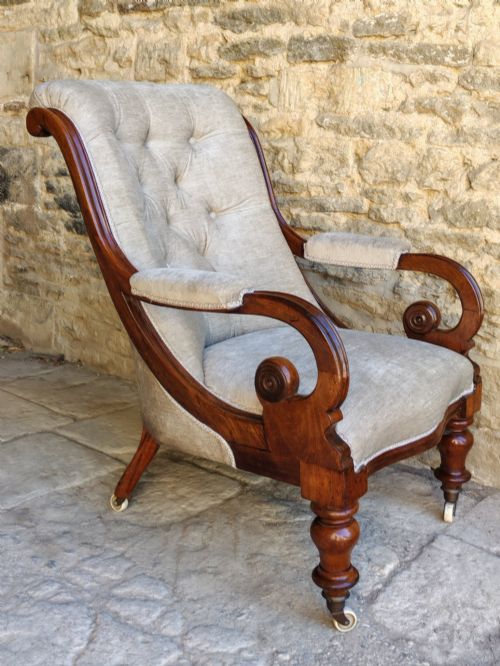
A victorian scroll back chair brings classic nineteenth-century proportion and carved timber frames into a room.
Victorian Scroll Back Chair
When searching for a victorian scroll back chair, buyers encounter a diverse array of seating designed during the nineteenth century. The selection ranges from low nursing and parlour chairs to substantial library armchairs and dining sets.
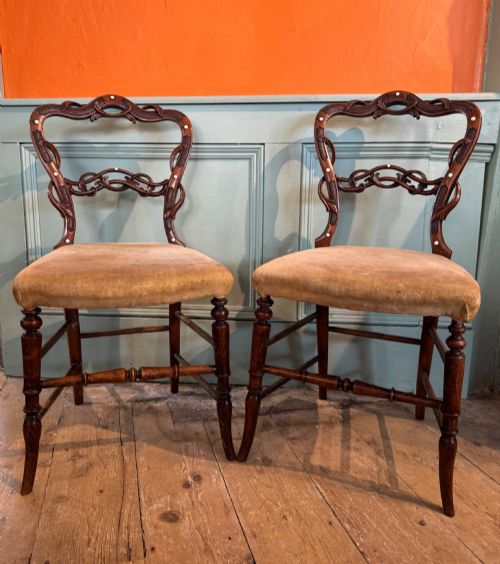
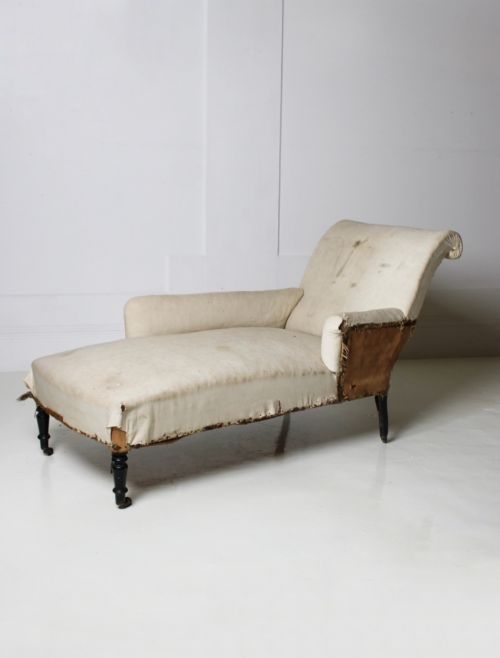
The pieces on this page heavily feature the Victorian period alongside William IV, Regency, and Edwardian examples. Forms vary from bedroom chairs and rocking chairs to chaise longues and hall chairs, reflecting how nineteenth-century households furnished different rooms.
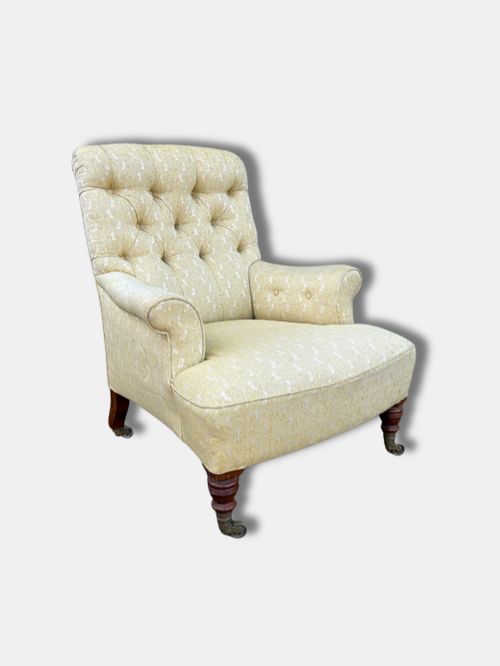
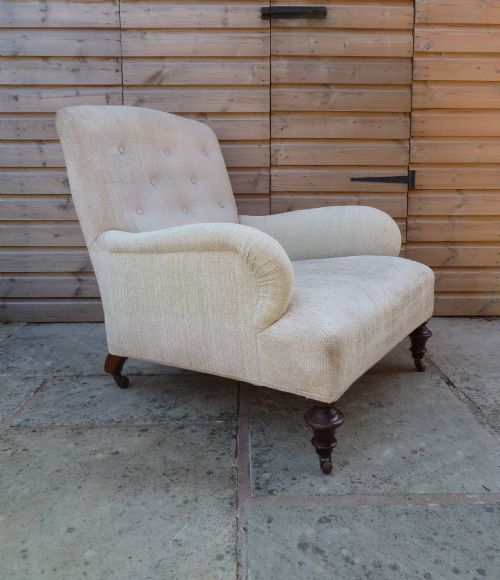
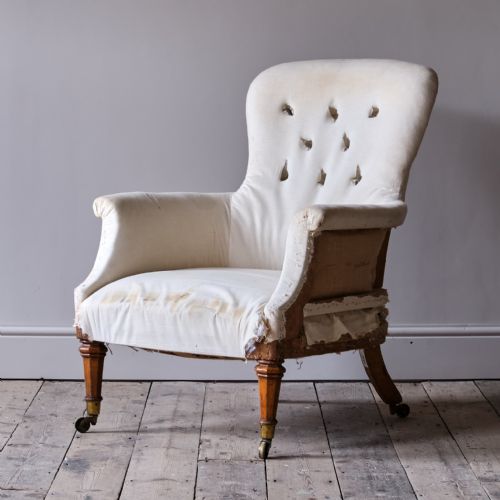
Mahogany, walnut, and rosewood frames dominate the selection, often upholstered in velvet, calico, or tapestry. Many examples show button-tufted backs and carved scroll details on the arms or timber frames.
How they were made
Cabinetmakers utilised hardwoods such as mahogany, walnut, rosewood, and oak to construct the structural frames. These timbers were often turned, shaped, and polished to highlight the natural grain.
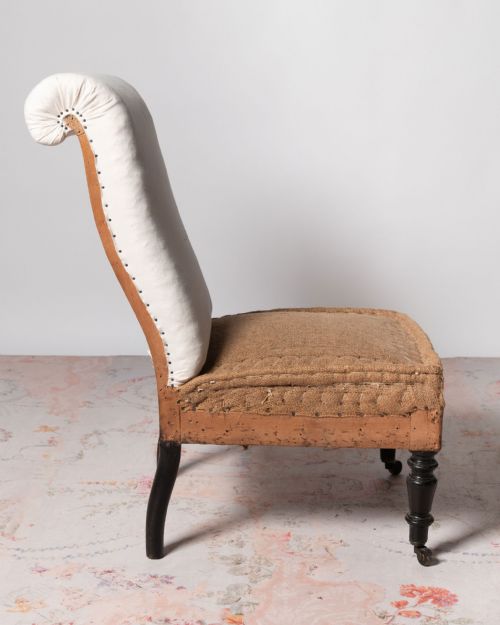
Upholstered versions relied on traditional stuffing methods, covering springs and webbing with calico before applying finish fabrics like velvet or patterned tapestry. Showwood frames exposed polished timber borders around button-tufted backrests.
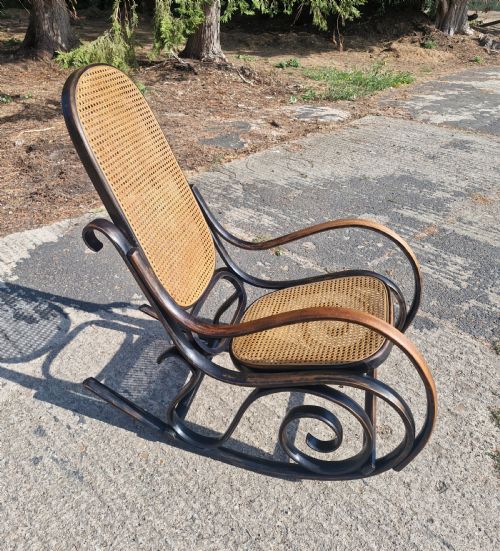
Alternative methods included steam-bent beech used for bentwood rocking chairs and carved solid timber for rigid hall and dining chairs.
The selection spans the Victorian period alongside Regency, William IV, and Edwardian eras.
What varies in quality
The distinction between ordinary seating and exceptional pieces rests upon the crispness of the timber carving and the architectural balance of the scroll arms and backs. Superior examples display deeply moulded woodwork and well-proportioned frames that retain their original showwood finish.
Makership plays a vital role in standing, where documented firms like Howard and Sons or Holland and Sons demonstrate finer internal stuffing techniques and superior timber selection compared to anonymous workshop output.
Originality of components, such as intact brass castors and matching sets of dining or hall chairs, elevates the desirability of surviving nineteenth-century seating.
Howard and Sons·Holland and Sons·John Taylor and Sons·Thonet
The Victorian Scroll Back Chair Glossary
- Showwood
- Timber frame sections left exposed around the upholstered portions of an armchair or nursing chair. This allowed makers to display polished mahogany or walnut grain.
- Nursing chair
- A low-seated Victorian chair designed for sitting near a fireplace or nursery hearth. These typically feature low seats and supportive high backs with scroll carving.
- Button back
- An upholstery technique where buttons are pulled tight through the padding to create a diamond pattern. This secured the internal stuffing and added texture to velvet or fabric covers.
- Castor
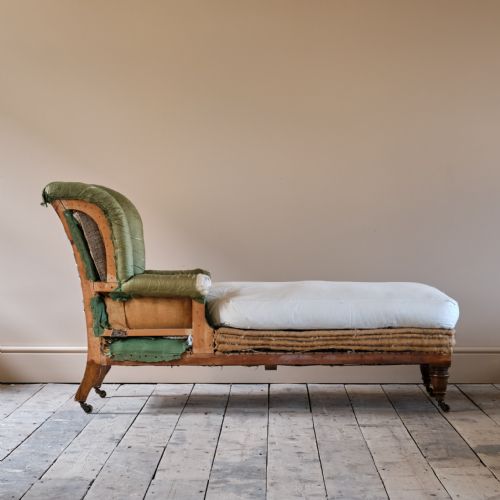
- A small wheel attached to the feet of chairs and daybeds to ease movement across carpets and floorboards. Brass fittings are common on mid-nineteenth-century library seating.
- Chaise longue
- An upholstered daybed with an asymmetric backrest designed for reclining. Nineteenth-century versions frequently incorporated scroll carved ends.
Victorian Scroll Back Chair: Frequently Asked Questions
Where should I place a scroll back chair?
These chairs suit drawing rooms, studies, and bedrooms where their timber frames and upholstered backs can be appreciated from multiple angles. Low nursing chairs work well beside fireplaces, while larger library armchairs anchor a seating arrangement.
Pairing a single armchair or daybed with contemporary furnishings highlights nineteenth-century craftsmanship without overwhelming a modern interior scheme.
How do I identify a Victorian chair?
Look for characteristic nineteenth-century timber choices such as mahogany, walnut, and rosewood combined with deep button upholstery and scroll-carved framework. Maker stamps, brass castors, and specific stylistic revivals also point toward the Victorian era.
Cross-referencing the frame style with historical periods helps distinguish mid-Victorian showwood designs from later Edwardian or reproduction pieces.
Were these chairs used for dining?
Dining chairs formed a distinct category alongside armchairs and lounge seating, often found in sets of matching pieces. These side chairs and hall chairs relied on solid wood construction rather than deep upholstery.
Many featured carved bar backs or cane weaving, serving formal dining rooms in English country houses and town residences.
What is a bentwood rocking chair?
Bentwood rocking chairs utilise steam-heated wood bent into curved structural forms, pioneered by makers like Thonet in the nineteenth and early twentieth centuries. This technique created lightweight yet resilient frames.
These pieces brought a distinct fluid aesthetic to Victorian and Edwardian interiors, differing significantly from heavy upholstered armchairs.