


French Fireside Chairs
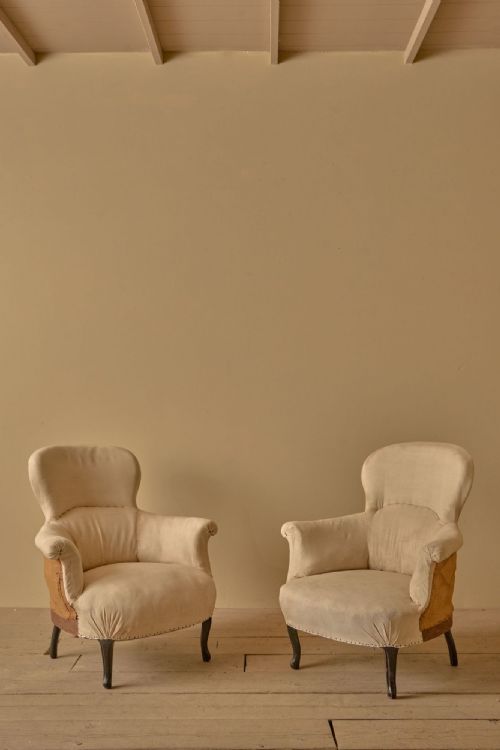
French fireside chairs offer low, upholstered comfort designed for proximity to a hearth, bringing nineteenth-century seating character to a room.
French Fireside Chairs
French fireside chairs encompass a variety of low-slung, upholstered seating forms designed primarily for warmth and relaxation near a fireplace. Buyers searching this phrase encounter nineteenth-century pieces alongside examples from the early twentieth century, spanning periods from the eighteenth century to the 1930s.
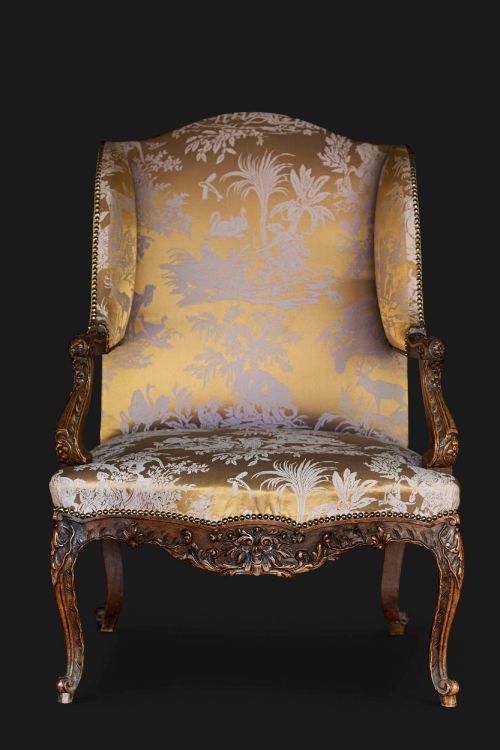
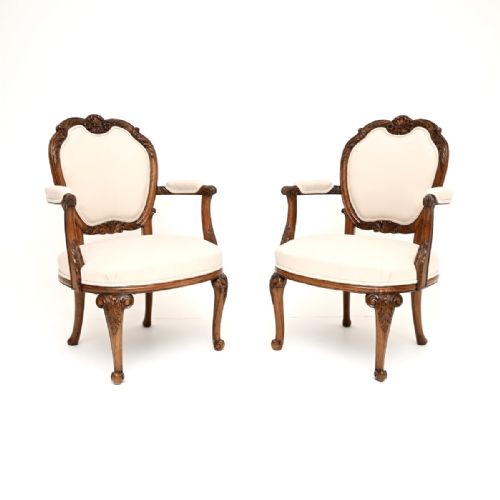
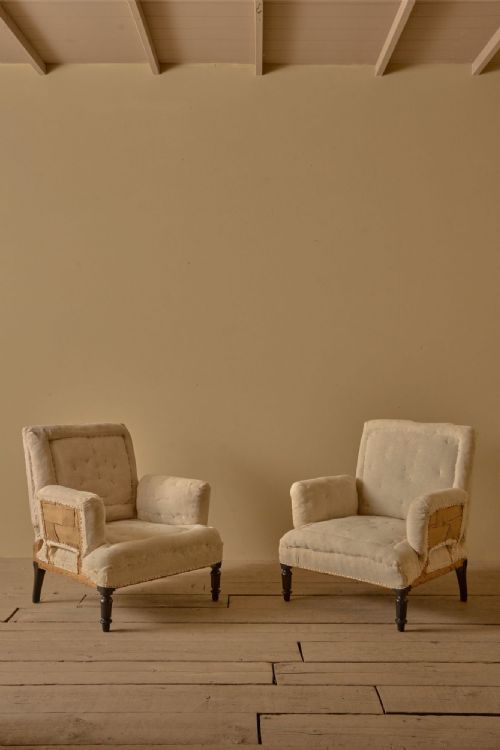
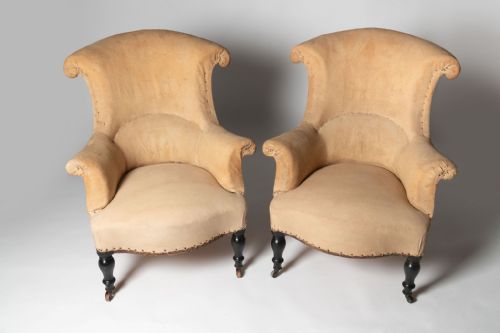
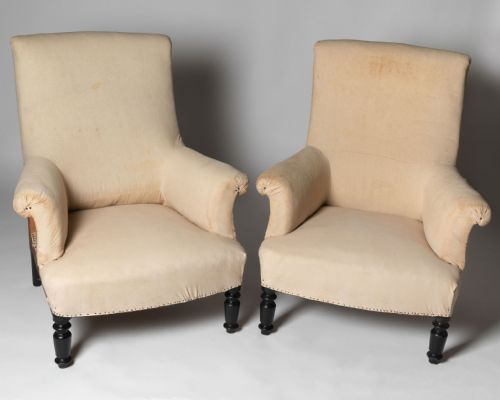
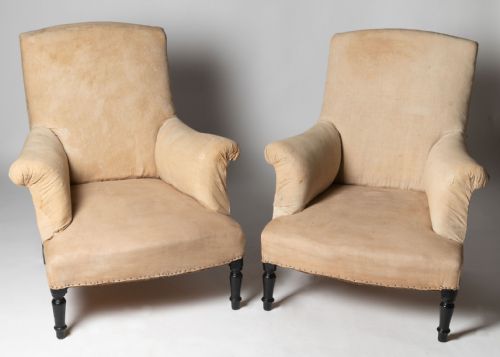
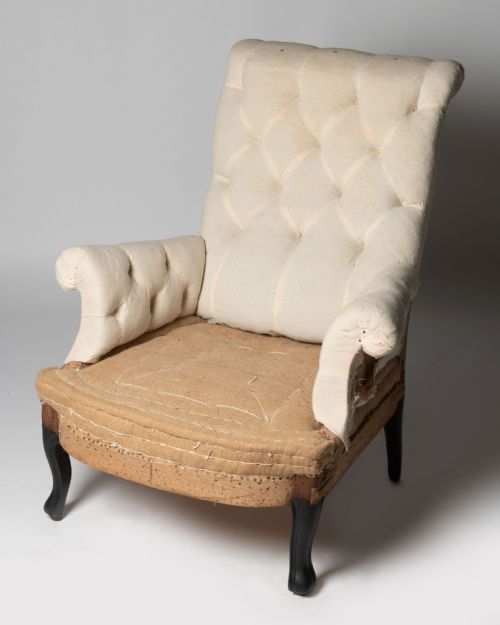
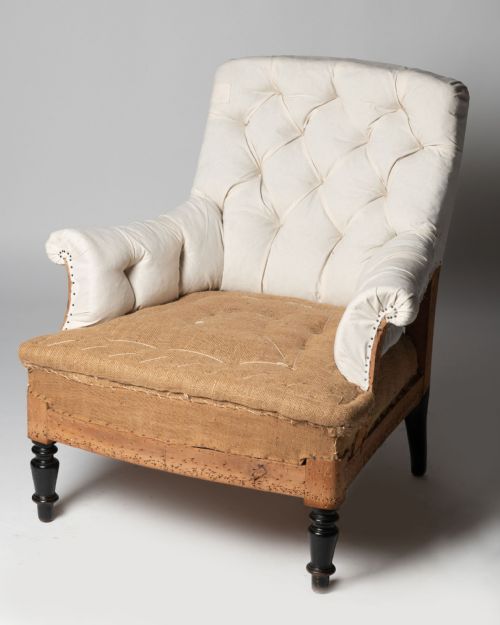
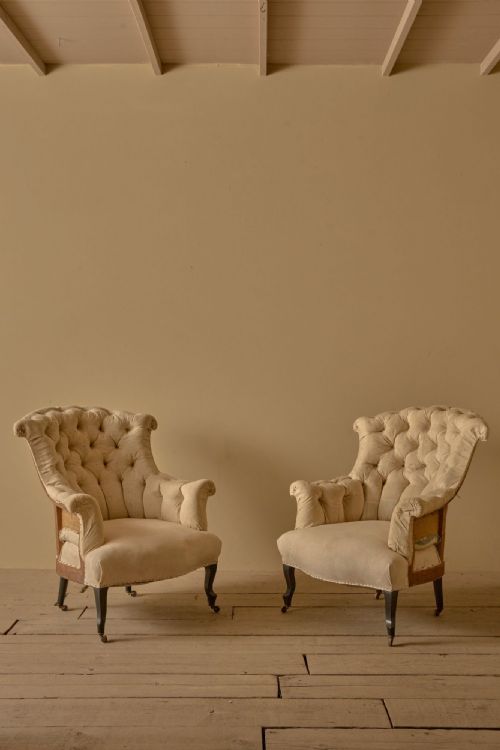
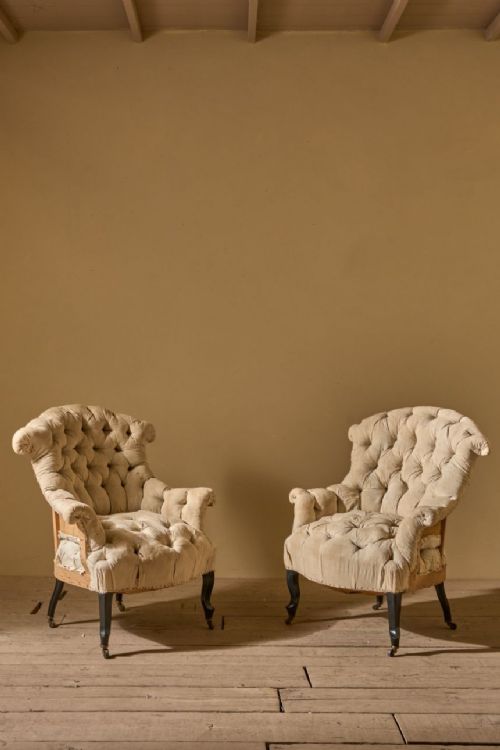
The selection on this page relies heavily on nineteenth-century creations, featuring Napoleon III buttoned designs, Louis XV and Louis XVI styles, and various bergère and slipper configurations. Armchairs predominate, often accompanied by occasional tables or matching stools, reflecting traditional domestic layouts.
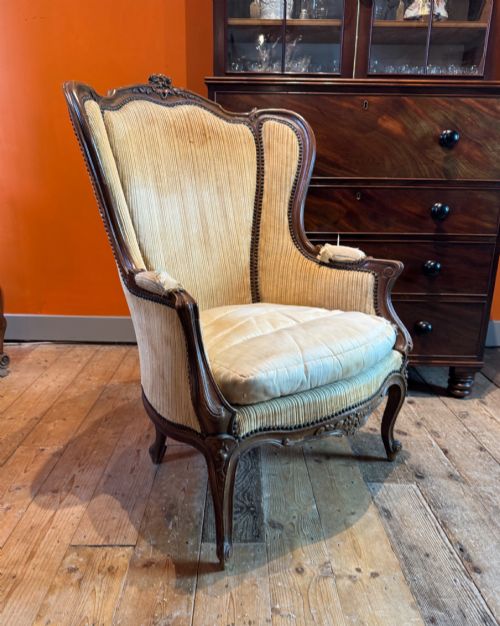
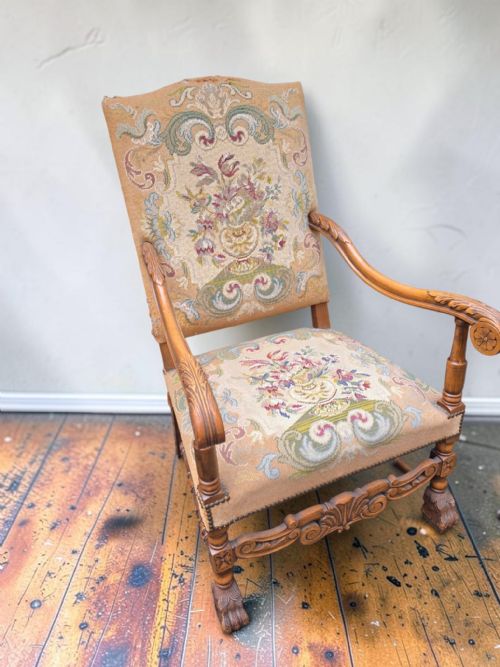
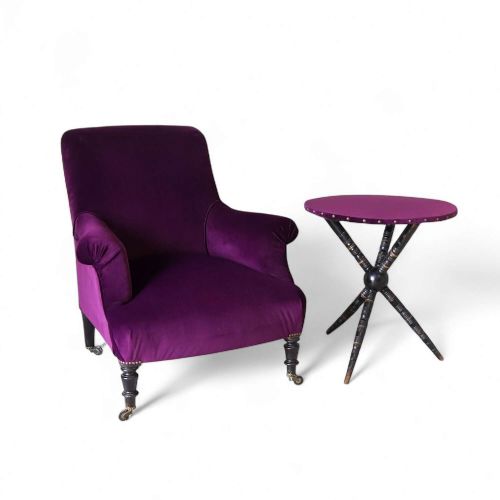
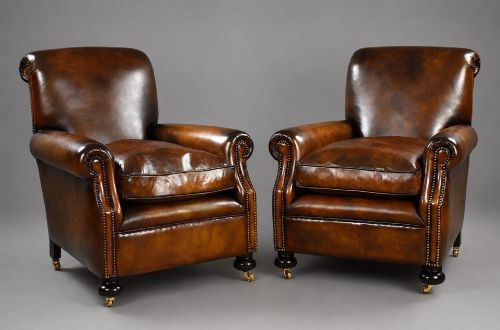
Origins remain distinctly continental, with French cabinetmakers and upholsterers providing the framework. Pieces range from walnut and mahogany frames to painted or ebonised timber structures, upholstered in velvet, leather, calico, or tapestry.
What varies in quality
The integrity of the wooden frame dictates longevity, with carved walnut and mahogany structures demonstrating superior craftsmanship compared to simpler beech alternatives. Original proportions and the crispness of applied carving distinguish standard examples from finer workshops.
French Fireside Chairs Retail Price Guide 2026
Typical asking prices for french fireside chairs among the pieces listed under this phrase on Sellingantiques today, from the lower quarter to the upper quarter. They describe what is for sale here now, not the wider market.
Some nineteenth-century chairs come paired with matching stools or gypsy tables, proving that Victorian sitting rooms enjoyed a coordinated approach to lounging.
The French Fireside Chairs Glossary
- Bergère
- An enclosed upholstered armchair with wooden framing around the sides and back. These seats typically feature stuffed upholstery and a cane or upholstered back panel.
- Slipper chair
- A low-seated upholstered chair originally designed for bedrooms to assist with putting on footwear. They lack arms and sit close to the floor.
- Napoleon III style
- A nineteenth-century French design movement drawing inspiration from historical revivals, noted for buttoned upholstery and opulent textiles. It reflects the eclectic taste of the Second Empire.
- Louis XV style
- A rococo revival design characterised by asymmetrical curved lines, cabriole legs, and floral carvings. Frames of this type curve gracefully without harsh angles.
- Louis XVI style
- A neoclassical design style defined by straight vertical lines, fluted columns, and symmetrical geometric forms. It marks a return to classical restraint after rococo exuberance.
French Fireside Chairs: Frequently Asked Questions
What defines a French fireside chair?
These chairs are generally lower to the ground than standard dining or desk seating, placing the occupant closer to the warmth of a hearth. They feature substantial upholstery designed for prolonged periods of sitting.
Most examples date from the nineteenth century or early decades of the twentieth century, displaying stylistic traits from Napoleon III to Louis XV and Art Deco periods.
How do I identify a bergère armchair?
A bergère is distinguished by its enclosed wooden frame, which frames the upholstered sides and back. The wood is often exposed and polished walnut, mahogany, or beech.
Unlike standard armchairs, the space between the armrest and seat is filled with upholstery or cane work rather than left open.
What materials were used for the frames?
Cabinetmakers utilised a range of timbers including walnut, mahogany, oak, beech, and goncalo alves. Some frames feature painted or ebonised surfaces.
Brass hardware and decorative mounts occasionally appear on specific nineteenth-century pieces, complementing the exposed wood of the structure.
Are these chairs suitable for modern living rooms?
Their compact scale and low profile make them adaptable seating options for various room layouts, fitting well beside modern sofas or fireplaces. They bring historical texture through materials like velvet, leather, and traditional carved wood.
Many listings include pieces that have been recently upholstered or prepared for new fabric, allowing them to integrate into contemporary colour schemes.