


French Lidded Urns
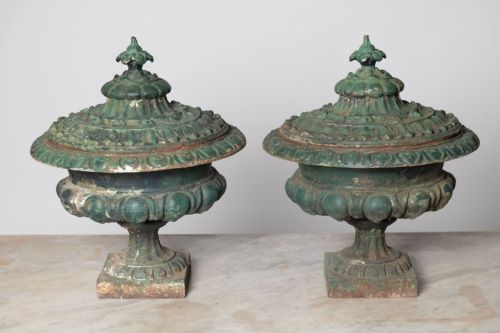
French lidded urns combine grand decorative presence with classical form, offering an impressive centrepiece for a mantelpiece or side table.
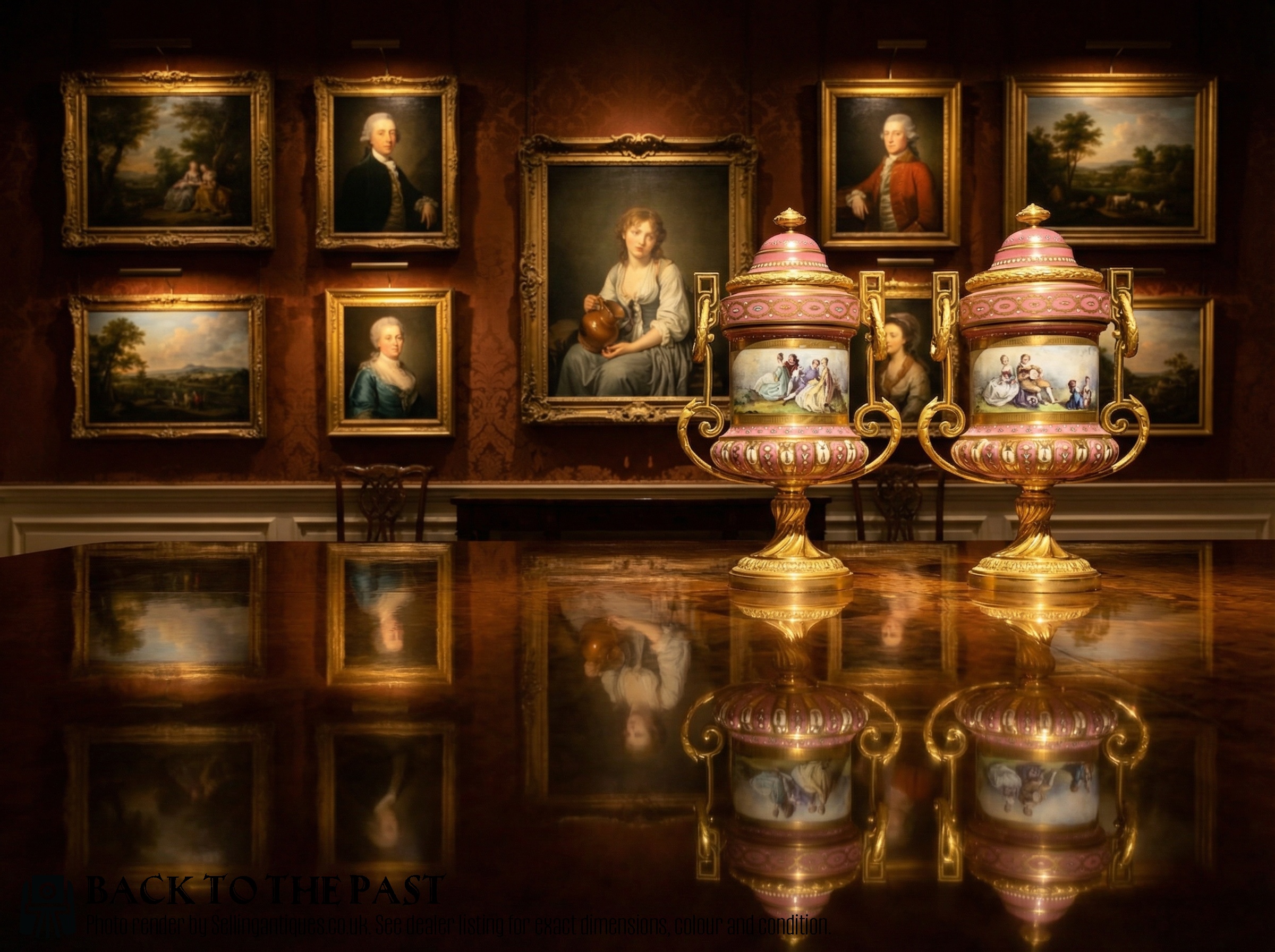
French Lidded Urns
When you search for french lidded urns, you encounter ornamental vessels designed primarily for visual display rather than utility. These pieces range from monumental pairs placed on pedestals to smaller cabinet specimens, appearing frequently in nineteenth-century interpretations of historical styles.
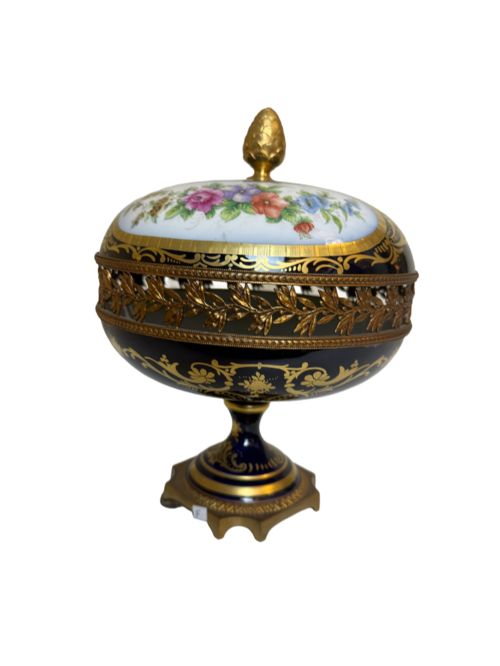
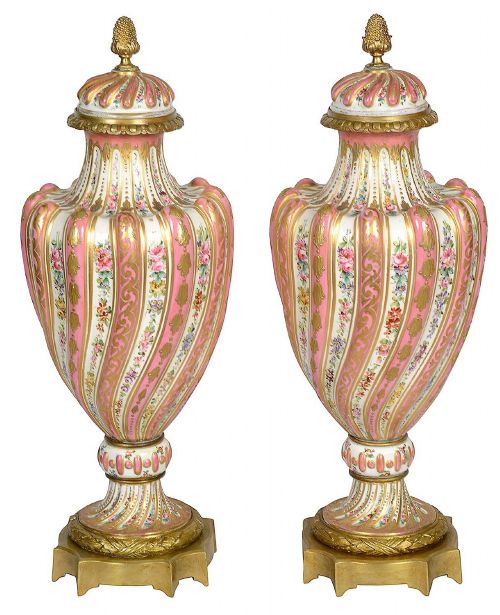
The selection on this page relies heavily on nineteenth-century craftsmanship, with porcelain and ormolu mounts dominating the forms. Many pieces draw directly on earlier court aesthetics, particularly Rococo revival themes and Sèvres style porcelain productions.
Vessels take various designations across listings, including decorative urns, vases with covers, and cassolettes. Pairs intended for symmetrical placement on mantelpieces or console tables represent a significant portion of the available specimens.
How they were made
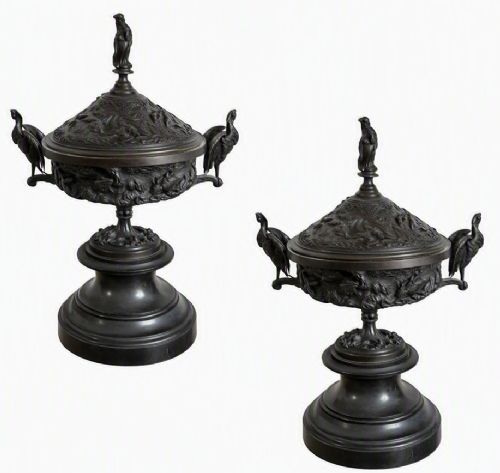
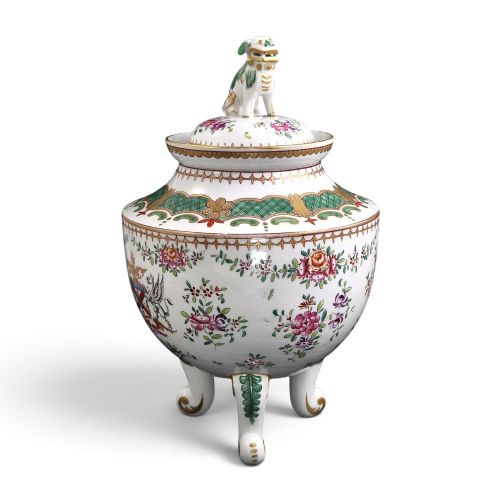
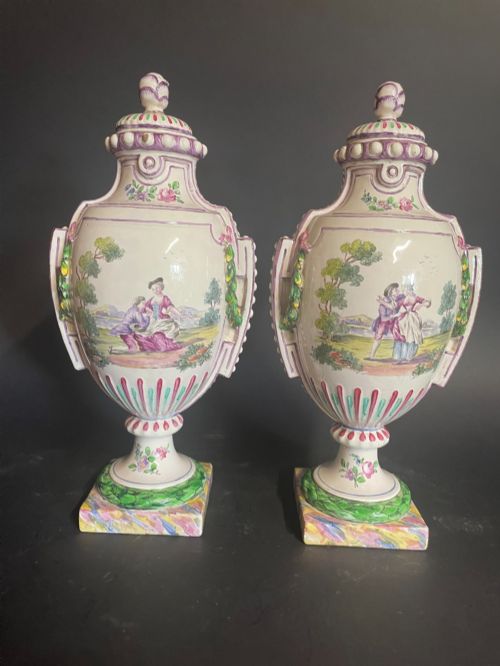
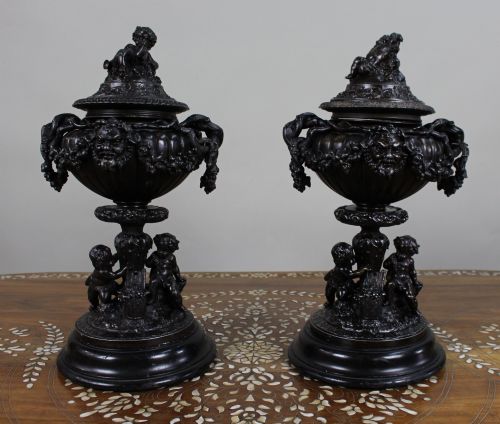
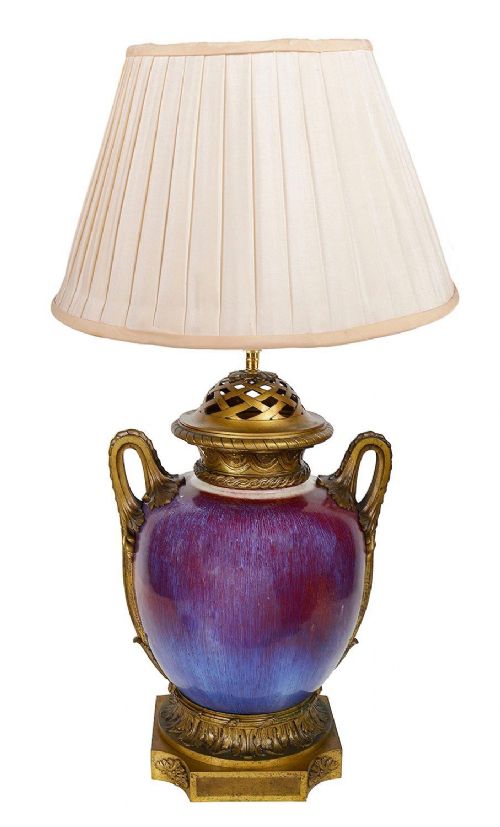
Makers utilised porcelain bodies decorated with hand-painted scenes or monochrome glazes, frequently pairing the ceramic elements with cast ormolu, gilt bronze, and gilt metal mounts. Bronze and spelter casting methods allowed workshops to produce intricate handles, cherub finials, and decorative masks with high definition.
Faience and tin-glazed earthenware appear alongside hard-paste porcelain, demonstrating varied ceramic traditions across different French production centres. Metal components underwent careful chasing and gilding using gold leaf or fire gilding techniques to achieve a bright, durable surface.
Look closely at the lids to spot tiny bronze cherubs, birds, and floral finials keeping permanent watch over the porcelain vessels.
What varies in quality
The hand-painting on the ceramic bodies creates another clear distinction across the range. Finer pieces display controlled brushwork, rich enamel saturation, and carefully integrated gilding that complements the surrounding metalwork rather than competing with it.
Jules Moigniez·Samson Paris·Auguste Cain
The French Lidded Urns Glossary
- Ormolu
- Gilt bronze mounted on decorative objects, created by applying a mercury-gilt finish to cast bronze. This technique produced a rich golden lustre popular in French decorative arts.
- Cassolette
- A dual-purpose vessel functioning as a vase or a burner, featuring a reversible lid that exposes an inner aperture for perfumes or potpourri. These pieces often incorporate marble and bronze elements.
- Faience
- Tin-glazed earthenware produced in various European ceramic centres. It provides an opaque white background suitable for hand-painted decoration.
- Champlevé
- An enamelling technique where troughs are dug into a metal surface and filled with vitreous enamel before firing. The resulting design sits flush with the surrounding metal borders.
French Lidded Urns: Frequently Asked Questions
What is the difference between an urn and a vase?
Urns typically feature a footed base, a distinct body, and a fitted lid, often following classical architectural proportions derived from antiquity. Vases can share similar silhouettes but frequently lack the specific lidded configuration associated with urn forms.
In nineteenth-century manufacturing, makers often used the terms interchangeably for decorative mantel pieces. The presence of handles and a secure cover usually defines the lidded urn category on this page.
Where were these urns originally displayed?
In nineteenth-century interiors, these pieces served as focal points on drawing room mantelpieces, often flanked by matching candelabra or clock garnitures. Wealthy households placed monumental pairs on console tables or pedestals within formal reception rooms.
Today, they function well in traditional living spaces or entrance halls where their scale and gilding can catch ambient light. Placing them securely on stable furniture ensures safe daily enjoyment.
Are the lids original to the urns?
Matching the lid to the body involves inspecting the ceramic paste, glaze colour, and wear patterns around the rim. Original covers fit flush and share the exact manufacturing characteristics of the lower vessel.
Because lids are fragile, replacements or restorations do occur among nineteenth-century ceramics. Inspecting the interior seating area provides clues regarding the alignment and age of the cover.