

French Ladies Desk
When you search for a french ladies desk, you enter a world of elegant diminutive writing furniture designed for private correspondence in the nineteenth century.
French Ladies Desk
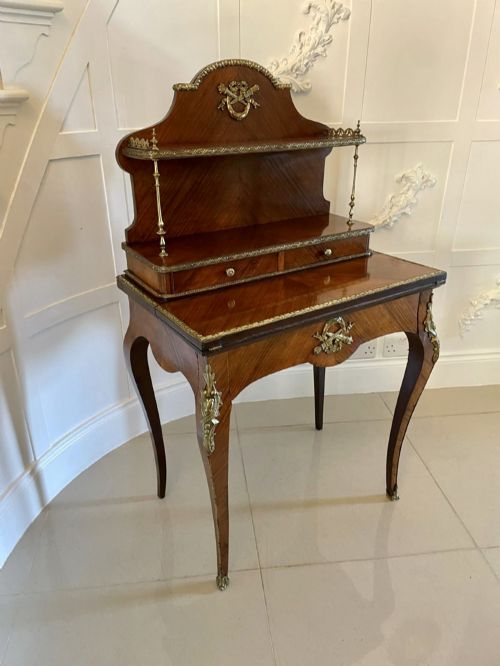
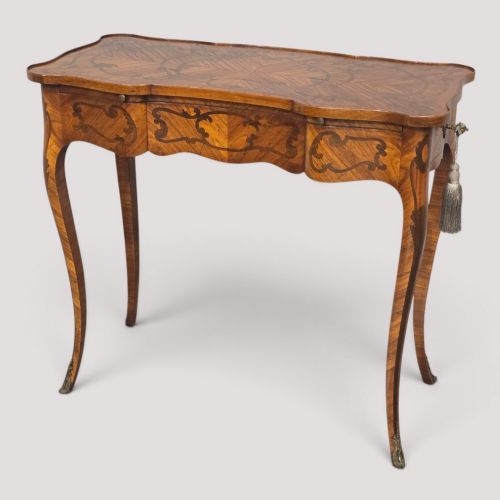
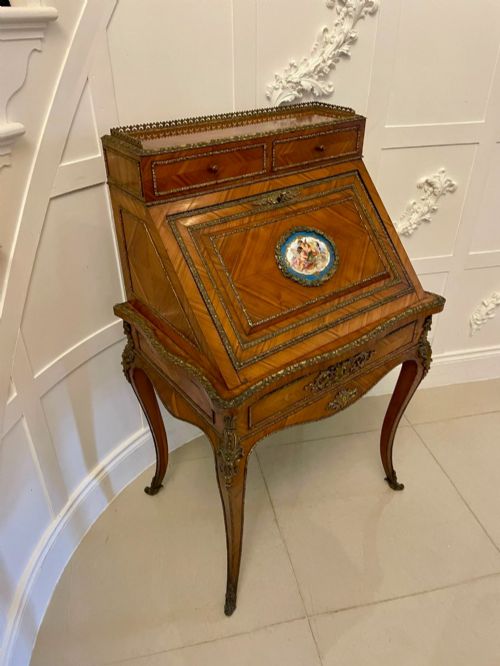
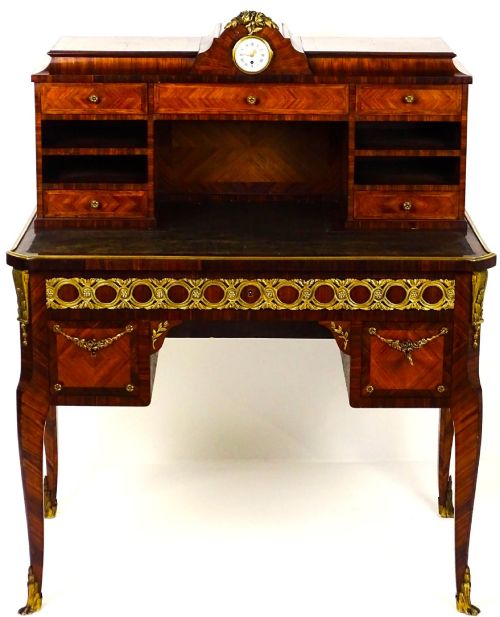
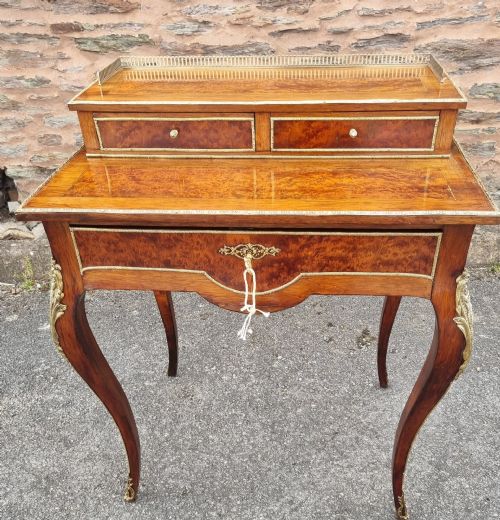
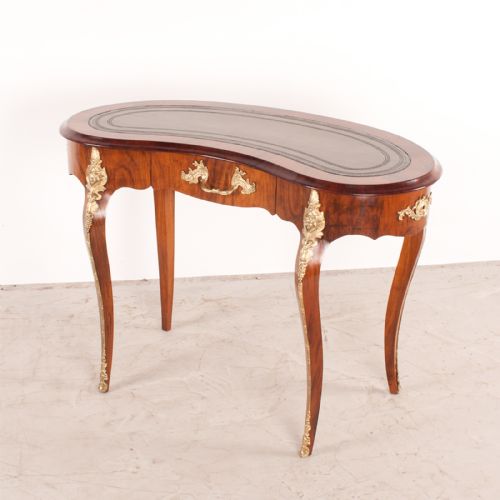
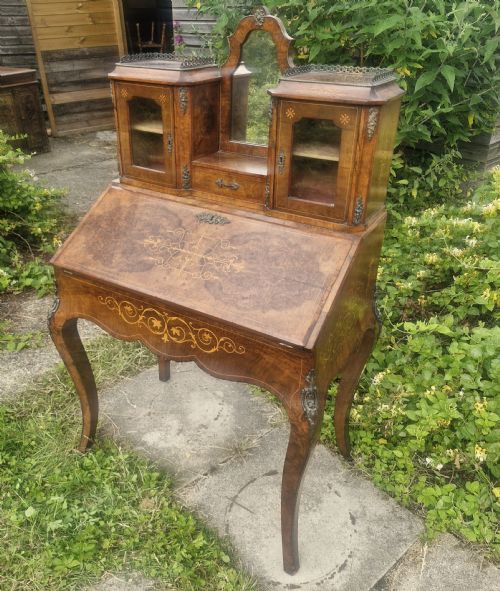
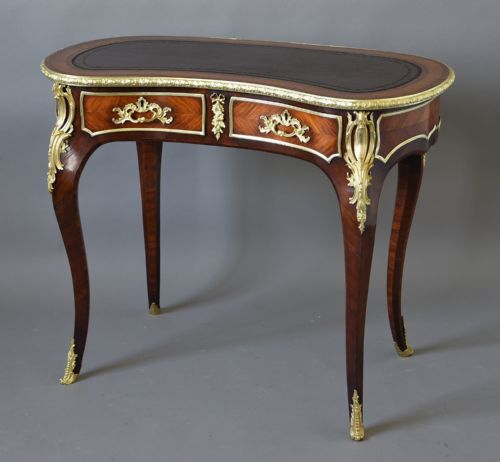
A french ladies desk encompasses various compact writing forms originating in continental workshops, most notably the bonheur du jour, the bureau de dame, and kidney-shaped writing tables. These pieces typically date from the nineteenth century, spanning periods of revival styles such as Louis XV and Napoleon III.
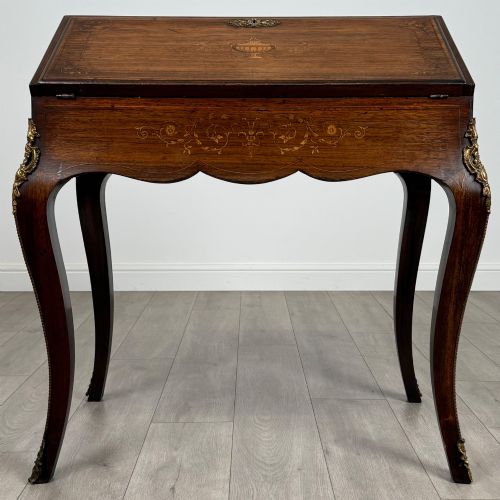
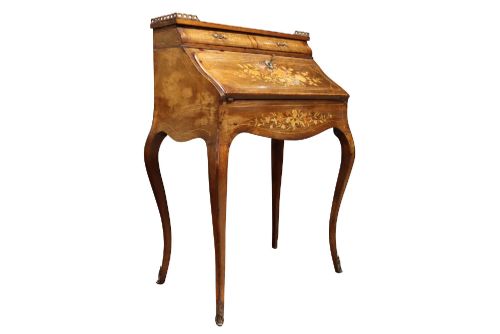
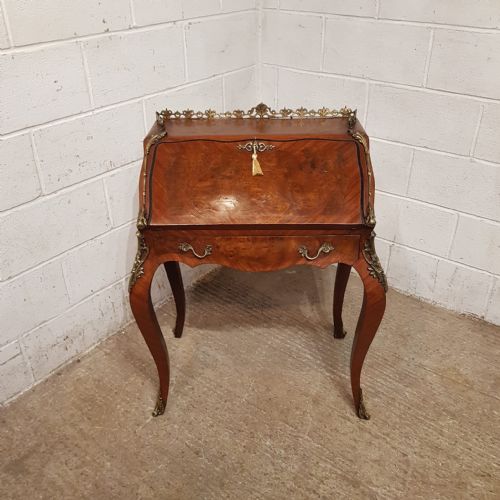
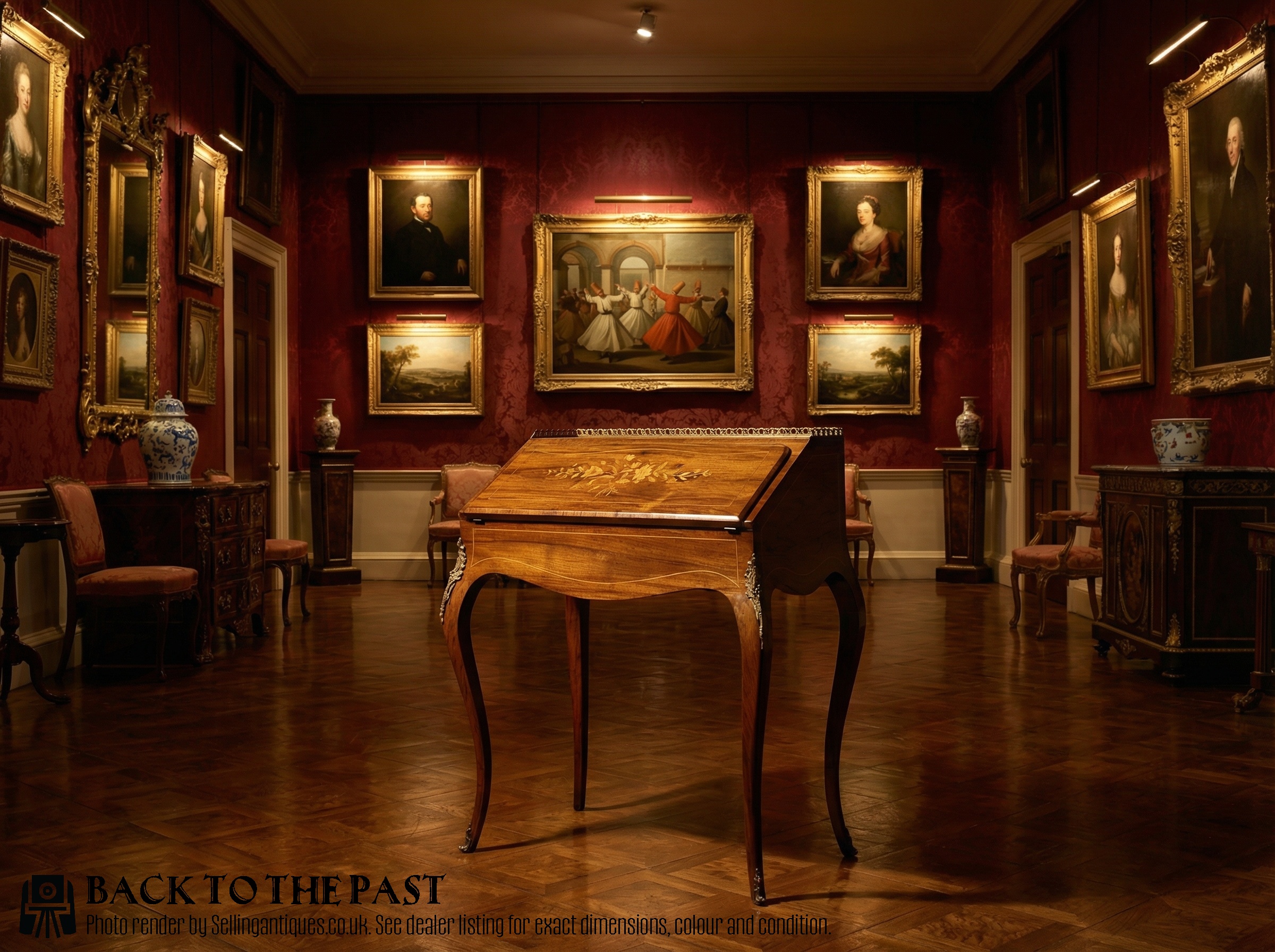
The bonheur du jour dominates selections, offering a small writing surface paired with a superstructure of tiered shelves, cupboards, or pigeonholes. Bureau de dame variants introduce sloping lids or cylinder fronts to conceal private correspondence, while kidney-shaped writing tables provide open surfaces supported by slender legs.
Materials and Construction Techniques
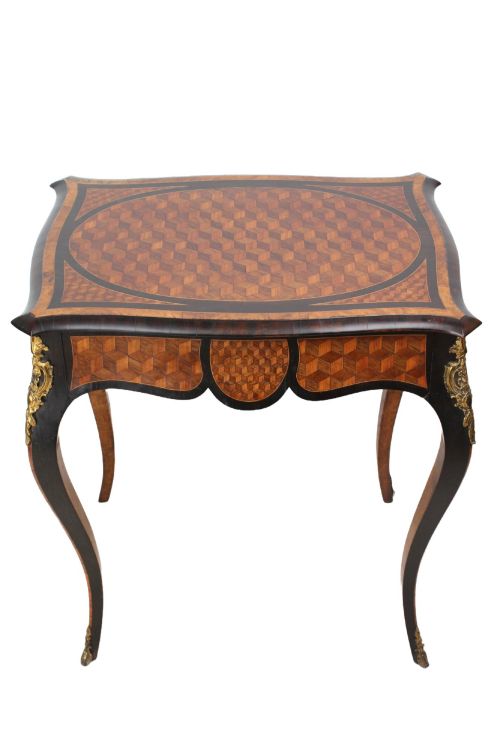
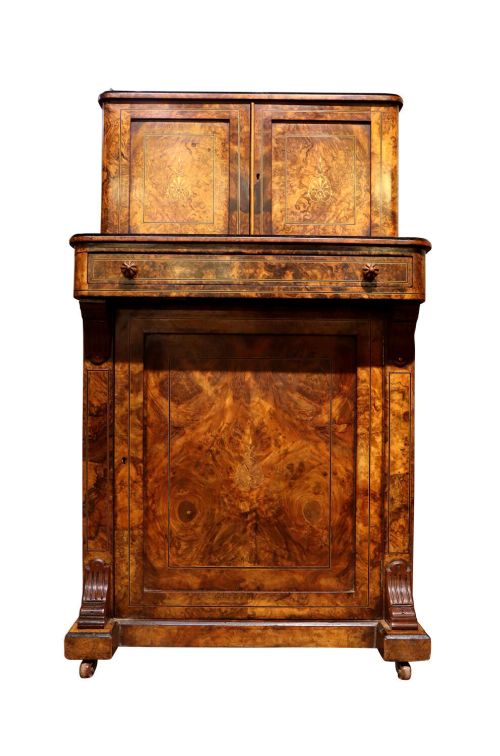
Cabinetmakers utilised exotic timbers such as kingwood, rosewood, walnut, and amboyna, frequently displaying intricate marquetry and parquetry geometric patterns. Satinwood, mahogany, and tulipwood also appear across various revival pieces.
Gilded bronze or ormolu mounts punctuate corners, framing edges and highlighting structural contours. Many examples incorporate decorative elements like Sevres porcelain plaques and painted Vernis Martin panels.
Surfaces frequently feature inset leather writing panels bordered by delicate gilt tooling. Secret drawers, hidden compartments, and interior mirrors often conceal themselves within the upper superstructures of bureau de dame cabinets.
French Ladies Desk Retail Price Guide 2026
Typical asking prices for french ladies desk among the pieces listed under this phrase on Sellingantiques today, from the lower quarter to the upper quarter. They describe what is for sale here now, not the wider market.
The selection includes kidney-shaped writing tables, cylinder desks, and marquetry-inlaid bonheur du jour cabinets.
Indicators of Quality
The refinement of the ormolu mounts separates standard production pieces from exceptional works, with hand-chiseled detailing indicating superior craftsmanship. The precision of the marquetry and the choice of dense, highly figured wood veneers further distinguish high-grade furniture.
Makers known for supplying high-status Parisian clients implemented rigorous joinery methods, ensuring stability despite delicate proportions. The integration of luxury elements such as porcelain plaques or hand-painted panels elevates the sophistication of individual pieces.
JAS Shoolbred·Paul Sormani·Georges Van Der Straeten
The French Ladies Desk Glossary
- Bonheur du jour
- A small ladies writing desk featuring an upper tier of shelves, drawers, or a cabinet. This popular nineteenth-century form translates literally to happiness of the day.
- Bureau de dame
- A ladies writing cabinet or desk, often fitted with a sloping fall-front or cylinder lid. It typically incorporates internal compartments for stationery and letters.
- Ormolu
- Gilded bronze used for decorative mounts and accents on furniture. The technique involves applying a gold amalgam to bronze before firing.
- Marquetry
- The art of applying pieces of veneer to a structure to form decorative patterns and pictorial designs. Cabinetmakers used contrasting timbers to create depth and shade.
- Parquetry
- A geometric mosaic of wood pieces used for surface decoration on tables and desks. It creates structured patterns like cubes, chequers, or triangular arrays.
French Ladies Desk: Frequently Asked Questions
What is a bonheur du jour?
A bonheur du jour is a small, light writing desk featuring a raised cabinet or shelf structure on top. It emerged in France during the eighteenth century and remained popular through Victorian revival periods.
These pieces were intended for a lady's private parlour or bedroom for writing letters and reading. The upper section typically holds small drawers, pigeonholes, or a central cupboard.
How do I identify a bureau de dame?
A bureau de dame is a feminine writing desk characterised by a sloping fall-front or a cylinder top. When opened, it reveals a writing surface and small interior compartments.
Many examples date from the nineteenth century and incorporate decorative veneers like kingwood or walnut. They often feature ormolu mounts and delicate cabriole legs.
What woods were used on these desks?
Cabinetmakers employed exotic hardwoods including kingwood, rosewood, walnut, amboyna, and tulipwood. These timbers were selected for their rich grain patterns and natural colour variations.
Veneers were frequently arranged in intricate marquetry or parquetry patterns across the writing surface and drawer fronts. Satinwood and mahogany also appear in specific regional or period pieces.
Where were these desks used?
These desks were designed for domestic private spaces such as boudoirs, drawing rooms, and personal libraries. Their compact proportions allowed them to fit into residential rooms without dominating the floor space.
Unlike large partners desks intended for offices, these were personal items for correspondence, keeping journals, and storing intimate papers.