


French Glazed Light
When you search for french glazed light, you find illuminating pieces combining glass panels with metal or ceramic bodies.
French Glazed Light
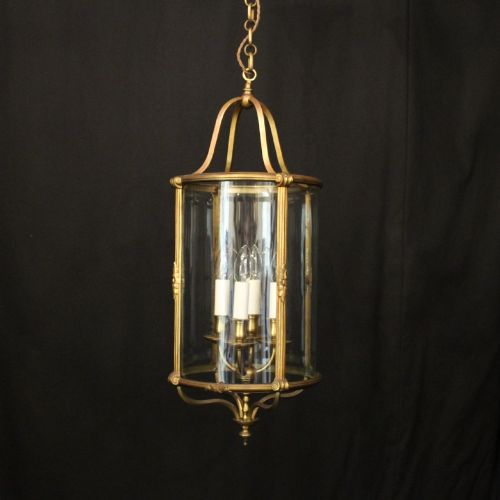
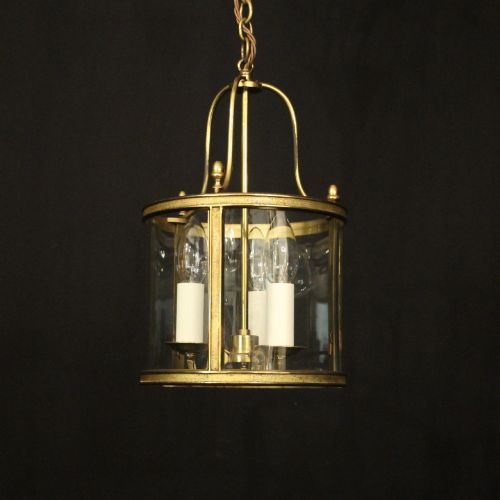
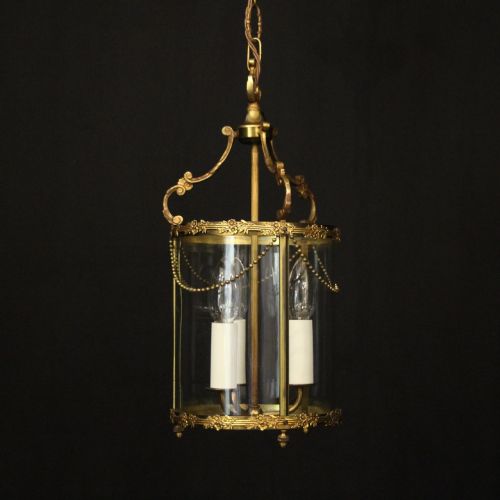
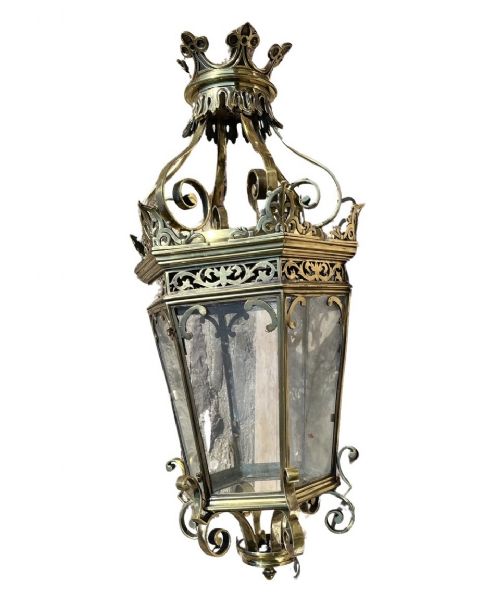
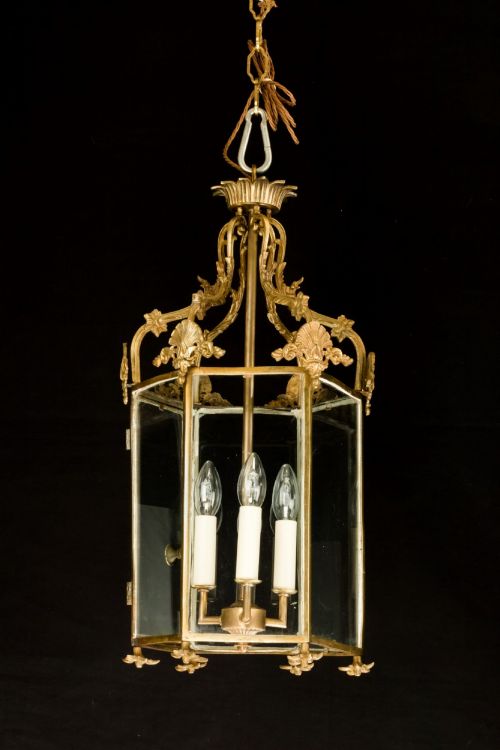
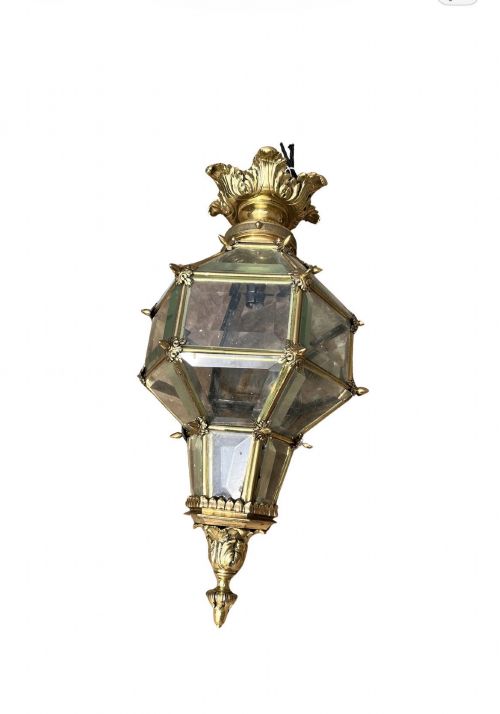
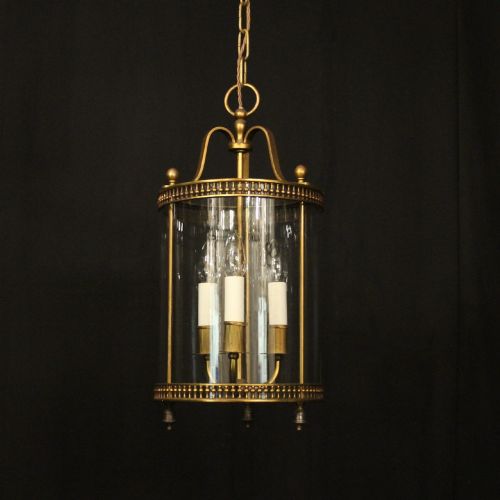
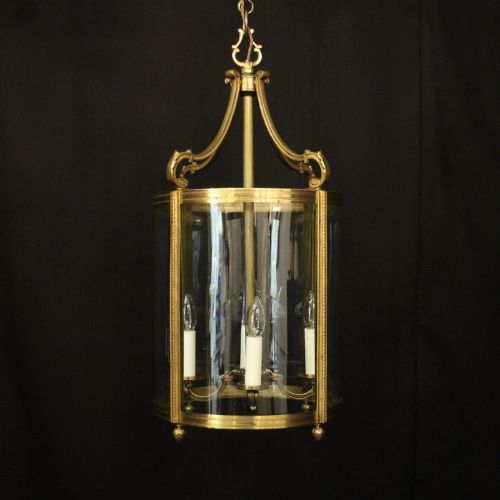
A french glazed light encompasses hanging lanterns, hall fixtures, and ceramic table lamps produced across the nineteenth and twentieth centuries. These fixtures combine translucent or bevelled glass with metallic frames, often drawing on styles such as Neo-Classical, Empire, and Art Deco. Buyers seeking these items look for functional illumination housed in decorative metalwork or glazed ceramic bodies.
Origins trace back to French ateliers and stylistic traditions, incorporating details from Rococo, Gothic Revival, and Arts and Crafts movements. The variety spans diminutive single-light brackets to substantial multi-bulb hall lanterns designed for prominent entryways. Through these forms, the category bridges structural ironwork and ornamental finishing.
How they were made
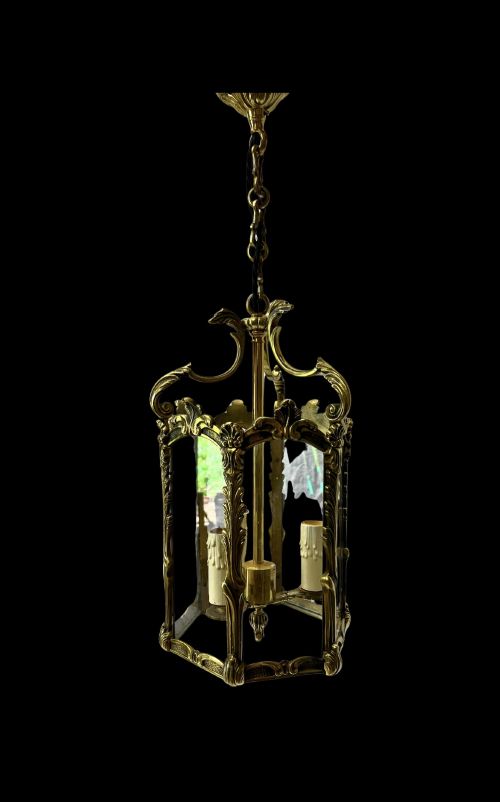
Makers constructed these lanterns and lamps using structural metals including brass, bronze, steel, and wrought iron to form the load-bearing frames. Glass panels, frequently bevelled or flat, were fitted into these metal armatures to enclose the light source. Ormolu and gilt bronze accents provided ornamental detailing across the metalwork.
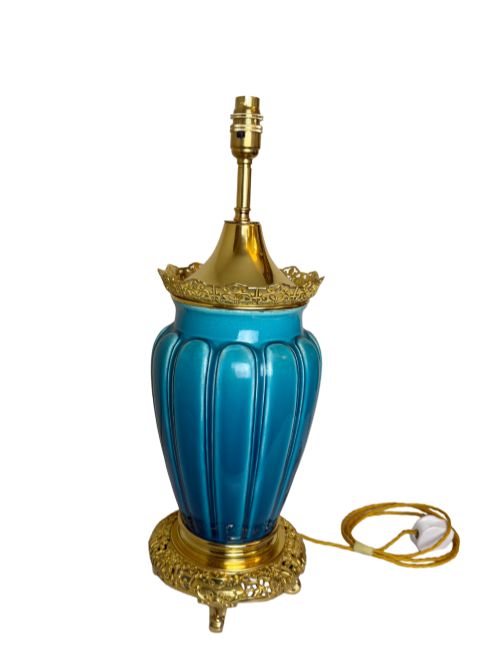
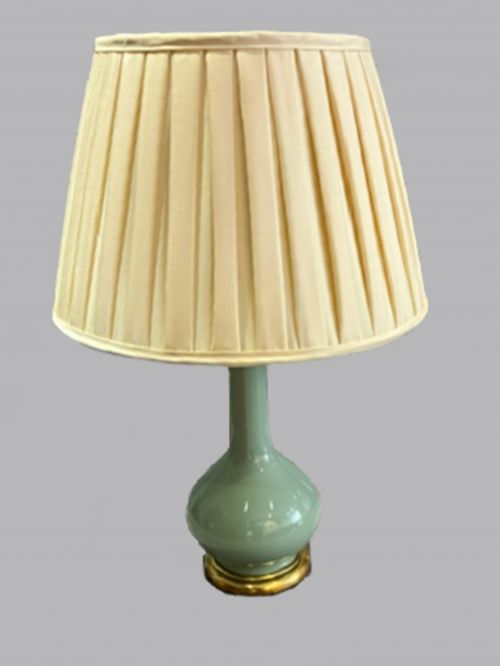
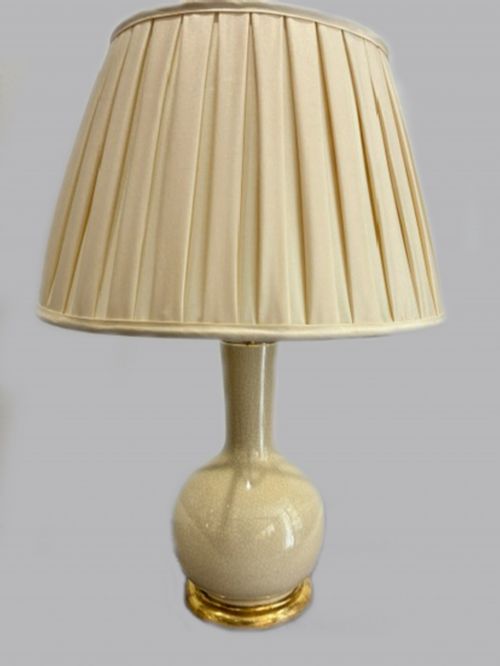
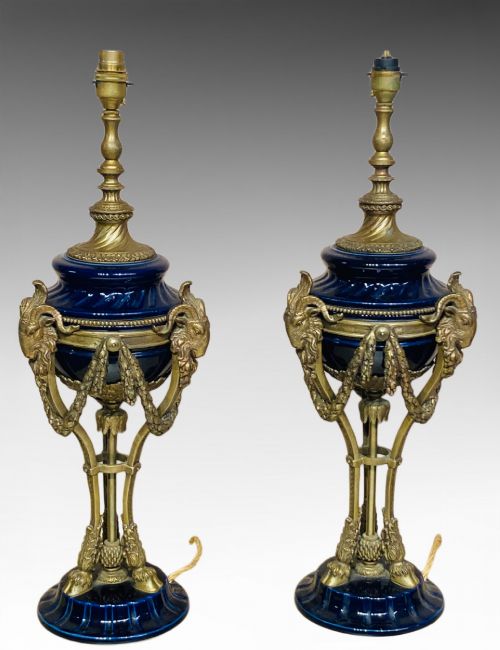
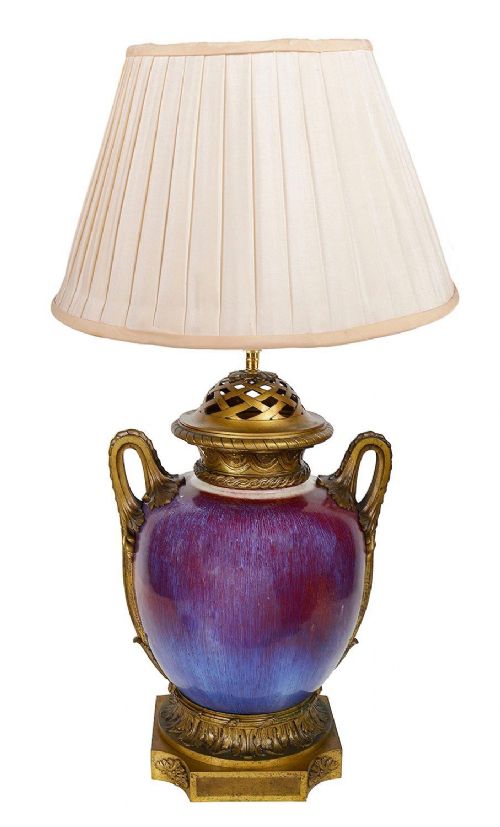
Ceramic and porcelain bodies for table lamps utilised fired clay with specialised glazes, including crackle ware, turquoise, celadon, and sang de boeuf finishes. These ceramic elements were frequently mounted with gilt bronze or brass trim to secure electrical fittings or candle holders. Metal components relied on casting, soldering, and riveting to achieve rigid geometric and curved shapes.
Elephant tamer perfume lamps bring an exotic narrative to the dressing table.
What varies in quality
Quality separates objects by the crispness of the metal casting and the precision of the glass bevelling within the frame. Heavier gauges of bronze and brass provide greater structural integrity compared to lighter sheet steel or thin stampings. Finer pieces demonstrate meticulous hand-chiselling on gilt surfaces and tight joinery around glazed panels.
In ceramic table lamps, the depth and consistency of the glaze determine the visual merit of the piece. Superior examples exhibit unblemished porcelain bodies paired with substantial ormolu mounts rather than plated substitutes. The integration of structural hardware with decorative elements dictates the overall execution of the fixture.
Argilor Paris
The French Glazed Light Glossary
- Ormolu
- Gilded bronze mounts applied to furniture, ceramics, and lighting fixtures. This technique involves coating a bronze base with a finely ground gold-mercury amalgam.
- Bevelled glass
- Glass panes featuring an angled edge ground down along the perimeter. This treatment refracts light passing through the lantern panels.
- Sang de boeuf
- A rich red copper-based glaze found on Chinese and French-mounted ceramics. The coloration results from high-temperature reduction firing.
- Veilleuse
- A type of ceramic night light or perfume lamp popular during the Art Deco period. These objects often comprise a pierced body enclosing a small heat source.
- Hall lantern
- A ceiling-hung lighting fixture designed specifically for entryways and corridors. They typically feature glazed sides and multiple internal bulb sockets.
French Glazed Light: Frequently Asked Questions
How do I hang a heavy hall lantern?
Hanging a heavy bronze or brass lantern requires securing the mounting bracket directly into ceiling joists or solid masonry rather than relying on standard plaster anchors. The weight of glass panels and cast metal demands structural support to prevent displacement over time.
Professional electrical installation ensures the junction box and chain links safely bear the total mass of the fixture. Matching the hanging height to the scale of the entryway maintains both visual balance and physical safety.
How are antique table lamps electrified?
Many antique porcelain and ceramic vessels were originally designed for oil, gas, or candle use before receiving later electrical conversions. Modern wiring typically runs through the central core or existing apertures without altering the external ceramic body.
Qualified restorers replace frayed cords and outdated internal sockets while preserving original ormolu mounts and exterior hardware. This approach retains the historical integrity of the lamp while meeting contemporary safety standards.
How do I clean glazed metal lanterns?
Cleaning glazed metal lanterns involves dusting glass panels with a soft cloth and applying mild soap to remove surface grime. Abrasive cleaners should be avoided on gilded surfaces and patinated bronze to prevent stripping the historic finish.
Metal frames benefit from gentle wiping with dry or slightly damp cloths to preserve the natural ageing of brass and steel. Glass cleaner applied directly to a cloth rather than the fixture prevents liquid from seeping into electrical components.
What defines Art Deco lighting?
Art Deco lighting pieces emphasise streamlined geometric forms, stylized motifs, and symmetrical arrangements. Materials like steel, frosted glass, and specialised ceramics reflect the modernist shift away from ornate nineteenth-century revivals.
These fixtures often incorporate stepped silhouettes and clean architectural lines suited to urban interiors of the interwar period. The integration of utilitarian metalwork with decorative glass defines this distinct design phase.