
French Gilt Overmantel
A french gilt overmantel brings dramatic scale, reflected light and classical proportion into a room, anchoring a fireplace with period grandeur.
French Gilt Overmantel
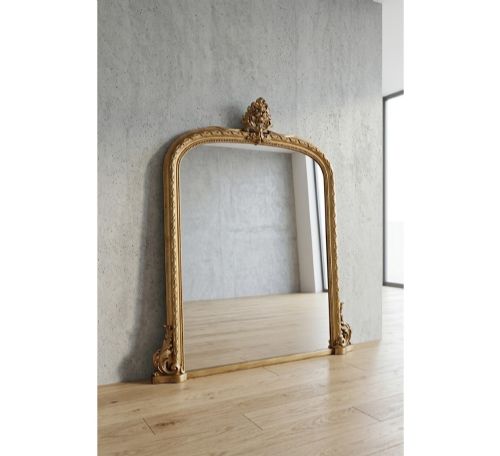
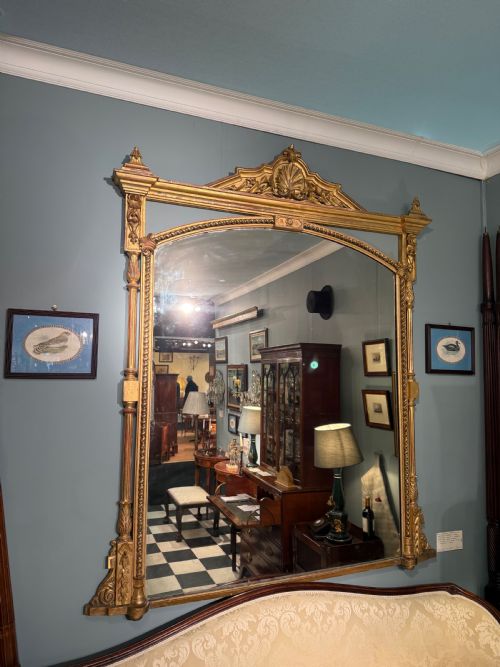
A french gilt overmantel sits above a fireplace, bringing light and presence to a room through expansive glass and decorative framing.
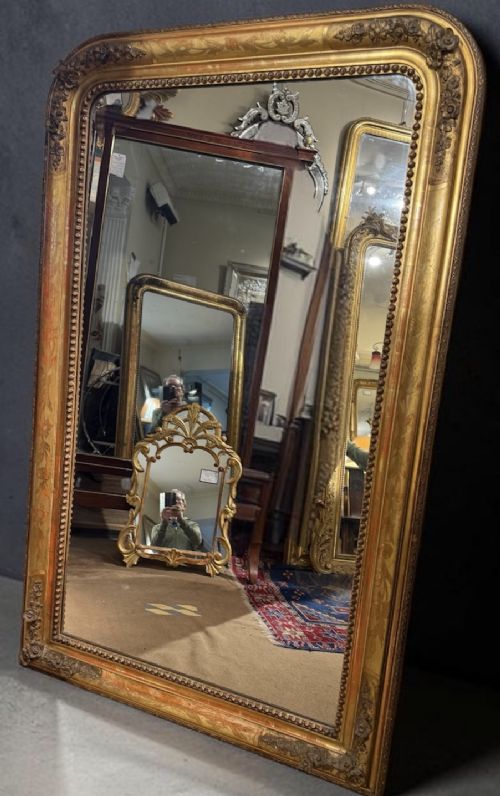
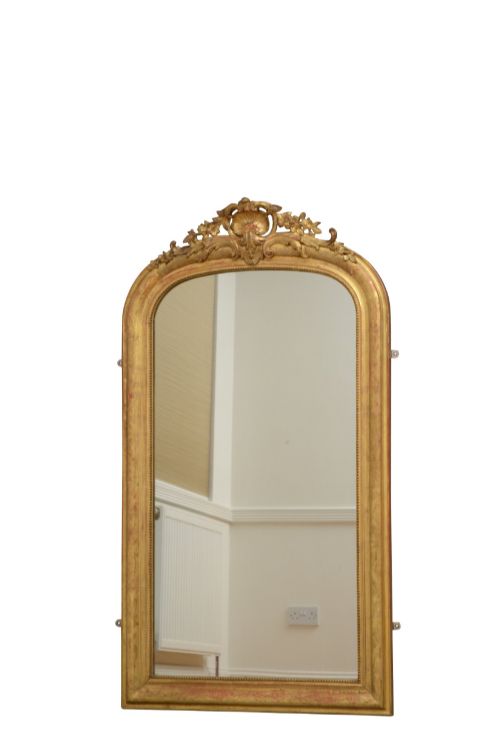
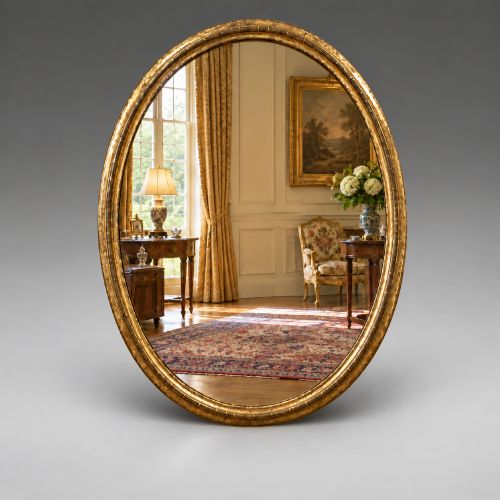
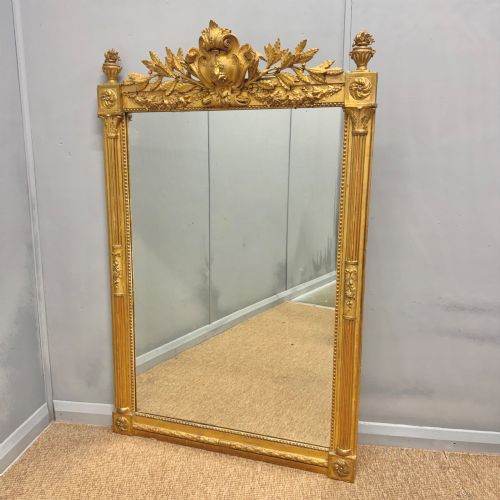
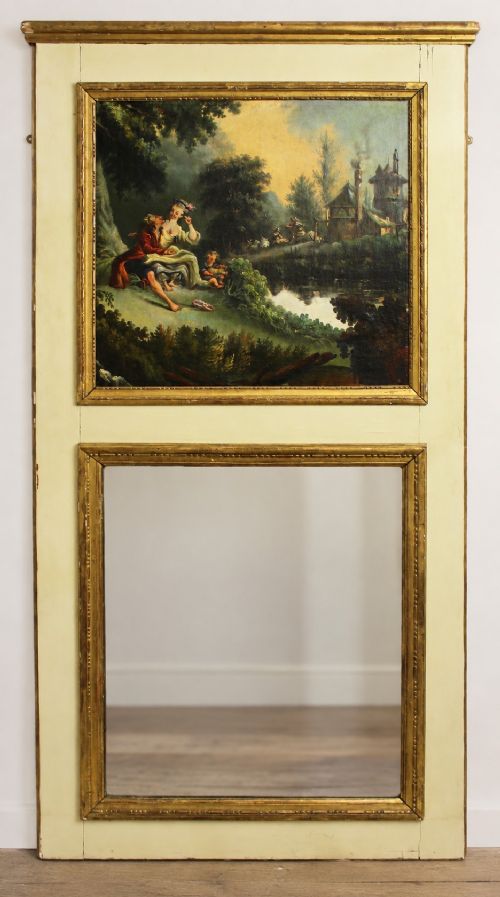
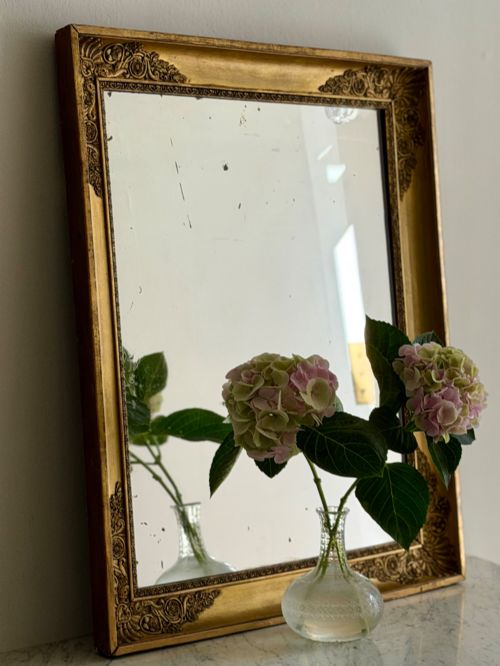
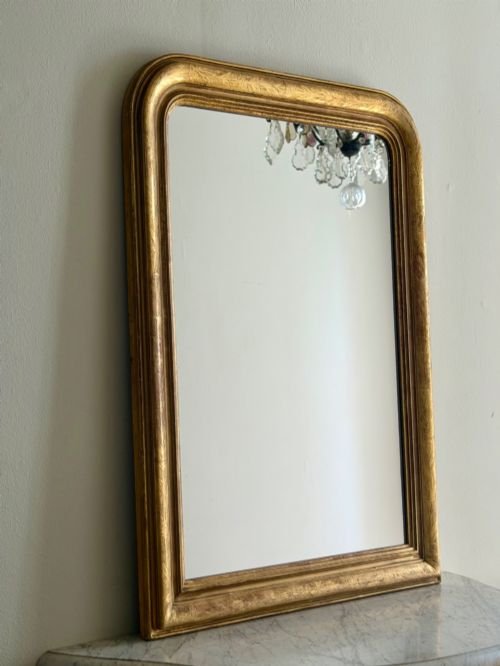
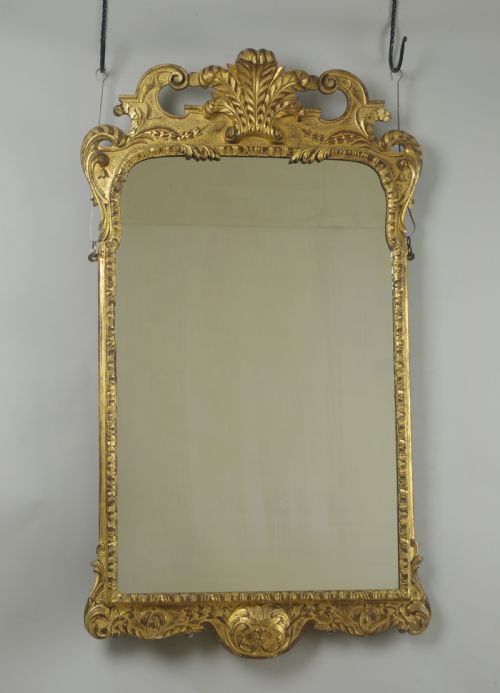
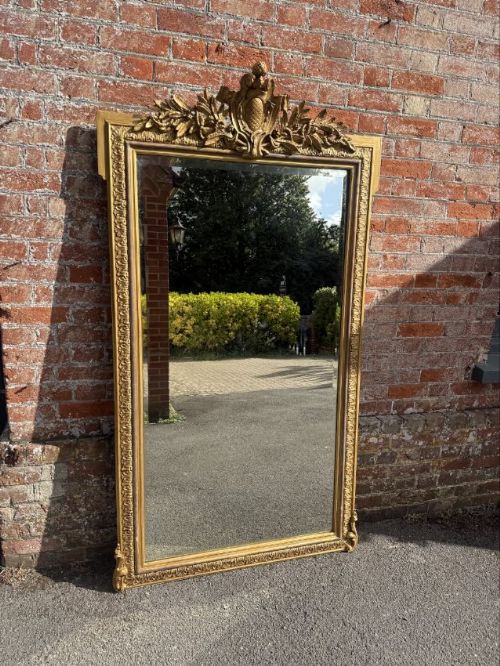
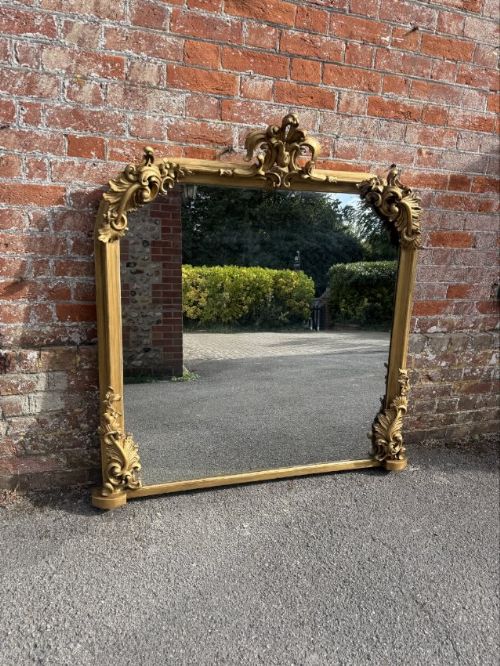
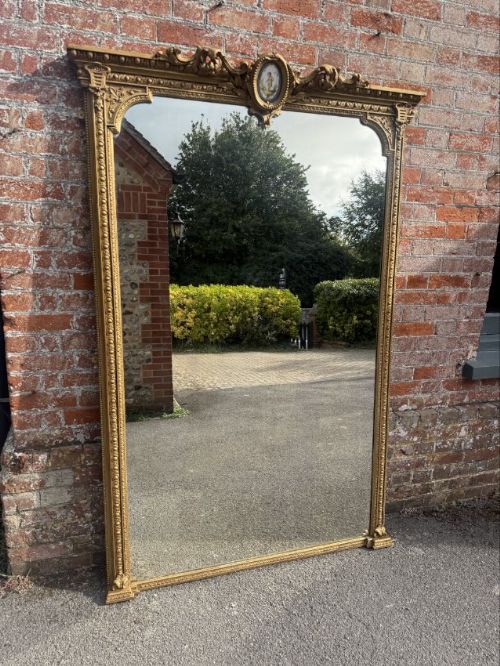
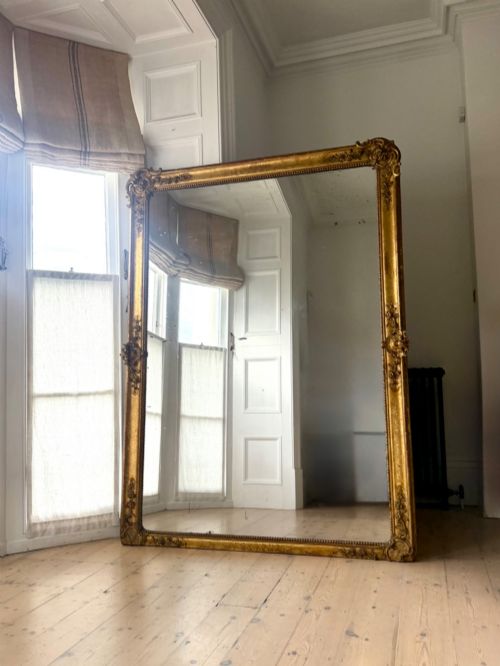
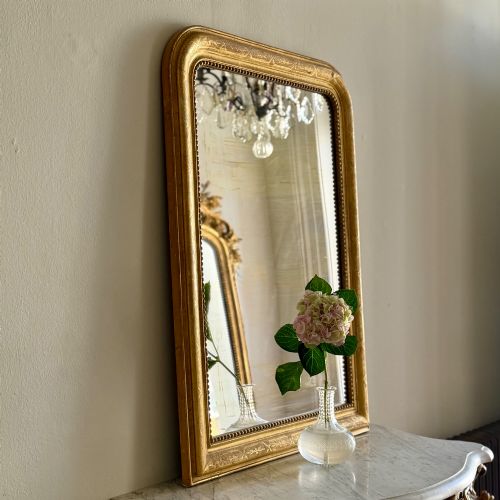
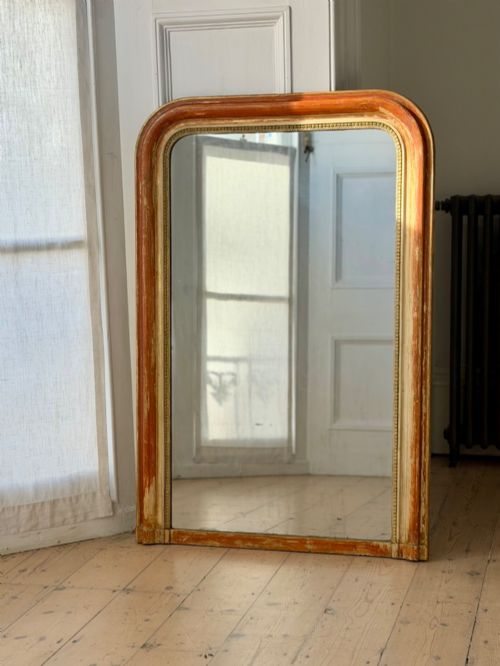
The pieces seen here range from plain nineteenth century Louis Philippe formats with rounded upper corners to ornate Rococo Revival and Neoclassical designs with elaborate crests.
Originating largely from nineteenth century France, these mirrors combine carved timber and moulded composition to create monumental architectural statements.
How They Were Made
Makers built the foundational frames using solid timber carcasses, applying applied gesso and composition ornaments to create deep, intricate relief details before gilding.
The metallic finish relies upon delicate gold leaf or gold paint applied over the prepared gesso base, often showing subtle tonal variations across the moulded surfaces.
Original mirror plates, including mercury glass versions, sit within the rebates, secured by older backboards that reflect the age of the construction.
Listings feature eighteenth and nineteenth century periods alongside Victorian and Edwardian eras, utilising materials such as gesso, giltwood and mercury glass.
What Varies in Quality
The depth and crispness of the carved wood and composition ornament dictate the visual strength of the frame, separating finely hand-modelled enrichments from softer, mass-produced castings.
Originality of the gilding and the mirror plate matters deeply, as untouched surfaces with natural foxing and original gold leaf hold far more integrity than later repainted or reglazed examples.
The French Gilt Overmantel Glossary
- Gesso
- A plaster-based mixture applied to wooden frames as a smooth base for gilding. It allows for intricate relief moulding.
- Giltwood
- Timber that has been gilded with gold leaf or metal leaf. This forms the primary lustrous surface of the frame.
- Louis Philippe
- A nineteenth century French style characterised by understated elegance, rectangular formats, and gently rounded top corners. It avoids heavy ornamentation.
- Mercury glass
- An older type of mirror plate produced by pouring a mercury amalgam behind the glass. It creates a characteristic mottled, dark foxed reflection.
- Composition
- A moulded mixture of whiting, resin, glue, and linseed oil pressed into decorative motifs. It was applied onto the wooden frame before gilding.
French Gilt Overmantel: Frequently Asked Questions
Where should I hang an overmantel mirror?
These mirrors are designed to mount directly on the chimney breast above a fireplace mantelpiece, where their generous scale reflects light across the entire space.
Alternatively, larger examples function effectively as leaner mirrors placed directly on the floor against a wall.
How do I identify a Louis Philippe mirror?
Look for a clean rectangular silhouette combined with softly rounded top corners, minimal moulding, and often a subtle beaded or channeled inner frame.
This mid nineteenth century French style values quiet proportion over excessive ornamentation.
What is foxed glass?
Foxing refers to the dark, speckled spots and aged degradation that appear within the reflective backing of older mirror plates over decades of exposure.
In period pieces, this mottled appearance is valued as evidence of genuine age rather than a fault.
Are these mirrors heavy?
Due to their solid timber frames, thick gesso layers and heavy glass plates, these large wall fixtures carry substantial weight.
Secure wall anchoring into masonry or firm structural studs is essential for safe installation.