

French Gilt Brass Candelabra
French gilt brass candelabra bring elaborate Continental illumination into a room, combining heavy cast metal with intricate nineteenth-century styling.
French Gilt Brass Candelabra
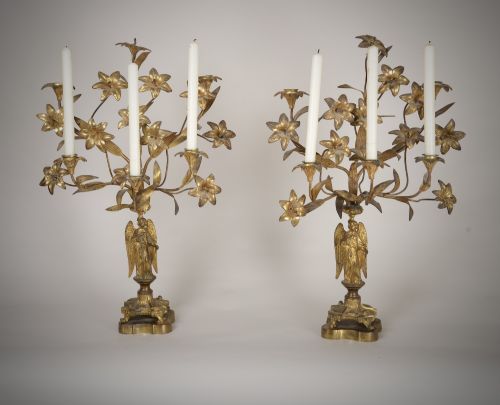
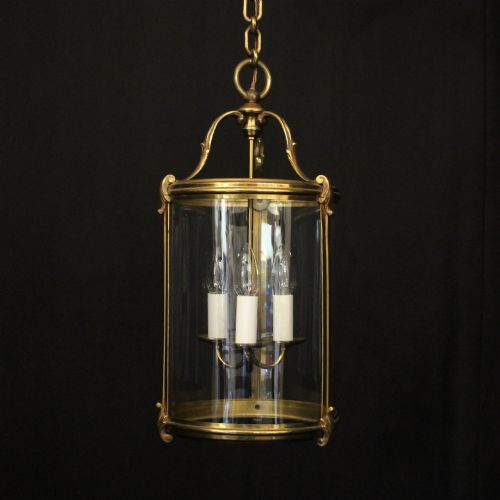
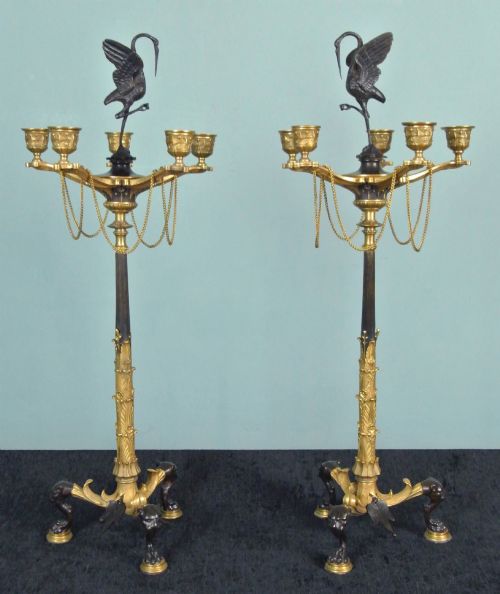
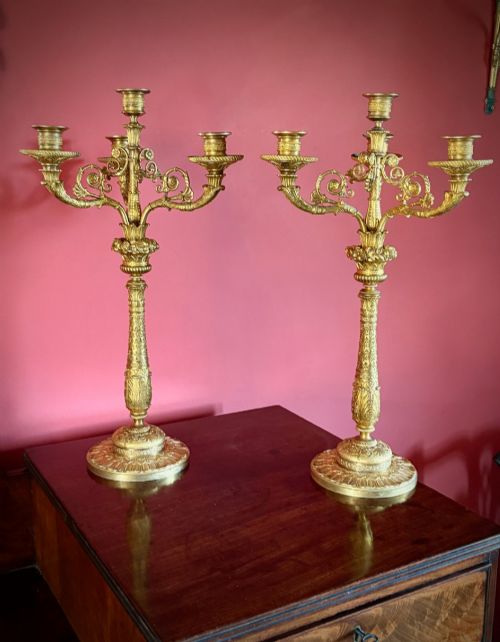
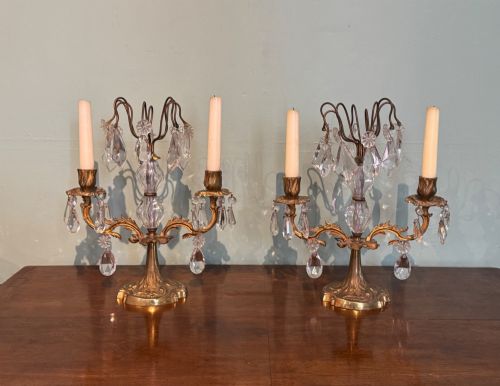
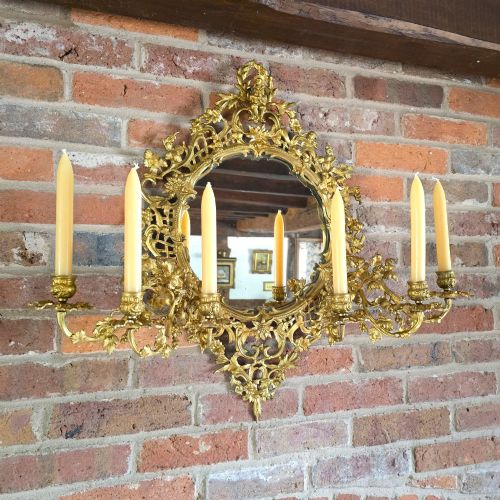
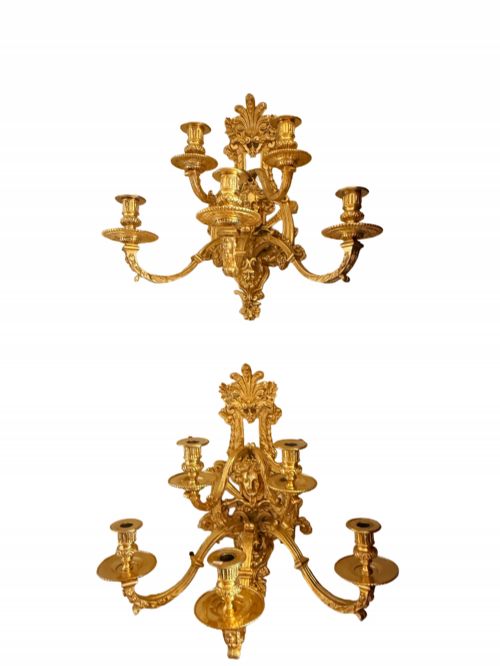
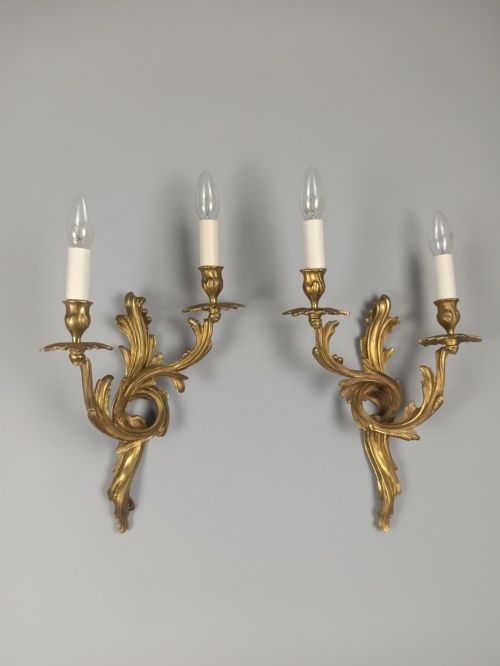
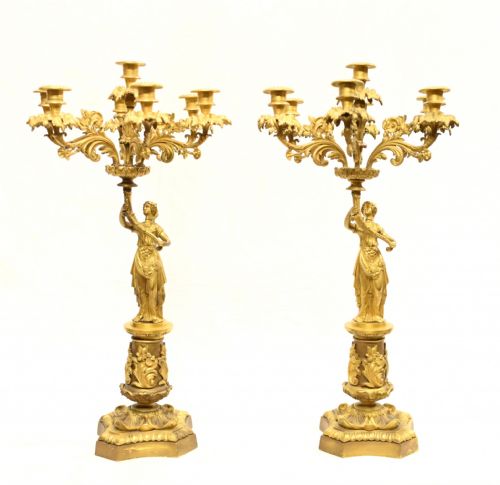
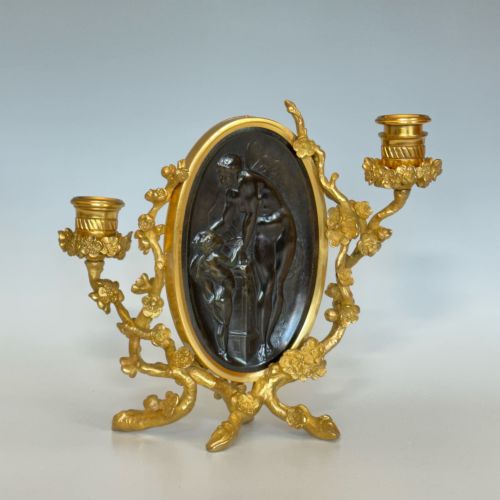
These items comprise multi-branched lighting fixtures designed to hold several candles simultaneously, appearing frequently in nineteenth-century forms. The selection includes matched pairs intended for mantelpieces, alongside single items adapted for wall mounting or table use.
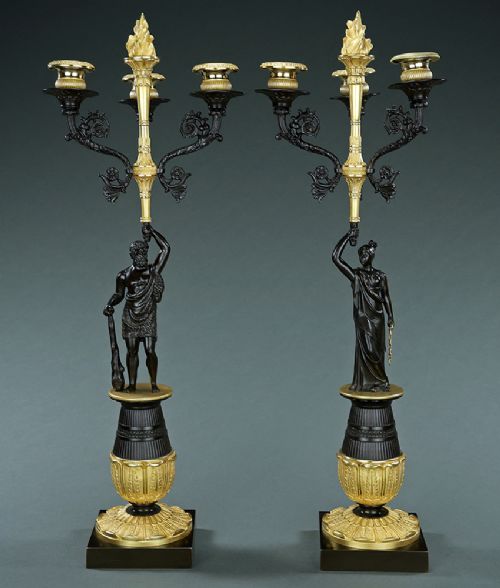
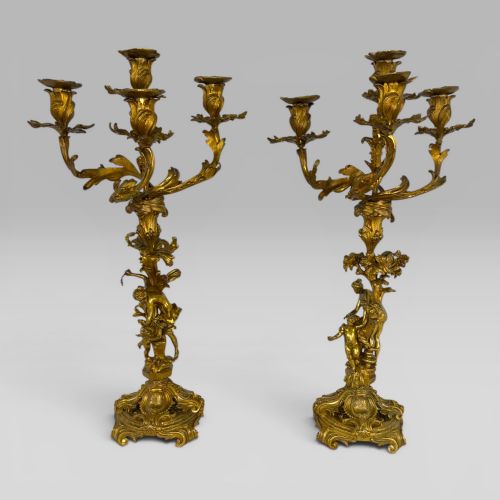
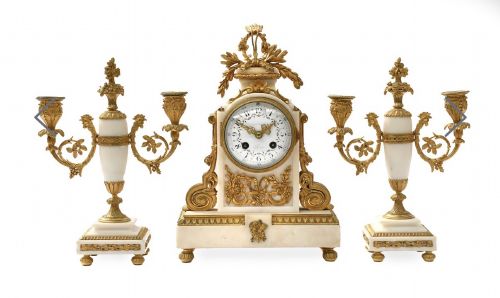
Makers shaped these pieces within distinct regional revivals, drawing heavily upon French Rococo, Empire, and Louis styles. The physical format ranges from simple triple-light candelabras to substantial garniture sets incorporating matching clocks and candelabra.
Buyers encounter items spanning the nineteenth and early twentieth centuries, with manufacture dates stretching from eighteen-sixty through the nineteen-thirties. The survival of such lighting depends on the relative sturdiness of the cast metal framework and its original gilding.
Materials and construction
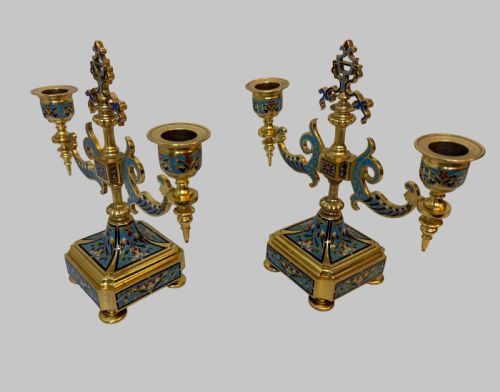
The primary construction relies on cast brass or bronze, treated with mercury gilding, ormolu, or modern electroplating to achieve a bright golden surface. Makers combined these metallic elements with contrasting materials including white marble bases, cut glass drops, and occasional champleve enamel panels.
Workshops utilised sand casting to produce heavy structural components like arms, bobeches, and central stems, which were subsequently hand-chased to sharpen ornamental details. Assembly typically involved threaded rods and nuts joining the base, main shaft, and candle holders into a secure unit.
Assessing craftsmanship
Quality rests upon the crispness of the chased decoration and the depth of the original gilding rather than sheer weight alone. Superior examples display sharply defined foliage, figures, or scrollwork that retains its metallic lustre across recessed areas.
The integration of secondary materials dictates overall refinement, distinguishing heavy marble mounts and hand-cut crystal drops from simpler stamped components. Balance and stability in the assembled branches indicate careful historical manufacturing standards.
Barbedienne·Thiebaut Freres
The French Gilt Brass Candelabra Glossary
- Ormolu
- Gilded bronze produced by applying a mercury and gold amalgam to a bronze base and heating it until the mercury vaporised. This historic technique created a durable, matte golden finish found on nineteenth-century luxury items.
- Garniture
- A coordinated set of decorative objects, usually comprising a central mantel clock flanked by matching candelabra or vases. These sets were designed to sit symmetrically upon a fireplace mantel.
- Bobeche
- A small removable disk or drip pan fitted below the candle nozzle to catch melting wax. It protected the decorative arms of the candelabra from residue.
- Champleve
- An enamelling technique where troughs or cells are hollowed out of a metal surface and filled with vitreous paste before firing. The resulting patterns sit flush with the surrounding metal borders.
- Table Lustre
- A candelabra or candle holder embellished with hanging glass prisms or crystal drops. These pendants refracted candlelight to increase illumination within nineteenth-century drawing rooms.
French Gilt Brass Candelabra: Frequently Asked Questions
Can these candelabra be converted into lamps?
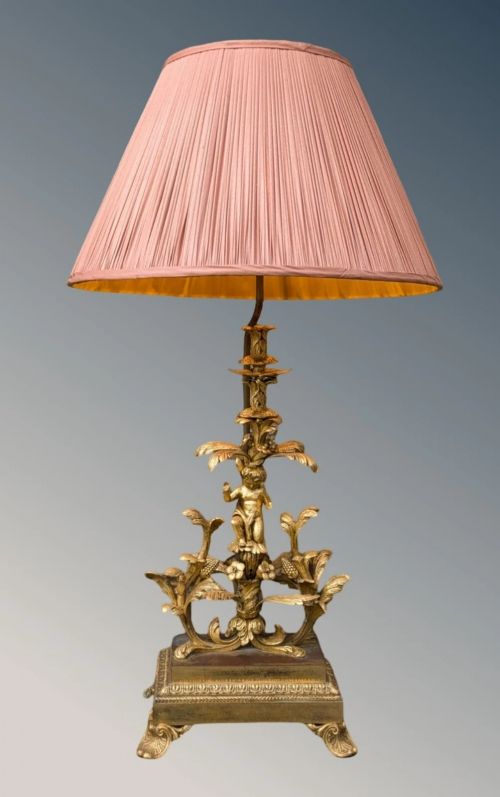
Many historic lighting pieces undergo electrical conversion to function safely in modern domestic settings. Wiring is typically threaded through the central column without altering the primary metal structure.
Buyers should inspect whether conversions are reversible if they prefer to display the items with traditional candles. Professional PAT testing ensures any electrical additions meet current safety regulations.
What is a clock garniture set?
A garniture set is an ornamental ensemble consisting of a central mantel clock accompanied by two matching side pieces, such as candelabra. These matched groupings were manufactured as cohesive decorative suites for formal rooms.
Displaying the complete set together maintains the intended architectural balance of a fireplace mantel. Individual components occasionally become separated over time, making intact sets desirable for collectors.
How do I date these metal pieces?
Dating relies on stylistic clues, casting methods, and material combinations associated with specific nineteenth-century periods. Rococo and Empire revival motifs often indicate mid-nineteenth-century manufacture, while later decades introduced different casting textures.
Base materials like white marble or coloured glass also provide chronological context. Comparing the construction techniques of the internal assembly screws helps narrow down the production era.