
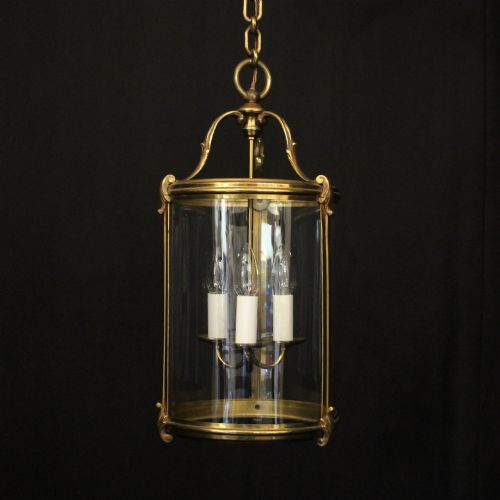
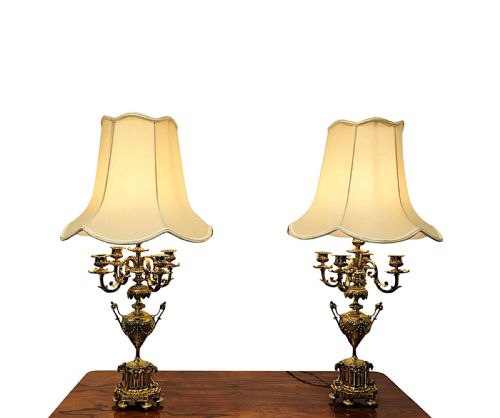
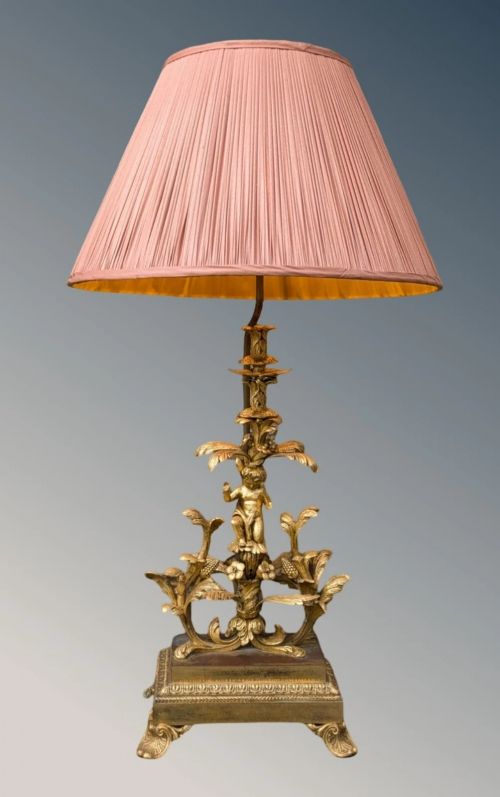


French Candelabra Lamp
A French candelabra lamp brings a distinct architectural presence to a room, combining the height of traditional lighting branches with the warmth of metal and crystal.
French Candelabra Lamp
A French candelabra lamp combines traditional candle-holding branches with electrical fittings, originating either from period candlesticks adapted later or from purpose-built forms designed to illuminate domestic interiors.
The pieces appearing on this page span the nineteenth and early twentieth centuries, drawing heavily upon classical motifs, rococo curves, and the formal geometry of the empire period.
Most examples emerge as matching pairs of table lamps or larger candelabra fitted for electricity, utilising materials such as brass, gilt bronze, and cut crystal to catch and reflect light.
How they were made
Foundries shaped metals like bronze and brass through casting, often applying layers of ormolu or gilding to achieve a bright surface finish.
Casting methods allowed makers to incorporate detailed figural elements, such as cherubs and putti, alongside structural arms and weighted bases made of marble or china.
Cut glass and crystal pendants were suspended from arms and nozzles, requiring hand-wiring and assembly when pieces underwent later conversion for electrical use.
Keep an eye out for watchful greyhounds sitting quietly at the base of the metalwork.
What varies in quality
The refinement of the casting dictates the sharpness of detail in figural elements like cherubs and the crispness of acanthus leaves along the stem.
Material composition plays a major role, distinguishing heavy cast ormolu and patinated bronze from lighter gilt metal or pressed brass components.
Proportion and balance determine the architectural success of the piece, separating standard production models from monumental, finely chased compositions.
François-Christophe-Armand Toussaint
The French Candelabra Lamp Glossary
- Ormolu
- Finely ground high-carat gold applied to a bronze base using a mercury amalgamation technique, common in nineteenth-century decorative work.
- Girandole
- A branched candleholder or light fitting featuring reflective glass pendants or a mirrored backplate to multiply the illumination.
- Torchère
- A tall ornamental stand or candelabrum designed to hold lights high above the floor or tabletop.
- Bouillotte
- A small table lamp featuring a central shaft and adjustable shade, originally designed for card playing.
- Patinated bronze
- Metal treated with chemical solutions to produce a darkened, stable surface finish that contrasts with gilded highlights.
French Candelabra Lamp: Frequently Asked Questions
Are these lamps safe to use today?
Many older pieces have been rewired during their history to meet modern standards, though checking the internal wiring remains sensible before daily use.
Qualified electricians can easily update older fittings while preserving the original metalwork and structural integrity of the piece.
How do I date a candelabra lamp?
Stylistic clues such as neoclassical symmetry, empire proportions, or rococo asymmetry help narrow down the period of manufacture.
Examining the casting quality, fastening methods, and the type of metal used also provides clear indicators of age.
Can I find matching pairs easily?
Many examples survive as balanced pairs, having been created together as garnitures for mantelpieces or side tables.
Single lamps appear frequently as well, often originating from larger chandeliers or multi-branch sets that became separated over time.
What surfaces work best for display?
Sturdy sideboards, console tables, and heavy mantelpieces provide the necessary support for weighty bronze and marble bases.
Placement should account for the height of the arms and the spread of any hanging crystal pendants to ensure proper visual balance.