


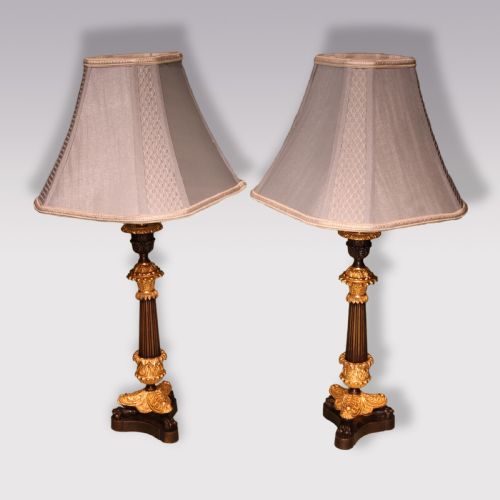
Patinated Brass Desk Lamp
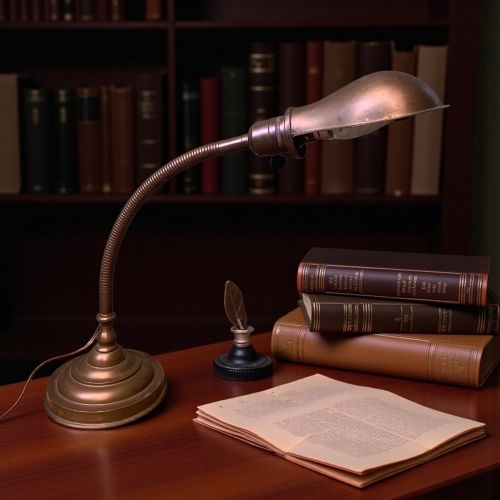
A patinated brass desk lamp brings a warm, aged metallic lustre to a workspace, combining period craftsmanship with practical illumination.
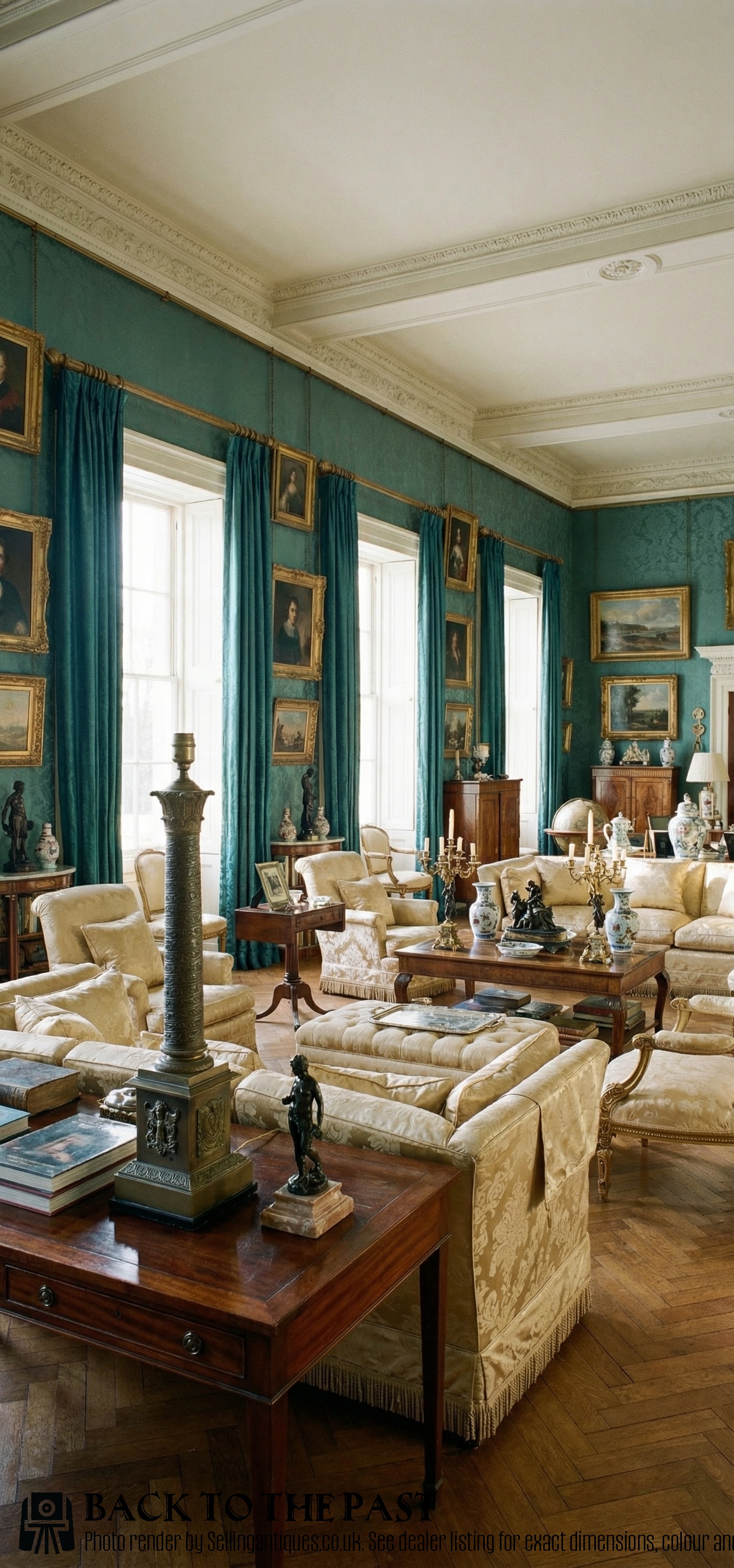
Patinated Brass Desk Lamp
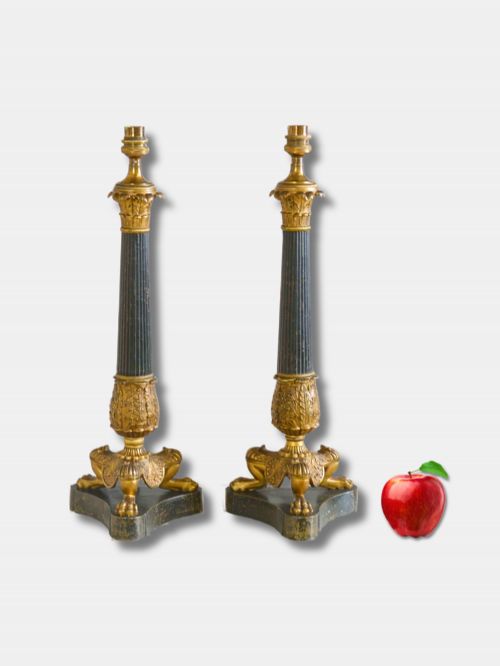
A patinated brass desk lamp is a functional lighting fixture typically forged or cast from brass, bronze, or copper, finished with an intentionally darkened or weathered surface. When searching for a patinated brass desk lamp, collectors encounter a diverse range of forms spanning from nineteenth-century classical columns to twentieth-century modernist designs.
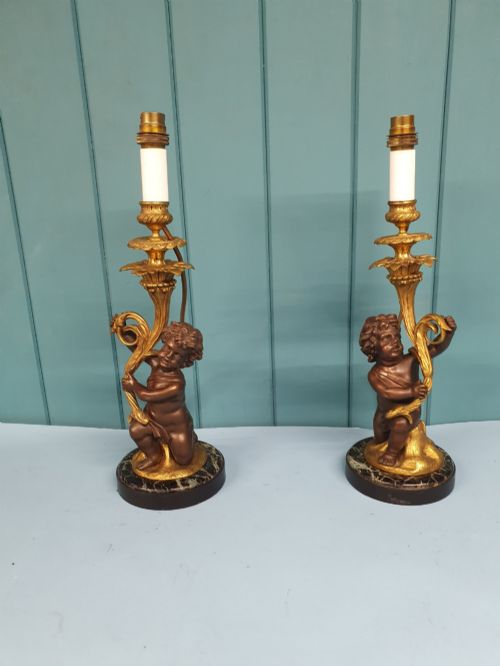
The pieces appearing on this page encompass various styles, including French Empire, Regency, Arts and Crafts, and Amsterdam School. Table lamps, desk lamps, and lamp bases predominate, frequently featuring paired configurations or sculptural elements like cherubs and lions' paw feet.
Dating ranges from the early nineteenth century through to the 1930s, showing how domestic lighting evolved from simple candlestick conversions into dedicated electric desk illumination. Buyers find both monumental columnar pieces and more restrained industrial or modernist variants among the selections.
Materials and construction methods
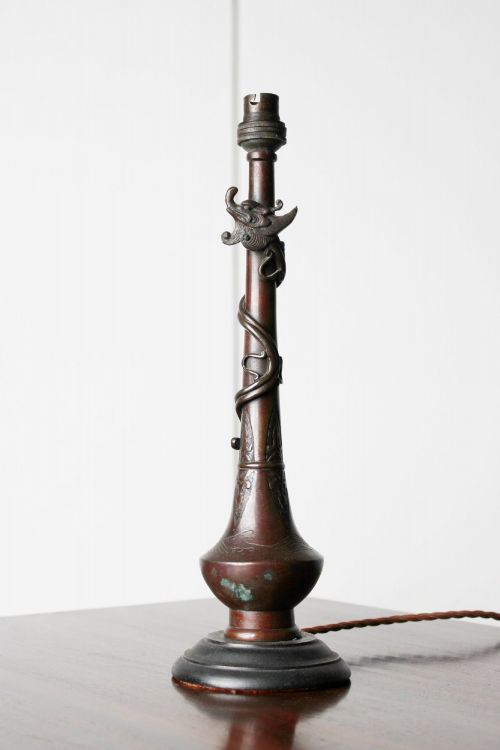
Makers primarily utilised brass and bronze as base metals, often enhancing surfaces through chemical patination to achieve deep brown, green, or darkened tones. Ormolu gilding and repoussé detailing appear on finer examples, adding decorative texture and contrasting highlights to the metalwork.
Secondary materials such as marble, glass, and fabric complement the metal bodies, providing structural weight or diffusing the light source. Construction involves casting, hand-hammering, and joining components with threaded screws or rivets, reflecting the prevalent manufacturing techniques of each respective period.
The selection includes paired lamp configurations alongside individual table lights, lanterns, and converted classical columns.
Assessing quality and execution
The distinction between standard production and superior craftsmanship lies in the crispness of the cast ornamentation and the depth of the metal patination. Finer examples exhibit hand-chased details on bronze figures or classical columns, whereas lesser pieces rely on simpler, unadorned forms.
Material integrity and proportion also dictate the standing of a piece, with heavier cast brass or bronze bases providing better stability than hollow or pressed alternatives. The integration of decorative elements, such as marble plinths or gilt ormolu mounts, demonstrates the original maker's commitment to quality.
Messenger·Wilhelm Wagenfeld
The Patinated Brass Desk Lamp Glossary
- Patination
- The natural or chemically induced ageing on the surface of metals like brass and bronze. This process creates distinct coloration that enhances the visual depth of the object.
- Ormolu
- Ground sheet gold applied to a bronze base using a mercury amalgamation technique. It produces a rich golden finish seen on classical nineteenth-century lighting.
- Repoussé
- A metalworking technique where the metal is hammered from the reverse side to form a raised design in relief. This method creates textured surface patterns on brass lamp bodies.
- Amsterdam School
- An architectural and design movement from the early twentieth century characterised by expressive, organic forms and unusual brick or metalwork. Pieces from this tradition often feature bold silhouettes.
- Classical Column
- A lamp design modelled after ancient architectural orders such as Doric, Ionic, or Corinthian. These upright shafts provide formal symmetry to desk and table lighting.
Patinated Brass Desk Lamp: Frequently Asked Questions
How do I date a brass lamp?
Dating relies on observing manufacturing techniques, decorative styles, and mounting hardware. Earlier nineteenth-century examples often employ heavy cast bronze and classical motifs, while 1930s pieces lean towards modernist simplicity.
Wiring and switch types also offer clues, though most antique lamps have been rewired for modern use. Comparing the cast details against known period design movements helps narrow down the decade of production.
Can I use modern bulbs in these lamps?
Most antique lamps accommodate modern LED or standard bulbs provided the lamp holder matches contemporary fittings. It is advisable to have older wiring inspected by a professional before daily use.
Using lower wattage bulbs helps protect vintage sockets and internal wiring from excess heat. The primary consideration is ensuring the physical fitting safely accommodates the chosen bulb size.
What is patinated brass?
Patinated brass is metal that has developed a darkened or coloured surface oxidation over time or through chemical treatment. This finish subdues the bright yellow glare of raw brass and highlights intricate details.
Collectors value this aged appearance for the historical character it imparts to interior spaces. The patina should ideally show subtle variations in tone rather than an uniform modern spray coating.
Where should I place a desk lamp?
A heavy brass or bronze lamp suits a traditional study, library desk, or side table where its solid weight provides stability. Shorter desk lamps fit well on secondary surfaces, while taller column lamps work effectively on larger tables.
Consider the scale of the room and the reach of the light when positioning these pieces. They serve both as functional task lighting and as sculptural decorative objects.