


Classical Pillar Lamp Base
A classical pillar lamp base brings architectural proportion to a room, offering heavy metal columns topped with classic capitals.
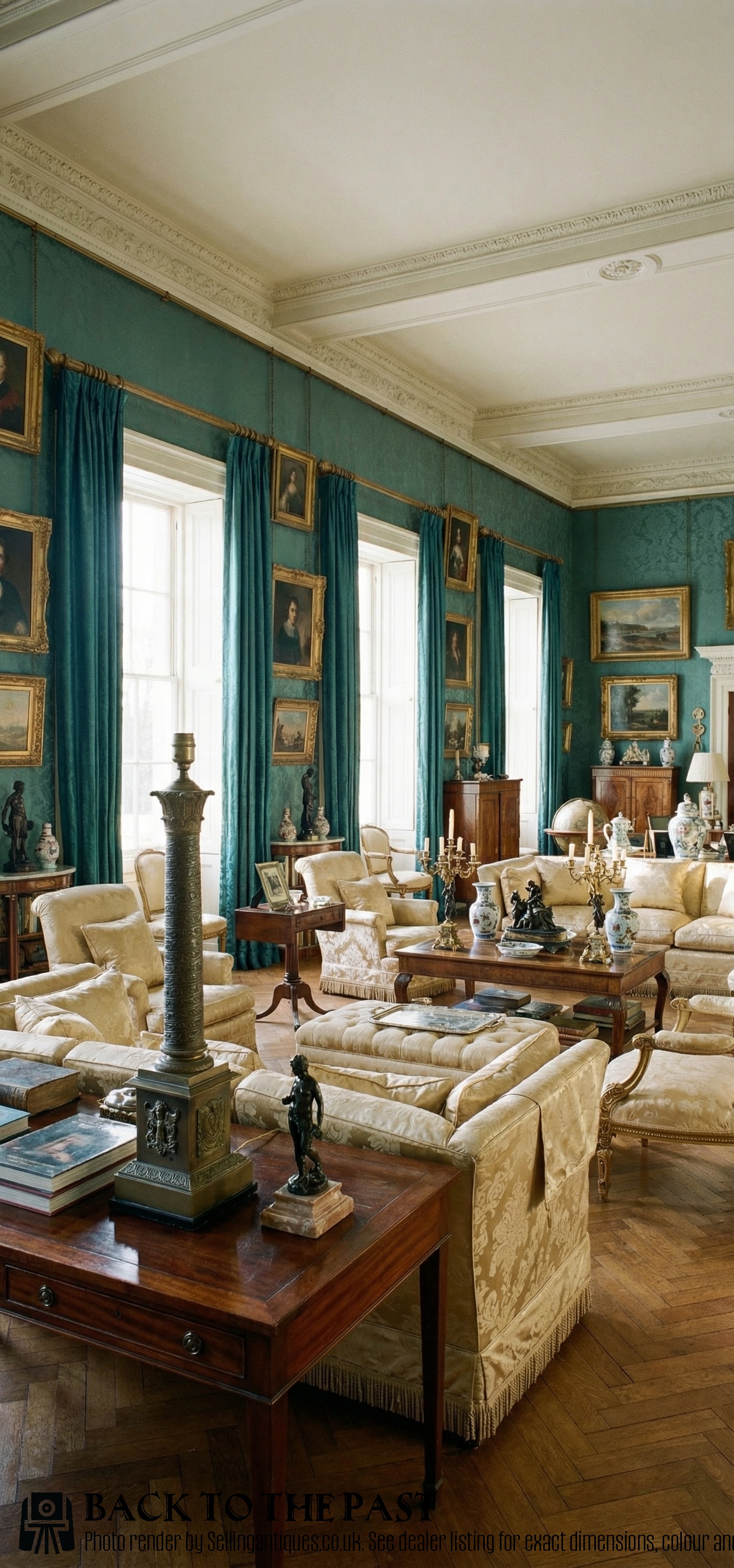
Classical Pillar Lamp Base
A classical pillar lamp base takes the form of an ancient column, translated into a table lamp for domestic lighting. These pieces draw heavily on architectural vocabulary, standing as miniature monuments on a desk or side table.
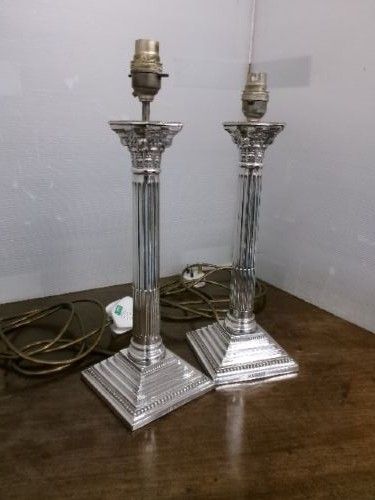
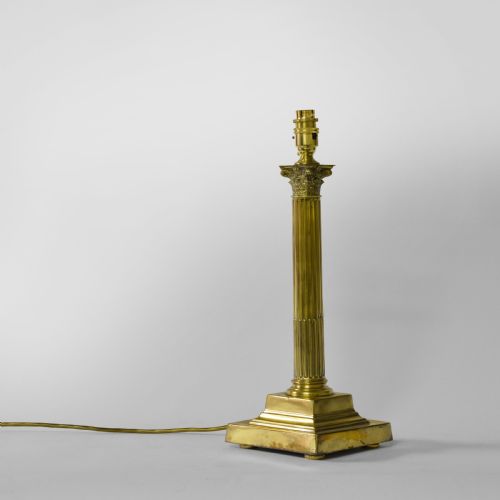
Buyers browsing this selection will most frequently encounter brass or silver plated versions styled after the Corinthian order. These date predominantly from the Victorian period through to the early decades of the twentieth century, appearing as single columns or matched pairs.
How they were made
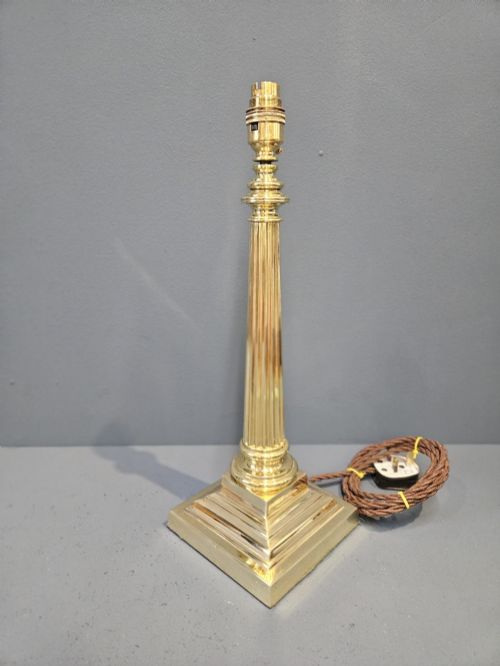
Metal fabrication dominates the construction of these pieces, utilising cast brass, bronze, and ormolu. Artisans also employed silver plating over base metals alongside solid sterling silver, creating weighty structures capable of supporting substantial shades.
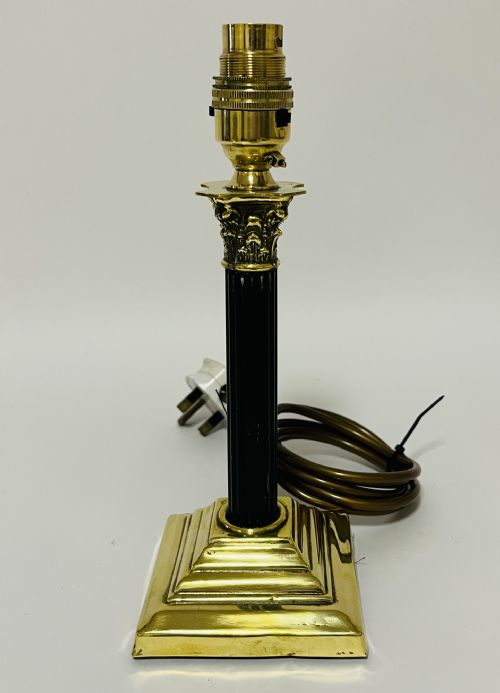
Wiring and electrical components such as braided fabric flex appear alongside older structural elements like glass and onyx. These latter materials introduce varied textures beneath the metallic capitals and stepped square bases.
Listings span from the nineteenth century into the nineteen-thirties, dominated by brass and silver plate alongside bronze, ormolu, and sterling silver.
What varies in quality
The refinement of the casting in the capital dictates the upper tier of quality. Crisp acanthus leaves and well-defined volutes on a Corinthian capital separate superior work from softer, more generalized metal shaping.
The choice of primary metal alters the character and weight of the object. Heavy patinated brass and solid sterling silver sit at a different level of craftsmanship compared to standard silver plate over base metal.
Walter Latham & Son
The Classical Pillar Lamp Base Glossary
- Corinthian column
- A classical architectural order featuring an ornate capital decorated with rows of acanthus leaves and small volutes. This design serves as the dominant motif for the lamp bases in this category.
- Ormolu
- Finely ground high-carat gold-mercury amalgam applied to a bronze object. This technique imparts a rich, warm metallic lustre.
- Reeded column
- A straight shaft carved or cast with parallel convex mouldings running vertically. This detail adds linear texture to the main body of the lamp.
- Braided fabric flex
- A flexible electrical cord covered in a woven textile sheath. It provides a traditional finish that complements period metalwork.
Classical Pillar Lamp Base: Frequently Asked Questions
What periods do these lamps come from?
The pieces span the nineteenth and early twentieth centuries. Examples emerge from the Victorian era through the Edwardian years up to the nineteen-thirties.
This broad timeline encompasses the height of neoclassical revivalism in British interior design. Makers continually reinterpreted ancient architectural motifs during these decades.
Are these lamps sold as pairs?
Some listings offer matched pairs, while others present single table lamps. Pairs provide symmetrical lighting for sideboards or mantelpieces.
Single columns function well as reading lights on smaller desks or tables. Both formats appear frequently within the current selection.
What metals are used in these bases?
Brass forms the foundation of most pieces, often paired with bronze or ormolu details. Sterling silver and silver plate also appear regularly.
Occasional variations incorporate materials like glass and onyx into the shaft or base. Each metal selection creates a distinct visual weight and surface finish.
How do I identify a neoclassical style?
Neoclassical design borrows directly from ancient Greek and Roman architecture. The presence of fluted or reeded columns and elaborate capitals signals this aesthetic.
Stepped square bases provide a solid architectural foundation for the vertical shaft above. This restrained yet imposing style dominated nineteenth-century formal interiors.