






Classical Metal Table Lamp
A classical metal table lamp brings architectural dignity and warm illumination to a room, drawing on centuries of historic design.
Classical Metal Table Lamp
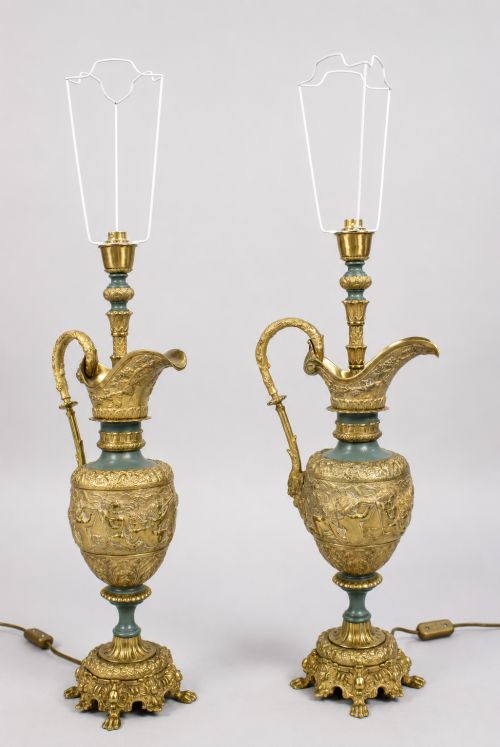
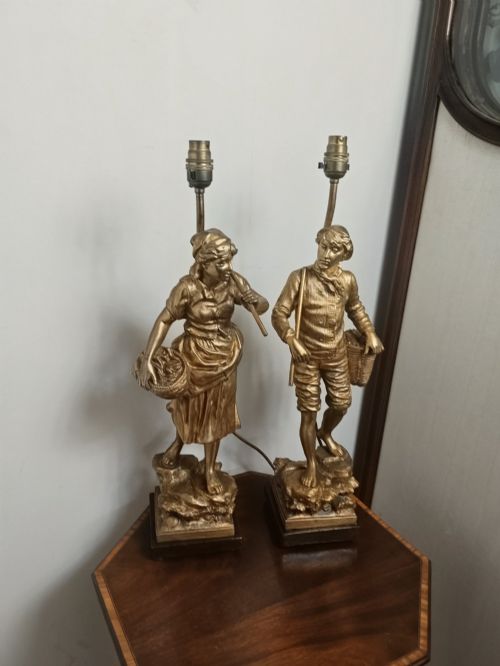
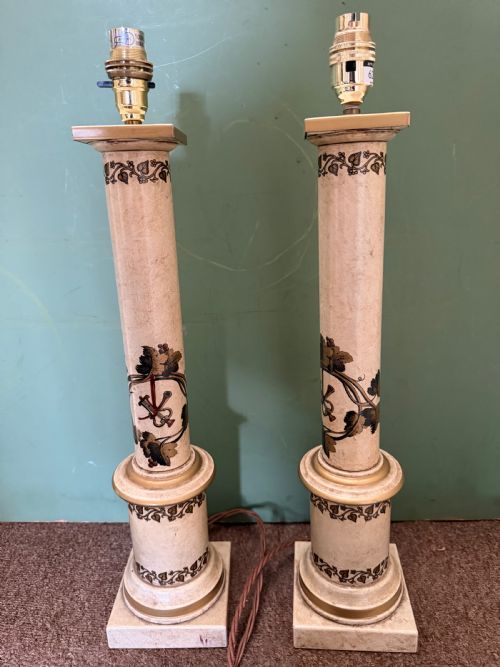
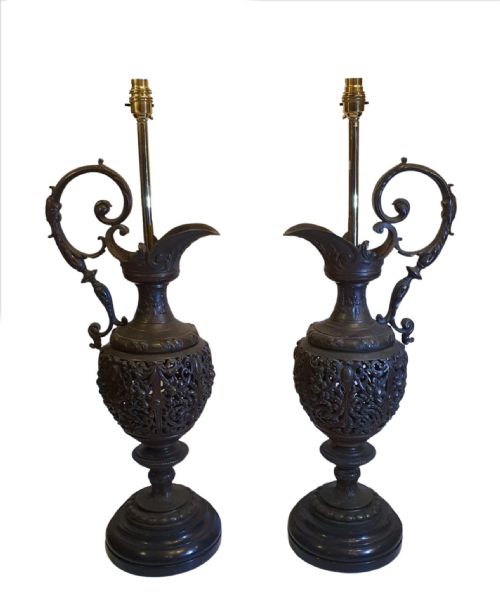
A classical metal table lamp draws upon historical forms such as columns, urns, ewers, and figurative sculptures to create a commanding lighting fixture. When searching for a classical metal table lamp, buyers encounter pieces primarily dating from the nineteenth and early twentieth centuries, with a strong representation of French Neoclassical, Empire, and Edwardian aesthetic influences.
How they were made
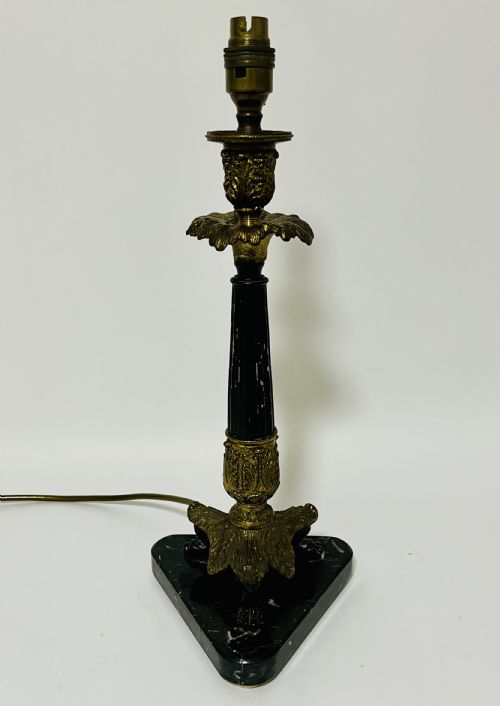
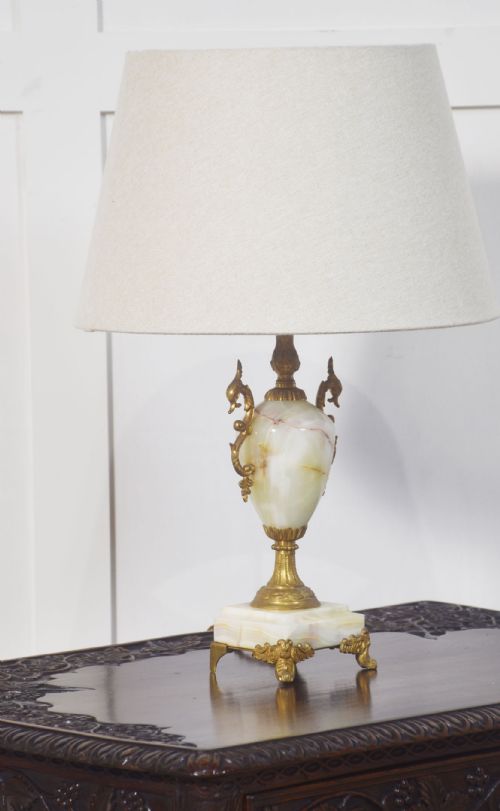
Craftsmen utilised metals such as bronze, brass, ormolu, gilt metal, and spelter, often combining them with solid marble or onyx bases to provide stability and visual contrast. Surface decoration involved intricate casting, hand-chasing, and the application of gilt or patinated finishes, alongside painted toleware details.
Many items began life as decorative vessels, ewers, or vases before undergoing conversion into electric table lamps during subsequent decades. Original components frequently include mounted handles, paw feet, classical friezes, and hand-painted fabric shades.
Several classical lamps double as miniature marine pageants, featuring cherubs riding dolphins or holding torches beside mythological water deities.
What varies in quality
The standard of a piece rests heavily upon the crispness of the metal casting and the depth of the chasing work on details like acanthus leaves, laurel wreaths, and figurative drapery. Finer examples display sharp definition and substantial weight, whereas lesser pieces rely on softer surface impressions and simpler junctions.
Materials also dictate the tier of an object, with heavy fire-gilded bronze and solid marble commanding greater presence than lighter spelter or plated substitutes. The integrity of the original patination and the harmony of any mounted elements further distinguish standard production from exceptional studio work.
E Rousseau·L & F Moreau
The Classical Metal Table Lamp Glossary
- Ormolu
- A technique of applying finely ground high-carat gold to a bronze object using a mercury amalgamation process. This finish gives antique mounts their distinctive warm gleam.
- Spelter
- An alloy of zinc and lead used as a less costly alternative to bronze for cast figures and lamps. It takes paint and patination well, though it is softer than bronze.
- Toleware
- Enamelled and japanned sheet metal items, often hand-painted with floral or pastoral motifs. These pieces add colour and contrast to classical metal designs.
- Ewer
- A large jug with a wide spout and handle, frequently adapted into a lamp body during the nineteenth century. Classical examples often feature mythological relief scenes.
- Torchère
- A stand or figurative lamp designed to hold a light source aloft, resembling a classical torch-bearer. They frequently depict cherubs or mythical figures.
Classical Metal Table Lamp: Frequently Asked Questions
Were these always electric lamps?
Many antique metal lamps started as oil lamps, gas fixtures, or decorative vessels such as bronze ewers, urns, and vases before later conversion to electricity. This evolution is standard for pieces dating back to the nineteenth century.
Conversions are typically executed with care to preserve the original decorative integrity of the antique body while accommodating modern functional wiring.
How do I clean a bronze lamp?
Maintenance requires only a gentle dust with a soft, dry cloth to protect the historic patination and gilt surfaces. Harsh chemical polishes should be avoided entirely.
Applying abrasive cleaners can strip away the aged finish that gives antique metal its character and value, permanently altering the appearance of the piece.
What is spelter and how do I spot it?
Spelter is a zinc alloy commonly used in nineteenth-century decorative lamps as an economical substitute for bronze. It is noticeably lighter than bronze and softer to the touch.
Underneath chipped paint or patination, spelter reveals a greyish-white metal base, whereas bronze displays a warmer reddish-brown tone.