




French Figural Sculpture
French figural sculpture brings physical presence into a room, capturing human and animal forms through cast metal and carved stone.
French Figural Sculpture
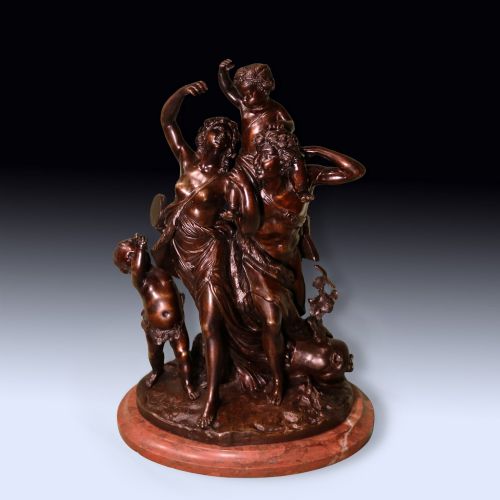
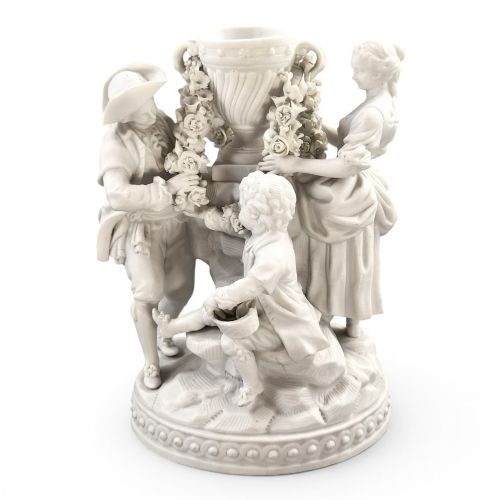
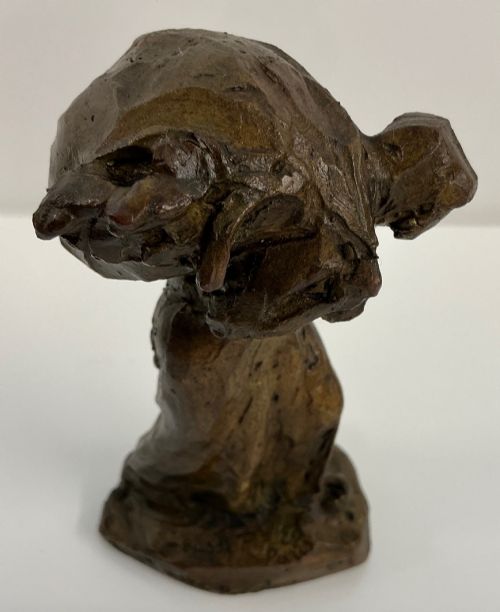
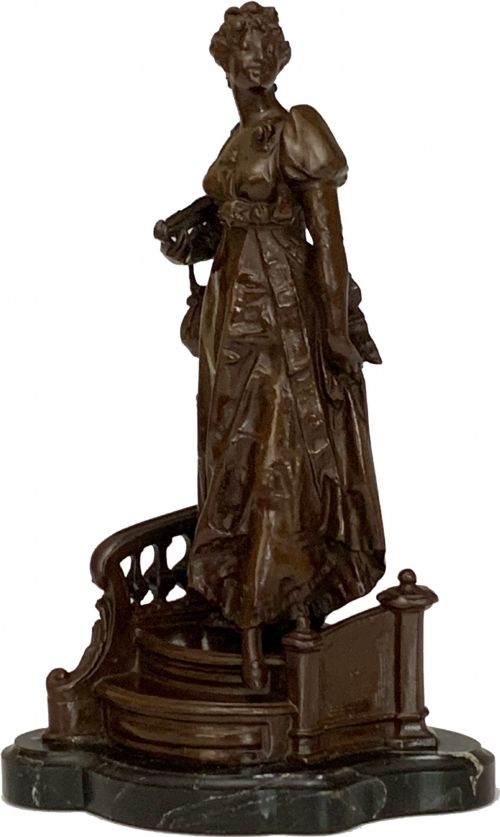
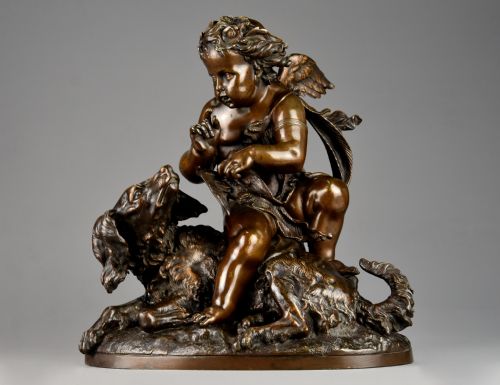
When you search for french figural sculpture, you encounter cast bronze figures, marble statues, and terracotta works produced across the nineteenth and early twentieth centuries. These objects range from mythological groups and allegorical studies to everyday workers, children, and animals.
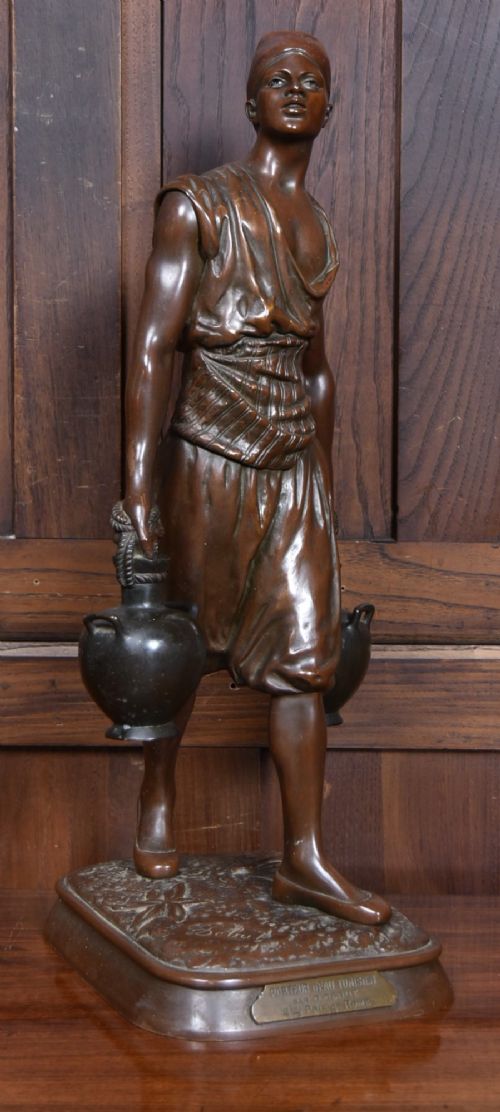
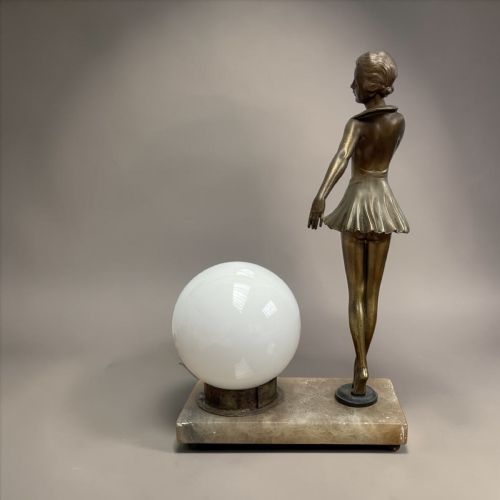
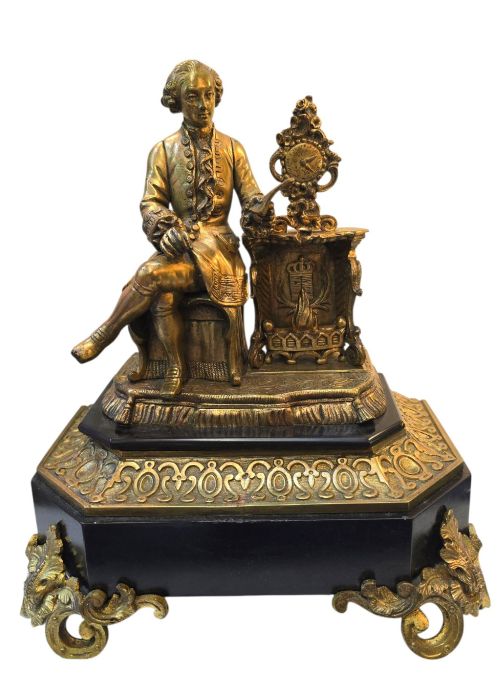
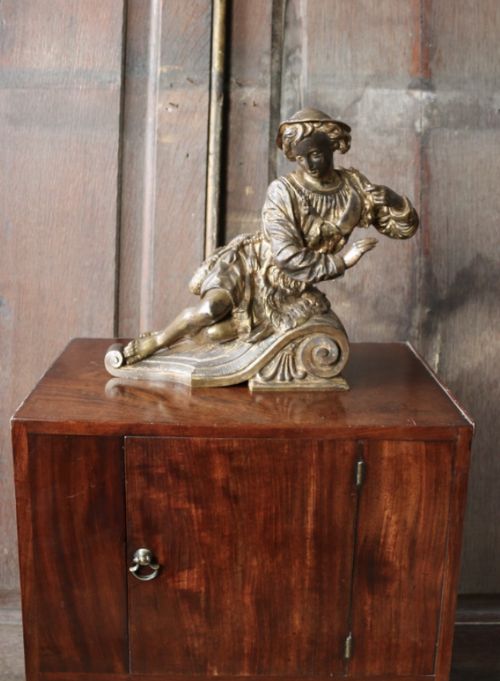
The most common examples on this page are nineteenth-century cabinet bronzes and mantel clock figures cast in workshops across France. Many pieces incorporate functional elements such as inkwells, lamps, and clocks alongside the central human or animal subject.
Materials and casting methods
Foundries utilised the lost-wax method or sand-casting techniques to reproduce intricate details in bronze, often finishing the metal with patination, ormolu, or cold-painted colours. Marble, biscuit porcelain, terracotta, and spelter served as alternative mediums for sculptural groups and mantel ornaments.
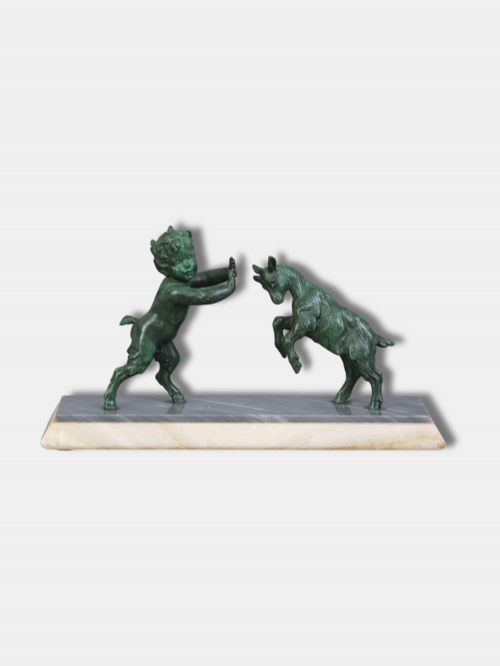
Makers combined materials by mounting bronze figures on marble plinths, incorporating wooden bases, or pairing carved marble with cast metal details to add weight and colour contrast.
Fauns, putti, and playful dogs frequently share the stage with solemn philosophers and stoic quarrymen.
Distinctions in craftsmanship
Signatures of recognised sculptors and foundry cachets indicate workshop pedigree, while the integration of figural work into functional pieces like clocks and lamps reflects the ambition of the original commission.
Pierre-Augustin Caron de Beaumarchais·Emile Carlier·Jules Dalou·Georges Van Der Straeten·Carrier-Belleuse·Richard Avrilli·E. Drouot·Emile Picault·Claudius Marioton·Auguste Moreau·Charles Korschann·Lucien Madrassi·Ernst Barrias·Alexandre Kelety·Joaquim Angles·Emmanuel Villanis·Uriano
The French Figural Sculpture Glossary
- Patination
- The chemical treatment or natural oxidation applied to the surface of a bronze sculpture to alter its colour and tone. This layer protects the metal while adding depth to the visual appearance of the figure.
- Ormolu
- Gilded bronze produced by applying a mercury and gold amalgam to the metal surface before heating. The technique creates a bright gold finish often seen on mounts, clocks, and decorative bases.
- Spelter
- A zinc alloy utilised as a cheaper alternative to bronze during the nineteenth century. Figures cast in spelter were frequently painted or patinated to imitate true bronze.
- Lost-wax casting
- A process where a model is encased in wax, melted out, and replaced with molten metal. This method allows sculptors to capture fine details in bronze figures and groups.
French Figural Sculpture: Frequently Asked Questions
What are French figural sculptures made of?
These pieces appear primarily in bronze, patinated bronze, gilt bronze, marble, and terracotta, with occasional examples in spelter, glass, and biscuit porcelain.
Foundries often combined materials by setting metal figures onto heavy marble bases or integrating them with ormolu mounts and clock movements.
How do I identify the period of a sculpture?
Stylistic markers point to specific eras, such as neoclassical themes in early pieces, realism in nineteenth-century worker studies, and clean geometric lines in Art Deco works.
Signatures, foundry stamps, and materials like spelter or cold-painted surfaces provide further clues to the date of manufacture.
How were figural sculptures used in the past?
Many works served as standalone decorative ornaments for mantelpieces, desks, and cabinet displays in nineteenth-century interiors.
Others performed practical functions as inkwells, table lamps, clock sets, and candlesticks while retaining detailed human or animal figures.
How do I care for a bronze figure?
Dust the surface regularly with a soft, dry cloth to prevent the accumulation of grit in crevices and chased details.
Avoid using abrasive cleaning products or polishes that can strip the original patination from the metal.