



French Faience Pottery Dishes
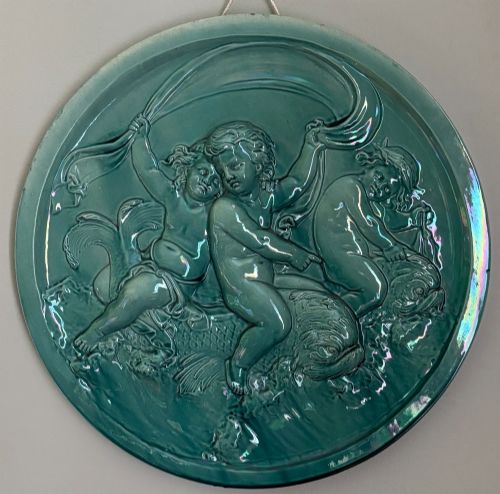
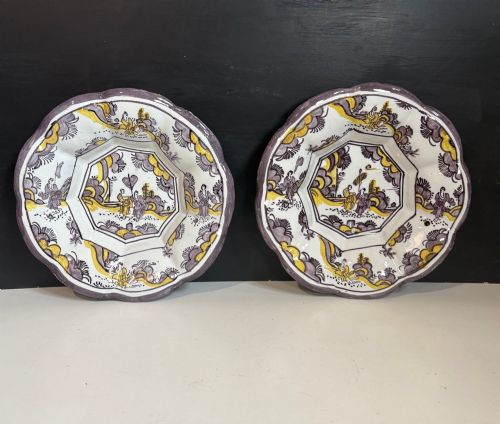
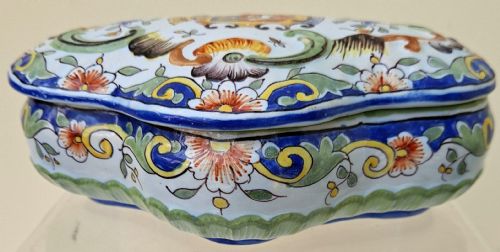
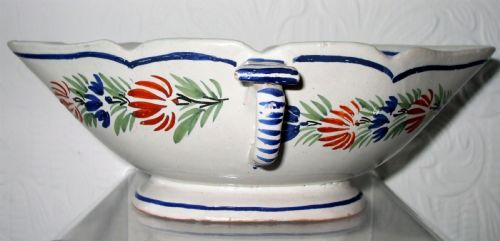
These French faience pottery dishes bring hand-painted regional character and tin-glazed earthenware charm directly to your table.
French Faience Pottery Dishes
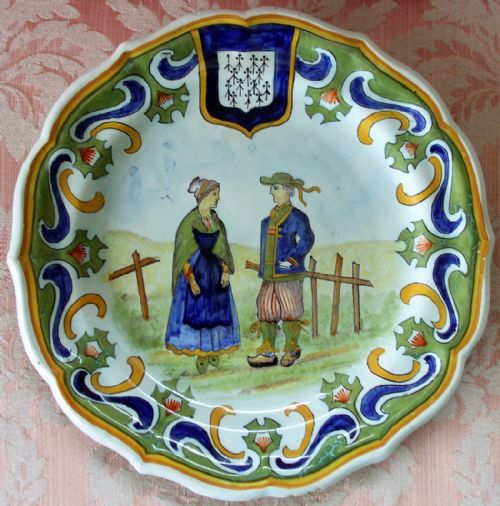
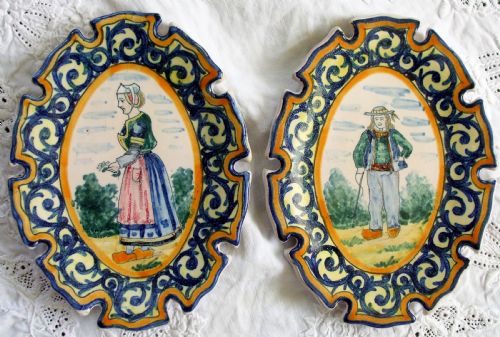
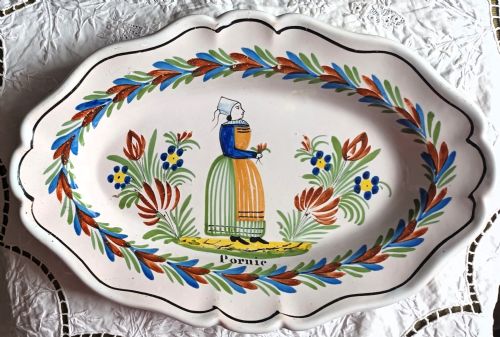
When you search for french faience pottery dishes, you find tin-glazed earthenware forms ranging from decorative plates to sauceboats and trinket dishes. The selection on this page centres on regional output from the eighteenth to the twentieth centuries, spanning provincial tableware and decorative items.
Most examples you meet here originate from known production centres like Quimper, Desvres, Rouen, Lille and Gien. These pieces display distinct local painting traditions, often featuring traditional figures, blue and white schemes, or colourful regional motifs.
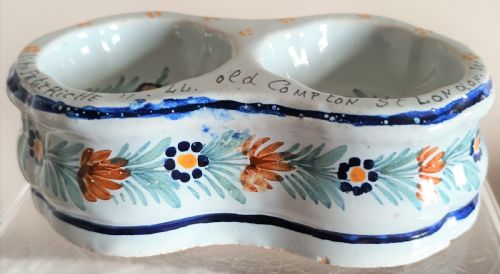
Forms vary from practical serving dishes and double sauceboats to smaller pin trays, salt cellars and sweetmeat presentiers. Each piece represents the traditional ceramic output of French regional potteries operating across multiple centuries.
What varies in quality
Quality rests in the precision and detail of the hand-painted brushwork across the tin-glazed surface. Finer pieces display crisp regional motifs and careful control of the cobalt blue or polychrome pigments.
The clarity of the opaque tin glaze and the sharpness of the underlying earthenware moulding distinguish standard production from superior examples. Better items maintain balanced proportions in complex forms such as double sauceboats, sweetmeat presentiers and covered boxes.
French Faience Pottery Dishes Retail Price Guide 2026
Typical asking prices for french faience pottery dishes among the pieces listed under this phrase on Sellingantiques today, from the lower quarter to the upper quarter. They describe what is for sale here now, not the wider market.
Object types range from practical double sauceboats and salt cellars to decorative pin trays, plaques and vide-poche dishes.
Quimper·Desvres·Rouen·Lille·Gien
The French Faience Pottery Dishes Glossary
- Faience
- Tin-glazed earthenware produced in France, typically featuring hand-painted decoration over an opaque white glaze. This technique defines the primary ceramic tradition seen across these listings.
- Tin Glaze
- An enamel glaze containing tin oxide that fires to an opaque white finish. It creates the characteristic smooth ground used for hand-painting regional pottery.
- Vide-Poche
- A small tray or dish designed for emptying pockets of small items. These shallow vessels often appear in nineteenth-century blue and white regional wares.
- Sweetmeat Presentier
- A specialised raised dish or stand used for serving small confections or sweet treats. These decorative serving pieces often date to the eighteenth century.
- Double Sauceboat
- A serving vessel with two spouts or pouring compartments at opposite ends. Workshops in Quimper frequently produced these utilitarian table items.
French Faience Pottery Dishes: Frequently Asked Questions
How do I identify Quimper faience?
Quimper pieces often feature characteristic hand-painted regional figures in traditional costume alongside floral motifs. Look for specific factory initials like HB or HR marked on the base.
These marks help separate Quimper output from other French regional potteries such as Desvres or Gien. The distinct blue and polychrome palettes provide further clues to their origin.
How should I clean antique faience?
Clean these tin-glazed earthenware pieces gently using warm water and mild soap. Avoid harsh scrubbers or soaking older items to protect the historic glaze surface.
Hand drying with a soft cloth prevents moisture accumulation. Careful handling preserves the hand-painted pigments applied during manufacture.
Are these dishes safe for food?
Many antique tin-glazed dishes feature historic lead or tin compounds within the glaze layer. Historic tableware is best reserved for display rather than daily dining.
Using them as decorative pin trays, trinket boxes or visual centrepieces protects the antique glaze. Visual enjoyment replaces practical food service for these fragile items.
How do I date French faience?
Dating relies on stylistic markers, painting techniques and factory marks recorded on the base. Eighteenth-century pieces show different potting weights and glaze characteristics compared to nineteenth or twentieth-century revivals.
Comparing known workshop ciphers like Desvres or Quimper marks helps narrow the production window. Material composition and form evolution offer additional chronological evidence.