

French Country Armchair Pair
A french country armchair pair brings relaxed seating and traditional provincial charm directly to a room, offering matching proportions for a living space or bedroom.
French Country Armchair Pair
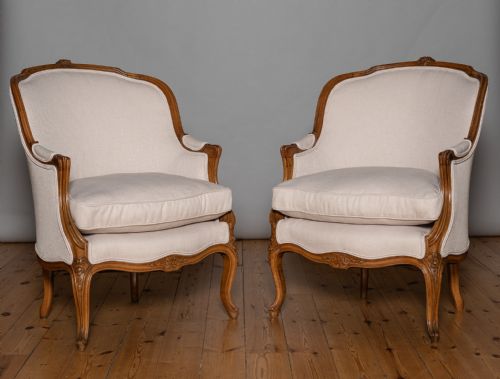
A french country armchair pair consists of two matching seats designed for comfort and relaxed living. These seating pairs draw upon traditional provincial aesthetics, offering balanced proportions and harmonious styling for a room.
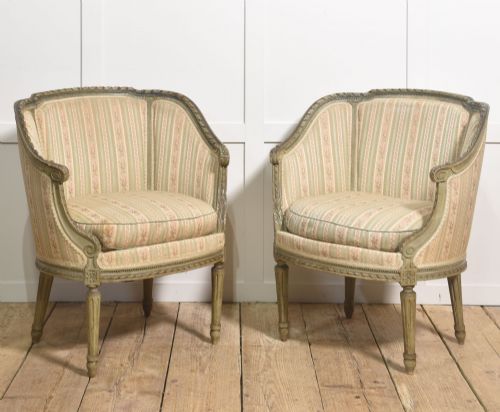
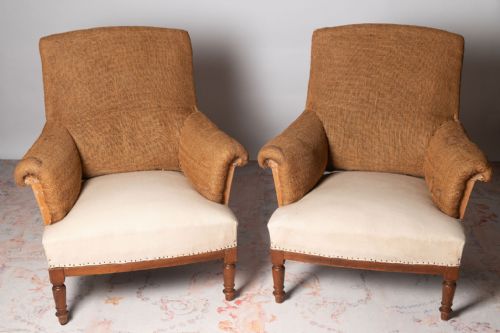
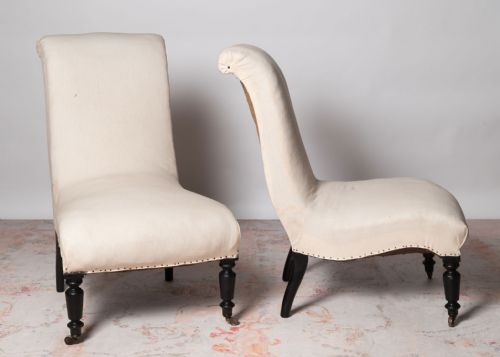
The selections span various periods from the eighteenth century through to the mid-twentieth century, capturing enduring regional designs. Common forms include open armchairs, tub chairs, and slipper chairs suited for bedrooms or reception spaces.
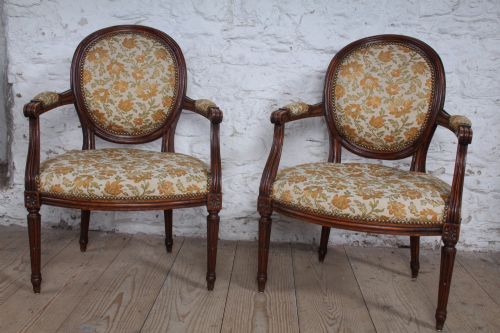
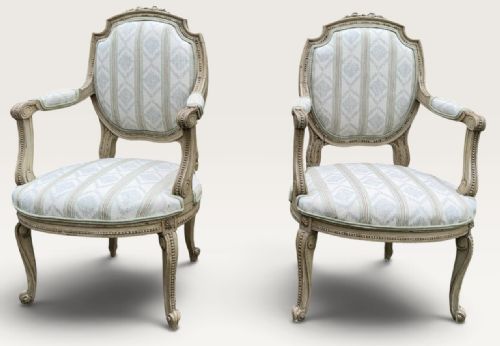
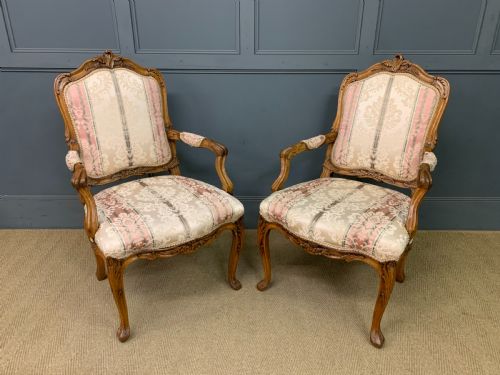
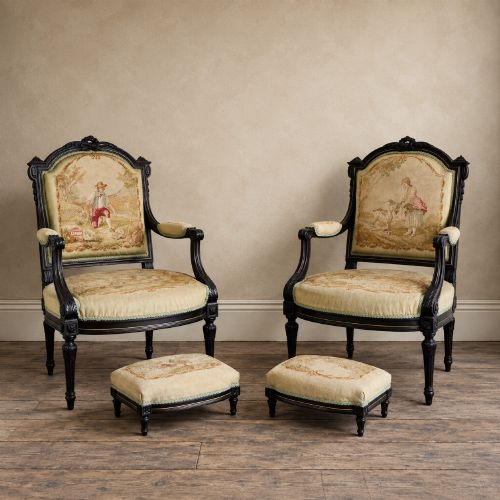
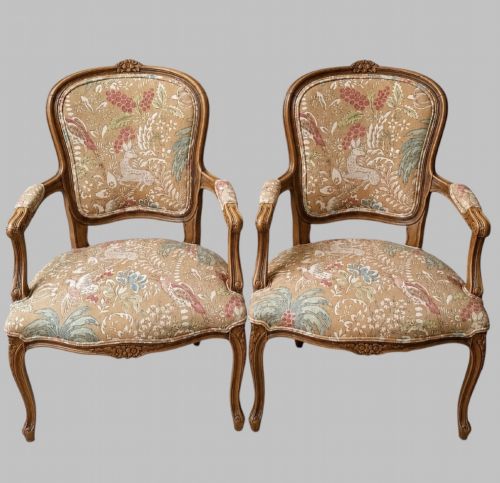
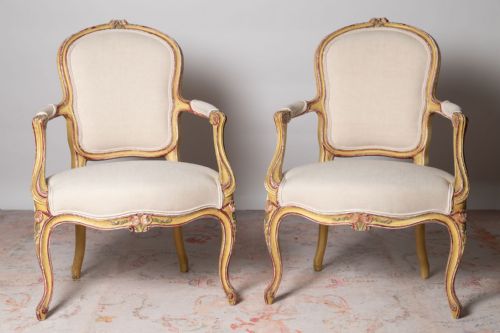
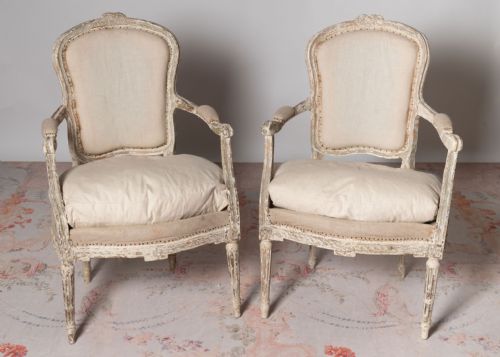
Many examples reflect classic revival movements, echoing Louis XV and Louis XVI aesthetics through carved woodwork and curved frames. Buyers encounter both painted wood finishes and exposed walnut frames within the available selection.
Materials and Construction
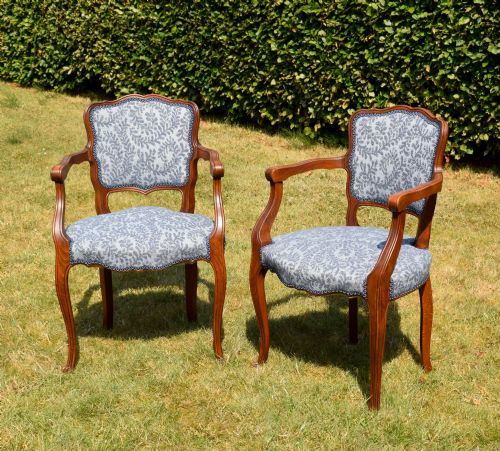
Carpenters typically shaped these frames from solid hardwoods such as walnut and beech, selected for strength and responsiveness to intricate hand carving. Workshops often applied paint or giltwood finishes directly onto the wooden structure to achieve decorative contrast.
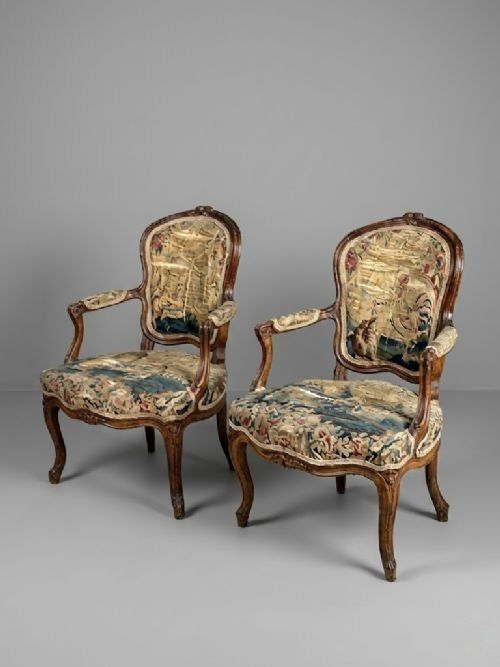
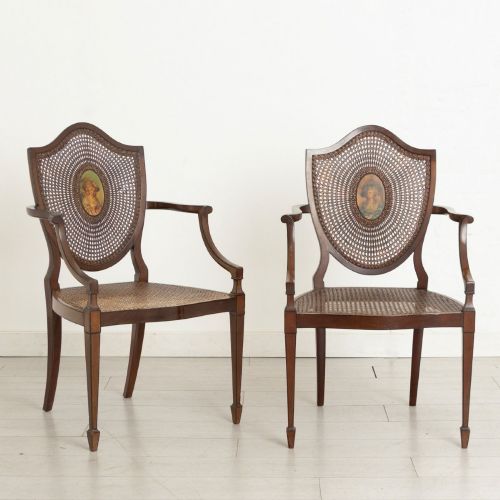
Upholstery techniques varied widely, incorporating traditional fabric coverings, tapestry work, or woven cane panels within the backrests and seats. Metal elements like brass accents or wrought iron framework appear in specific regional and period variants.
Listings feature pieces spanning the eighteenth, nineteenth, and twentieth centuries, incorporating walnut, beech, paint, and cane.
Evaluating Quality and Craftsmanship
The refinement of the woodwork dictates much of the distinction between simpler provincial pieces and finer urban interpretations. Crisp detailing in hand-carved floral motifs or scrollwork indicates superior joinery and time-honoured cabinet-making skills.
The integrity of the original finish, whether aged paint or polished walnut, significantly influences the character of the seating. Pairs retaining their early surface treatments demonstrate greater historical continuity than those stripped or repainted in later decades.
The French Country Armchair Pair Glossary
- Fauteuil
- An open-framed armchair featuring upholstered armrests and an exposed wooden structure. This classic French seating form became popular during the seventeenth and eighteenth centuries.
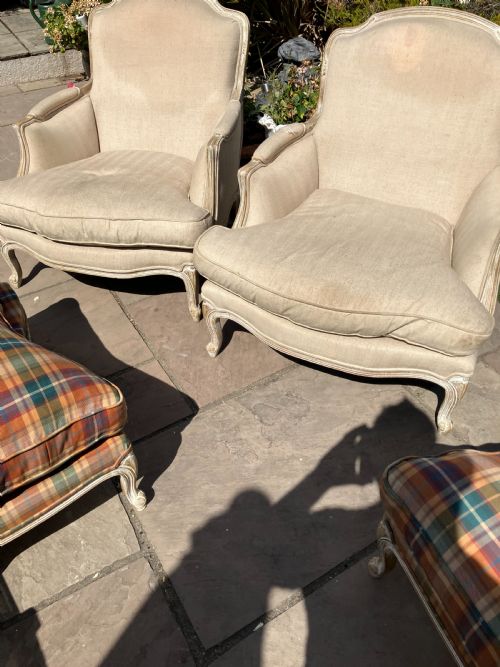
- Bergere
- An enclosed armchair featuring upholstered sides and a padded seat cushion. These seats offer a deep, comfortable profile often associated with domestic relaxation.
- Cane
- Woven rattan material utilised for chair backrests and seats. This lightweight technique provides flexibility and ventilation within the wooden frame.
- Giltwood
- Timber treated with a thin layer of gold leaf or metallic paint. This decorative finish adds luminance and formal elegance to the carved framework.
- Medallion Chair
- A seat featuring a circular or oval upholstered backrest framed in carved wood. This style emerged prominently during the neoclassical revival periods.
French Country Armchair Pair: Frequently Asked Questions
How do I style a pair of armchairs?
Place matching armchairs opposite a sofa or beside a fireplace to create a balanced seating arrangement in a living room. Their coordinated frames help anchor the layout of the space.
In bedrooms or dressing areas, position the chairs near a corner or window to utilise their proportions without crowding the room.
How do I identify Louis XV style chairs?
Louis XV style chairs feature characteristic curved lines, cabriole legs, and asymmetrical floral carvings. The overall silhouette prioritises organic movement and comfortable proportions.
These designs often incorporate scrolling armrests and shaped wooden rails beneath the seat cushion.
Can I use these chairs in a modern interior?
Traditional seating pairs add texture and historical contrast when introduced into contemporary living spaces. The neutral tones of painted wood and natural fabrics blend easily with modern colour palettes.
Mixing period furniture with clean-lined architecture creates a layered interior that feels collected over time.