





French Chateau Pier Glass
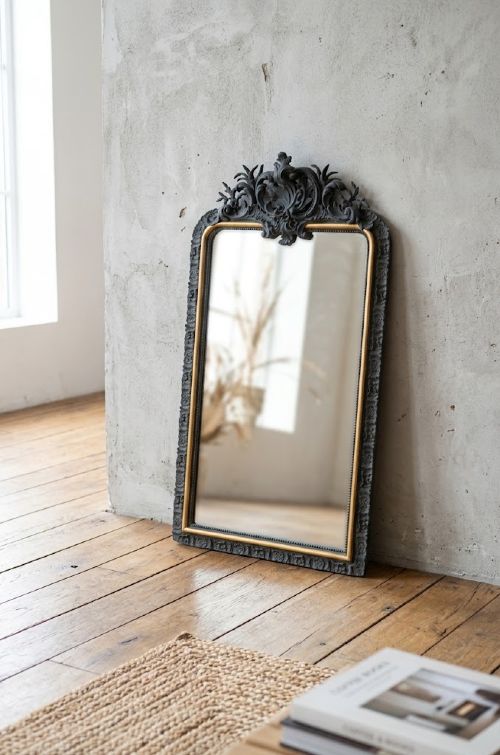
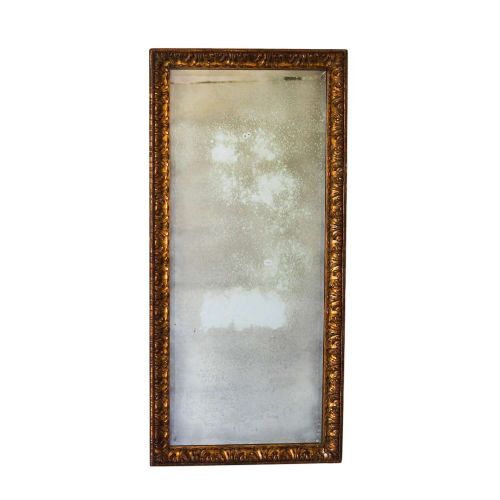
A french chateau pier glass brings imposing verticality and grand reflection to high-ceilinged rooms, designed to hang between windows.
French Chateau Pier Glass
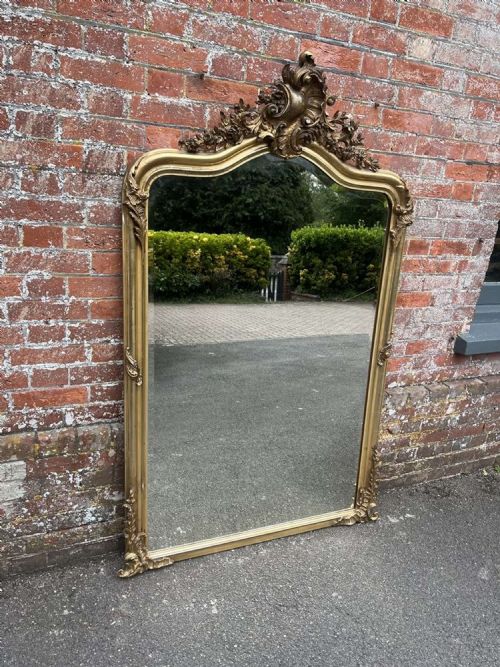
When searching for a french chateau pier glass, buyers encounter tall wall-hanging mirrors designed to fit the narrow expanses of masonry between tall windows in formal rooms. These pieces originate primarily from the nineteenth century, including specific dates such as 1860, 1870, and 1880, alongside eighteenth-century examples.
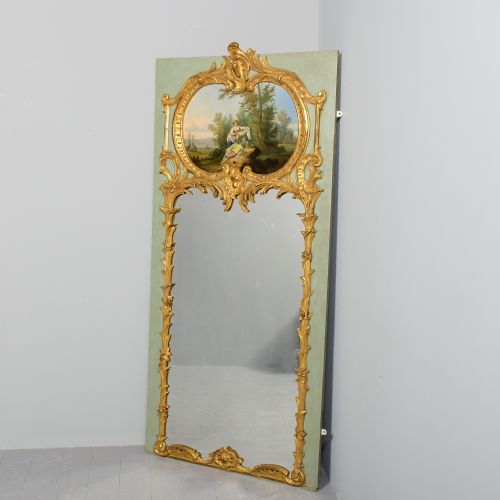
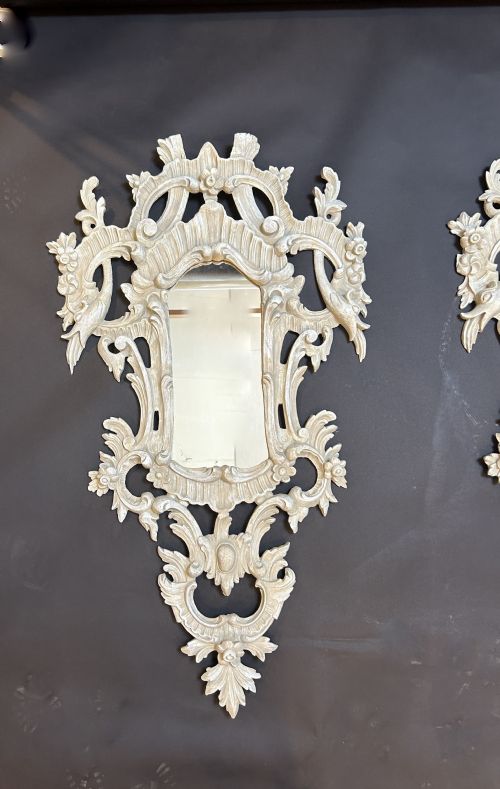
The selections span distinct stylistic revivals, ranging from Rococo Revival and Louis XVI to Neoclassical and French Empire designs. Alongside wall mirrors and overmantel variants, forms include trumeau mirrors integrated with painted panels, girandoles, and occasional console tables paired with the glass.
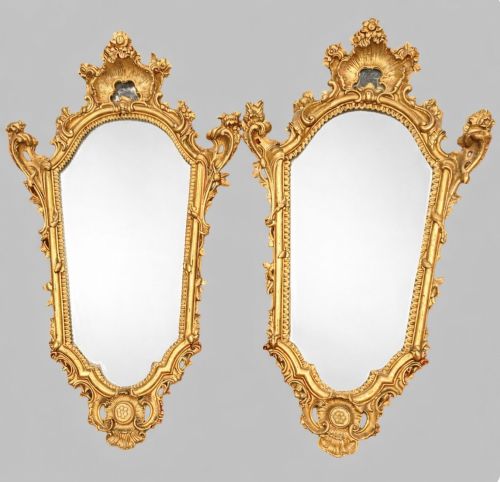
Most entries reflect French provincial and chateau aesthetics, utilising painted and parcel-gilt surfaces or rich gilding. Dimensions run from large arched-top formats down to smaller dressing and marriage mirrors.
Construction and surface methods
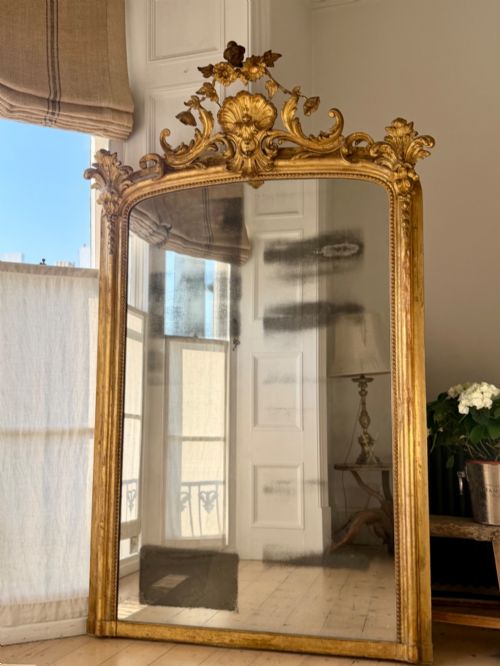
The underlying structure relies on carved wood, frequently layered with gesso to build up intricate relief ornamentation such as classical motifs and scrollwork before finishing. Artisans applied gold leaf or paint directly over this prepared wooden ground.
Mirrors employ traditional glass plates, occasionally recorded with foxed mercury surfaces or distressed plates that show signs of age. Frames incorporate applied ormolu mounts on select variants like kingwood and walnut display cabinets.
Early bistro mirrors bring a touch of French tavern gossip right into your hallway, having survived centuries of spilled wine and lively debates.
Distinctions in craftsmanship and materials
The standard of carving defines the distinction between pieces, with deep, hand-carved wood and crisp gesso relief marking out superior examples from simpler mouldings. The finesse of the original gilding or layered paintwork further separates standard decorative mirrors from exceptional works.
The integrity of the glass plate and the subtlety of the frame proportions dictate overall balance. Pieces retaining original foxed mercury glass plates hold greater authenticity compared to modern replacement glass.
The French Chateau Pier Glass Glossary
- Pier glass
- A tall mirror specifically designed to hang on the pier, which is the wall space situated between two windows. These mirrors maximise natural light within a room.
- Trumeau
- A decorative wall panel that incorporates a painted scene or carved wood relief combined with a mirror glass plate below. It originates from eighteenth-century interior decoration.
- Gesso
- A plaster mixture applied to wood frames as a smooth base for subsequent gilding or painting. It allows craftsmen to model sharp relief details before finishing.
- Parcel-gilt
- A surface finish where only specific carved elements or raised details of a wooden object are highlighted with gold leaf, leaving the rest painted or stained.
- Foxed glass
- Mirror plates showing spots, discolouration, or degradation of the reflective backing caused by age and chemical reactions over decades.
French Chateau Pier Glass: Frequently Asked Questions
What is a french chateau pier glass?
A french chateau pier glass is a tall, decorative mirror created for nineteenth-century or earlier French interiors, specifically proportioned for hanging between tall windows.
These large mirrors often feature ornate carved wood and gesso frames finished in gold leaf or paint, serving both a functional and architectural purpose.
Where should I hang a pier glass?
Traditionally, these mirrors hung on the narrow wall space between two windows to reflect natural light deeper into large reception rooms.
Modern homes use them in hallways, above console tables, or in high-ceilinged living spaces where their verticality creates a sense of expanded space.
How do I identify a nineteenth-century mirror?
Nineteenth-century mirrors often exhibit specific revival styles like Rococo Revival, Louis XVI, or French Empire, executed in carved wood and gesso.
Examination of the backboards, assembly methods, and the presence of aged glass plates helps confirm the period of manufacture.
What is the difference between a trumeau and a pier glass?
A pier glass focuses primarily on the tall mirror frame designed for wall spaces between windows. A trumeau mirror specifically incorporates an integrated decorative panel above the glass plate.
Both forms appear frequently in French chateau and provincial interior schemes.