
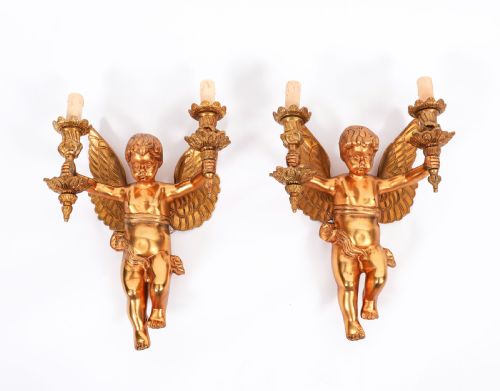


French Chateau Cherub
French chateau cherub pieces bring grand interior ornamentation into a room through carved wood, gilt bronze and classical figural motifs.
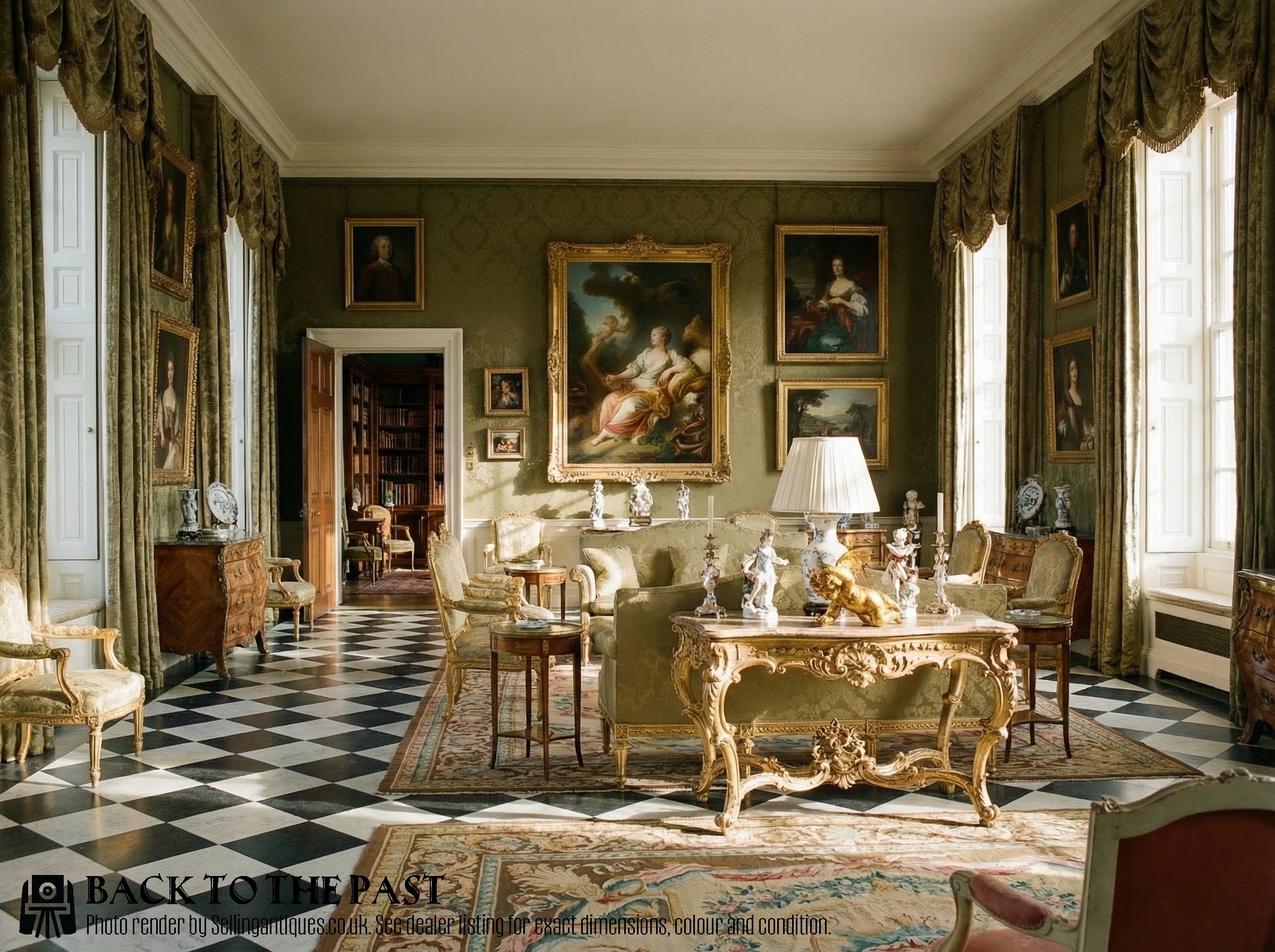
French Chateau Cherub
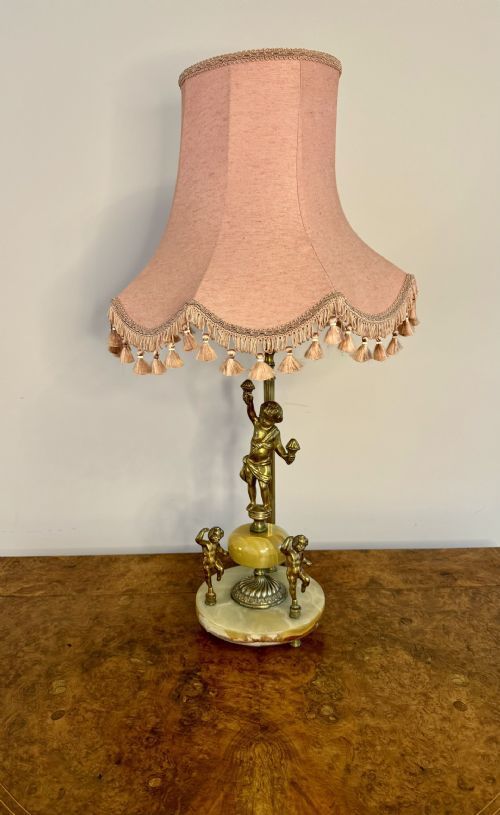
French chateau cherub items span architectural elements, lighting fixtures and decorative mirrors rooted in nineteenth century design. Buyers encounter wall mirrors, candelabra, chandeliers and table lamps that incorporate putti figures into their decorative schemes.
The objects frequently draw upon Rococo Revival, Louis XVI style and Baroque influences. Many examples originate from the nineteenth century, including specific dates across the eighteen fifties, eighties and nineties, alongside early twentieth century adaptations.
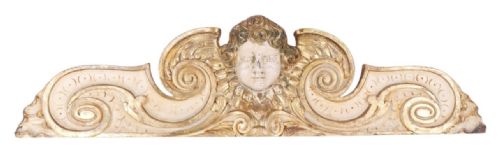
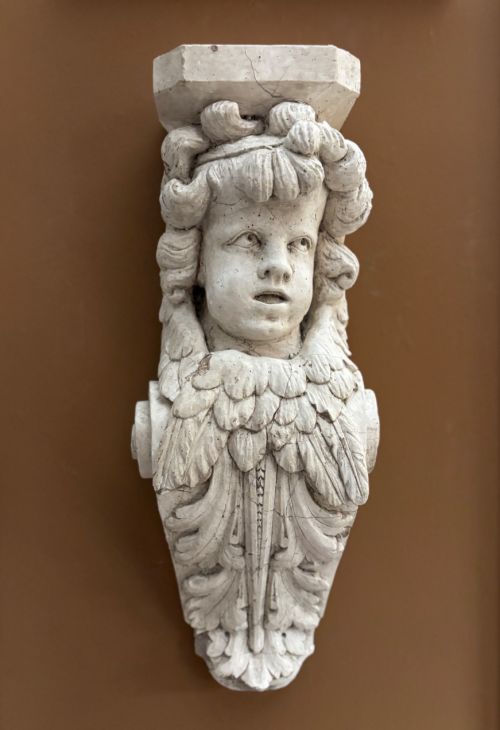
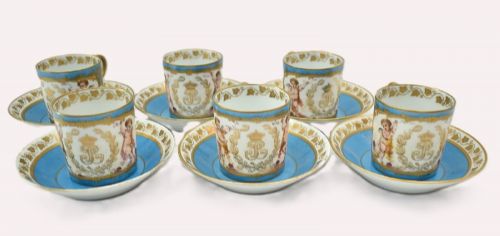
Smaller decorative items such as cups and saucers sit alongside substantial architectural salvage like carved wooden over doors and wall corbels. These forms provide ornamental detailing suitable for domestic interiors seeking a classical European aesthetic.
What varies in quality
The refinement of the figural carving and metal casting dictates the aesthetic standing of each piece. Detailed hand carving in wood and crisply chased ormolu represent the higher tier of craftsmanship.
Material selection significantly influences the overall character, ranging from solid carved wood and gilt bronze to moulded plaster and standard brass. The integration of secondary materials like onyx, marble or porphyry bases adds structural weight and visual depth.
Flying cherubs made of gilt metal manage to hover indefinitely across multiple ceiling light fittings without ever needing to rest their wings.
The French Chateau Cherub Glossary
- Putto
- A representation of a human infant, usually winged, appearing frequently in classical and religious art. These figures form the central cherub motif seen across mirrors, lights and architectural fittings.
- Ormolu
- Finely ground high-carat gold applied to a bronze base using mercury amalgamation. This technique gives metallic decorative items their distinct warm golden sheen.
- Gesso
- A plaster mixture applied to wood surfaces as a base for painting and gilding. It allows craftsmen to build up crisp decorative reliefs before applying gold leaf.
- Porphyry
- An igneous rock with large crystals, valued for its deep purple or red colour. It appears as a dense base material for candelabra and sculptural pieces.
- Overmantle
- A decorative mirror or panel designed to sit directly above a fireplace mantel. These architectural fittings often feature extensive relief work and figural ornamentation.
French Chateau Cherub: Frequently Asked Questions
Where should I place a cherub wall mirror?
These mirrors suit principal reception rooms or above a fireplace mantel where their gilded frames can catch natural light. They function well as focal points within spaces styled with classical or period French influences.
Ensure the wall construction supports the weight of carved wood or heavy gilt plaster frames. Positioning them opposite a window will maximise the reflective brightness in the room.
How do I identify Louis XVI style lighting?
Louis XVI lighting fixtures typically display restrained classical symmetry, straight lines and architectural motifs rather than the asymmetrical curves of earlier Rococo designs. They incorporate bronze, ormolu and classical figural elements such as cherubs.
Examine the casting quality of the metal arms and the detailing on the backplates or candle nozzles. Genuine period examples show careful hand finishing in the chasing and gilding.
Are architectural cherub carvings easy to install?
Architectural elements like over doors and wall corbels require secure fixing to wall studs or masonry due to their substantial wooden construction. Professional installation is recommended to bear the weight safely.
Consider the scale of the room and the height of the ceiling before mounting large wooden carvings. These pieces command significant visual presence and require adequate surrounding space.