

French Cabriole Leg Cabinet
These french cabriole leg cabinet designs bring sculptural curves and period elegance to any interior, combining practical storage with refined historic charm.
French Cabriole Leg Cabinet
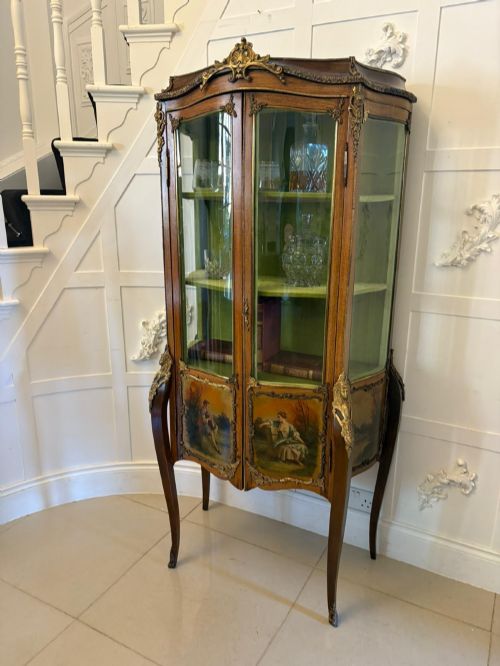
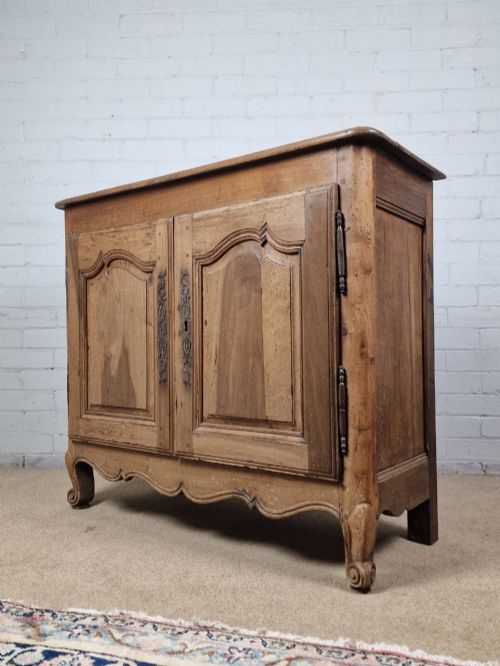
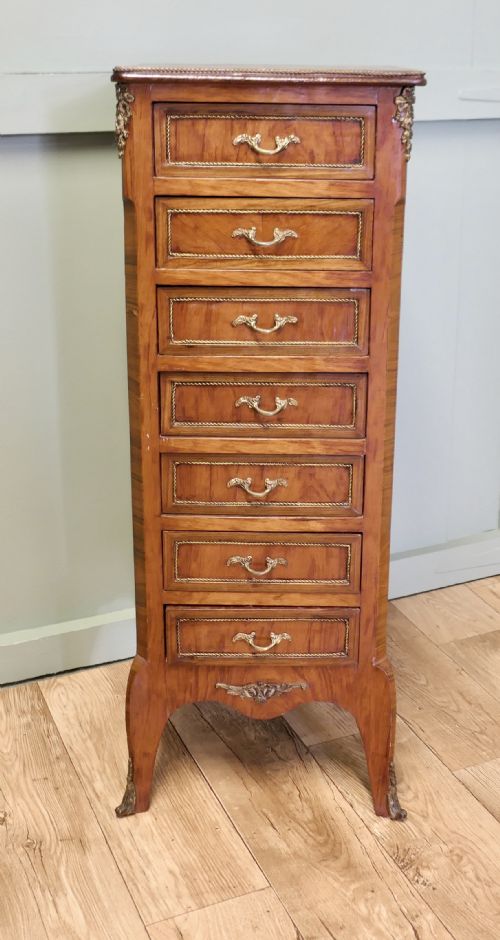
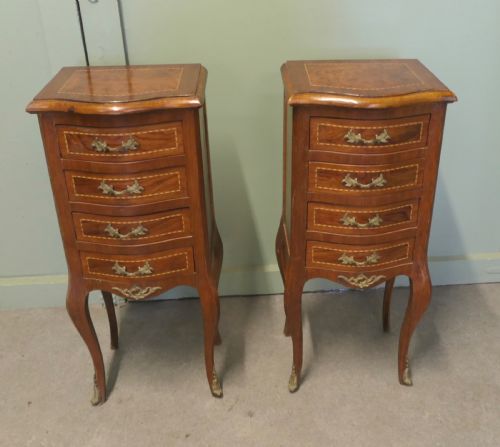
When searching for a french cabriole leg cabinet, buyers encounter a diverse selection of storage forms rooted in nineteenth and twentieth-century European craftsmanship. The selection spans compact bedside tables, display vitrines, desks, and side cabinets dating from the Victorian and Edwardian eras through to the 1930s.
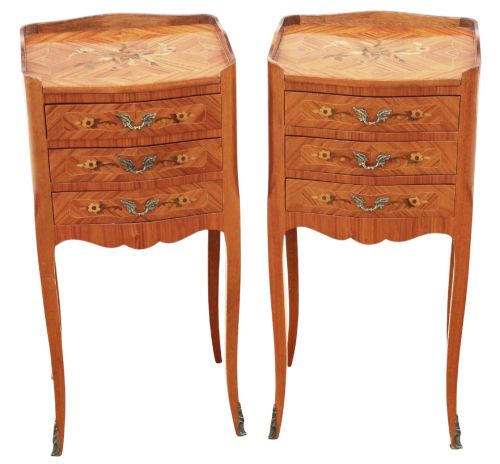
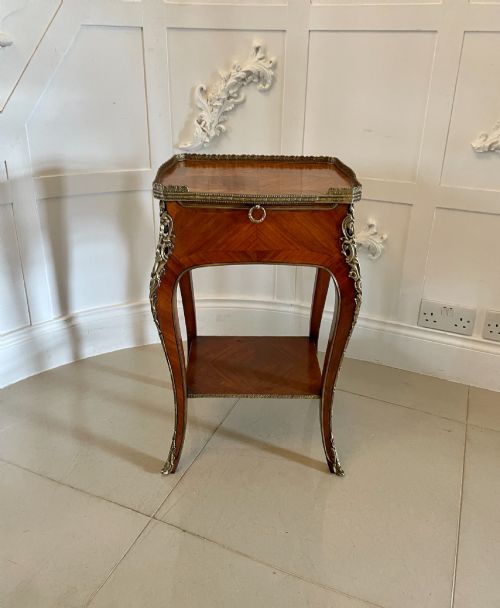
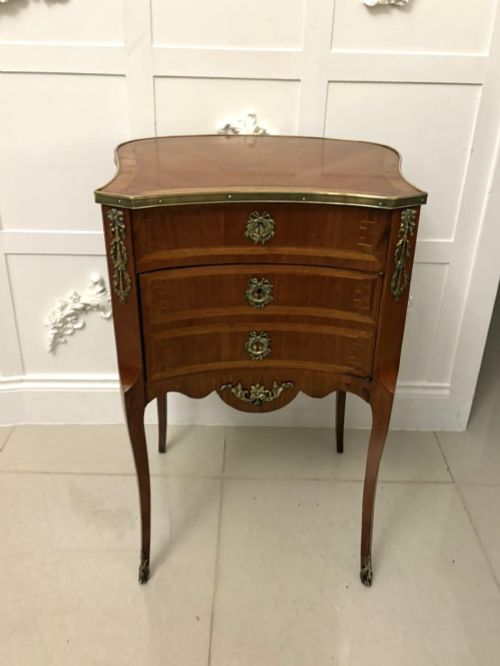
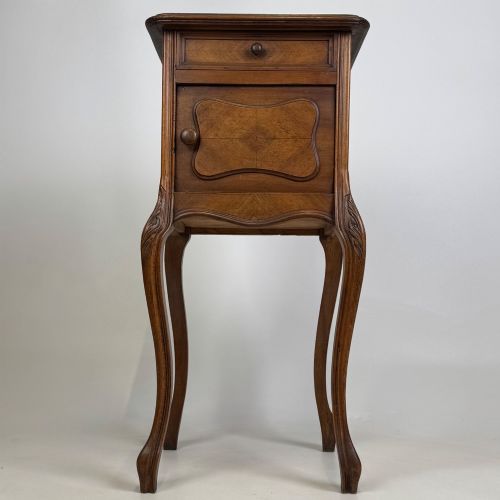
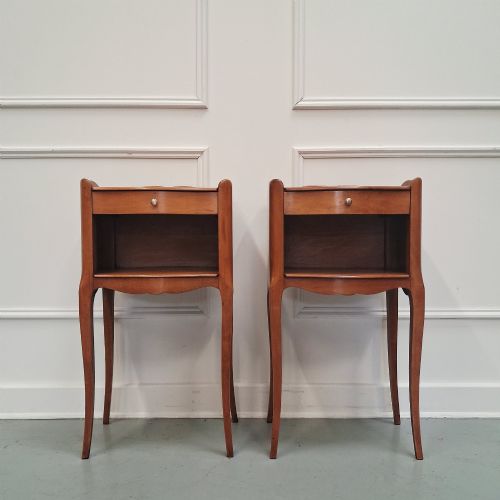
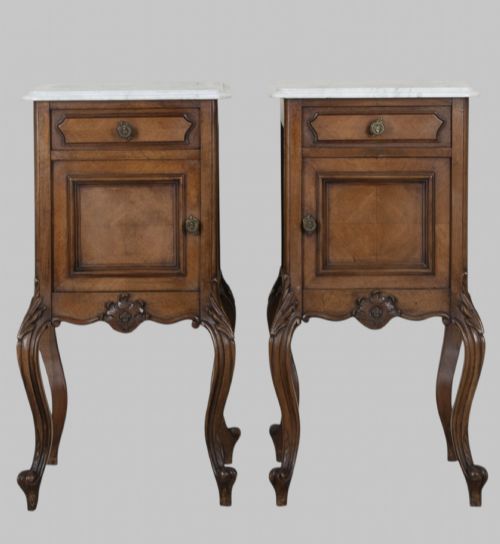
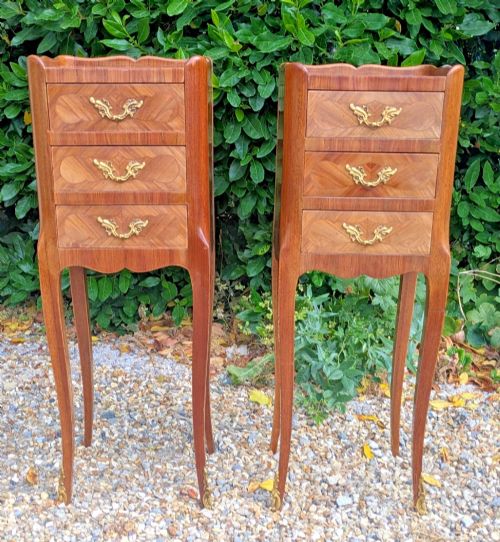
Bedside cabinets and pairs of lamp tables dominate the available forms, often displaying the characteristic curving supports associated with Louis XV and Provincial revivals. Alongside these, larger display cabinets and writing desks appear, offering varied functional options for modern interiors.
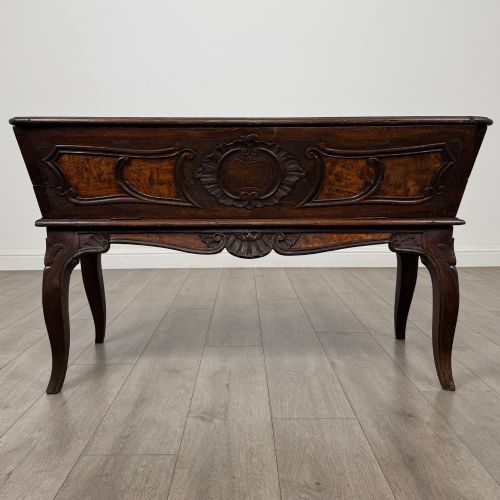
The objects originate from periods ranging from the late nineteenth century into the twentieth century, with styles leaning heavily toward French Rococo and Louis XV revivals. Walnut, mahogany, and oak form the structural backbone of these pieces, frequently enhanced by decorative veneers.
Materials and construction methods
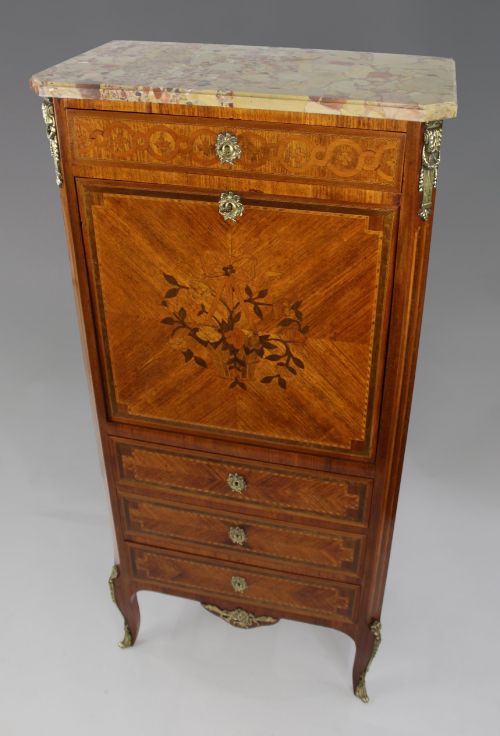
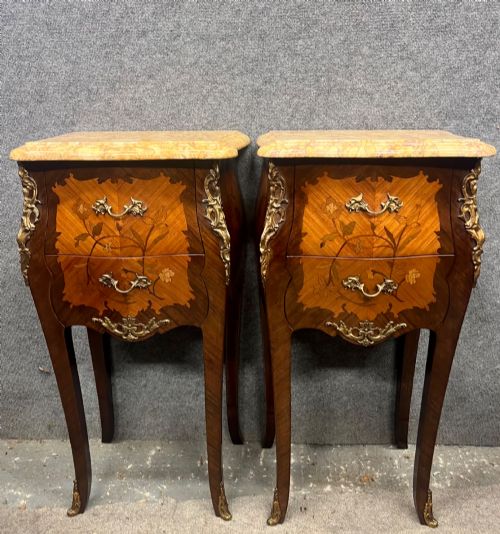
Cabinet makers utilised a rich palette of timbers, combining foundational woods like walnut, mahogany, oak, and cherry with exotic veneers such as kingwood and rosewood. Marquetry inlays add intricate surface patterns to many pieces, requiring precise cutting and fitting of contrasting wood types.
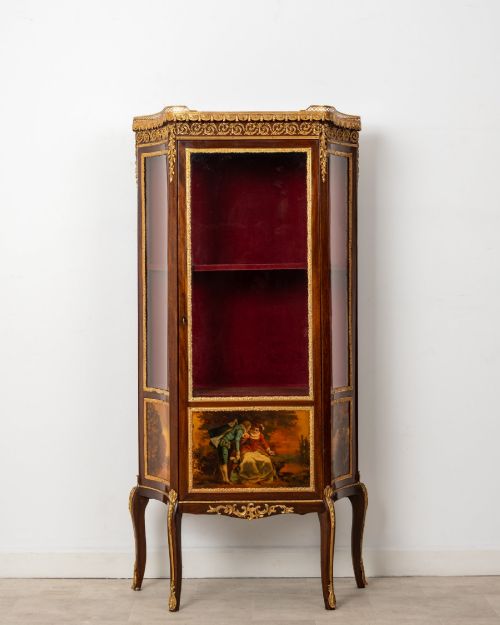
Metal mounts in ormolu, gilt bronze, and brass accent the corners, handles, and legs, providing metallic contrast to the timber surfaces. Marble tops appear frequently on bedside tables and side cabinets, offering a durable and smooth counter surface.
Design influences span Louis XV revival, French provincial, and Rococo styles.
Distinctions in craftsmanship
Quality rests heavily on the crispness of the carving along the curving supports and the precision of the marquetry work inlaid into the timber. Pieces featuring chased ormolu mounts and substantial marble slabs demonstrate a higher tier of workshop production.
The structural integrity of the joints and the richness of the polished wood finish differentiate standard utility items from finer examples designed for formal reception rooms.
The French Cabriole Leg Cabinet Glossary
- Cabriole leg
- An S-curved furniture leg inspired by animal limbs, swelling outward at the knee and tapering inward to a foot. This form defines the silhouette of many Louis XV revival pieces.
- Ormolu
- Gilt bronze mounts applied to furniture for decorative effect. It provides a bright metallic contrast to dark wood veneers.
- Marquetry
- Decorative veneer patterns formed by fitting together small pieces of tinted wood, shell, or ivory. It covers flat surfaces with elaborate pictorial designs.
- Vernis Martin
- A type of simulated Japanese varnish developed in France during the eighteenth century. It creates a lustrous painted finish often found on display cabinets.
- Bonheur du Jour
- A light lady's writing desk featuring a small cabinet or shelving superstructure on top. These desks often incorporate delicate cabriole supports.
French Cabriole Leg Cabinet: Frequently Asked Questions
How do I date these cabinets?
Dating relies on examining the timber construction, hardware, and stylistic revival cues visible in the design. Pieces range from nineteenth-century Victorian examples to 1930s vintage productions.
Cabinet makers often combined historical Louis XV motifs with the manufacturing techniques of their own specific decade. Comparing the secondary woods and joint methods helps clarify the era of manufacture.
Where were these cabinets used originally?
These items served various domestic functions in period homes, from bedside placement to display in formal reception rooms. Smaller tables acted as lamp stands or writing surfaces.
Larger vitrines and escritoires housed books, porcelain, or writing equipment. Their decorative nature meant they were intended for visible living spaces rather than private quarters.
How do I care for marble tops?
Marble surfaces require gentle cleaning with mild soap and water to preserve the polished stone without scratching. Avoid acidic cleaners that can etch the mineral composition.
Using coasters and mats prevents staining from liquids and oils. Regular dusting keeps the porous stone free from abrasive particles.