






Warm Brown Bedside Chests
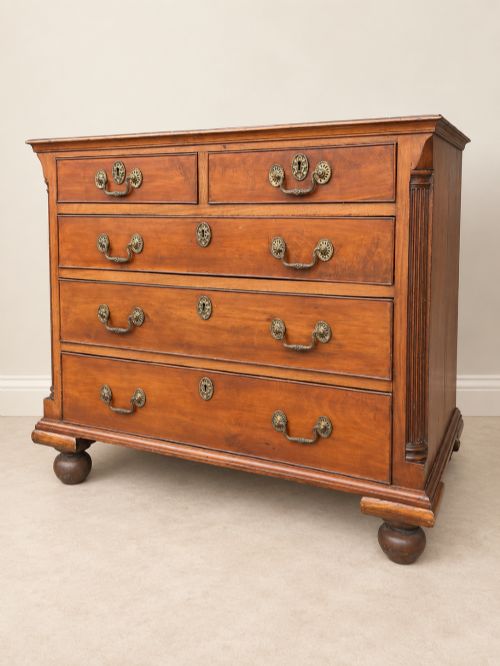
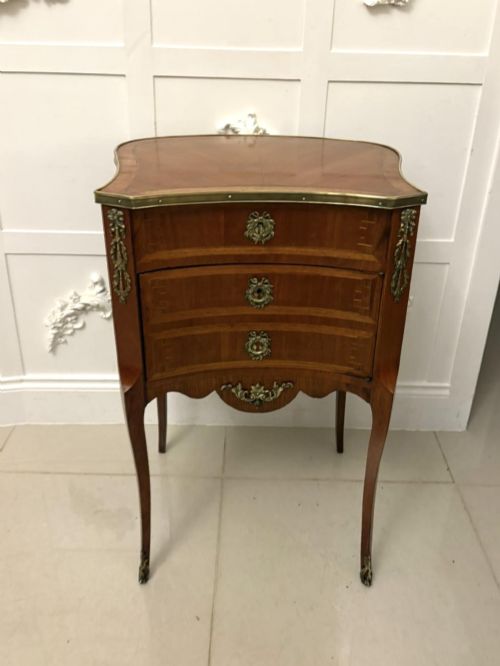
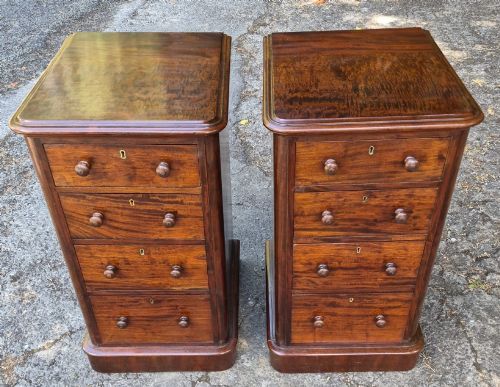
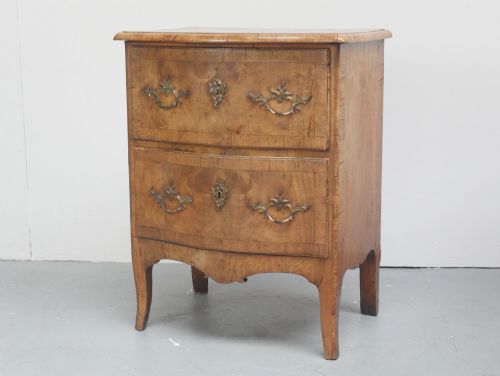
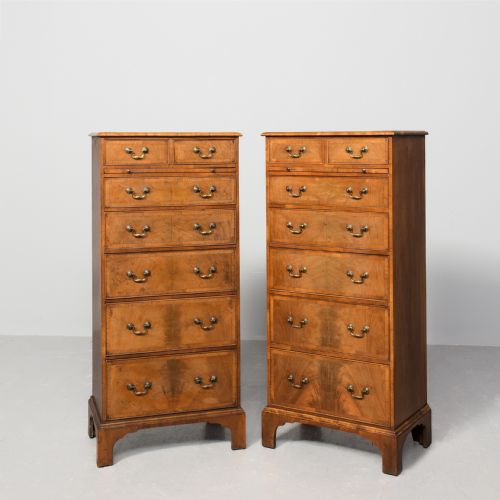
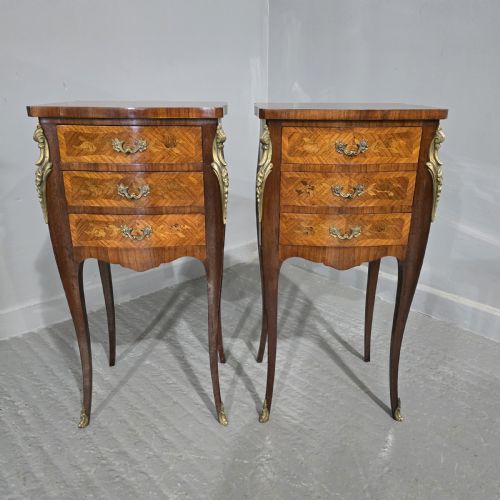
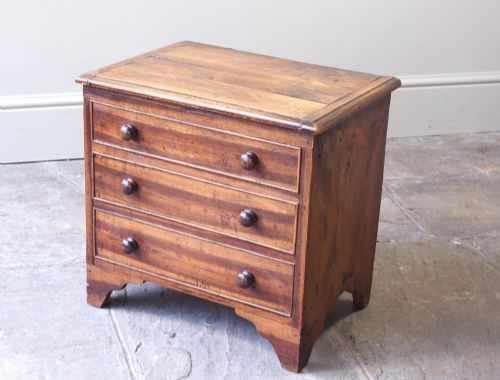
Warm brown bedside chests bring rich tones and compact storage to a room, offering practical surfaces beside a bed with distinct period character.
Warm Brown Bedside Chests
Warm brown bedside chests encompass compact drawer units and small cabinets designed for domestic sleeping quarters. When searching for warm brown bedside chests, buyers encounter various forms including bedside tables, lamp stands, and small commode chests.
The pieces span multiple eras, drawing from Victorian, Edwardian, and Georgian traditions. Makers often styled these smaller chests with inspiration from French Louis XV and Queen Anne revivals, resulting in varied proportions and silhouette types.
Object types on this page range from narrow chests of drawers to close stools and bedside cupboards. Each variant provides surface space and enclosed storage suited for bedside use.
How they were made
Construction relies on traditional timber framing using woods such as mahogany, walnut, oak, and fruitwood. Cabinetmakers frequently applied veneers, including flame mahogany and burr walnut, to create decorative surface patterns on drawer fronts and tops.
Hardware typically consists of brass handles and escutcheons fitted to drawer units. Select pieces incorporate fitted marble tops or painted wood finishes to achieve specific aesthetic qualities.
Warm Brown Bedside Chests Retail Price Guide 2026
Typical asking prices for warm brown bedside chests among the pieces listed under this phrase on Sellingantiques today, from the lower quarter to the upper quarter. They describe what is for sale here now, not the wider market.
Current listings feature pieces spanning the eighteenth, nineteenth, and twentieth centuries, constructed in mahogany, walnut, oak, pine, and fruitwood.
What varies in quality
Quality differences emerge in the selection and matching of wood veneers across surfaces. Fine examples demonstrate careful grain alignment and thoughtful timber choice, particularly in walnut and mahogany variants.
Construction methods and hardware integration distinguish production standards. Pieces showing refined joinery, well-fitted drawers, and quality brass mounts represent the upper end of the range.
The Warm Brown Bedside Chests Glossary
- Commode
- A low cabinet or chest of drawers, often containing multiple tiers for storage. In older contexts, the term also applied to enclosed pieces used as close stools.
- Marquetry
- The art of applying pieces of veneer to a structure to form decorative patterns and pictorial designs. This technique frequently appears on French-inspired stylistic pieces.
- Bowfront
- A curved front facade where the central section projects outward in a convex arc. This shape softens the corners of bedside chests and adds visual depth.
- Close stool
- A piece of furniture designed to enclose a chamber pot, often disguised as a small cabinet or chest of drawers. Later examples are frequently adapted for general bedside storage.
- Veneer
- A thin layer of figured wood applied over a secondary timber base to create an ornamental surface. Flame mahogany and burr walnut are common applications.
Warm Brown Bedside Chests: Frequently Asked Questions
What is a close stool?
A close stool is an enclosed piece of furniture originally designed to contain a chamber pot. Over time, many of these domestic items were converted into standard bedside cupboards or small chests.
They retain compact proportions that make them useful as small storage units beside a bed.
Are these chests suitable for modern beds?
The pieces vary in height and width, reflecting the different mattress heights of their original eras. Buyers often check the surface height against their own bed frame before selecting a piece.
Compact dimensions allow them to fit into tighter spaces where standard bedside tables might prove too bulky.
What distinguishes satin walnut from standard walnut?
Satin walnut typically refers to timber with a lighter, smoother grain appearance compared to darker European walnut varieties. It was frequently used in Edwardian and early twentieth-century cabinetmaking.
The resulting surface offers a distinct golden-brown hue while maintaining traditional hardwood durability.