

French Bronze Figures
French bronze figures bring classical mythology, romantic literature and academic sculpture into domestic spaces with lasting presence.

The Nature of French Bronze Figures
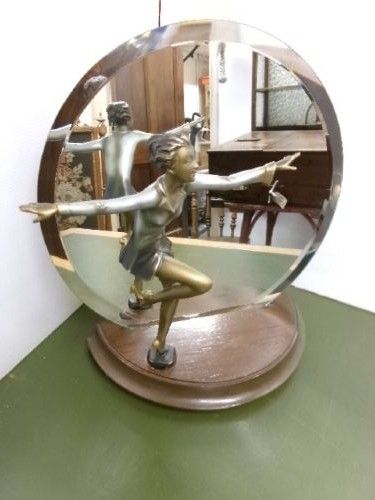
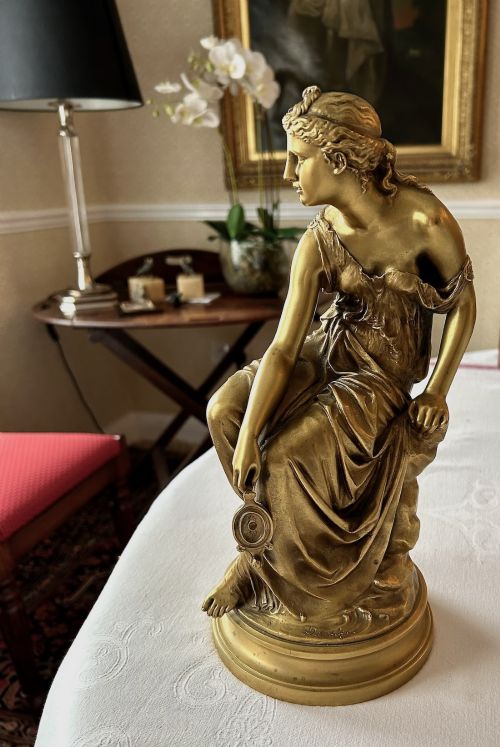
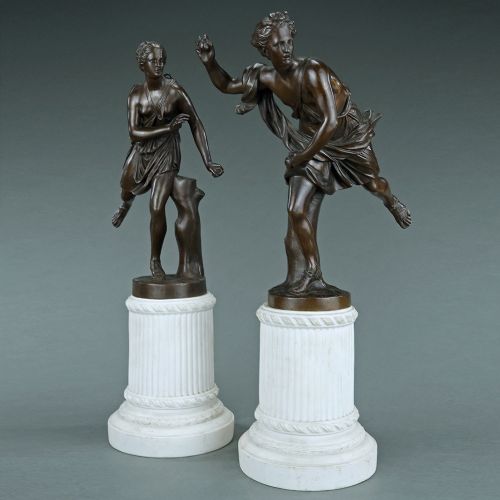
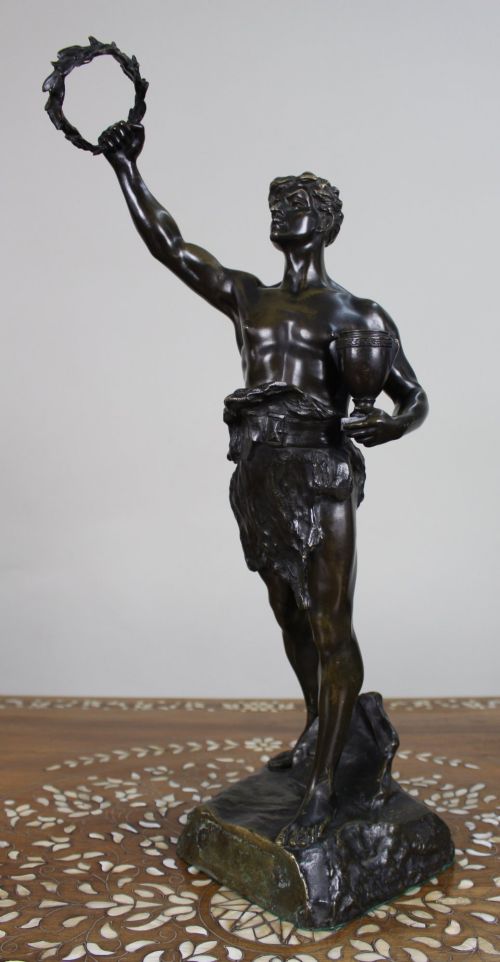
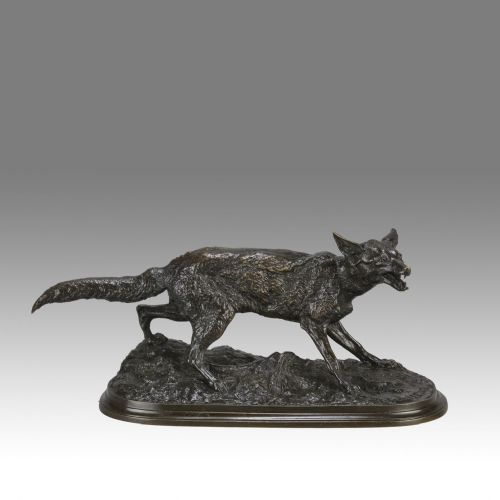
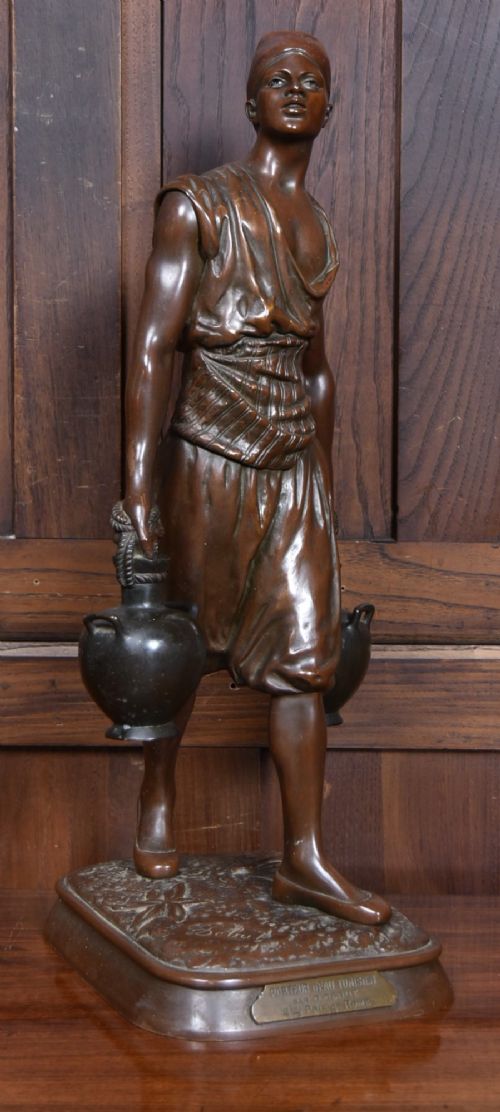
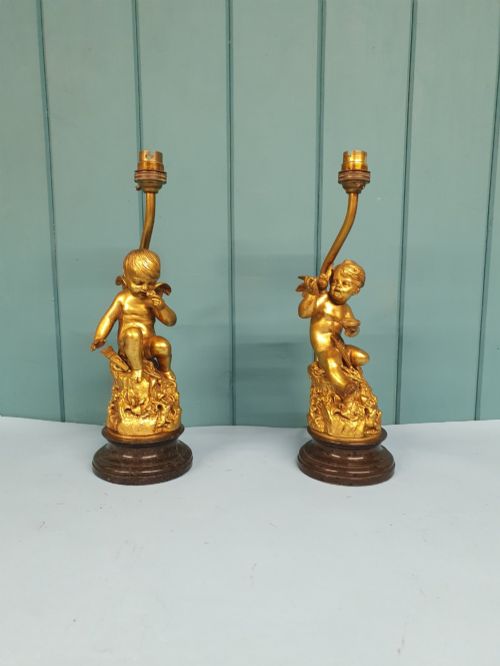
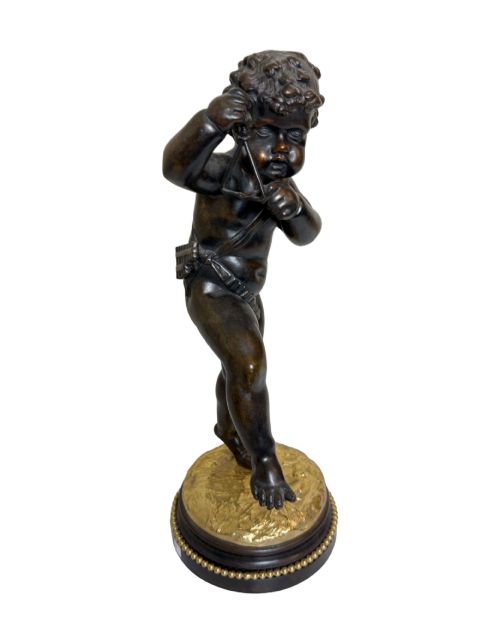
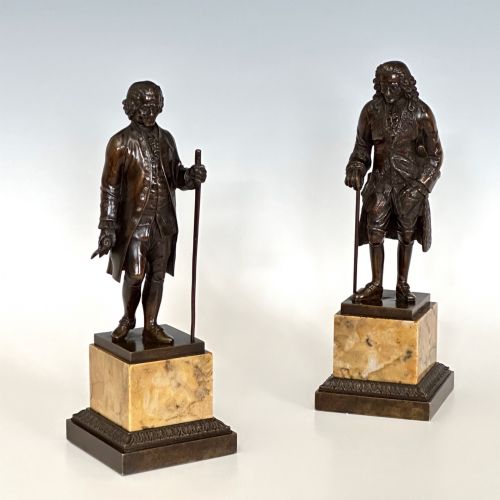
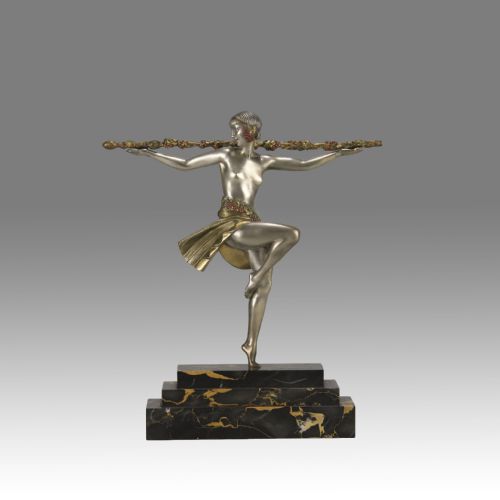
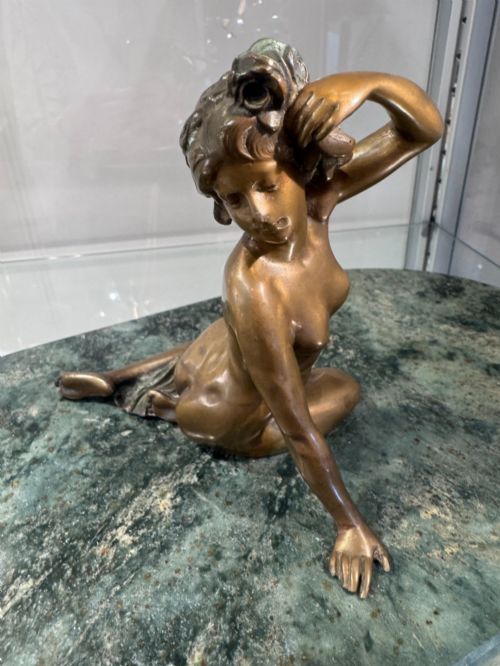
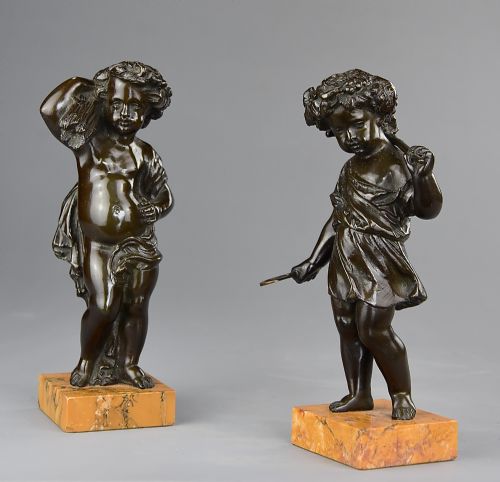
French bronze figures encompass sculptures produced across the nineteenth century, ranging from classical mythological subjects and allegorical figures to literary characters and historical personalities. These works frequently appear as balanced pairs, often depicting classical deities, musicians, allegories of the seasons, or heroic figures derived from French academic tradition.
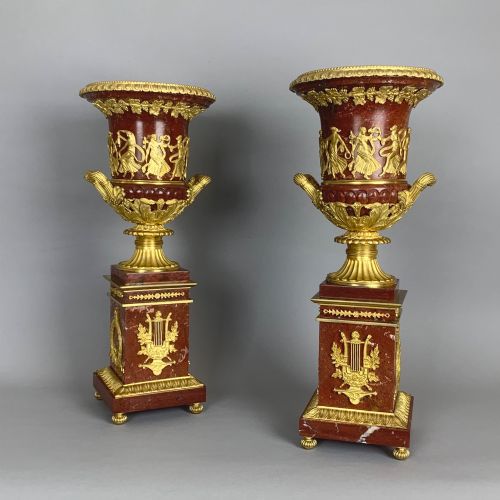
The objects seen here reflect a strong academic influence, spanning periods from the Directoire era through the late nineteenth century. Pieces range from intimate cabinet statuettes and mantel clock garnitures to large architectural groups after established sculptors like Coustou or Guillemin.
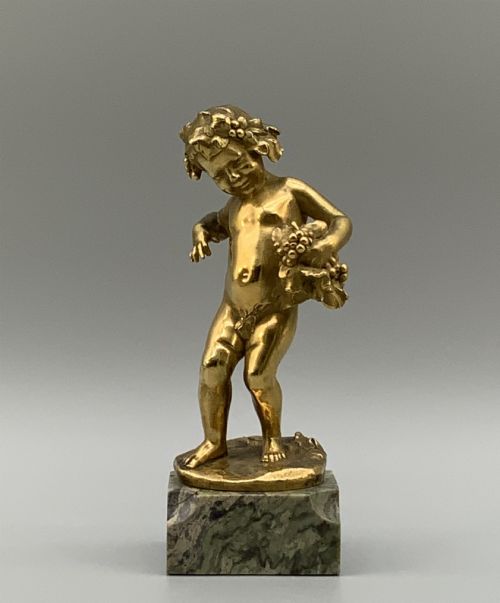
Subjects draw heavily from classical antiquity, pastoral themes, and romantic literature, capturing figures such as Mercury, Fortuna, Paul et Virginie, and various putti or cherubs. Collectors encounter both solid cast bronzes and pieces paired with marble bases or detailed surface gilding.
Evaluating Quality and Execution
Superior examples often bear the signatures or foundry stamps of recognised sculptors or established Parisian founders, accompanied by meticulous detailing to reverse sides and hidden areas. The integration of heavy marble plinths and the application of genuine ormolu or multi-toned patination further separate ambitious studio pieces from decorative factory castings.
Retail Price Guide 2026
Typical UK retail prices for french bronze figures, calculated from the Sellingantiques database of over a million retail prices indexed since 2003. This retail price guide relies exclusively on Sellingantiques data; no external sources or auction records are used, so the figures do not describe the wider market.
Nineteenth-century sculptors occasionally gave cheerful cherubs surprisingly serious agricultural duties.
Emile-Coriolan Guillemin·Alfred Grevin·Emile victor BLAVIER·Coustou·Auuste Moreau·Van Lierde
The French Bronze Figures Glossary
- Ormolu
- A technique of applying finely ground high-carat gold amalgam to bronze, creating a rich golden surface finish that resists tarnish. This method was widely employed on decorative mounts and mantel clock garnitures throughout the nineteenth century.
- Spelter
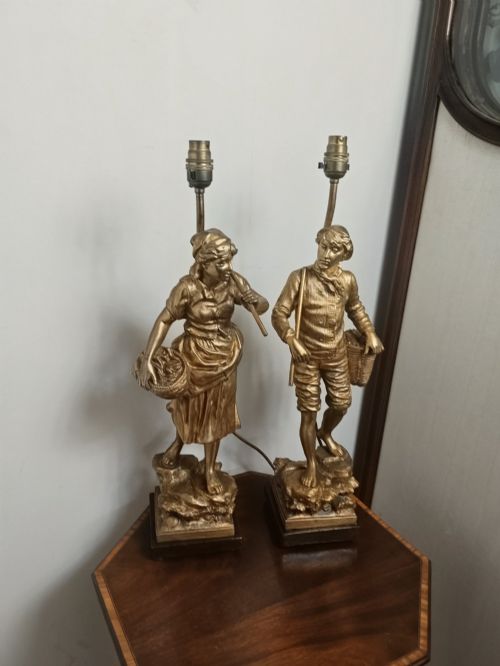
- An alloy of zinc and lead, sometimes mixed with copper, used as an economical alternative to bronze. It accepts metallic paints and patination readily, often appearing in nineteenth-century decorative figures.
- Patination
- The chemical or natural coloration of the bronze surface achieved through heat, acids, and oils. A deep brown or black patina protects the metal while accentuating the sculptural contours.
- Lost-wax casting
- A process where a wax model is encased in clay, melted out, and replaced with molten bronze. This technique allows for exceptional undercut detail and complex sculptural forms.
- Directoire
- A transitional French design style bridging Louis XVI and Empire periods, characterised by strict classical restraint and Republican symbolism. Pieces from this era lean heavily on ancient Greek and Roman archetypes.
Frequently Asked Questions
How are these figures cleaned?
Dusting with a soft, dry brush is generally sufficient to maintain the surface without disturbing the historic patina.
Moisture and abrasive cleaning agents should be avoided entirely to prevent permanent damage to the bronze or gilding.
What is the difference between bronze and spelter?
Bronze is a durable copper alloy capable of holding exceptionally sharp sculptural detail and deep patination.
Spelter is a softer zinc alloy that feels lighter and often shows grey metal beneath worn areas of its painted finish.
Why do these figures often come in pairs?
Nineteenth-century interior design favored symmetry, particularly for mantelpieces, sideboards, and architectural consoles.
Pairs often depicted complementary allegorical figures, such as matching musicians, virtues, or mythological counterparts.
How can I date a nineteenth-century bronze?
Dating relies on stylistic clues, foundry marks, the quality of the chasing, and the nature of any associated marble bases.
Comparative analysis with documented salon exhibitions and sculptor catalogues helps narrow the period of production.