
French Bedroom Storage Chest
A french bedroom storage chest brings continental elegance and practical depth to a room, offering generous proportions disguised in fine cabinetry.
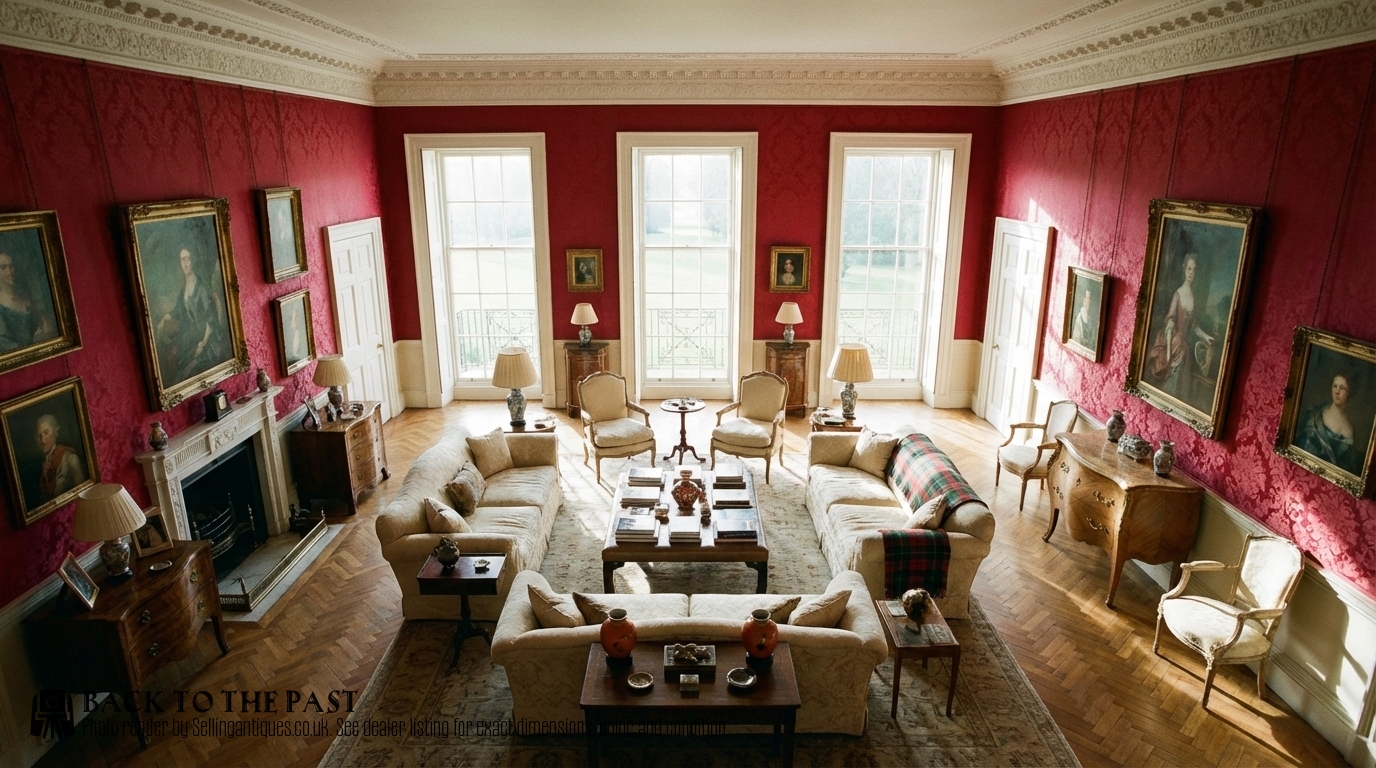
French Bedroom Storage Chest
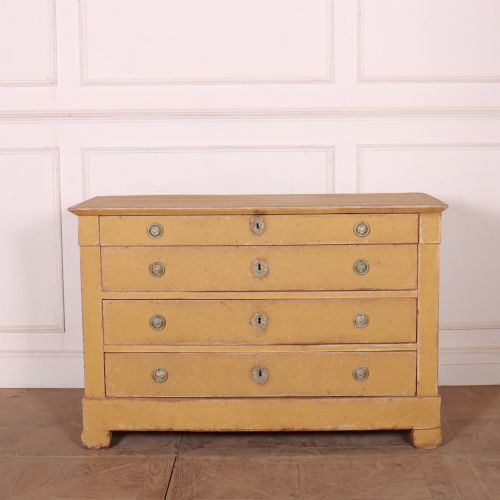
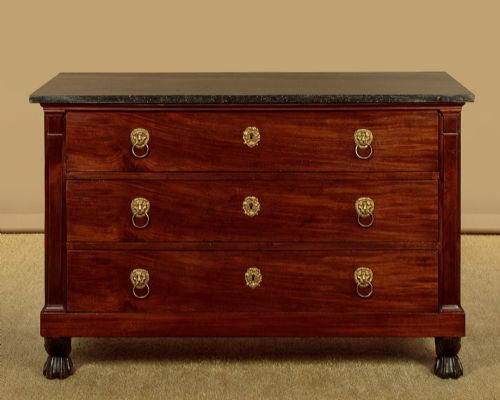
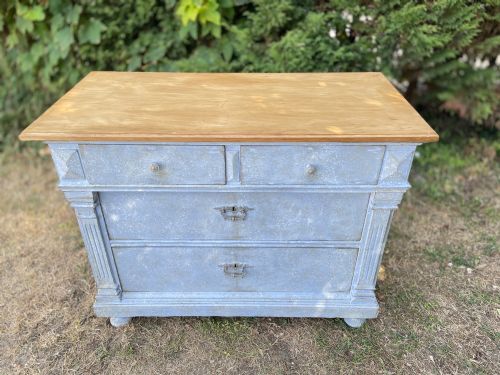
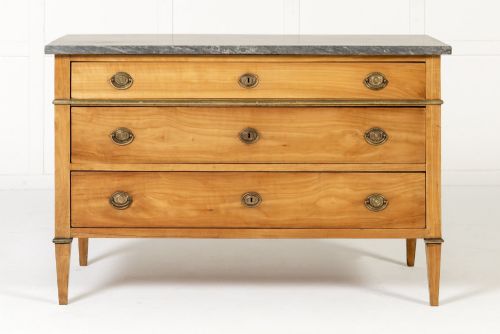
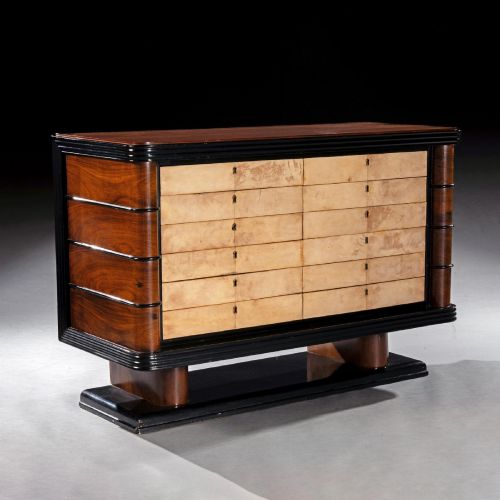
When searching for a french bedroom storage chest, buyers encounter a diverse selection of antique case furniture designed for domestic storage. The pieces on this page span several centuries, with the nineteenth century heavily represented alongside examples from the eighteenth and early twentieth centuries.
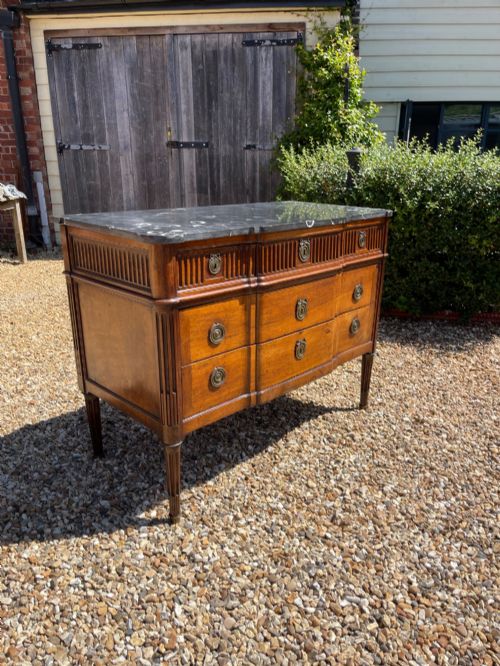
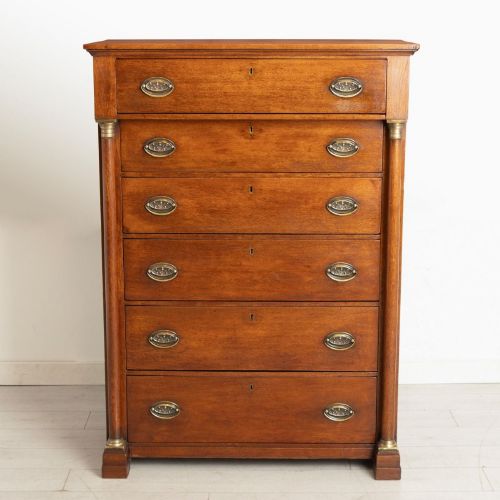
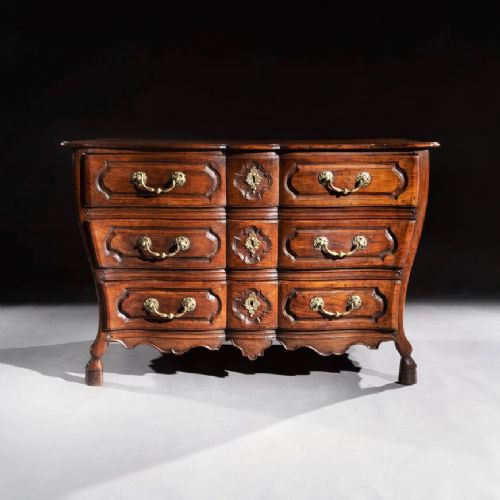
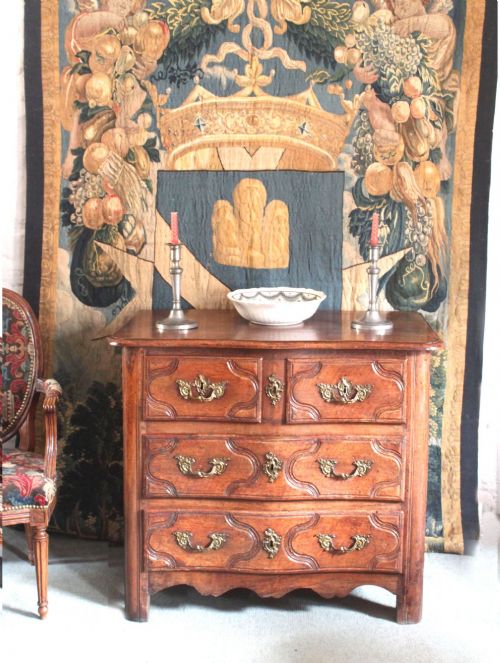
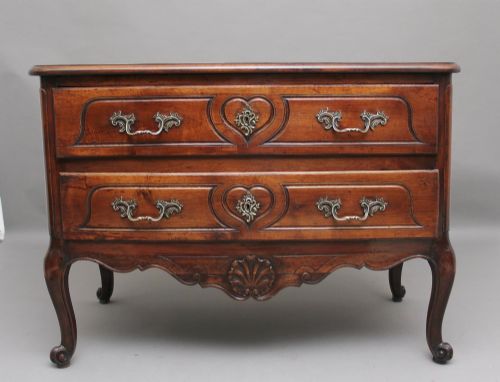
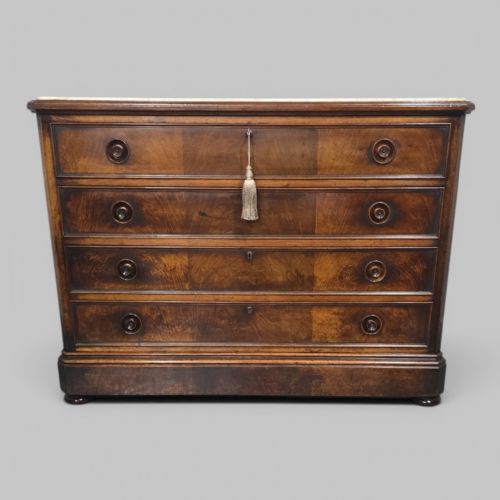
The dominant forms are chests of drawers and commodes, frequently executed in regional styles such as French Provincial, Louis XV, Louis XVI, and French Empire. Buyers meet both substantial walnut and cherrywood provincial pieces and more formally styled urban commodes.
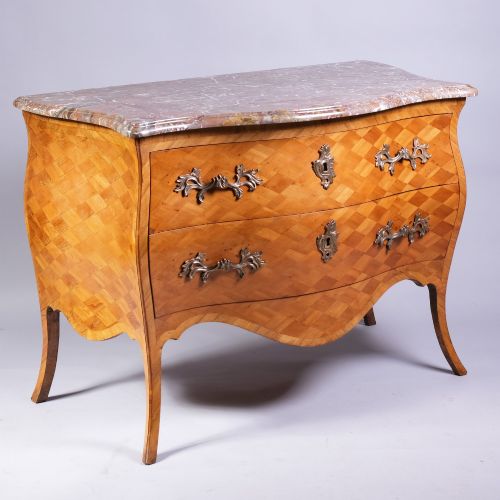
Makers and regional joiners utilised traditional timber framing to create functional storage that doubled as decorative focal points for the bedroom. The selection ranges from tall upright chests to low, serpentine-fronted commodes fitted with multiple drawers.
Markers of fine execution
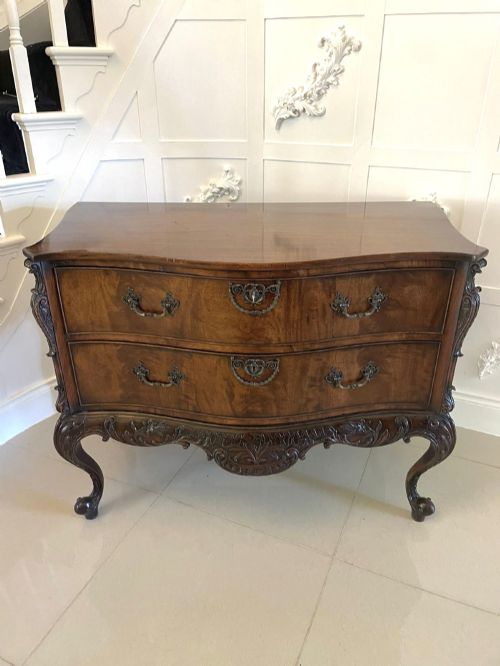
The distinction between standard domestic utility and superior cabinet work lies in the selection of figured veneers and the precision of the joinery. Serpentine and bombe fronts require considerable skill to shape accurately from dense hardwoods.
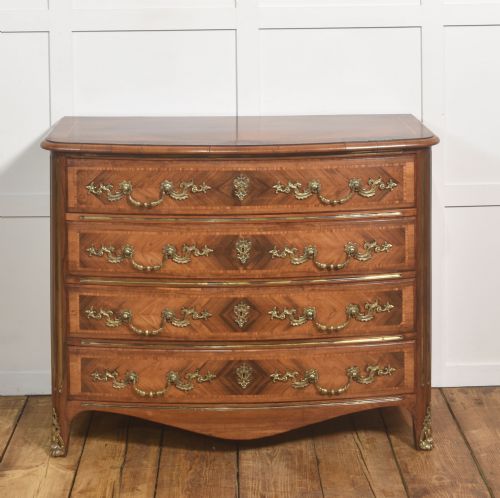
Original hardware, finely cast ormolu mounts, and well-fitted marble slabs elevate a piece above simpler vernacular examples. The crispness of carved details and the harmonious grain matching across drawer fronts indicate the workshop's standing.
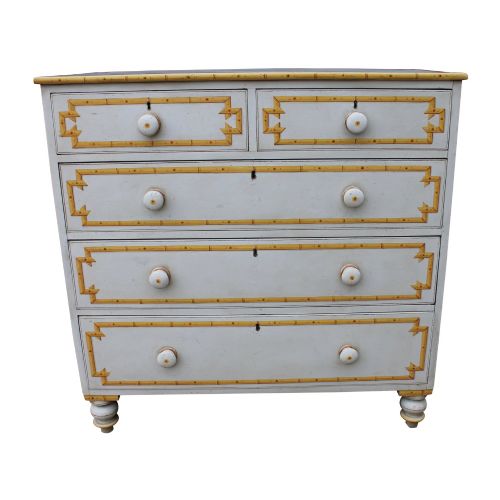
Some nineteenth-century makers cleverly turned ordinary timber into convincing faux bamboo, proving Victorian joiners loved a botanical disguise.
Edwards and Roberts
The French Bedroom Storage Chest Glossary
- Commode
- A low chest of drawers, typically dating from the eighteenth or nineteenth century and often fitted with a marble top.
- Bombe
- A swelling, outwardly curved contour found on the front and sides of certain case furniture.
- Serpentine
- A front line or surface curved in a wave shape, concave centrally and convex at the ends.
- Ormolu
- Gilded bronze used for decorative mounts and furniture hardware during the eighteenth and nineteenth centuries.
- Marquetry
- Decorative patterns formed by inlaying wood veneers on a solid carcase structure.
- Semainier
- A tall, narrow chest of drawers traditionally designed with seven drawers for each day of the week.
French Bedroom Storage Chest: Frequently Asked Questions
How do I date a french bedroom storage chest?
Dating relies upon examining construction methods, timber types, and stylistic indicators such as hardware and decorative motifs. Eighteenth-century pieces often display hand-cut joinery and regional timber choices, whereas nineteenth-century examples may incorporate machine-sawn components or distinct revival styles.
Changes in lock mechanisms and interior linings also help narrow down the period. Comparing the overall silhouette against known stylistic eras provides further confirmation of age.
Were these chests used only in bedrooms?
While modern usage centres on the bedroom, historical placement varied according to the size of the home and the room's function. Commodes and chest forms frequently stood in reception rooms, hallways, or dressing chambers for storing household linens and personal items.
Their decorative frontages made them suitable for public rooms as well as private sleeping quarters. Today, owners utilise them across various domestic spaces for versatile storage.
What is the difference between a commode and a chest of drawers?
In historical terms, a commode is a low, ornate cabinet featuring drawers, often associated with French design and frequently topped with marble. A standard chest of drawers can refer to taller, simpler utilitarian storage pieces from various regional traditions.
However, terminology often overlaps in antique markets where both terms describe low timber storage chests. Examining the proportions and decorative detailing usually clarifies the specific form.
How should I care for antique timber and marble?
Maintain timber surfaces by applying appropriate wax polish sparingly and avoiding direct exposure to strong sunlight or fluctuating heat sources. Gentle dusting with a soft cloth preserves the finish without wearing away the patina built up over generations.
Marble tops require protection from acidic substances like citrus or wine, which can etch the polished stone surface. Clean marble simply with a damp cloth and mild soap when necessary.
Can I fit a french bedroom storage chest in a modern room?
These pieces integrate well into contemporary interiors by providing contrasting warmth, texture, and practical surface space. Their diverse proportions mean smaller provincial commodes fit easily into compact modern bedrooms.
Matching the wood tone or painted finish to existing decor helps anchor the piece within the room. The inclusion of drawers ensures they remain functional daily storage units.