


French Art Pottery
These french art pottery pieces range from nineteenth century faience to nineteen thirties deco figures, offering robust ceramic forms for interior display.
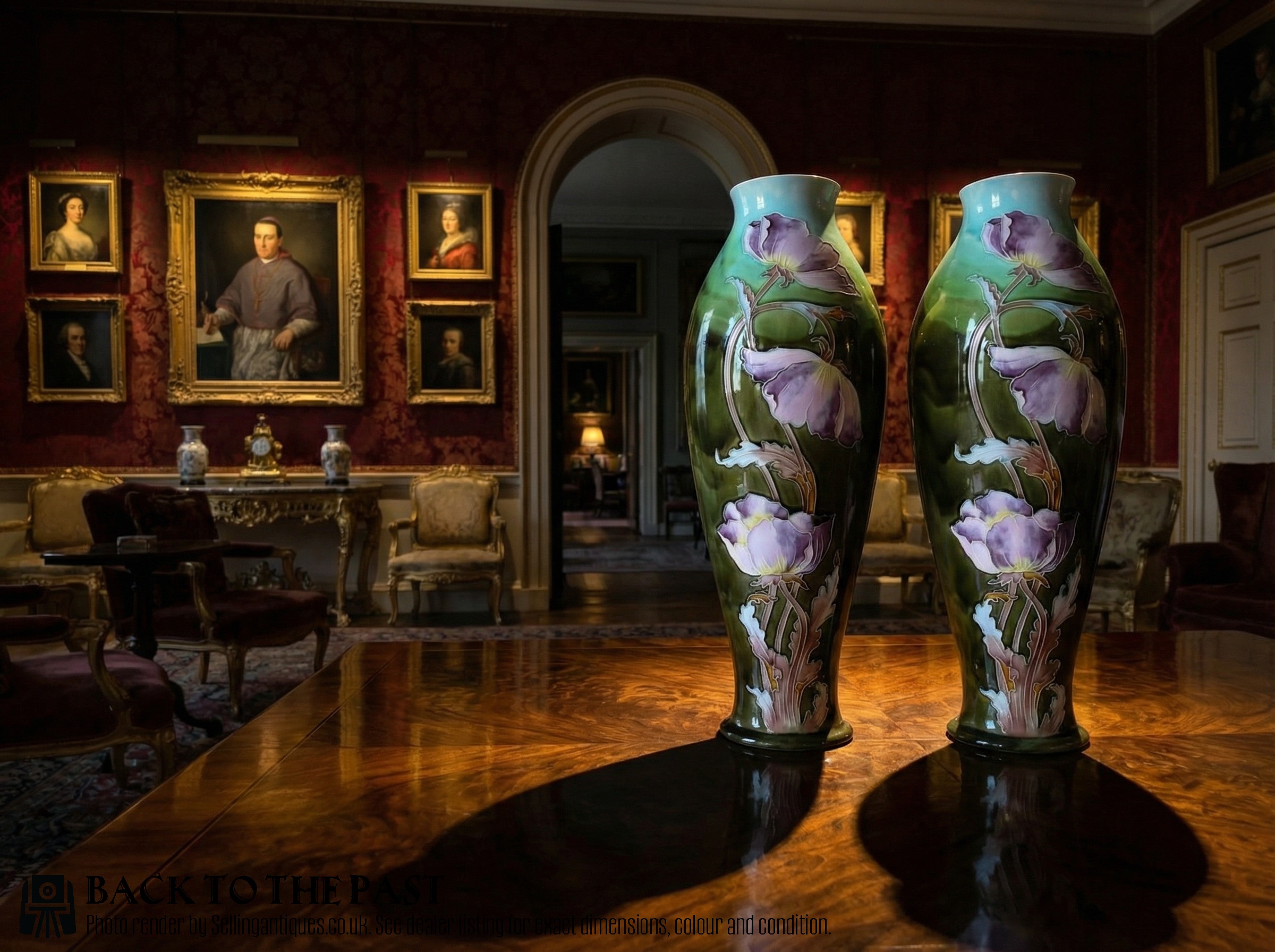
French Art Pottery
When buyers search for french art pottery, they encounter a diverse selection spanning multiple centuries and distinct regional styles. The inventory here covers practical serving dishes, sculptural animal figures, and decorative vases originating from workshops across France.
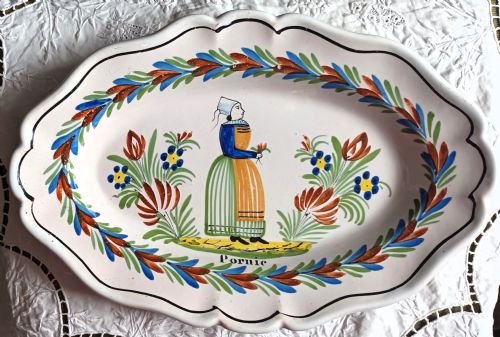
Quimper faience dishes and nineteenth century earthenware pieces represent the traditional side of this category. Alongside these traditional items, buyers frequently discover nineteen thirties art deco vases and modernist glazed stoneware from later twentieth century decades.
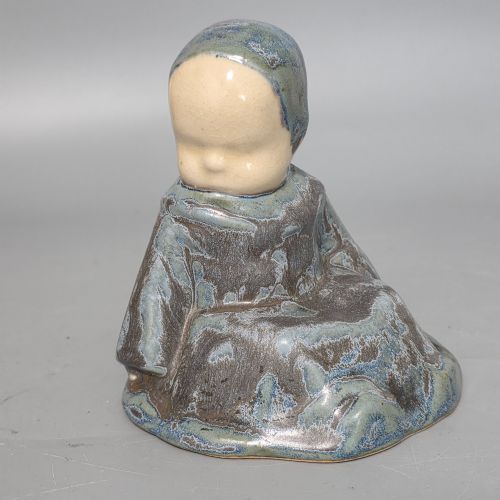
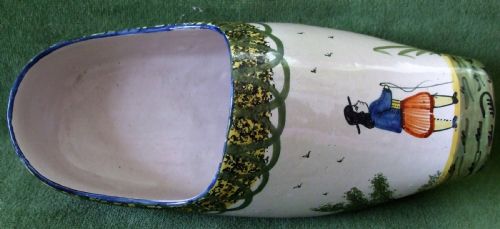
The objects take many forms, including table lamps, pin trays, wall plaques, and terracotta busts. Each piece demonstrates the regional specialities of French kilns, from Normandy roof tile felines to Quimper sabot clogs.
Materials and production methods
Potters utilised earthenware, faience, stoneware, and terracotta as the primary clay bodies for these items. Artisans shaped these materials by hand or in moulds, preparing them for detailed hand painting and specialised surface glazing.
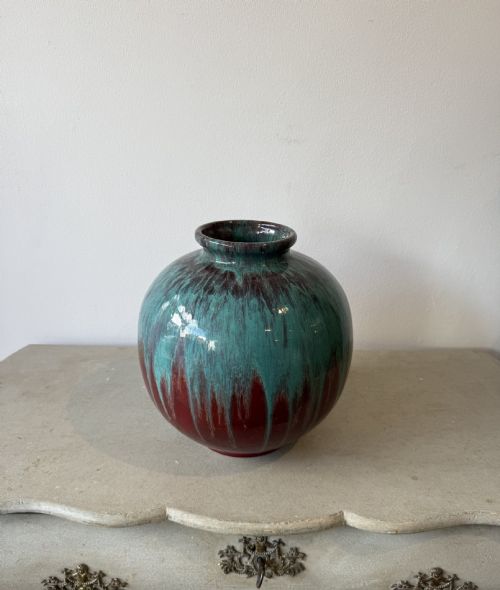
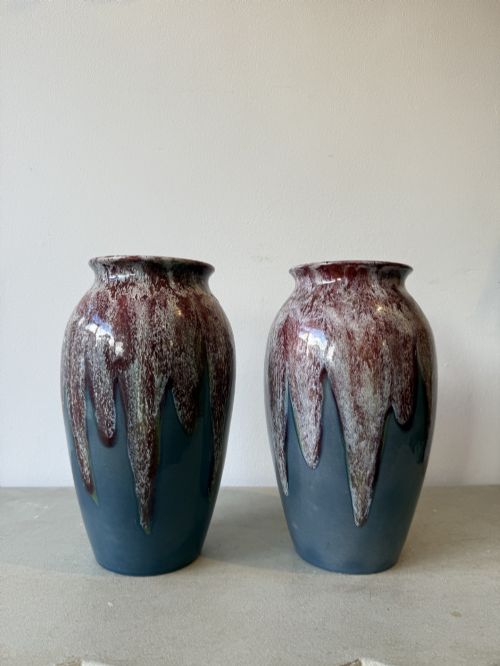
Glazing techniques define much of the visual character in this selection, incorporating lustres, crystalline drips, and cloisonné enamelling. Firing methods varied from traditional regional kiln setups to sophisticated art deco studio processes.
Feline subjects include glazed terracotta cats originally designed to sit as decorative roof tiles on French country houses.
Factors determining quality
Quality rests upon the crispness of the modelled form and the control shown during the glazing process. Pieces that retain vibrant hand painted pigments or complex crystalline effects stand apart from simpler commercial wares.
Attribution to documented potteries or known studio artists elevates the standing of an individual piece. The precision of the brushwork and the complexity of the kiln transformation separate standard regional items from exceptional examples.
Berthe Savigny·Clement Massier·Robert T Lallement·Jules Vieillard·Limoges
The French Art Pottery Glossary
- Faience
- Tin glazed earthenware produced widely in France, known for its opaque white background and hand painted polychrome decoration. This technique allowed makers to achieve bright pictorial surfaces on porous clay bodies.
- Quimper
- Pottery produced in the French town of Quimper, traditionally decorated with distinctive regional peasant figures and floral borders. HB and HR mark two of the most prominent historic factories from this region.
- Gres
- French term for stoneware, denoting a dense, vitrified ceramic body fired at high temperatures. This material requires no internal glaze to achieve water resistance.
- Crystalline glaze
- A specialised chemical glaze formula that grows visible crystals during the cooling cycle of the kiln. This unpredictable studio effect creates unique starburst patterns across the pottery surface.
- Cloisonne faience
- Pottery decorated with raised clay outlines that separate different enamel colours, mimicking metalwork techniques. Longwy factory pieces often utilise this method to contain vibrant colour fields.
French Art Pottery: Frequently Asked Questions
How do I identify Quimper pottery?
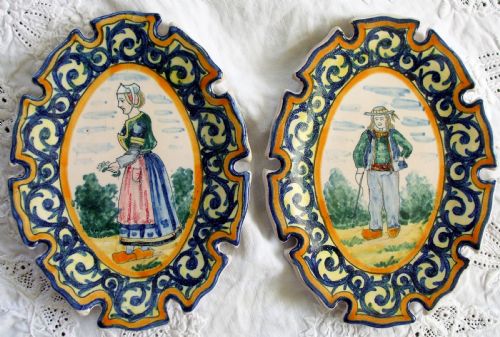
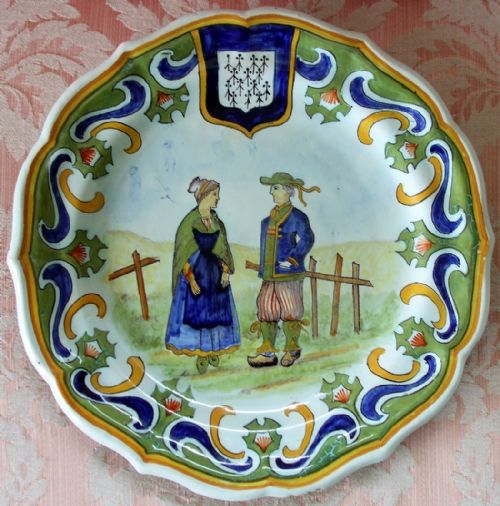
Quimper pieces typically feature hand painted depictions of Breton peasants alongside floral motifs in blue, yellow, and green palettes. Look for factory marks such as HB or HR on the unglazed base.
The earthenware bodies often take traditional forms like wall plaques, jugs, or sabot clogs. These characteristics help separate authentic regional items from later souvenir reproductions.
What is art deco french pottery?
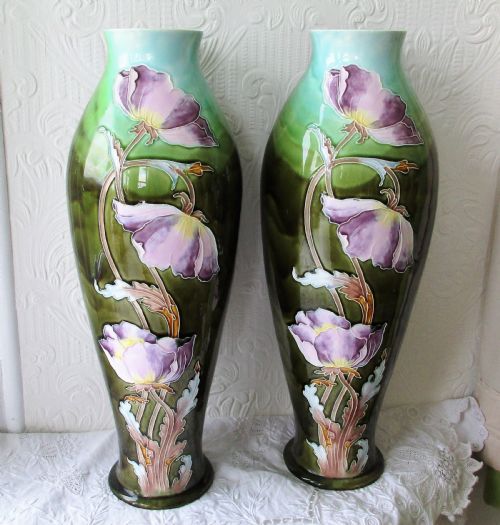
Art deco pottery from France dates primarily to the nineteen twenties and nineteen thirties, embracing geometric lines and stylized animal forms. Makers utilised bold colour contrasts, crackle finishes, and simplified silhouettes.
These pieces reflect the modernist design shifts of the interwar period. They often appear as large jardiniere stands, sleek vases, or glazed feline sculptures.
How should I clean glazed ceramics?
Clean glazed ceramics using a soft cloth dampened with warm water and mild soap. Avoid harsh chemical cleaners or abrasive scouring pads that can damage historic glazes.
Dry the pieces thoroughly afterwards with a lint free towel. Delicate faience and older earthenware require careful handling around chipped rims or aged surfaces.
Are nineteenth century pieces marked?
Many nineteenth century French items bear painted or impressed maker marks on the underside. Common indicators include factory initials, town names like Desvres or Lille, and decorator ciphers.
Unmarked pieces still receive attribution through characteristic clay bodies, glaze palettes, and regional forms. Comparison with documented archive examples assists in dating unmarked items.