

Enamelled Ceramic Vase
An enamelled ceramic vase brings together rich mineral colours and fired clay, offering a striking focal point for a room.
Enamelled Ceramic Vase
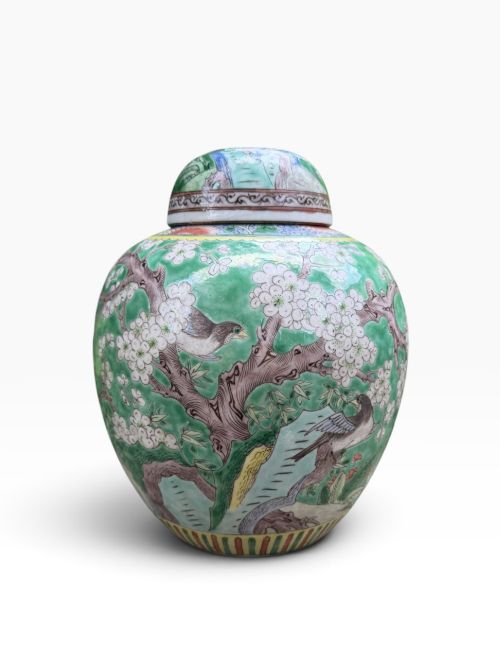
When searching for an enamelled ceramic vase, a buyer encounters pieces originating primarily from Chinese dynasties, Japanese Meiji and Showa periods, and European potteries. These items span standard tabletop vessels, ginger jars, floor vases, and jardinieres designed for display.
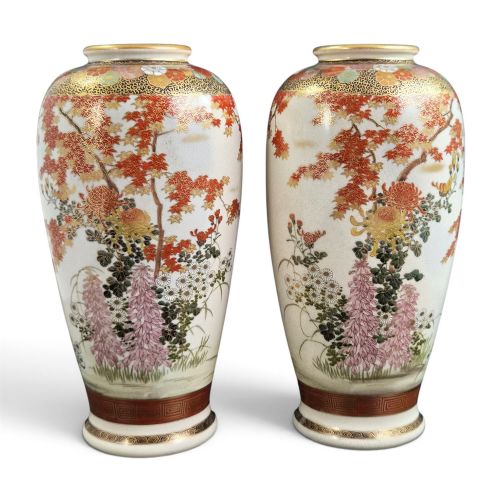
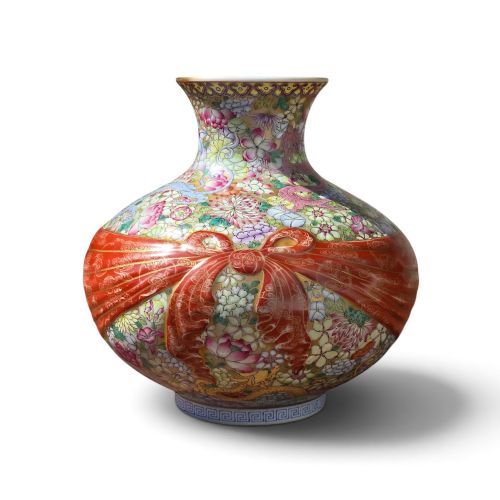
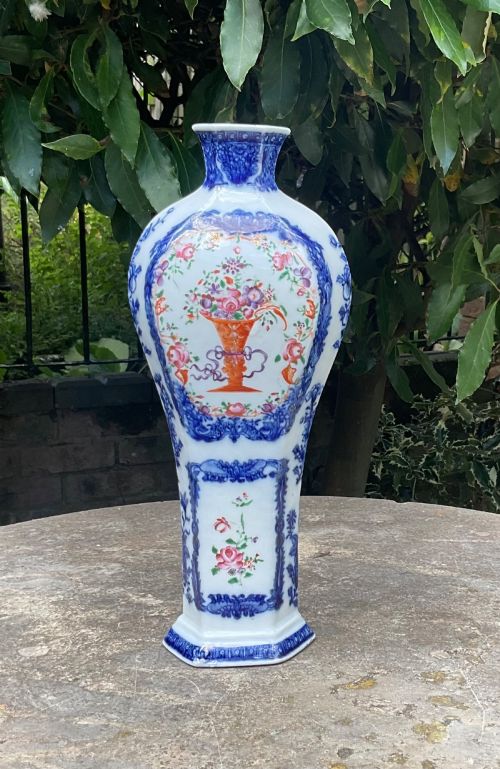
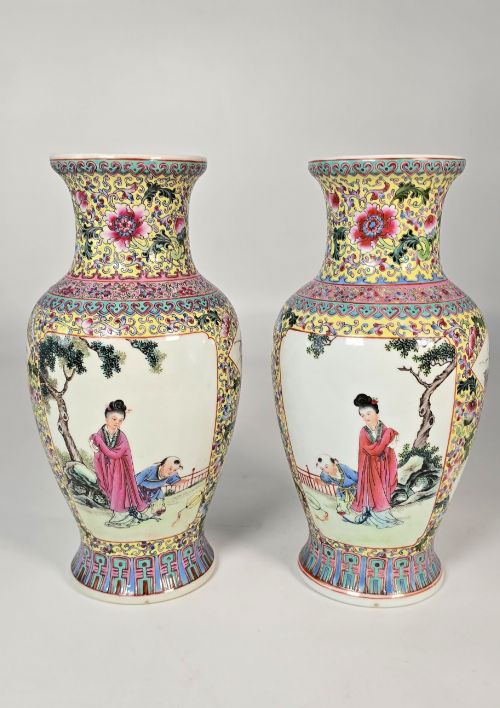
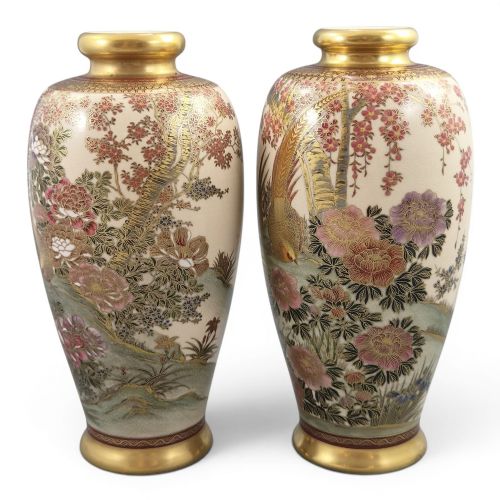
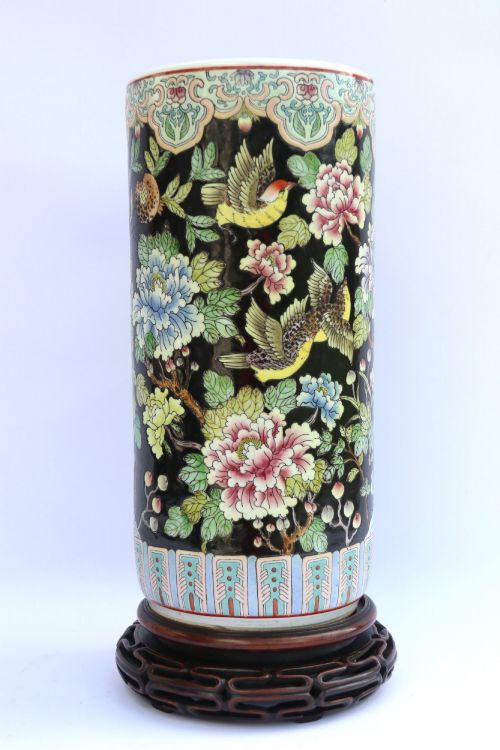
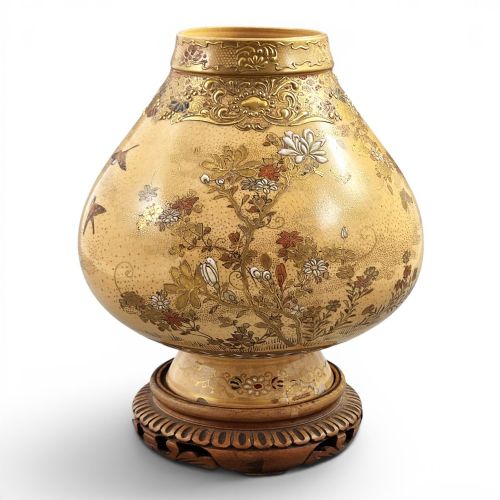
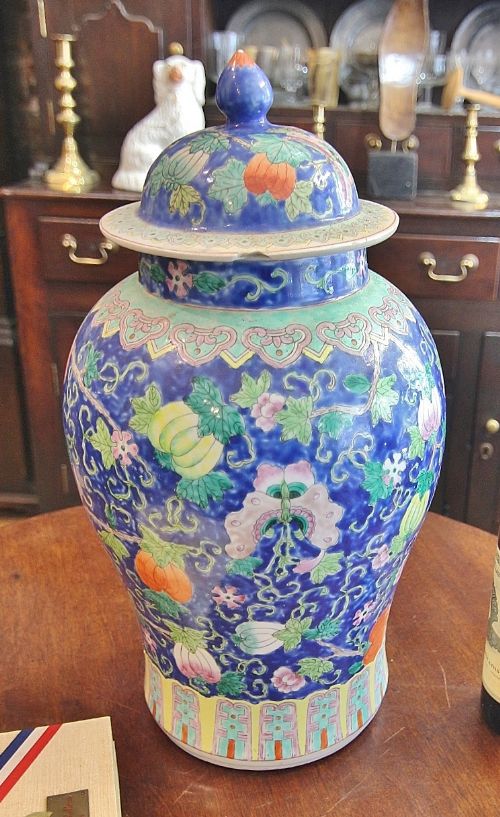
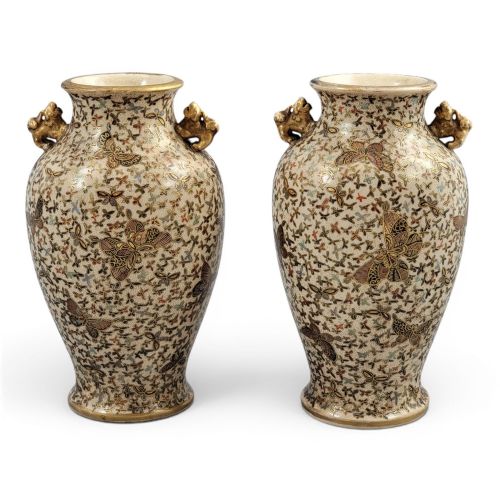
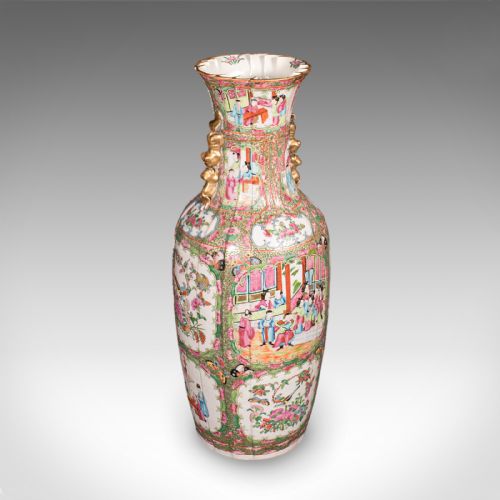
The Chinese examples frequently display famille rose or monochrome grounds with intricate floral or figurative details. Japanese Satsuma ceramics offer finely crazed earthenware decorated with elaborate cobalt, gilt, and moriage relief work.
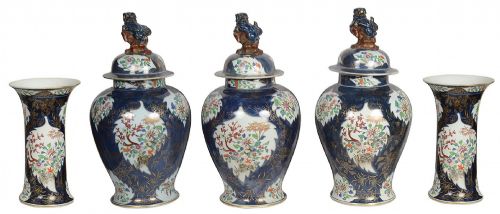
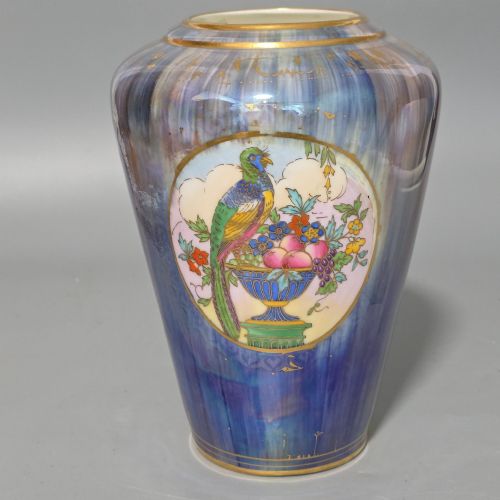
European pieces from factories like Minton and Royal Doulton contribute art pottery and lustre finishes to the selection. These vessels range from small decorative items to monumental floor-standing display pieces.
Materials and Techniques
The construction begins with a ceramic body formed from porcelain, stoneware, or earthenware clay. Artisans then apply pigments, glaze, and enamel directly onto the surface before firing.
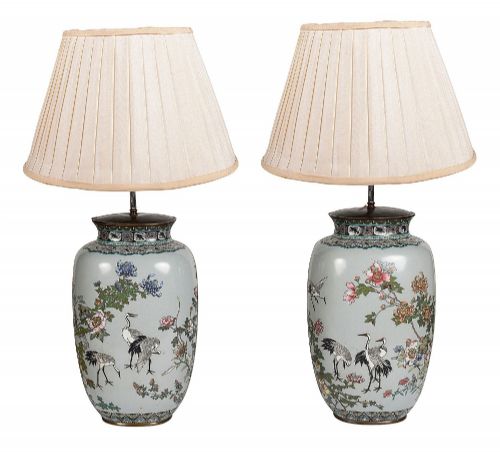
Many Japanese and Chinese works incorporate raised slip decoration known as moriage, alongside applied gold leaf or gold gilt detailing. Cloisonné pieces utilise metal wires to partition the enamel fields before the firing process sets the glass paste.
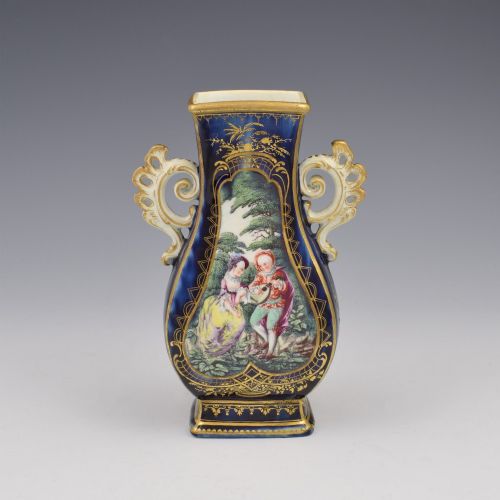
European makers employ hand-enamelled decorative art pottery techniques, integrating lustre glazes and painted pictorial scenes onto stoneware and earthenware bodies.
Parrots, dragons, and thousand butterflies frequently inhabit the painted surfaces, keeping company with court figures across the centuries.
Distinctions in Quality
The fineness of an enamelled ceramic vase rests on the precision of the brushwork and the complexity of the decorative scheme. Workshop signatures and specific reign marks from periods such as the Qianlong or Guangxu eras separate standard production items from masterworks.
The density and relief of the gilding, alongside the control shown in multi-layered enamel application, dictate the refinement of the piece. Superior examples maintain crisp lines within detailed panels depicting figures, birds, or botanical scenes.
Maruni Kobe·Manpei·Kinkōzan Workshop·Kinzan·Makuzu Kozan II·Nanzan·Seiko-en Chokei·Hakusan·Hododa·Samson, Paris·Minton·Royal Doulton
The Enamelled Ceramic Vase Glossary
- Famille Rose
- A palette of opaque enamels dominated by pink or rose colours, introduced in Chinese ceramics during the Qing dynasty. This group includes various floral and figurative motifs.
- Moriage
- A decorative technique using slip applied in raised dots or lines to create textured patterns on Japanese ceramics, often seen on Satsuma wares. It provides a distinct tactile surface.
- Cloisonné
- A metalwork technique where enamel paste is applied within compartments defined by soldered wires, also adapted on ceramic bodies. The piece undergoes kiln firing to vitrify the glass powders.
- Satsuma
- Japanese earthenware featuring an ivory-coloured, crackled glaze painted with polychrome enamels and gold. These pieces were produced extensively for export during the Meiji period.
- Baluster
- A vase form characterised by a bulbous lower portion tapering to a narrow neck and flared rim. This silhouette appears frequently in Chinese porcelain productions.
Enamelled Ceramic Vase: Frequently Asked Questions
How do I identify a Satsuma vase?
Satsuma wares typically feature a characteristic pale, crackled earthenware glaze decorated with dense enamel painting and gilt highlights. Many bear artist signatures or workshop marks on the base.
Examine the surface texture for raised moriage details, which frequently depict traditional court figures, landscapes, or butterflies characteristic of the Meiji period.
What is the difference between famille rose and famille noire?
Famille rose relies on an opaque pink enamel derived from colloidal gold, combined with a broader pastel palette for floral and narrative scenes. Famille noire employs a lustrous black ground that contrasts sharply with brightly coloured enamel flowers and birds.
Both styles were utilised extensively across Qing dynasty porcelain production.
How should I display a large floor vase?
Monumental floor vases and jardinieres require stable placement away from high-traffic areas to prevent accidental impact. Many Chinese floor vases historically include fitted hardwood stands that elevate the ceramic body off the floor.
Position the piece where natural light can catch the surface gilding and enamel details without exposing the pigments to direct, harsh sunlight.