



Polychrome Faience Vases
These polychrome faience vases bring vibrant tin-glazed earthenware and painted enamels into your rooms, offering distinct historic revivals and traditional forms.
Polychrome Faience Vases
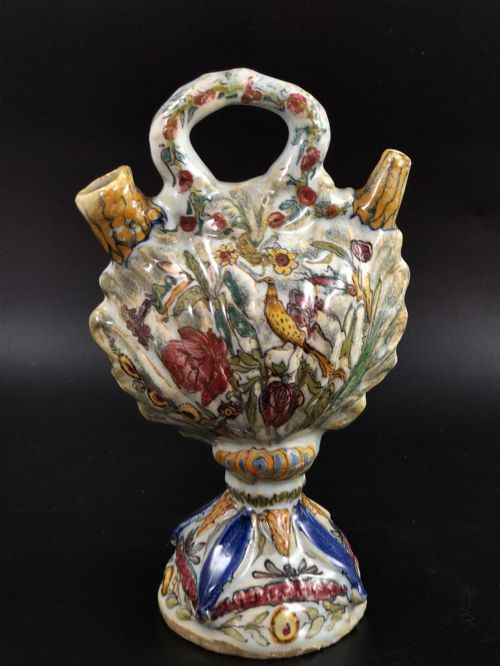
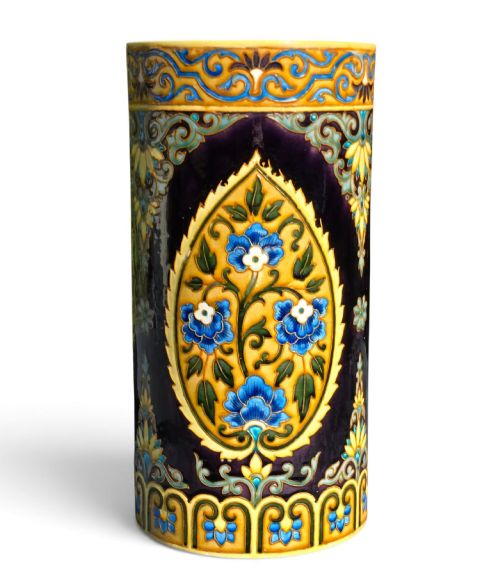
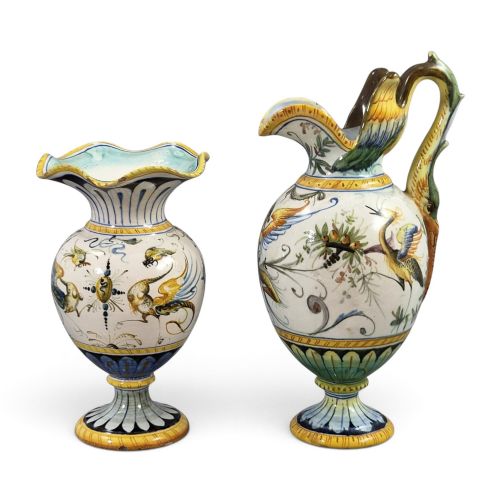
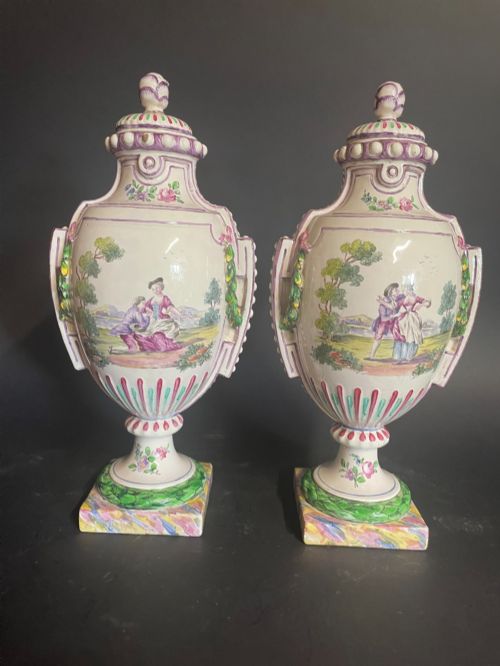
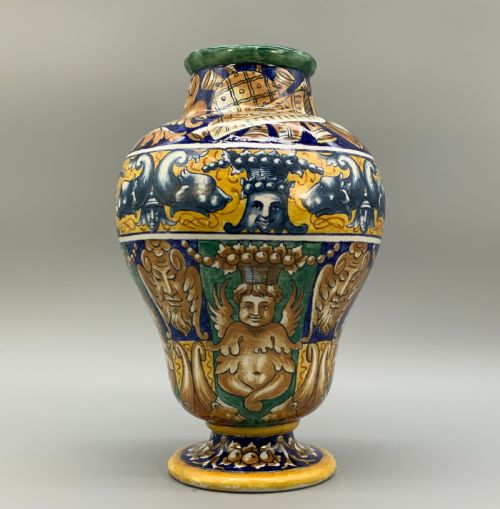
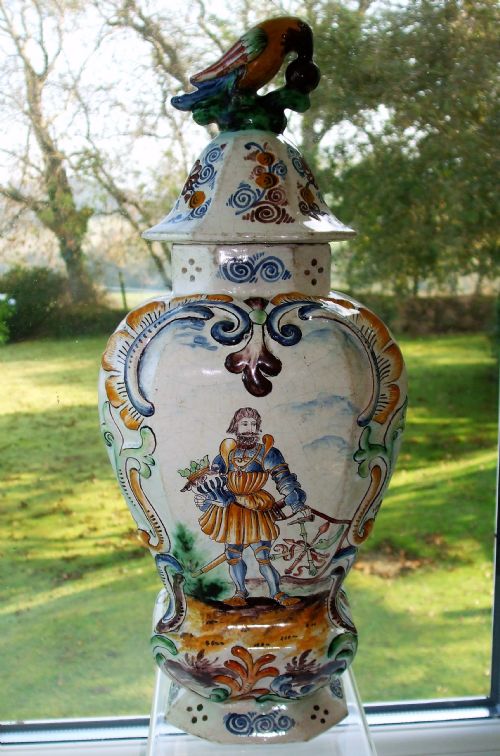
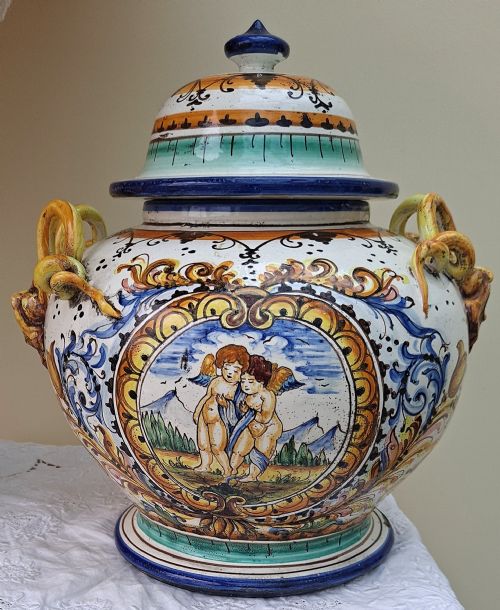
Polychrome faience vases encompass tin-glazed earthenware and ceramic vessels painted in multiple colours across several centuries of production. When you search for polychrome faience vases, you encounter forms ranging from covered jars and ewers to umbrella stands and pilgrim flasks. The examples seen here draw upon distinct stylistic revivals such as Renaissance, Italian Baroque, and Iznik designs.
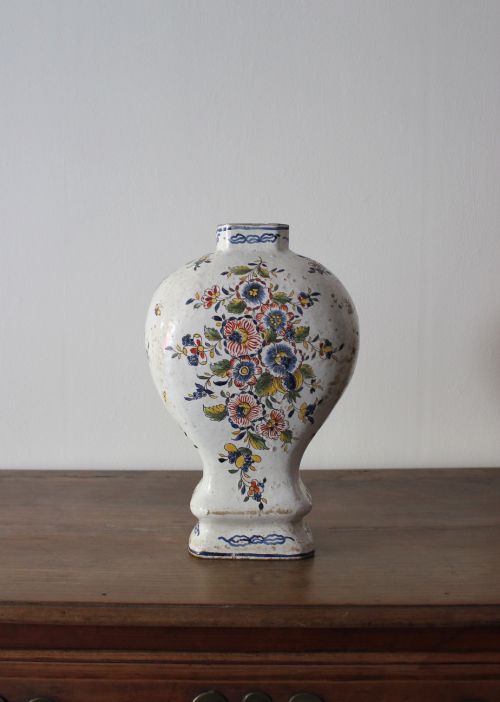
The pieces on this page span the eighteenth and nineteenth centuries, alongside specific dated items from eighteen-sixty and nineteen-hundred. You will find Dutch Delftware alongside Italian maiolica and French productions from makers such as Sceaux and Jules Vieillard. Forms vary from simple wall pockets to large decorative urns and handled vases.
How they were made
Makers shaped earthenware bodies before applying an opaque tin glaze that provided a smooth white ground for decoration. Painters then applied coloured enamel pigments directly onto this absorbent unfired or biscuit-fired glaze surface before a final kiln firing.
The interaction of metal oxide pigments with the tin glaze during firing produced the characteristic bright palette seen on these ceramics. Potters utilised hand-thrown or moulded techniques to achieve complex shapes such as scallop-shell pilgrim flasks and covered vases.
Polychrome Faience Vases Retail Price Guide 2026
Typical asking prices for polychrome faience vases among the pieces listed under this phrase on Sellingantiques today, from the lower quarter to the upper quarter. They describe what is for sale here now, not the wider market.
Potters occasionally added ceramic cats as wall pockets, proving that domestic pets charmed households long before the modern era.
What varies in quality
Quality rests in the precision and confidence of the painted brushwork across the tin-glazed surface. Finer pieces display crisp botanical or figural details that harness the colourful potential of enamels without blurring.
The architectural harmony of the vessel form and the purity of the white glaze ground separate standard productions from exceptional works. Master workshops achieved better control during firing, resulting in stable glazes and balanced polychrome palettes.
Théodore Deck·Cantagalli Florence·Sceaux Faience·Jules Vieillard
The Polychrome Faience Vases Glossary
- Faience
- Tin-glazed earthenware originating in Europe, known for a white surface that accepts painted enamel decoration. The term frequently applies to French, Dutch, and other continental tin-glazed pottery.
- Majolica
- Italian tin-glazed earthenware, often associated with brightly coloured Renaissance designs and historical revivals. The glaze employs metallic oxides to achieve vibrant polychrome effects.
- Delftware
- Tin-glazed earthenware produced in Dutch and English potteries, famously inspired by imported Chinese porcelain alongside local European traditions. Pieces often feature floral or figurative motifs in blue and polychrome palettes.
- Pilgrim flask
- A flat-sided vessel originally carried by travellers, adapted by ceramicists into decorative gourd or shell-like display forms. They frequently feature side lugs for suspension cords.
- Enamel
- Coloured glass powder fused to the ceramic surface during firing to create bright decorative patterns. Painters use these pigments over the tin glaze to build up polychrome scenes.
Polychrome Faience Vases: Frequently Asked Questions
How do I clean polychrome faience vases?
Dust these tin-glazed ceramic vessels gently with a dry, soft cloth to protect the painted enamel surface. Avoid using water, detergents, or abrasive cleaners on antique glazes.
Keep them away from areas of high moisture or direct sunlight to prevent deterioration of the earthenware body and surface pigments.
Where were these ceramic vases made?
Production centres span several European countries, with strong representation from Italian, Dutch, and French potteries. Workshops in cities like Florence, Delft, and Bordeaux produced distinct regional styles.
Maker marks or characteristic palettes often point to specific European traditions, ranging from Dutch Delftware to Italian maiolica revivals.
How can I tell eighteenth century from nineteenth century pieces?
Eighteenth-century examples typically display the simpler forms and traditional palettes of contemporary Delft or Italian workshops. Nineteenth-century pieces often reflect historicism and revival movements, drawing inspiration from Renaissance or Iznik aesthetics.
Examine the glaze texture, the sharpness of the ceramic body, and any painted signatures to help determine the period of manufacture.
Were these decorative vases used for flowers?
Many forms, such as standard vases and jars, served to display fresh or dried botanical arrangements. Other shapes, including pilgrim flasks and umbrella stands, fulfilled different decorative or practical functions.
The presence of covers or narrow necks on certain pieces suggests they were made primarily for ornamental display rather than utility.