
French Decorative Ceramics
French decorative ceramics bring ornate artistry and rich glaze work into domestic spaces through enduring forms like vases, plates, and figurines.
French Decorative Ceramics
French decorative ceramics encompass a diverse range of ornamental objects designed to elevate domestic interiors through craftsmanship and artistic expression. When exploring French decorative ceramics, buyers encounter items produced across several centuries, reflecting shifting aesthetic movements from classicism to revival styles. These objects serve purely decorative functions or combine utility with ornamentation, spanning domestic settings and grand salons alike.
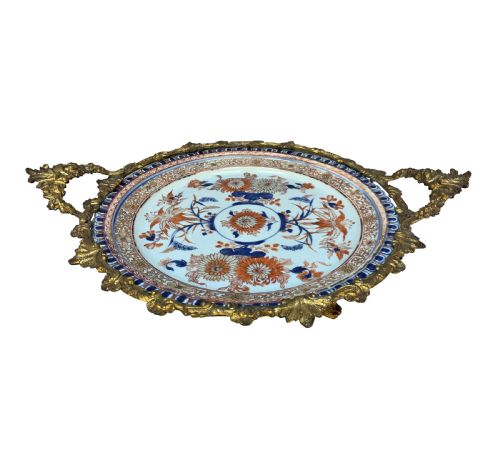
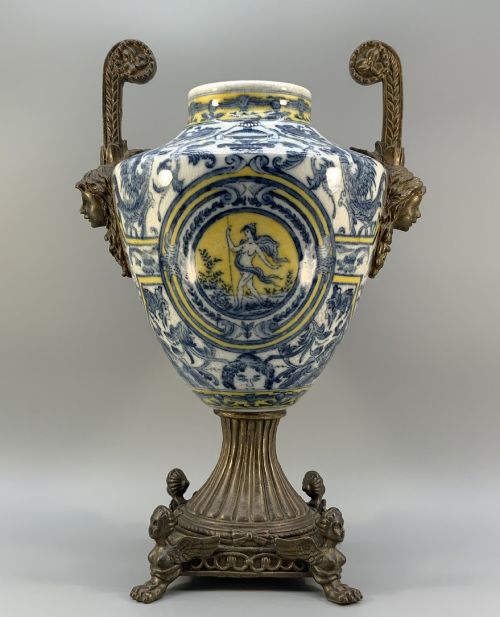
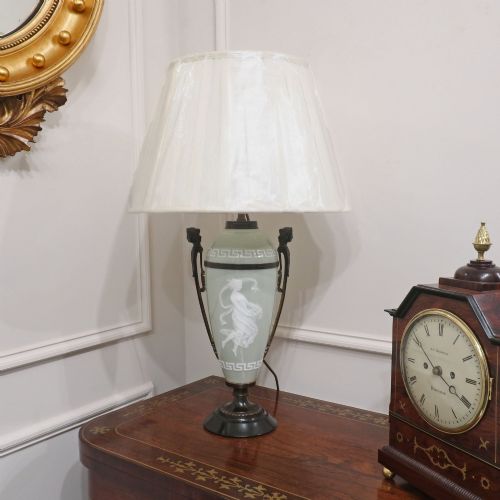
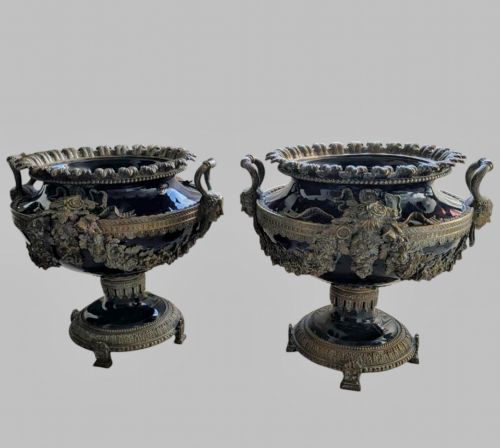
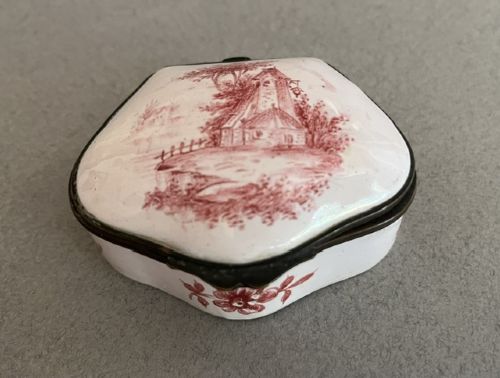
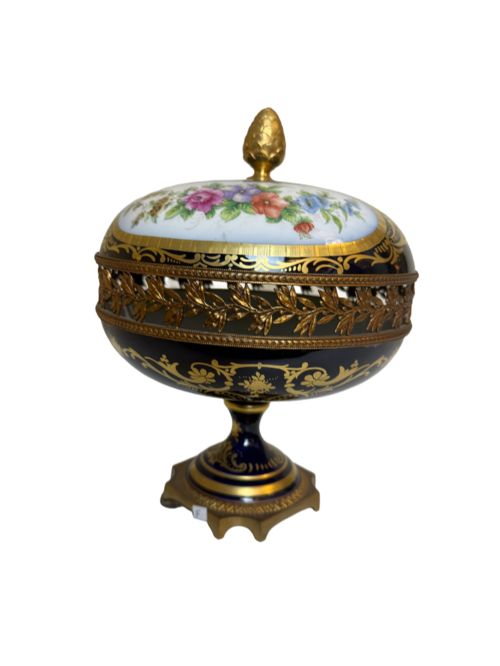
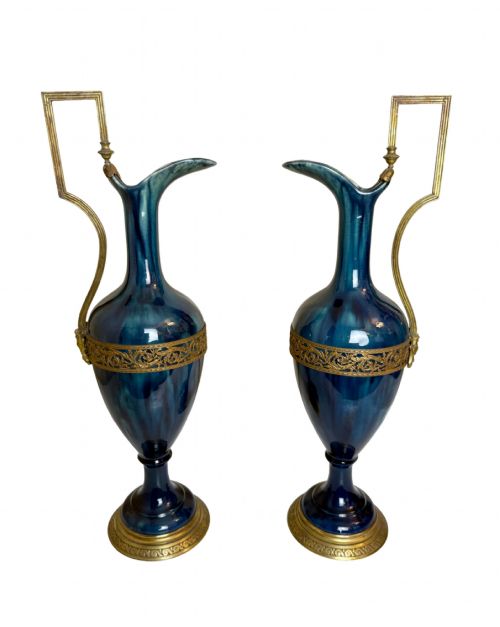
Stylistic influences range from French Rococo Revival and Neoclassical designs to Chinoiserie motifs and Renaissance revivals. Many items incorporate metalwork components, pairing ceramic bodies with gilt bronze, ormolu, or brass mounts. Figures, trinket boxes, and monumental ewers further illustrate the wide scope of these ceramic traditions.
How They Were Made
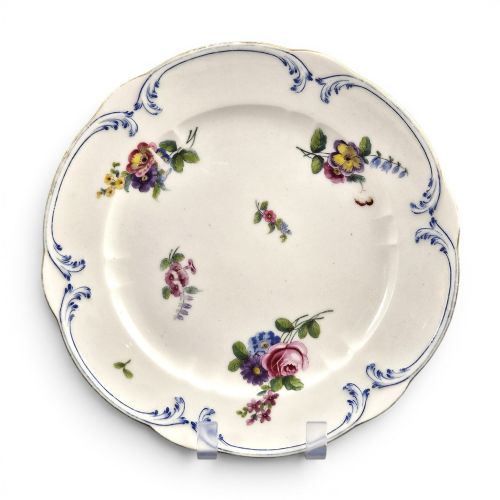
The creation of these pieces relies upon skilled manipulation of porcelain, earthenware, and faience bodies shaped by hand or mould. Artisans applied tin glazes, salt glazes, or soft-paste and hard-paste porcelain formulations before subjecting the pieces to high-temperature kiln firings. Surface decoration required precise hand-painting techniques, including polychrome enamel work, pate sur pate, and intricate gilding with gold leaf.
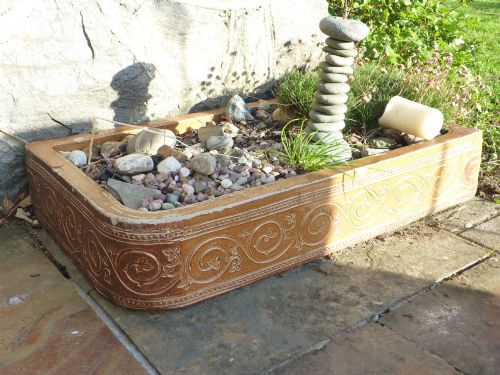
Structural complexity often involved combining ceramic elements with metalwork mounts cast in ormolu, gilt bronze, or champlevé enamel. Workshops utilised specialised hardware to secure handles, bases, and rims onto porcelain bodies, creating unified decorative objects. Salt glazing and mottled green lead glazes added tactile depth to earthenware and stoneware pieces.
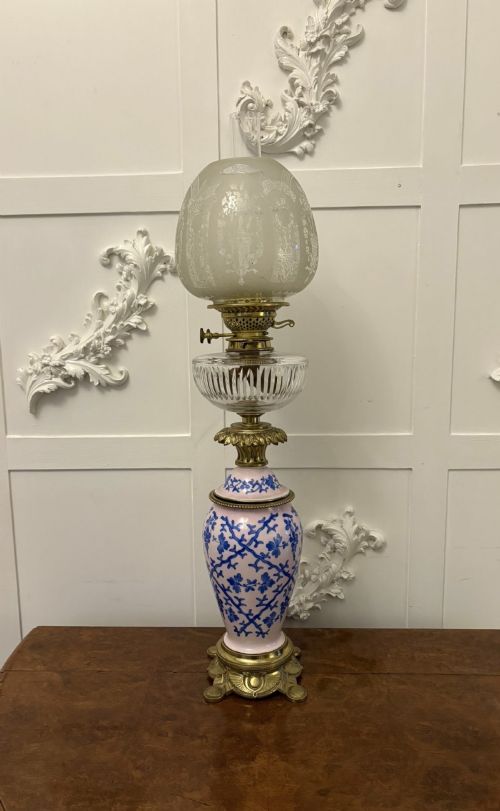
Listings feature eighteenth-century faience dishes, nineteenth-century porcelain lamps, and twentieth-century art pottery vases.
What Varies in Quality
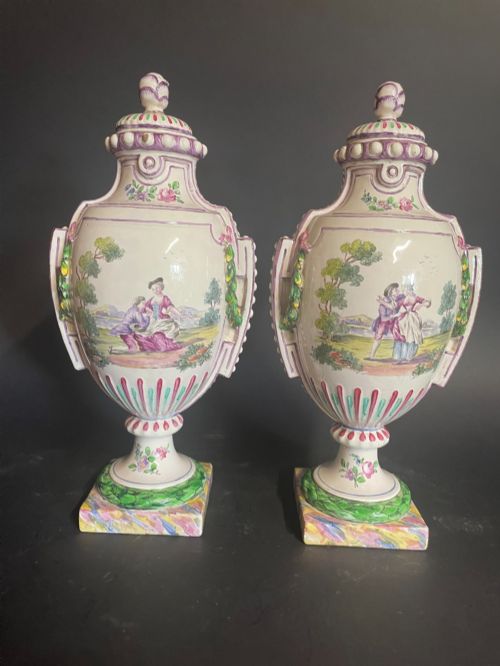
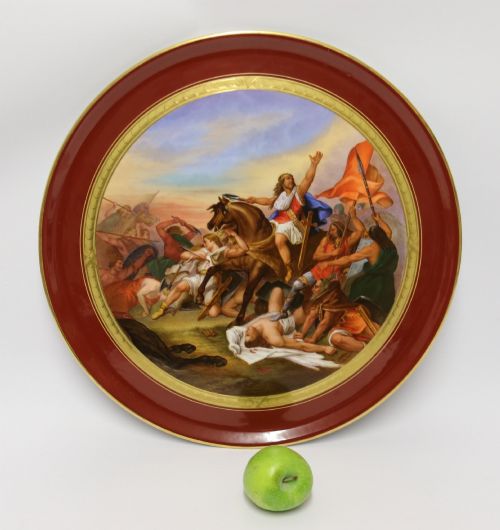
Quality in these ceramics rests upon the crispness of the modelled form and the precision of the hand-painted details. Superior pieces display finely rendered figurative scenes, disciplined brushwork, and controlled application of enamel colours without smudging or bleeding. The integration between ceramic bodies and metal mounts also dictates overall merit, where neatly fitted ormolu or gilt bronze demonstrates superior workshop standards.
The distinction between primary manufactories and imitation or revival studios influences evaluation. Pieces produced by established houses like Sèvres or documented makers command attention through refined paste bodies and meticulous firing standards. Lesser examples rely on heavier casting or simpler transfer-printed decoration rather than skilled freehand painting.
Fourmaintraux Courquin·Ambroise Michel·Edme Samson·Robert T Lallement·Pucher Deroche
The French Decorative Ceramics Glossary
- Faience
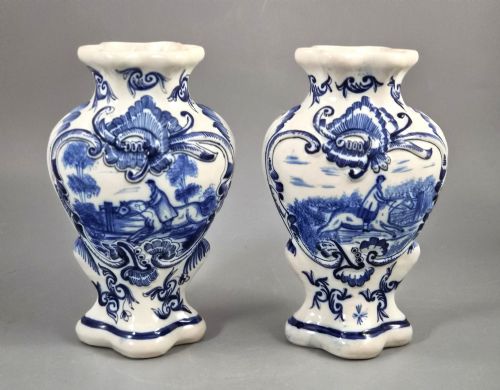
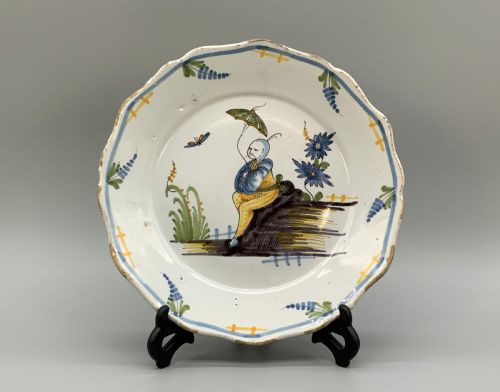
- Tin-glazed earthenware produced widely across France, known for its opaque white surface acting as a canvas for painted decoration. This technique allowed regional potters to imitate more costly porcelain wares.
- Ormolu
- Gilded bronze mounts applied to ceramic vessels, clocks, and vases to enhance their decorative impact. These metal additions were cast and chased by specialist metalworkers.
- Pate sur pate
- A porcelain decoration technique where layers of liquid clay are built up sequentially to create a low relief cameo effect against a contrasting background. The method demands immense skill from the ceramic artist.
- Chinoiserie
- European decorative style reflecting imaginative interpretations of Chinese and East Asian artistic traditions. It frequently appears on eighteenth-century and nineteenth-century faience and porcelain chargers.
- Bleu Celeste
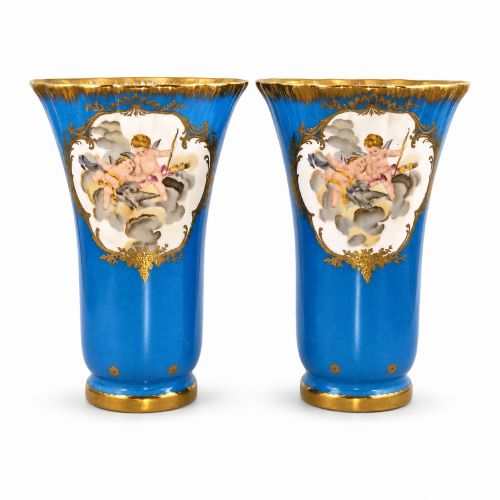
- A bright turquoise blue glaze colour famously developed and utilised at the Sèvres porcelain manufactory. Collectors prize this vibrant hue on nineteenth-century revival vases and plates.
French Decorative Ceramics: Frequently Asked Questions
Were these porcelain ewers used for wine?
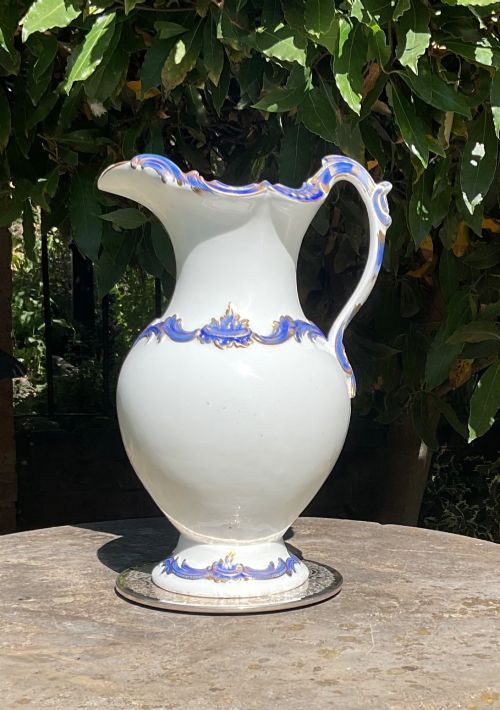
Many monumental ewers served functional roles on formal dining tables for pouring water or wine during grand nineteenth-century gatherings. Others functioned strictly as decorative garniture alongside matching basins or urns.
Examinations of interior glazing and base wear often reveal whether a piece held liquids or remained purely ornamental.
What is the difference between faience and porcelain?
Faience consists of a porous earthenware body covered in an opaque tin glaze, whereas porcelain uses refined white clays fired at much higher temperatures. Porcelain yields a vitrified, non-porous material that rings when struck.
Faience developed earlier in regional French workshops, while porcelain production required advanced chemical formulas mastered by royal and private factories.
How can I identify Sèvres style porcelain?
Sèvres style pieces typically feature rich ground colours like bleu celeste, elaborate gilt bronze mounts, and hand-painted pastoral or historical scenes. Many nineteenth-century Paris workshops produced items in this taste.
Authentic factory marks appear underneath, though revival pieces often bear imitation marks paying homage to the famous French institution.