

Free Standing Dressing Mirror
A free standing dressing mirror brings light and proportion to a room, shifting from table models to tall floor swings.

Free Standing Dressing Mirror
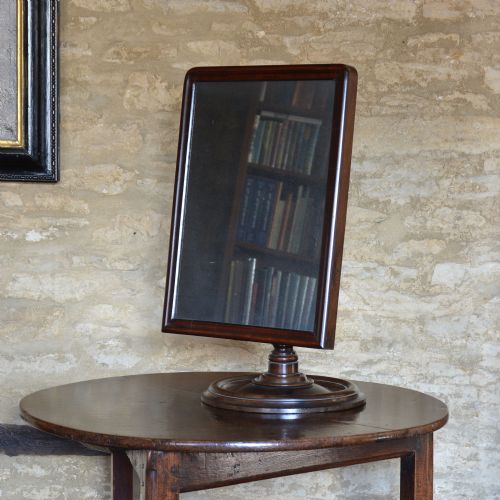
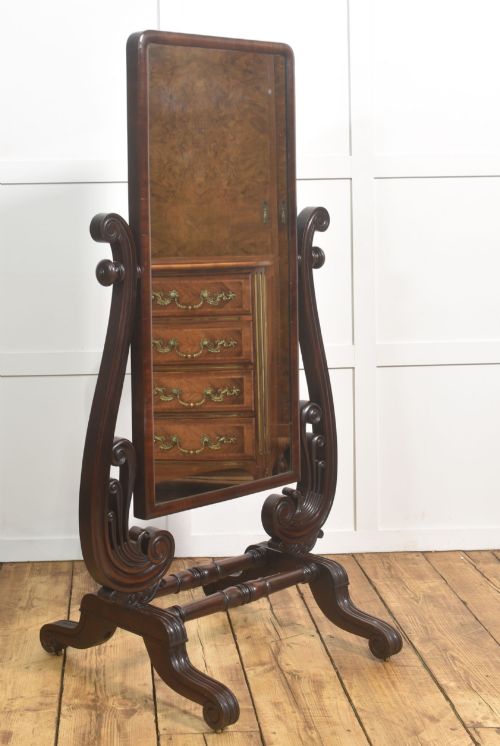
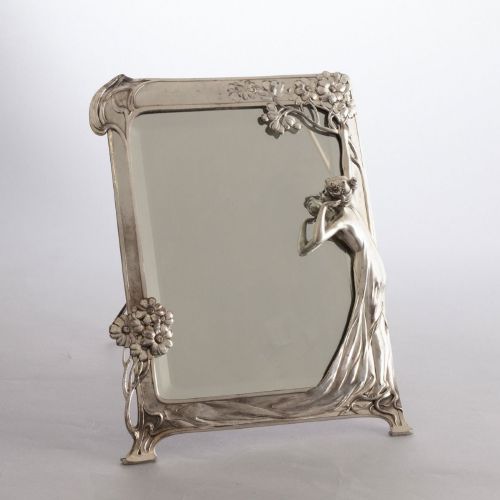
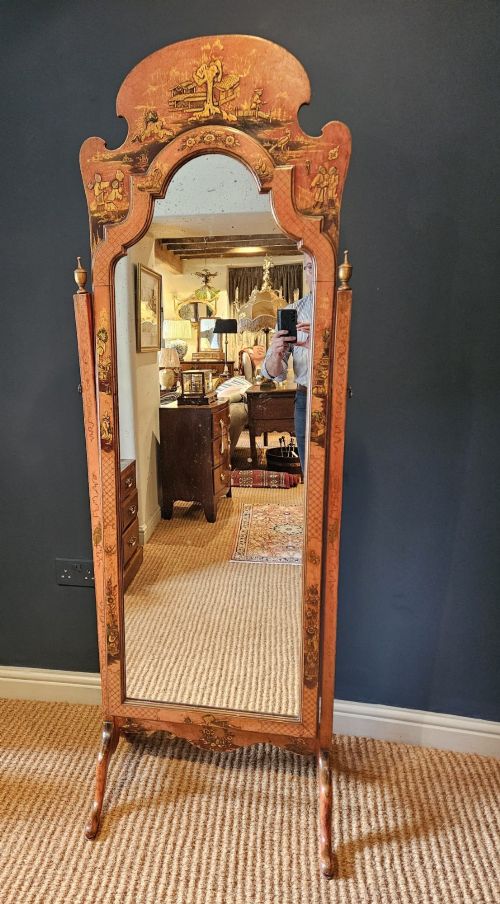
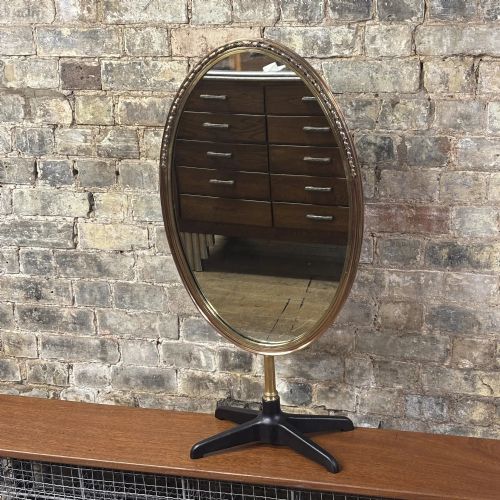
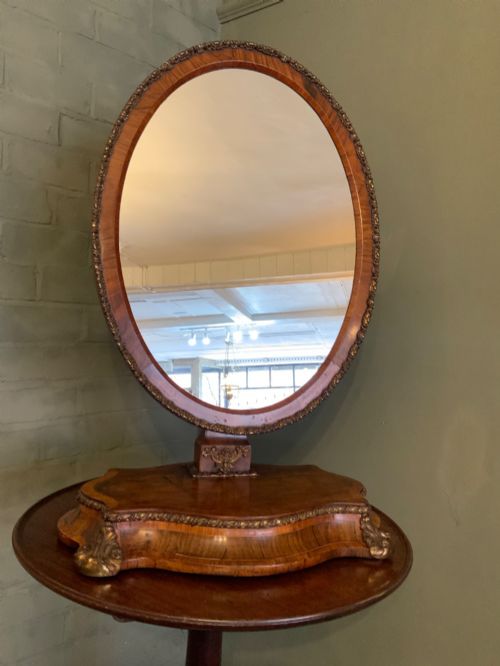
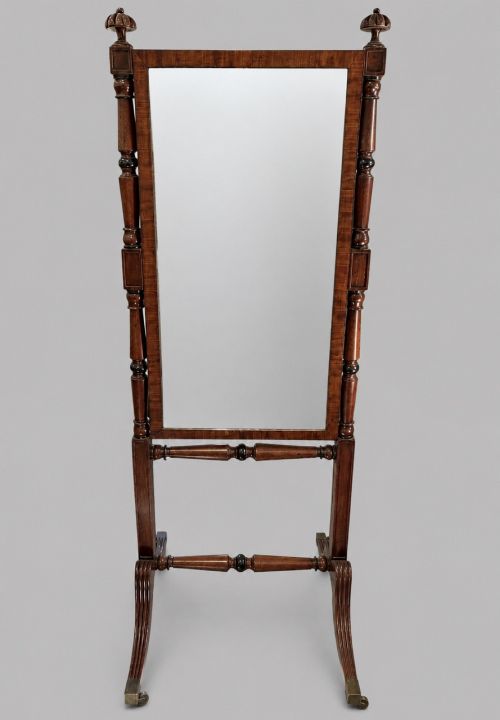
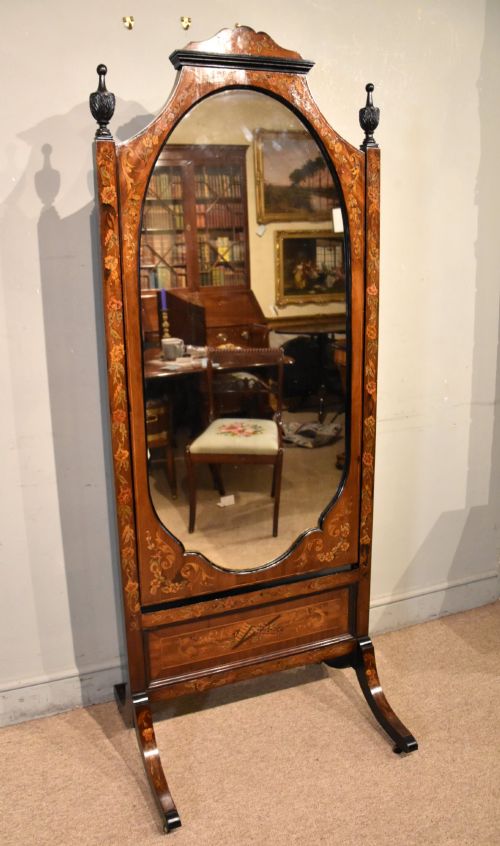
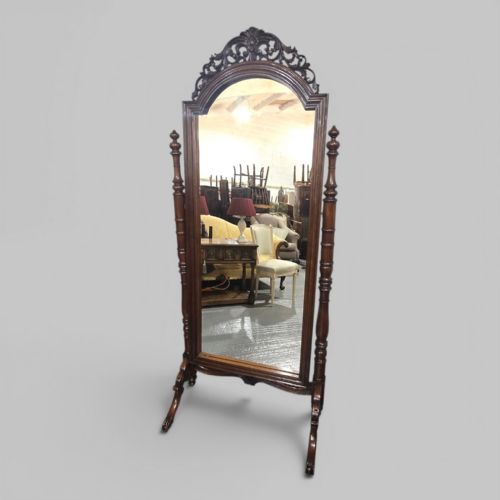
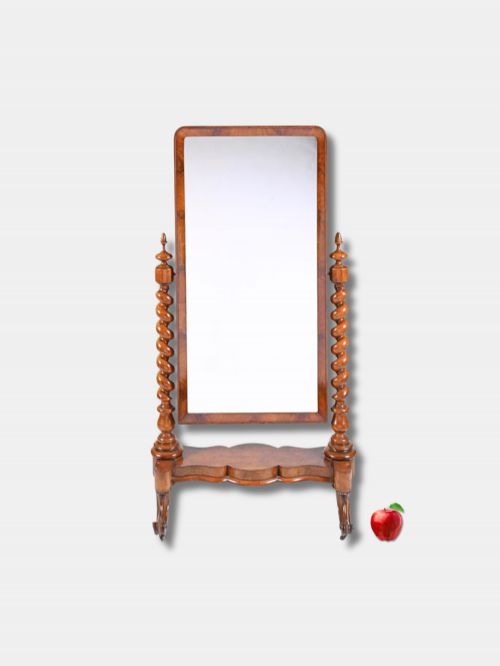
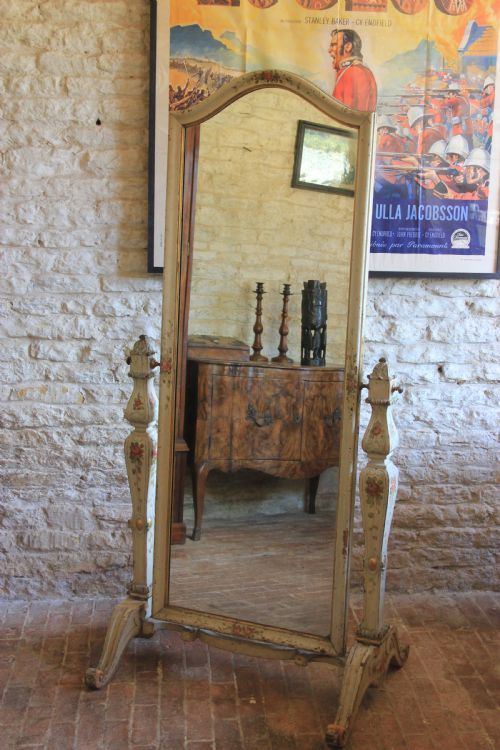
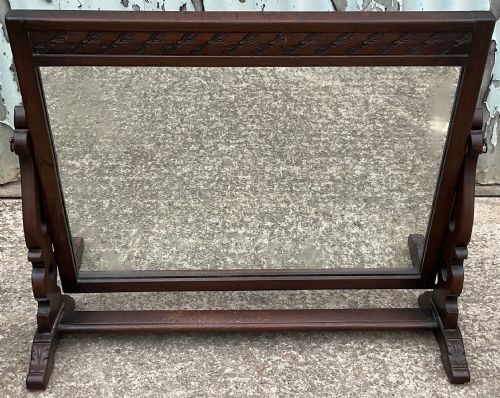
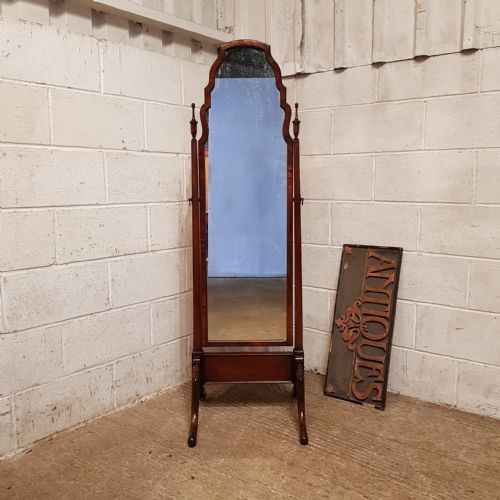
A free standing dressing mirror takes many forms across the periods, ranging from compact table models and shaving stands to large floor-standing cheval mirrors. When searching this phrase, buyers encounter everything from modest oak toilet mirrors to grand mahogany and walnut cheval frames.
The materials span solid hardwoods like mahogany, walnut, oak and pitch pine, often paired with brass fittings and glass swing plates. Many examples sit upon fixed table bases, while larger floor models rely on pivoting pivots supported by sturdy uprights.
Judging quality in construction
The standard of a free standing dressing mirror rests on the selection of timber, such as figured mahogany or burr walnut, and the crispness of any applied carvings or brass mountings. Better examples show careful attention to the stability of the pivot mechanism and the weight distribution of the base.
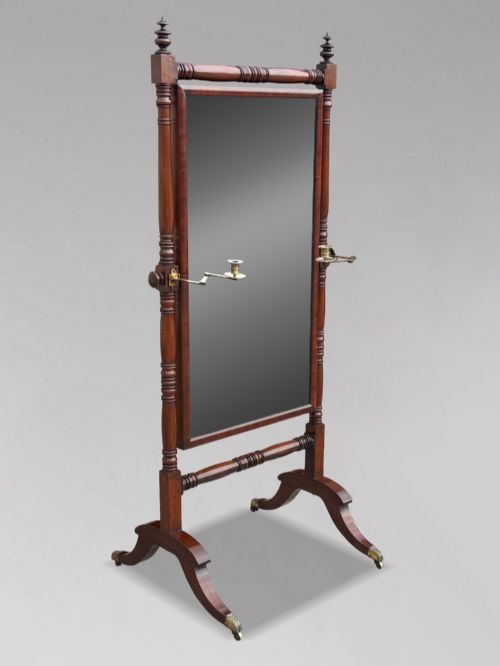
Proportion and scale distinguish simpler utilitarian pieces from exhibition quality works. Fine joinery in the drawer construction and well-executed turning on the uprights indicate the hand of a skilled workshop.
Free Standing Dressing Mirror Retail Price Guide 2026
Typical asking prices for free standing dressing mirror among the pieces listed under this phrase on Sellingantiques today, from the lower quarter to the upper quarter. They describe what is for sale here now, not the wider market.
Gentlemen's outfitters and Victorian dressing rooms once relied on these swinging glasses to check every final button.
Gillows·WMF
The Free Standing Dressing Mirror Glossary
- Cheval mirror
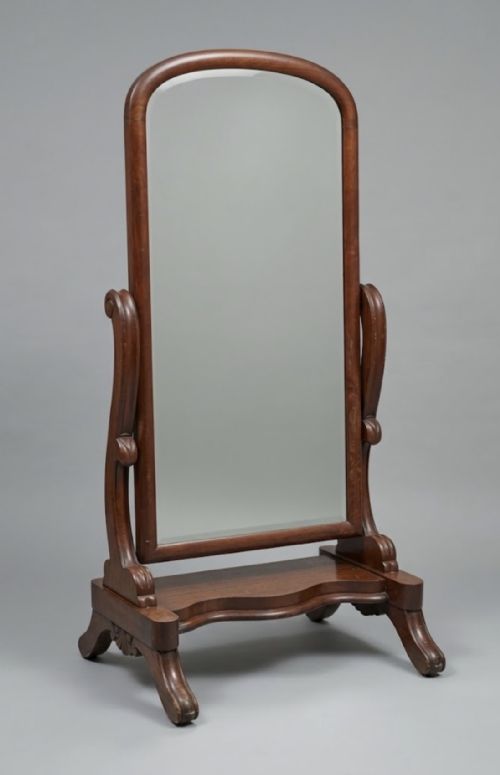
- A tall floor-standing dressing mirror supported by four legs and two upright pivots that allow the frame to swing.
- Toilet mirror
- A smaller dressing mirror designed to sit upon a chest of drawers, dressing table or side table.
- Shaving stand
- A specialist adjustable mirror combined with a small stand or vanity base, intended for grooming.
- Ormolu
- Gilt-bronze mounts applied to furniture and mirror frames for decorative effect during the eighteenth and nineteenth centuries.
- Pivot
- The metal pin or screw set into the upright supports on which a swing mirror rotates.
Free Standing Dressing Mirror: Frequently Asked Questions
What is a cheval mirror?
A cheval mirror is a tall floor-standing dressing mirror designed to tilt on vertical pivots between two upright posts.
This form allows a person to view their entire outfit from head to toe.
How do I use a toilet mirror?
A toilet mirror sits on top of a dressing table, chest or sideboard to provide a reflection for sitting grooming tasks.
Many incorporate small drawers at the base for holding small personal items.
Are these mirrors adjustable?
Many of the floor and table models feature pivoting frames held by brass screws or side pins.
This mechanism lets the user alter the angle of the glass to suit their height.
What woods were used for these frames?
Cabinetmakers primarily used mahogany, walnut and oak, sometimes selecting figured grains like burr walnut.
Inlays of boxwood or brass details frequently accent the primary timber.