
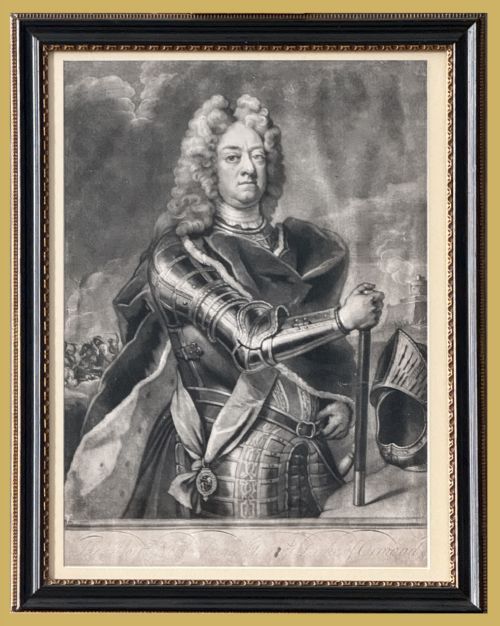
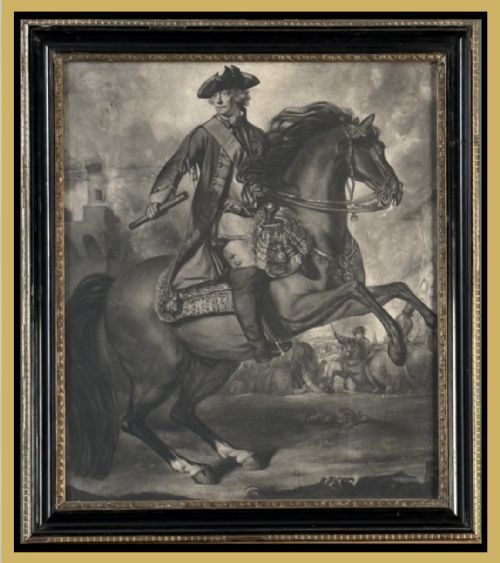
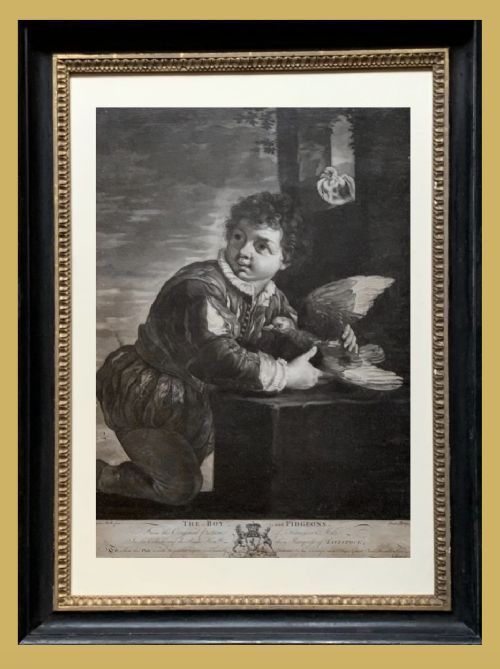
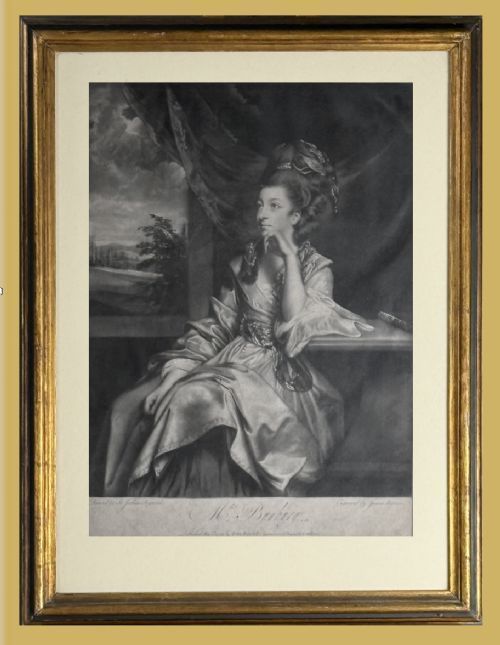


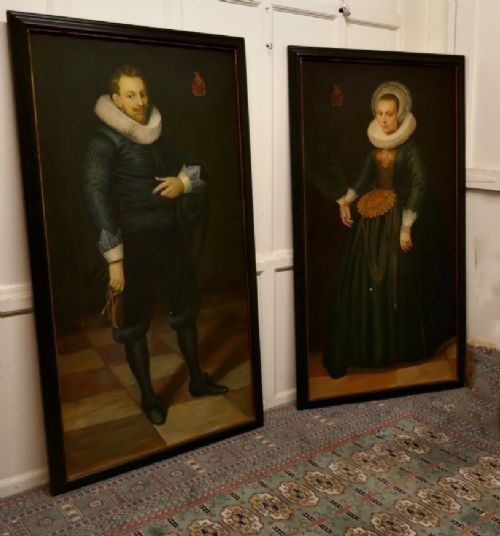
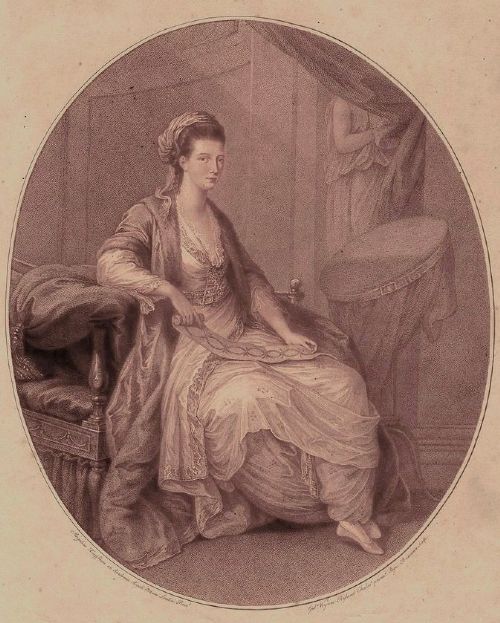
Framed Portrait Art Print
A framed portrait art print brings historical presence into a room, offering a window into past centuries through ink, paper, and timber.
Framed Portrait Art Print
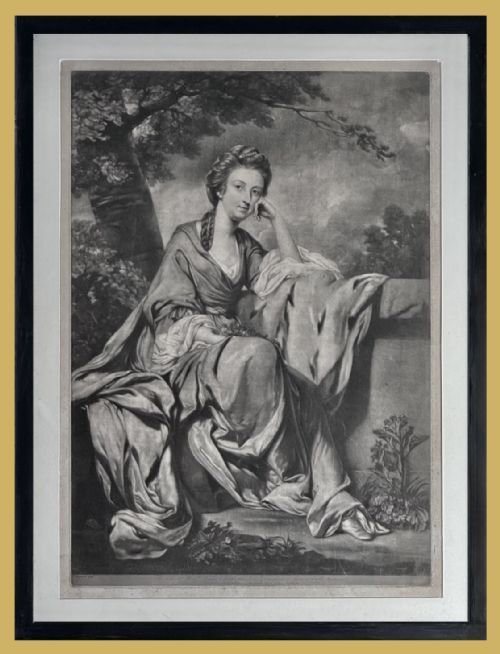
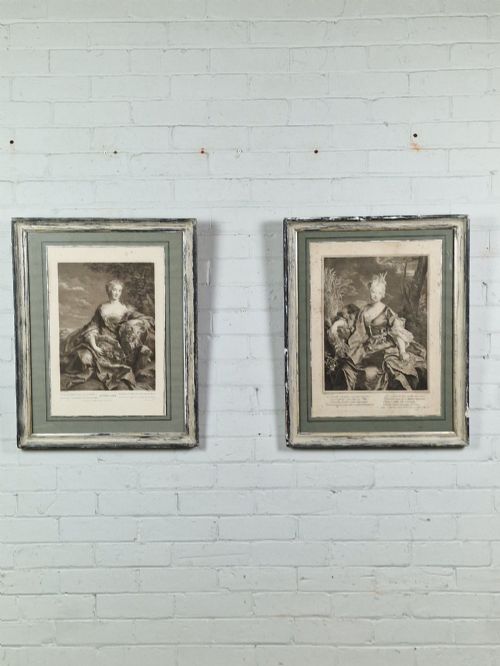
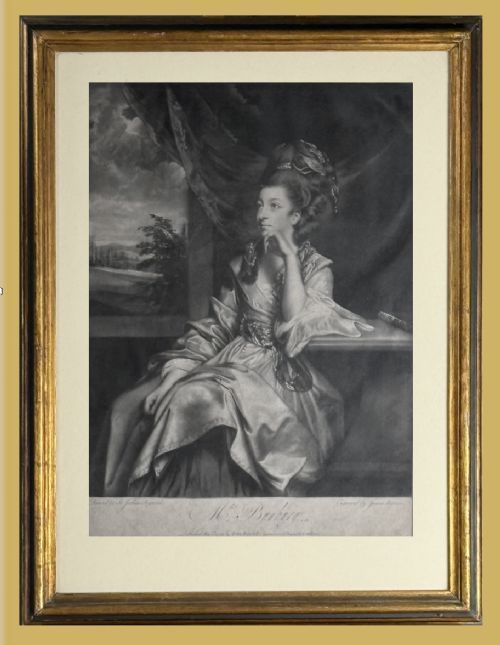
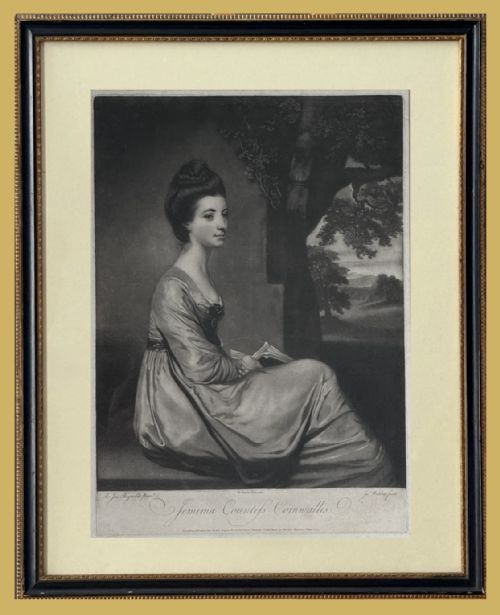
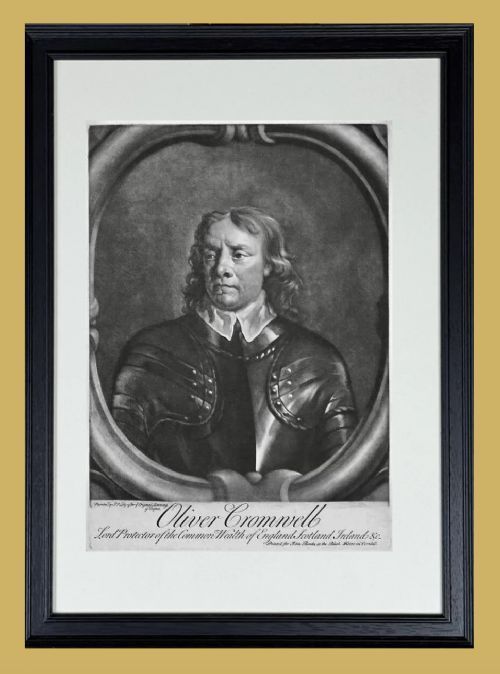
A framed portrait art print encompasses works executed in centuries past, predominantly featuring mezzotints and engravings created during the seventeenth and eighteenth periods. These pieces frequently translate grand painted works by masters such as Sir Joshua Reynolds into printed sheets intended for domestic display.
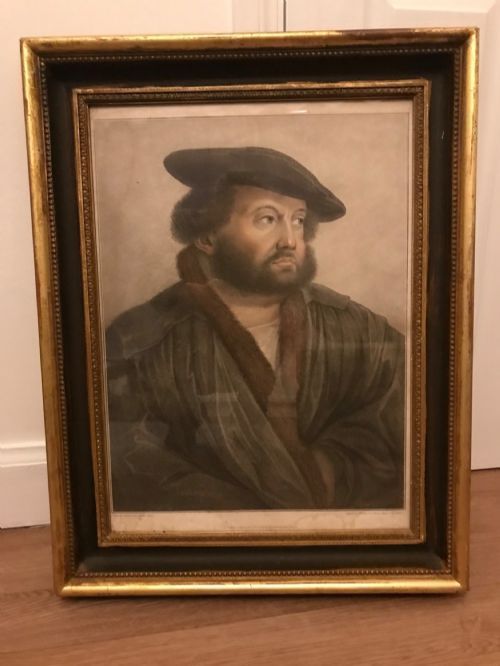
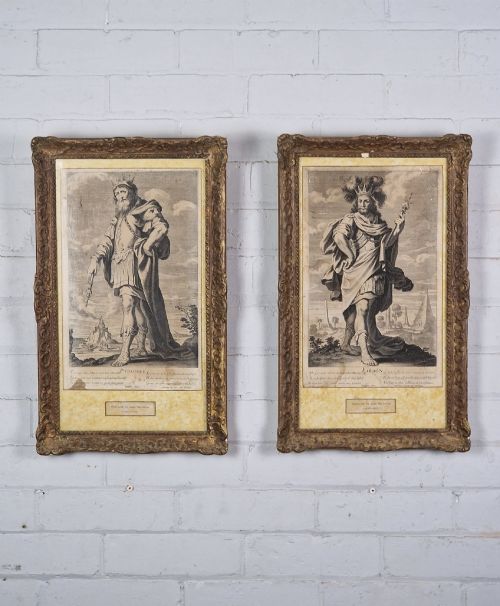
Engravings and mezzotints form the core of the selection, accompanied by nineteenth-century advertising prints and twentieth-century oleographs. Subjects range from nobility and military commanders to literary figures and royal children.
Enclosures consist primarily of period wood frames, often finished with gilt or gold leaf, protecting the paper sheets beneath glass.
Materials and technique
Makers utilised copper plates for intaglio printing, working the surface with rocker tools to create rich tones in mezzotints or cutting lines directly for engravings. Printers applied ink to these plates before pressing damp paper through heavy rollers.
Support materials centre on laid or woven paper, though occasional variants on silk or vinyl canvas appear. Glazing with glass preserves the delicate ink layers from atmospheric moisture.
Frames employ timber construction, frequently embellished with carved details, gilt wood, or gold leaf surfaces to complement the printed image.
Even three black Pekingese dogs find themselves immortalised in pastel on paper among the aristocratic faces.
Evaluating quality
Quality rests significantly upon the crispness of the impression pulled from the printing plate. Early impressions display sharp contrasts and deep blacks, whereas worn plates yield grey, softened details.
The skill of the engraver dictates the fidelity to the original painted portrait. Master printmakers capture subtle facial expressions and fabric textures with greater precision than lesser workshops.
The retention of original framing adds substantial character. Frames bearing period construction and original gilding elevate the historical integrity of the piece.
John Smith·James Watson·Edward Fisher·Sir Joshua Reynolds·Francesco Bartolozzi
The Framed Portrait Art Print Glossary
- Mezzotint
- A printmaking method where the copper plate is roughened uniformly to produce dark tones, then scraped and burnished to create light areas. This technique allows for smooth tonal gradations rather than simple lines.
- Stipple engraving
- A method of producing prints by means of dots rather than continuous lines, allowing for delicate flesh tones and subtle shading. Francesco Bartolozzi frequently utilised this approach.
- Gilt wood
- Timber treated with a thin layer of gold leaf or metallic powder, commonly applied to decorative frames during the Georgian and Victorian eras.
- Oleograph
- A type of chromolithographic print textured to imitate the surface texture of an oil painting. These often appear in mid-twentieth-century reproductions.
- Drypoint
- A printmaking technique where an image is scratched directly into a metal plate with a sharp needle, producing a distinct velvety burr along the lines.
Framed Portrait Art Print: Frequently Asked Questions
What is a mezzotint portrait?
A mezzotint portrait is a print created from a copper plate worked with a rocker to hold ink across dark areas. Scrapers then smooth specific sections to produce light and shadow.
This method produces rich, velvety tones well suited to rendering human faces and heavy fabrics.
How do I date an antique print?
Dating relies on examining the paper type, plate marks, typography of the caption, and the historical costume of the sitter. Watermarks in the paper stock also provide clues to the decade of production.
Framing style offers additional context, though frames are sometimes replaced over the lifetime of an artwork.
Are these prints originals from the period?
The selection includes period impressions printed during the lifetime of the engraver or shortly thereafter, alongside later reproductive processes from the nineteenth and twentieth centuries.
Examining the ink density and paper characteristics helps determine the printing era.
How should I hang antique framed prints?
Antique prints require protection from direct sunlight to prevent the ink and paper from fading. Stable indoor humidity levels prevent warping in the timber frames and degradation of the paper.
Secure wall fixings are essential due to the combined weight of timber, glass, and copper-plate paper.