



Framed Female Portrait Miniature
These framed female portrait miniatures are delicate intimate likenesses executed across the eighteenth, nineteenth, and early twentieth centuries.
Framed Female Portrait Miniature
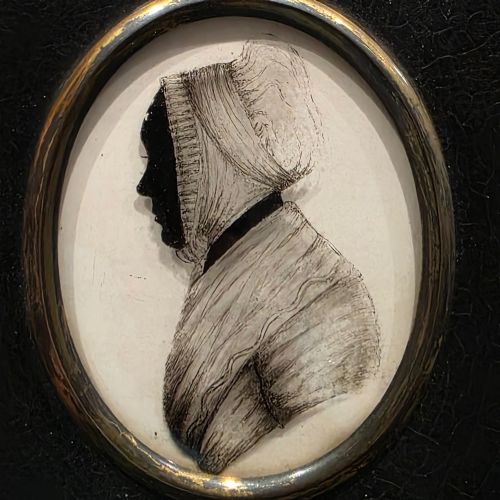
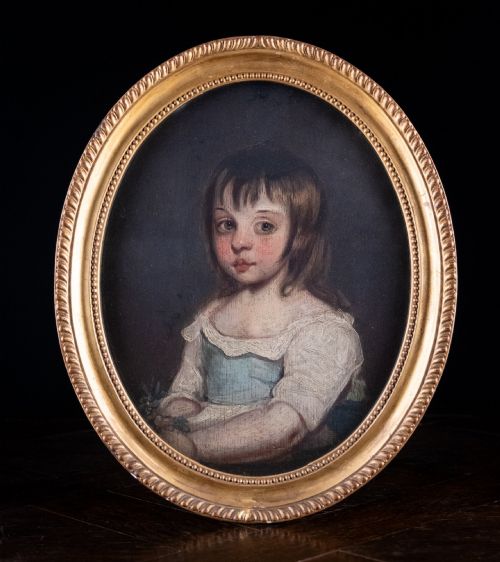
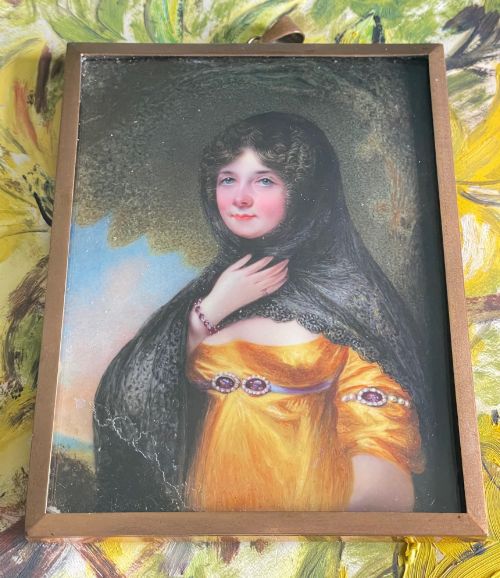
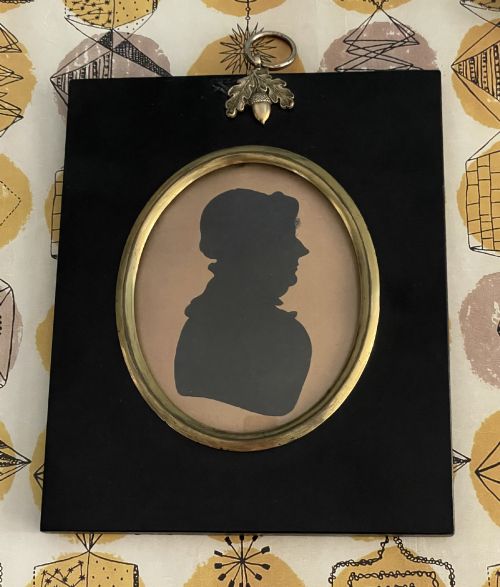
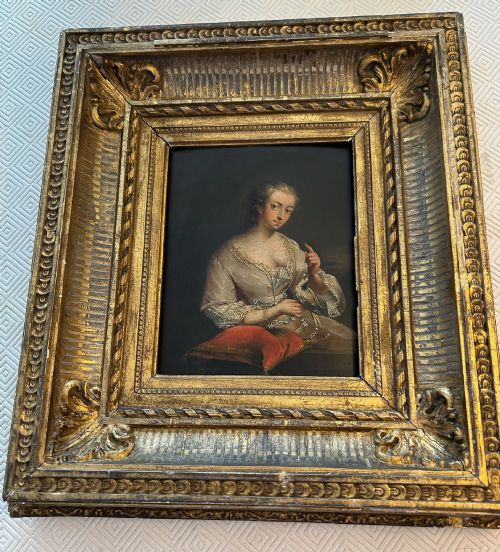
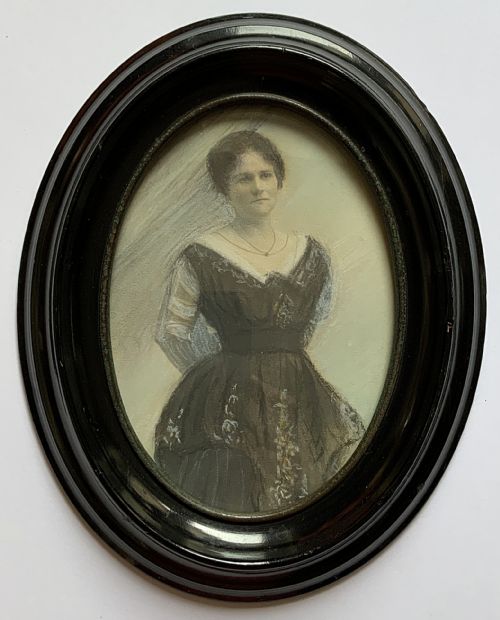
A framed female portrait miniature presents a small-scale likeness of a woman, usually rendered in watercolour, pastel, enamel, or silhouette. These works appear within modest frames of wood, brass, ebonised material, or gilt metal.
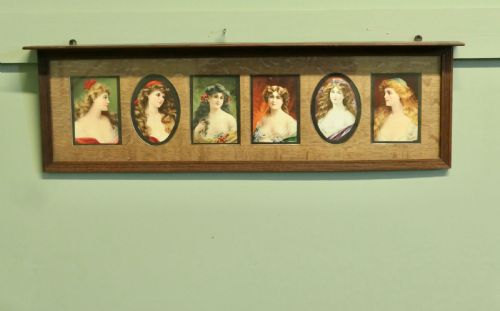
The selections span distinct periods from the Georgian and Regency eras through the Victorian epoch and into the Art Deco twentieth century. Most examples depict individual female sitters, though grouped sets and silhouette profiles also emerge.
Makers recorded in the evidence range from named artists working in plumbago and enamel to anonymous hands painting on paper, vellum, and ivory. The enclosing frames often utilise maple, oak, rosewood, or ornate gilt wood to complement the imagery.
How they were made
Artists painted these small works using watercolour, gouache, pastel, or enamel applied meticulously to paper, vellum, or ivory surfaces. Plumbago drawings employed fine graphite work to build delicate monochrome detail, while silhouettes captured profiles through ink or cut paper.
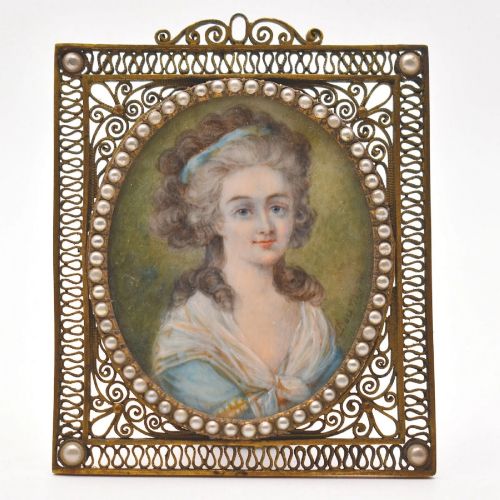
Enclosing these delicate mediums required protective glass frontings set inside moulded frames of brass, gilt metal, rosewood, maple, or ebonised wood. Seed pearls and fine bezels occasionally decorated the mounts of eighteenth-century French and English pieces.
Several ladies gaze out across the centuries wearing remarkably elaborate blue gowns and intricate ringlets.
What varies in quality
The integrity and originality of the surrounding frame also influence the overall standard of the piece. Contemporary frames fitted with original glass maintain the historical context better than later replacements.
Horace Hone·James Gillespie·John Taylor·James Ferguson·Albin R Burt·George Atkinson·Emma Kendrick·Ozias Humphry·Edward Smyth·Susie Lassam RMS RA
The Framed Female Portrait Miniature Glossary
- Plumbago
- A graphite drawing technique popular in the eighteenth century, used to create highly detailed monochrome portraits.
- Miniature
- A small-scale painting or portrait, traditionally executed with fine brushes on ivory, vellum, or paper.
- Silhouette
- A solid dark profile image of a person, often cut from paper or painted in black pigment onto a pale background.
- Vellum
- A fine parchment prepared from calfskin, frequently utilised as a smooth painting surface for early portraits.
- Gouache
- An opaque water-based paint that provides solid colour and dense highlights in miniature compositions.
Framed Female Portrait Miniature: Frequently Asked Questions
How were portrait miniatures displayed?
These small artworks were traditionally hung in intimate domestic spaces, often grouped together on walls or kept upon tabletops and desks.
Their modest scale allowed owners to carry them or display several pieces within a compact area without overwhelming a room.
What materials are common in the frames?
Frames frequently incorporate rosewood, maple, oak, ebonised wood, or cast brass and gilt metal.
Glass fronts protect the delicate watercolour, gouache, or paper surfaces from dust and environmental damage.
How do I date a miniature?
Dating relies upon the style of the sitter's costume, hair, and bonnet, alongside the construction and materials of the frame.
Signatures, dates inscribed on the reverse, and historical records of the artist provide further chronological markers.
Are silhouettes considered portrait miniatures?
Silhouettes formed a popular branch of miniature portraiture, capturing the likeness of a sitter through profile shadow rather than full polychrome detail.
Artists utilised painted silhouettes, cut paper, and reverse-painted glass during the Georgian and Regency periods.