

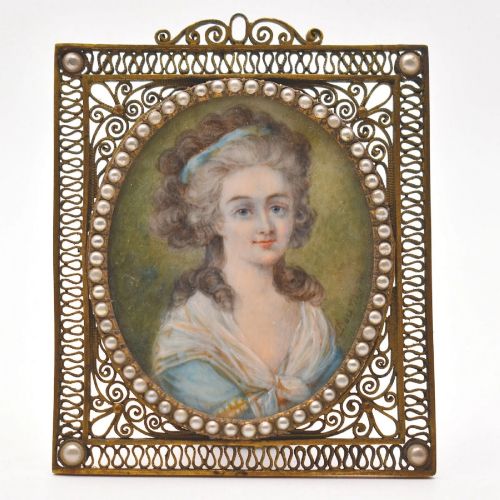


Georgian Portrait Miniature Female
A georgian portrait miniature female captures the likeness of a woman in astonishing detail on a tiny scale, offering an intimate glimpse into past lives.
Georgian Portrait Miniature Female
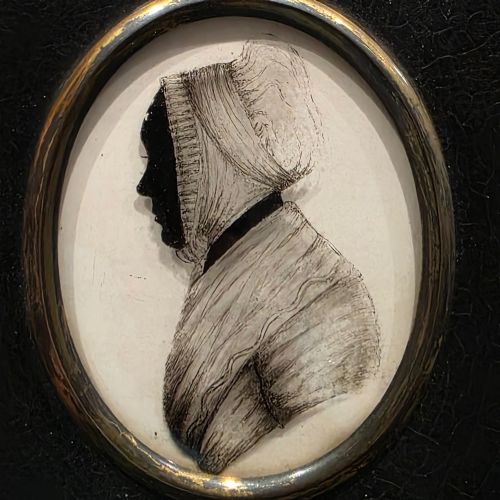
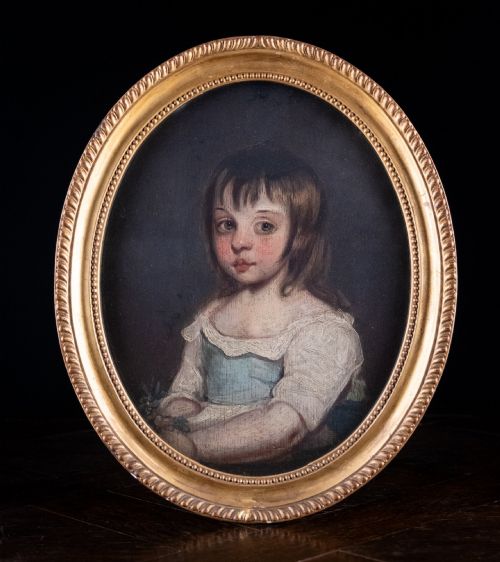
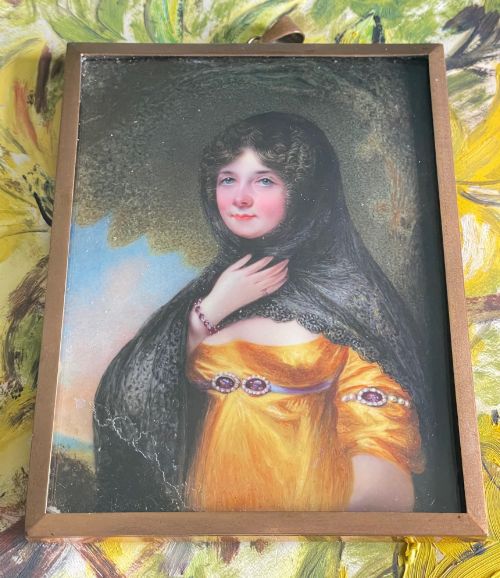
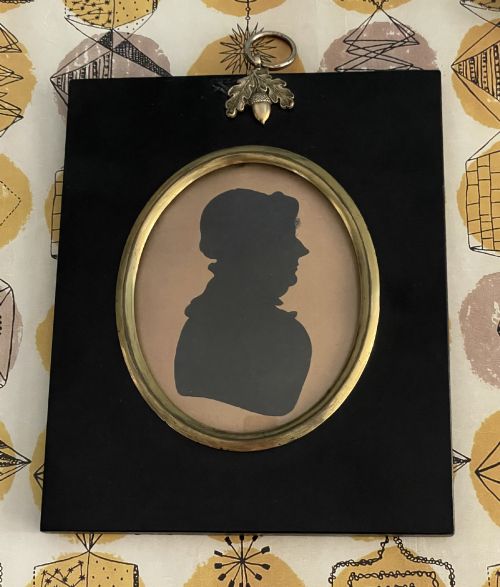
A georgian portrait miniature female is a small painted or drawn likeness of a woman, usually framed for hanging or carrying. These pieces range from delicate watercolours to silhouettes and enamels, capturing the distinct dress and hairstyles of their subjects.
Most examples found here date across the eighteenth and nineteenth centuries, spanning Georgian and Regency periods. The selection encompasses single portraits, pairs, and small sets framed in wood, brass, or gilt metal.
Subjects include named women, country girls, actresses, and duchesses, often rendered with striking psychological depth despite their diminutive size. They reflect the personal commemorative traditions of their eras.
How They Were Made
Silhouettes were created through painted profiles on glass, reverse painting, or cut paper, sometimes accented with gold leaf. Plumbago drawings utilised graphite for finely detailed monochrome representations.
Finished works were housed in custom enclosures, including ebonised wood, rosewood, or gilt wood frames, occasionally accompanied by tooled leather carrying cases or seed pearl adornments.
One miniature connects directly to the historical tastes of Earl Grey tea drinkers and Lord Byron.
What Varies in Quality
The preservation of the original medium, whether watercolour pigment or enamel gloss, dictates visual impact. Intact contemporary frames, glass covers, and documented provenance elevate historical significance.
Horace Hone·James Gillespie·Christian Friedrich Zincke·Nicolas Freese·Albin R Burt·Emma Kendrick·Ozias Humphry·Henry Pierce Bone·Isaac Wane Slater·Jeremiah Steele·George Atkinson
The Georgian Portrait Miniature Female Glossary
- Plumbago
- An early form of pencil drawing utilising graphite. These monochrome works rely on delicate shading to create lifelike depth.
- Vellum
- A fine parchment prepared from calfskin. It provides a smooth, durable surface prized for detailed miniature painting.
- Enamel
- Powdered glass fused to a metal substrate through firing. This technique yields vibrant, permanent colours with a polished finish.
- Reverse painted silhouette
- An image applied to the back of a glass panel. The technique protects the pigment and creates a distinct glossy appearance.
- Gouache
- An opaque watercolour medium. It allows artists to build solid areas of colour and highlights alongside translucent washes.
Georgian Portrait Miniature Female: Frequently Asked Questions
How were these miniatures displayed?
Owners typically hung these small artworks on walls in tight clusters or kept them in travel cases. Some were designed to be worn as lockets or brooches close to the heart.
Their portable nature allowed sitters and admirers to carry likenesses of family members or romantic partners during journeys.
Can I identify the women in the portraits?
Some pieces include inscriptions on the reverse or contemporary documentation naming the sitter. Archival clues and familial links occasionally surface through research into the artist or provenance.
Many sitters remain anonymous, recorded only by their costume, hair fashion, or social rank indicated in the painting.
What materials were used besides paper?
Artists painted on ivory, vellum, copper, and glass depending on the preferred technique of the period. Enamel works involved firing mineral pigments onto metal plates.
Silhouettes often utilised cut paper or painted glass panels backed with foil to catch the light.
How do I care for a miniature?
Keep these artworks away from direct sunlight to prevent fading of delicate watercolours and organic pigments. Maintain stable room temperatures to protect fragile paper, ivory, and wooden frames.
Display them in secure, enclosed spaces where handling is minimised.