
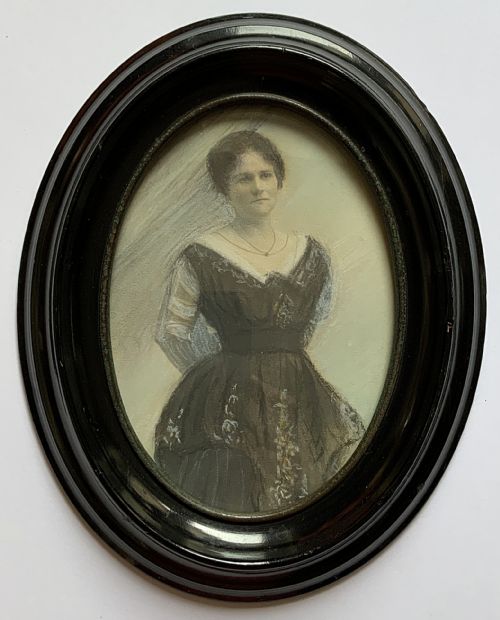
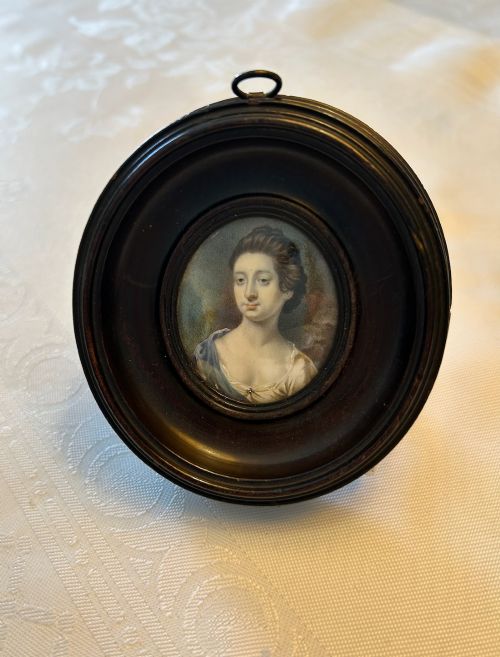


Oval Lady Portrait Miniature
An oval lady portrait miniature captures a small likeness in watercolour, oil, or silhouette, framed for intimate domestic display.
Oval Lady Portrait Miniature
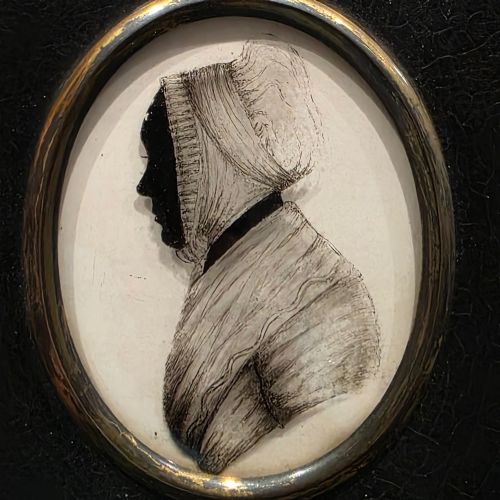
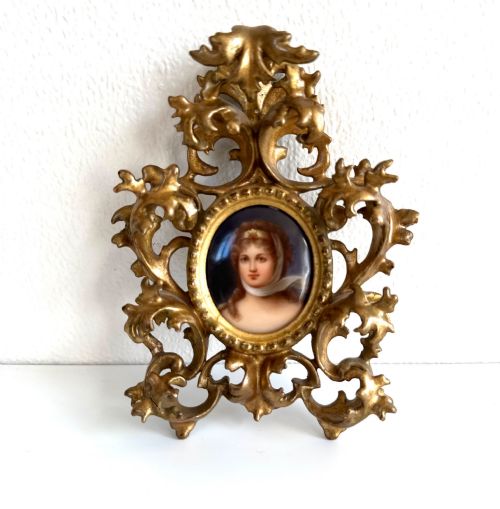
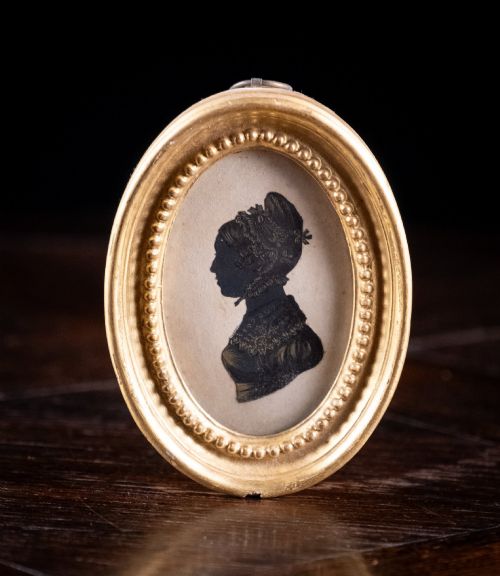
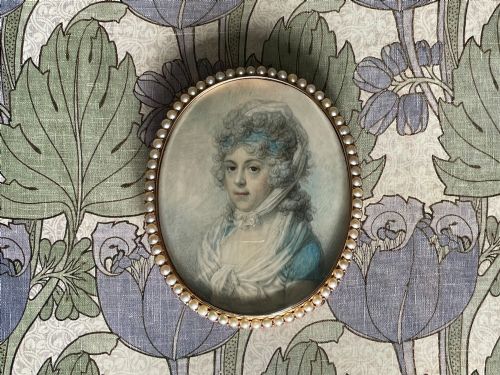
An oval lady portrait miniature is a small painted or silhouetted likeness of a woman, usually framed for hanging or desk display. The pieces gathered here span from the eighteenth century through the Regency and Victorian eras into the twentieth century, reflecting shifting tastes in personal commemoration.
The format is dominated by works on paper, card, and glass, alongside oils on copper and ivory. Subjects range from named sitters like Mrs Grace Williams to anonymous sitters depicted in bonnets, turbans, or riding habits.
Framing is integral to the form, with pieces housed in ebonised wood, maple, gilt metal, and brass surrounds. Buyers encounter both single studies and companion pairs recording family friendships and fashionable figures of past centuries.
How They Were Made
Artists worked on small supports including watercolour and pastel on paper or card, and oils on copper or ivory. Silhouettes involved reverse painting on glass or delicate paper cutouts mounted against contrasting backgrounds.
Frames utilised ebonised wood, giltwood, brass, and gilt metal, often protecting the delicate paint surfaces behind glass. Many works combined fine brushwork with gum arabic to add sheen to lace collars, coral beads, and hair ornaments.
Materials recorded across the archive include glass, watercolour, brass, paper, ebonised wood, wood, giltwood, and gilt metal.
What Varies in Quality
The integrity of the original housing also shapes the piece, as period frames in matching brass, ebonised wood, or gilt metal preserve the intended presentation. Condition of the pigment and support, free from excessive fading or damp damage, distinguishes well-preserved examples.
Richard Cosway·William Naish·Nicolas Freese·George Atkinson·George Hargreaves·Archibald Skirving·William Grimaldi·Henry Jacob Burch·Ozias Humphry·Isaac Wane Slater·Jeremiah Steele·Francis Alleyne·Susie Lassam RMS RA
The Oval Lady Portrait Miniature Glossary
- Silhouette
- A solid dark profile portrait cut from paper or painted onto glass or card. These monochrome studies were popular during the Georgian and Regency periods.
- Ebonised wood
- Timber stained or treated to imitate ebony, providing a dark, polished border that contrasts with gilt frames. This material appears frequently in Regency and Victorian framing.
- Reverse painted
- A technique where the artist paints on the reverse side of a piece of glass so the image is viewed through the transparent pane. This method protects the pigment from atmospheric wear.
- Companion pairs
- Two separate portraits created as a matching set, often depicting a lady and gentleman or related family friends. They share identical framing and scale.
Oval Lady Portrait Miniature: Frequently Asked Questions
What periods do these miniatures cover?
The selection spans the eighteenth century, the Regency period, the Victorian era, and into the twentieth century. Artists worked across these decades in distinct regional styles.
Changes in fashion, from Georgian lace caps to Regency turbans and twentieth-century dress, help establish the date of each piece.
What materials were used for the portraits?
Makers utilised watercolour, pastel, and oil paints applied to paper, card, copper, and ivory. Silhouettes were also created using paper and glass.
Supports were housed in frames made from wood, ebonised timber, brass, and gilt metal.
How should I display them at home?
These small works suit wall hanging in groups or placement on desks and mantelpieces where they can be viewed closely. Their delicate media require protection from direct sunlight.
Matching frames or companion pairs work well together on a dedicated wall space.
Are the sitters usually identified?
Some pieces retain inscriptions on the reverse or contemporary documentation naming the sitter, such as Mrs Leonard or Viscountess Gormanston. Many other portraits record anonymous subjects.
Costume details and hairstyles often provide clues to the sitter's social standing and period.