




Hand Coloured Portrait
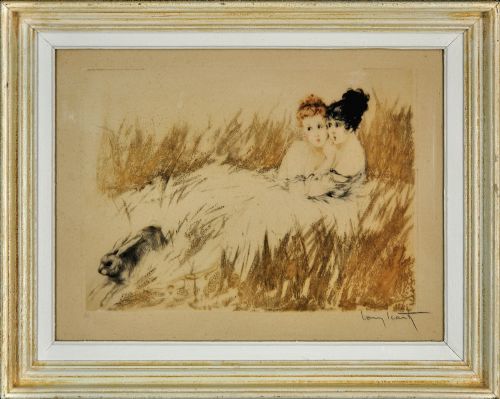
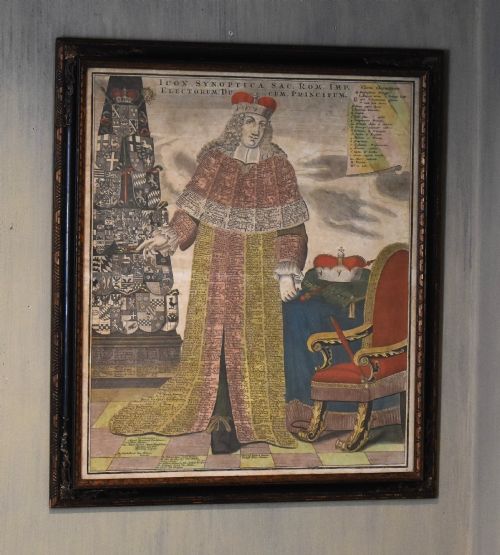
These hand coloured portrait pieces bring character and colour to a room, ranging from intimate miniatures to large framed engravings.
Hand Coloured Portrait
A hand coloured portrait captures subjects from Georgian actresses and Regency ladies to royal figures and family groups. Buyers search for this phrase to find works where monochrome printing meets direct painting on paper.
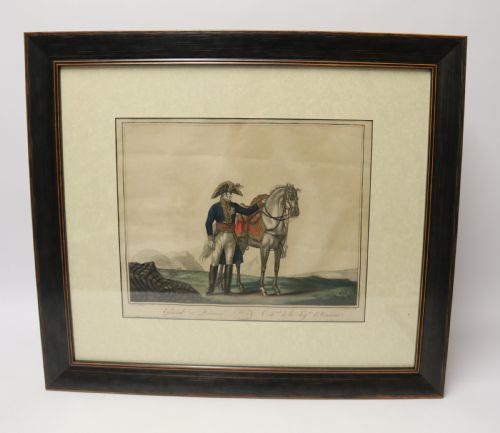
The pieces on this page span several centuries, with Regency engravings, Georgian prints and Victorian pieces appearing alongside later prints and mixed media works. Portrait miniatures and framed artworks form the core of the selection.
Makers and subjects vary widely, from Napoleonic military prints to individual works by named artists and photographic studios. Each piece relies on the interplay between the underlying print and the applied pigment to create depth.
Materials and technique
Frames play a structural and aesthetic role, utilising wood, giltwood and gold leaf to house the paper works. Reverse glass techniques also appear, where images are painted or applied behind glass to create a luminous finish.
Period styles represented on this page range from 18th century European and Georgian to Regency and Art Deco.
Evaluating quality
Quality rests on the precision of the initial printing and the skill of the hand colouring. Subtle, well-preserved pigment application enhances the sitter's expression without obscuring the underlying lines of the print.
The choice of framing and the condition of the paper or glass dictate the overall standard. Original frames, particularly period gilt wood or Hogarth styles, elevate the integrity of the piece.
Louis Icart·Robert Sayer·George Romney·K & K Hof Atelier Pietzner
The Hand Coloured Portrait Glossary
- Engraving
- A printmaking technique where an artist carves an image into a metal plate to hold ink. The resulting lines create a crisp, detailed foundation for subsequent hand colouring.
- Mezzotint
- A printmaking method that produces rich tonal gradations through roughing and smoothing a metal plate. It yields soft shadows well suited to portraiture.
- Crystoleum
- A Victorian method of applying a coloured print to the inside of concave glass and hand painting it. This process creates a luminous, three-dimensional effect.
- Giltwood
- Wood carved and covered with a thin layer of gold leaf or gold paint. It frequently appears on traditional frames surrounding period works.
Hand Coloured Portrait: Frequently Asked Questions
How should I clean a framed hand coloured portrait?
Dust frames gently with a dry cloth and avoid touching the paper or glass directly with cleaning liquids.
Moisture can damage both the pigment and the paper beneath, so keep these works away from damp walls.
Can I hang these portraits in direct sunlight?
Direct sunlight causes watercolours and inks to fade over time, altering the intended tones of the portrait.
Position pieces away from windows or use UV-protective glass to preserve the pigments.
How do I identify a Regency print from a Victorian one?
Regency pieces often feature the fine, linear precision of classical engraving alongside restrained attire and distinct framing styles.
Victorian examples frequently introduce richer tones, mixed media, or alternative techniques like crystoleum.
What is the difference between an engraving and a lithograph?
An engraving relies on lines cut into a metal plate, producing sharp, defined details beneath the hand colouring.
A lithograph uses a chemical process on stone or metal, allowing for softer, painterly transitions across the surface.