




Framed Nautical Painting
When you search for a framed nautical painting, you are looking at centuries of maritime history captured on canvas, paper and panel.
Framed Nautical Painting
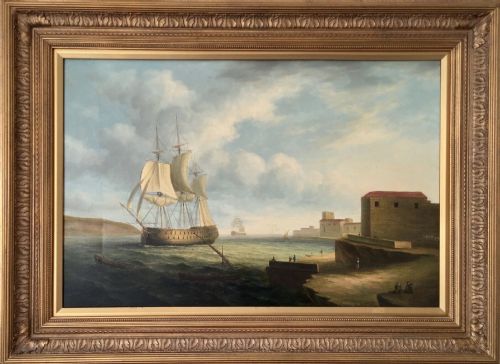
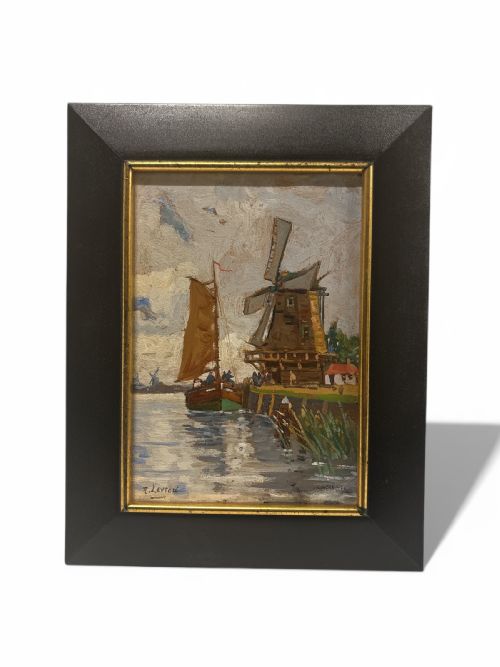
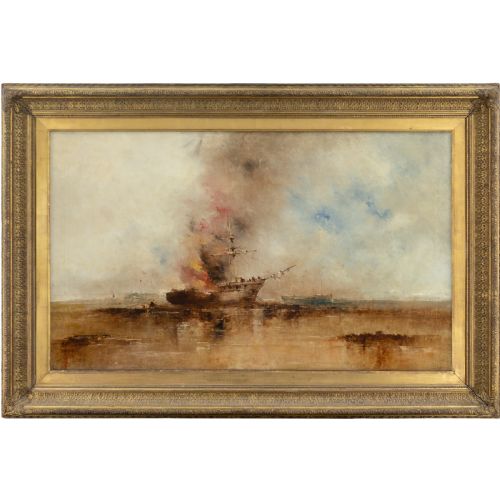
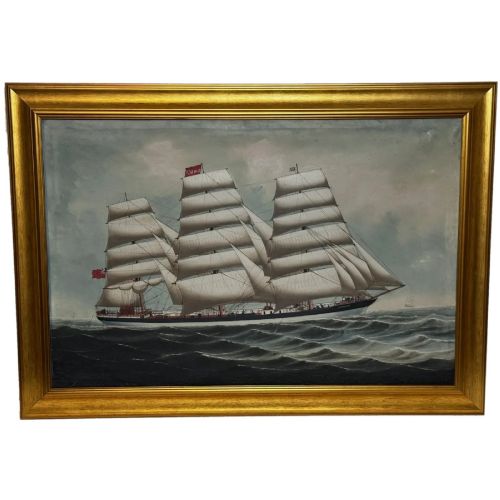
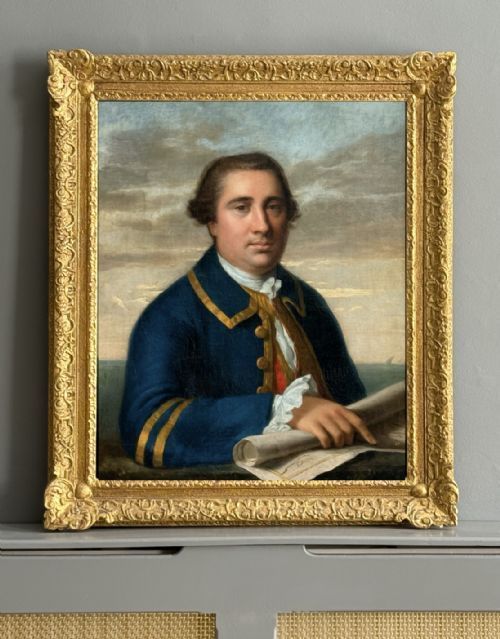
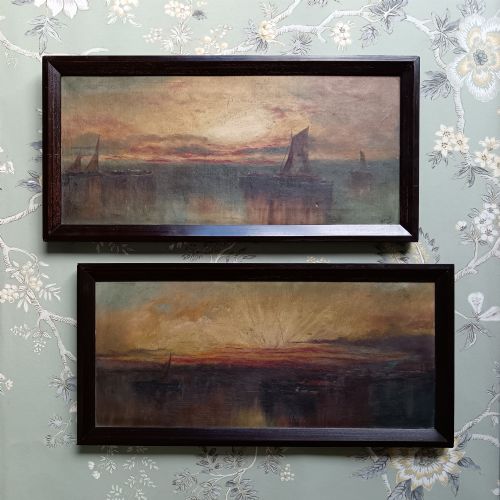
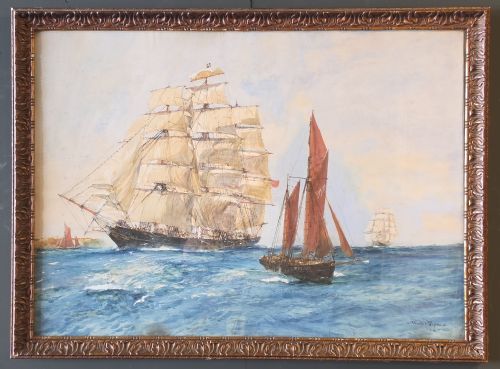
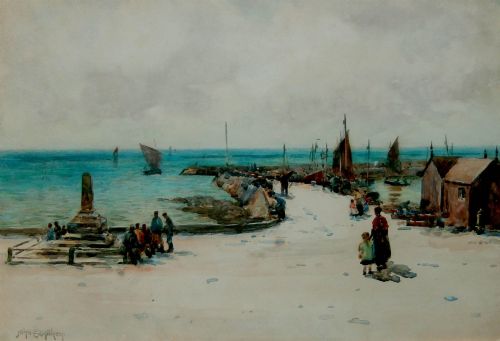
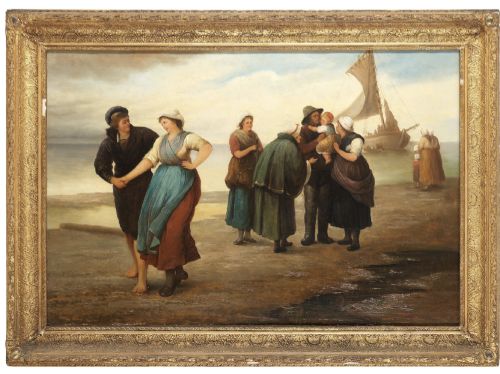
A framed nautical painting records the history of the sea, from merchant vessels and warships to quiet coastal scenes and dramatic shipwrecks. When you search for a framed nautical painting, you encounter works spanning the nineteenth and twentieth centuries, produced across Britain and Europe. The most common examples on this page are nineteenth century oils and watercolours depicting sailing ships, steamships and harbour views.
The subjects range from tranquil depictions of fishing boats on Brighton beach to violent gales off foreign coasts and historical military engagements. Many pieces capture specific vessels like nineteenth century barques or First World War steamships operating in European waters. Others present broader artistic interpretations of maritime life through British Impressionism and Victorian marine styles.
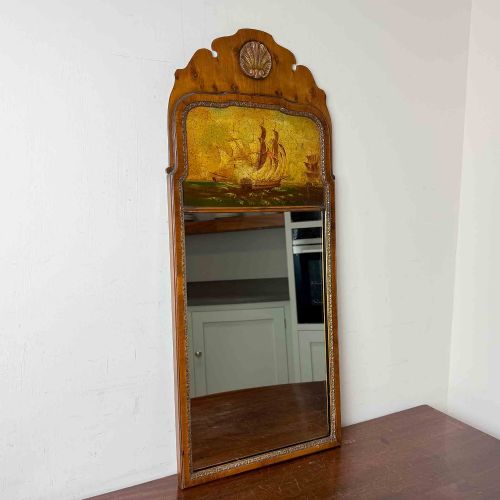
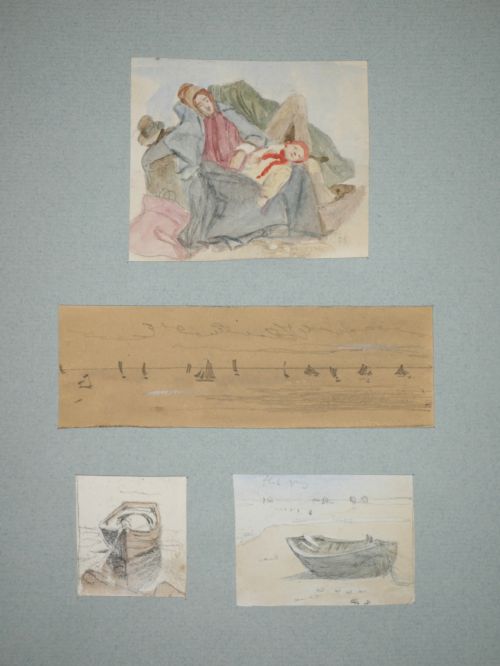
Beyond standard canvas works, you will also discover watercolours on paper, gouache on board, and even decorative mirrors incorporating maritime scenes. These objects provide a direct window into naval architecture and coastal trade over successive generations. Collectors select them for their documentary value as much as their atmospheric depiction of light and water upon the sea.
What varies in quality
Quality in these works rests upon the artist's precise understanding of maritime architecture, rigging and nautical atmosphere. The most accomplished pieces demonstrate a thorough knowledge of how ships sit in the water and respond to wind and swell, avoiding stiff or rigid depictions of hulls and sails. Handling of light upon water and the convincing rendering of atmospheric depth also separate superior examples from standard decorative works.
The integration of the frame with the painting plays a significant role in overall execution, particularly where original or period gilt surrounds survive intact. Works by documented artists with established exhibition histories command greater interest than anonymous school pieces, though strong regional studies can still exhibit exceptional draughtsmanship and tonal control.
Framed Nautical Painting Retail Price Guide 2026
Typical asking prices for framed nautical painting among the pieces listed under this phrase on Sellingantiques today, from the lower quarter to the upper quarter. They describe what is for sale here now, not the wider market.
The listings span multiple centuries, incorporating works from the seventeenth century through to the later twentieth century.
James Orrock·Eugène-Louis Gillot·William McAlpine·Reginald Arthur Borstel·Lemuel Francis Abbott·Charles Edward Dixon·John E. Aitken·James Kay·William Broome·Bernard Gribble·Bonaventura Peeters·Frank William Scarbrough·Peter Brannan·Paul Bret·Willem Bos·John Wilson Carmichael·Lai Fong·William Henry Williamson
The Framed Nautical Painting Glossary
- Gouache
- An opaque method of watercolour painting using gum as a binder, producing bright flat areas of colour that artists utilised for ship details.
- Barque
- A sailing vessel with three or more masts, where the foremast and mainmast are square-rigged and the mizzenmast is fore-and-aft rigged.
- Gilt
- A thin layer of gold leaf applied to the wooden frame surrounding the artwork to enhance its appearance.
- Provenance
- The documented history of ownership of a painting, establishing its authenticity and past exhibitions.
- Panel
- A flat piece of wood used as a rigid painting support before canvas became the dominant medium.
Framed Nautical Painting: Frequently Asked Questions
How do I date an antique marine painting?
Dating relies heavily on the style of the vessel depicted, the clothing of any figures, and the construction methods of the canvas or frame.
Signatures, exhibition labels on the reverse, and artist biographical records provide the most reliable chronological anchors.
What is the difference between an oil and a watercolour?
Oils use pigment suspended in drying oil on canvas or wood panel, allowing for rich textures and deep colour blending.
Watercolours use water-soluble pigments on paper, yielding a lighter, more luminous quality that requires glass protection.
Where should I hang a framed nautical painting?
Choose a wall away from direct sunlight and strong heat sources to protect the pigments and paper supports from fading.
Ensure the room humidity remains stable to prevent warping in the wooden frames and panels.
How do I identify the ship in a painting?
Examine the vessel's rig, hull shape, flag identifiers, and any painted lettering on the stern or life rings.
Many nineteenth century commercial ships and naval vessels were recorded in shipping registers and port logs from the era.