


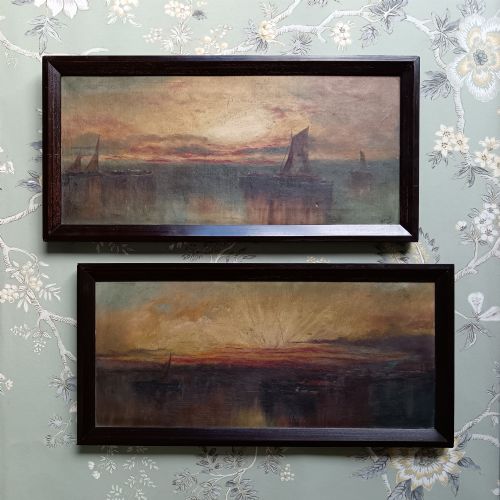
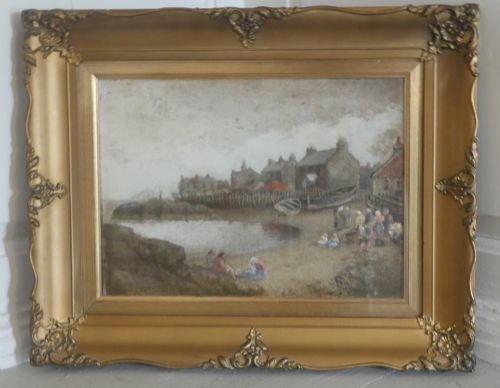
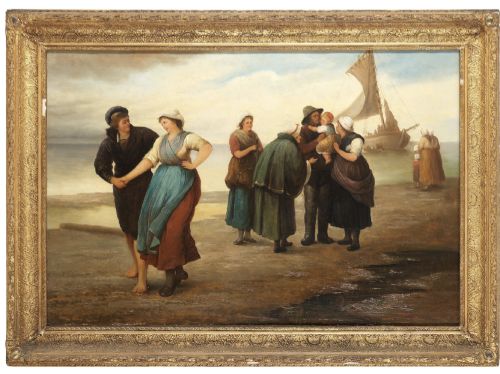
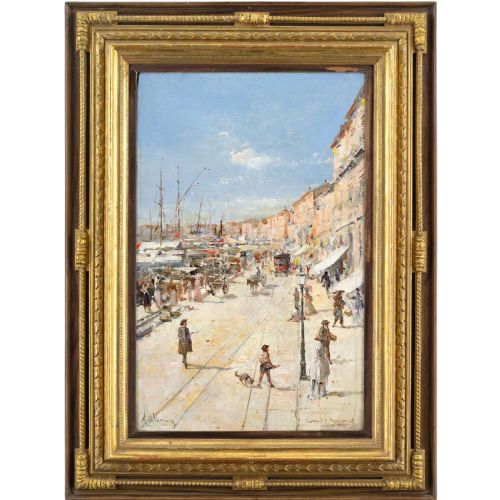

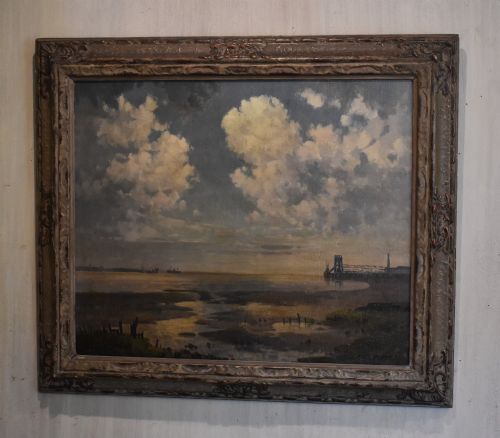
Framed Coastal Oil Painting
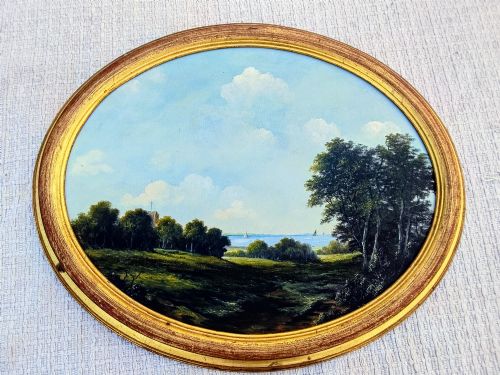
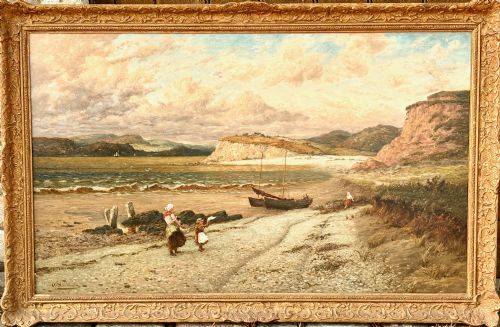
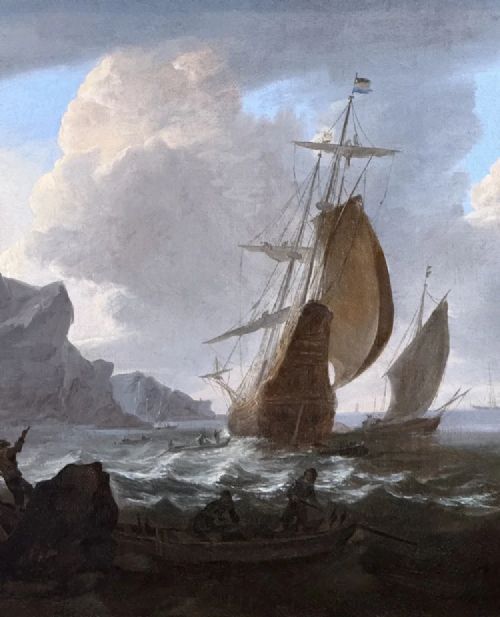
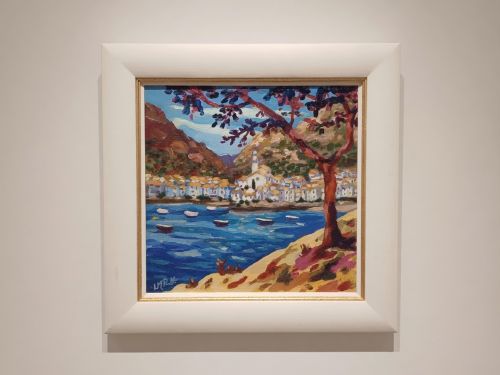
When you search for a framed coastal oil painting, you are looking at seascapes, harbours and maritime scenes captured in oils.
Framed Coastal Oil Painting
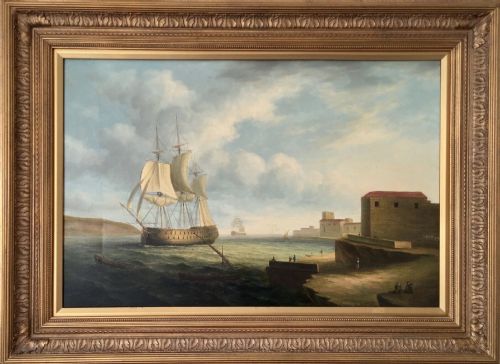
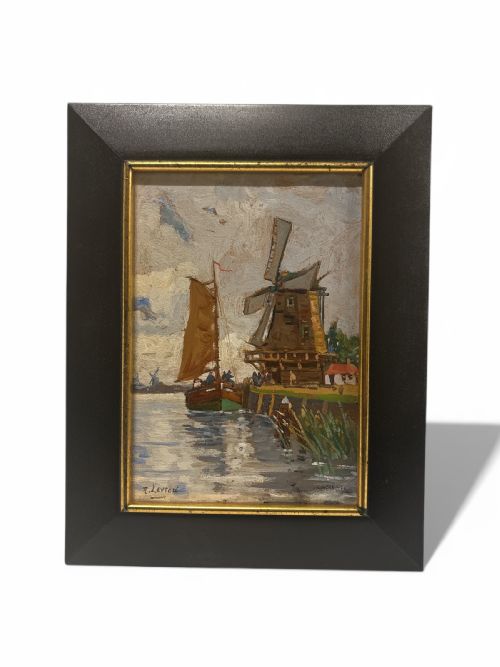
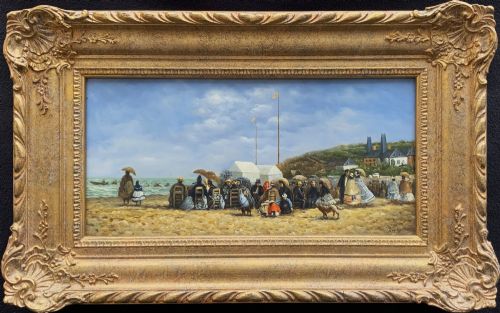
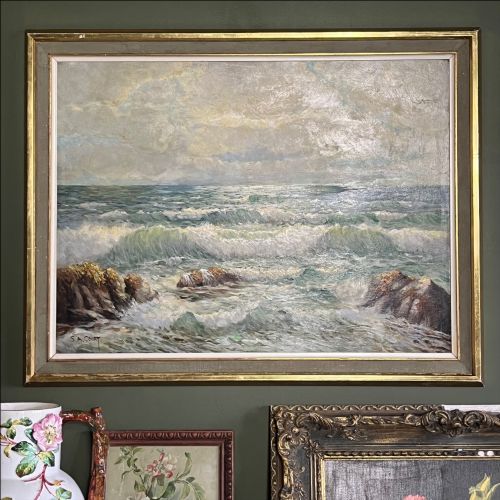
A framed coastal oil painting captures marine landscapes, harbours and shorelines, drawing on centuries of maritime subject matter. These works range from nineteenth-century depictions of galleons and merchant shipping to twentieth-century views of coastal villages and open seas.
The pieces on this page appear in various formats, including oils on canvas, panel and board. Many retain their original or period frames, particularly giltwood settings that complement the maritime compositions.
How They Were Made
Artists apply oil paint to supports such as canvas, wood panel or board, often working en plein air to capture immediate atmospheric changes along the coast. The medium allows for thick impasto textures in rendering waves and skies, or thin, translucent glazes over calmer waters.
Enclosing frames are constructed from wood and finished with gilt or giltwood, serving both to protect the edges of the canvas and to frame the pictorial space.
Framed Coastal Oil Painting Retail Price Guide 2026
Typical asking prices for framed coastal oil painting among the pieces listed under this phrase on Sellingantiques today, from the lower quarter to the upper quarter. They describe what is for sale here now, not the wider market.
The selection encompasses British Impressionism, Victorian maritime scenes and mid-century modern coastal views.
What Varies in Quality
Quality rests in the handling of light, movement and atmosphere, distinguishing works with observed energy from formulaic regional sketches. Mastery in depicting water, rigging and shifting coastal weather separates the finest maritime paintings from simpler decorative views.
The condition and period suitability of the framing also influence the piece, as original gilt wood mouldings enhance the overall integrity of the artwork.
James Hardy·R Leyton·Clifford Hanney·Sidney A Court·B Nash·Edward Mills·Augusto Alberici·Bonaventura Peeters·Lucy Pratt·Clive Browne·Peter Brannan·Paul Bret·Bernard Benedict Hemy·Thomas Creswick·James Fry·Ethel Sands·Donald McIntyre·Cecil Allan Mould·Charles Euphraisie Kuasseg·John Wilson Carmichael·Abraham Cooper·Joseph Farquharson·Erich Mercker·John Moore of Ipswich·William Henry Williamson
The Framed Coastal Oil Painting Glossary
- Canvas
- A heavy woven fabric stretched across a wooden frame to serve as a support for oil painting. It provides a flexible yet durable surface that has been standard for centuries.
- Giltwood
- Wood carved and covered with a thin layer of gold leaf or metallic paint. It is frequently seen on period frames designed to highlight maritime scenes.
- En plein air
- A French term for painting outdoors to capture direct natural light and weather conditions. This approach is common in coastal scenes where artists record changing tides and skies.
- Impasto
- Paint applied thickly to a surface, standing out in relief from the canvas. Artists use this technique to give texture and body to crashing waves or clouds.
Framed Coastal Oil Painting: Frequently Asked Questions
What periods do these paintings cover?
The works span from the seventeenth century through the nineteenth and twentieth centuries, reflecting changing approaches to maritime subjects over time.
Victorian and Edwardian pieces sit alongside mid-century modernist interpretations of coastal landscapes.
Are the frames original to the paintings?
Many pieces retain gilt or giltwood frames appropriate to their period, which help complete the presentation of the artwork.
Listings specify when a frame is period or antique alongside the painting itself.
What surfaces are used for these paintings?
Artists painted on various supports, predominantly canvas, wood panel and board, depending on the period and the artist's preference.
These materials provide the stable foundation necessary for oil paint over many decades.
How do I care for an oil painting?
Keep paintings away from direct sunlight, excessive moisture and sudden temperature changes to protect both the canvas and the oil pigments.
Dust the surface and the frame gently with a dry, soft brush when needed.