
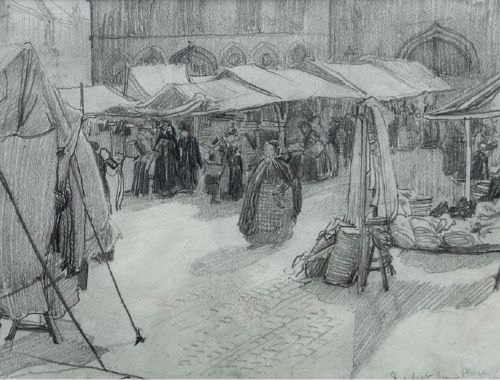

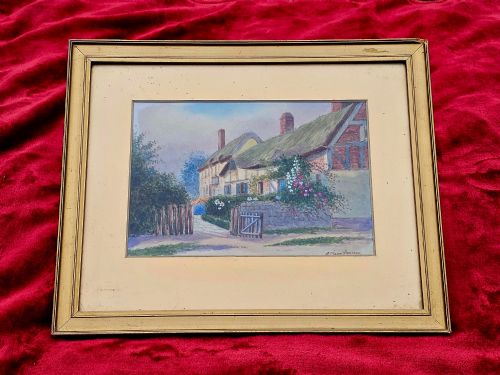
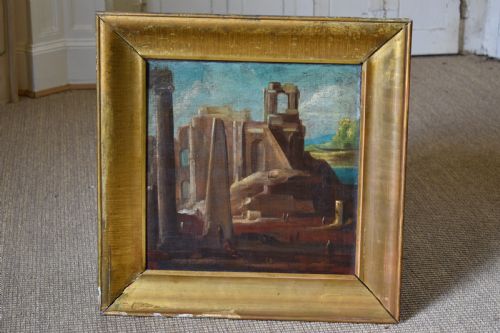
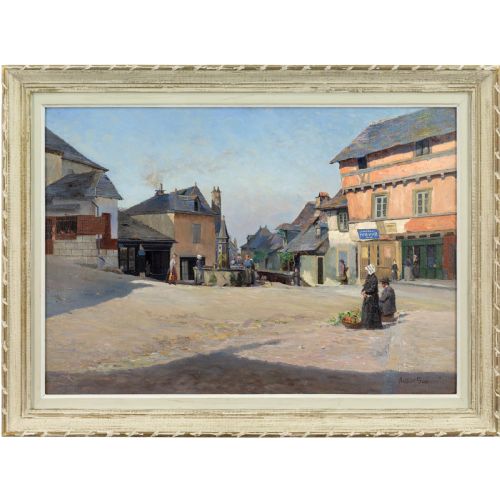

Framed Architectural Landscape Artwork
Framed architectural landscape artwork brings together built structures and open terrain across watercolours, oils, and prints spanning multiple centuries.
Framed Architectural Landscape Artwork
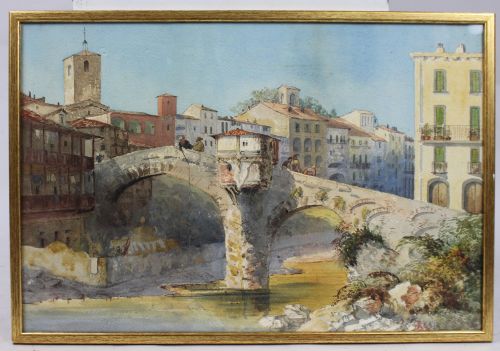
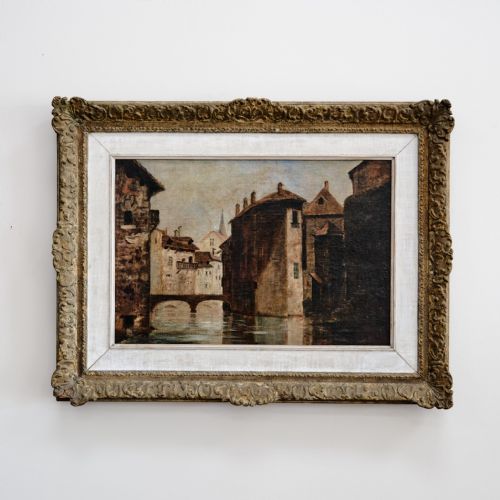
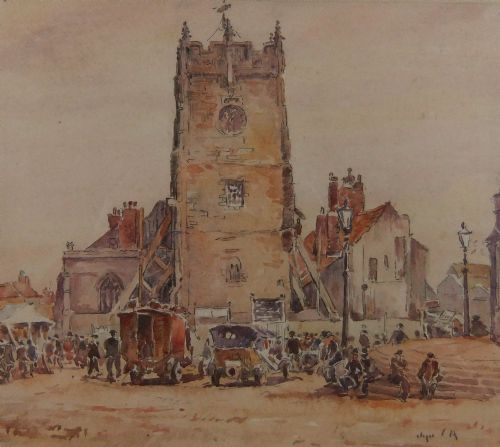
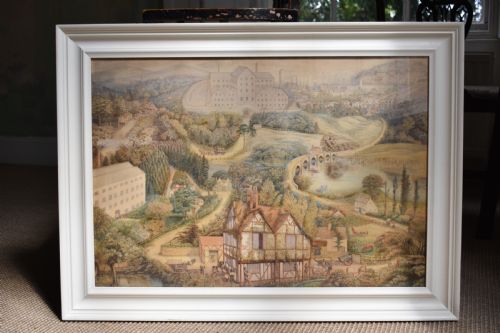
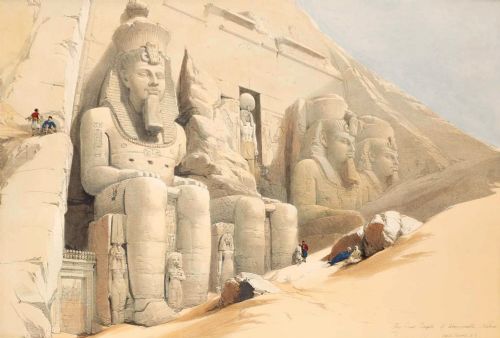
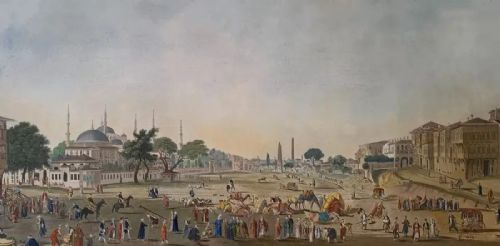
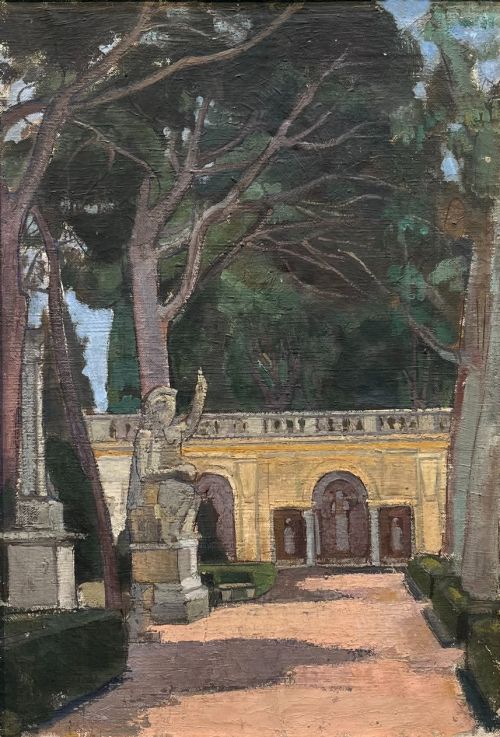
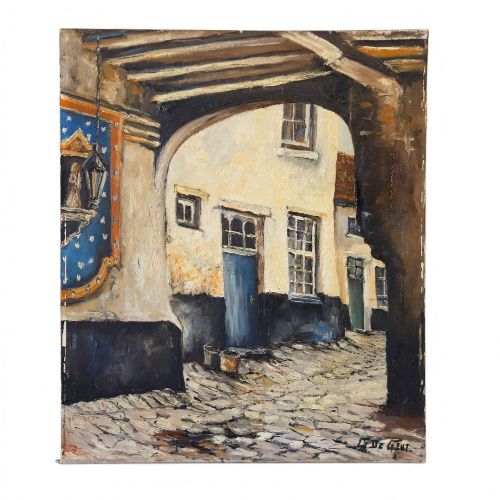
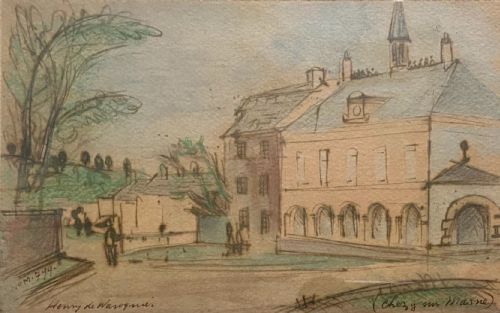
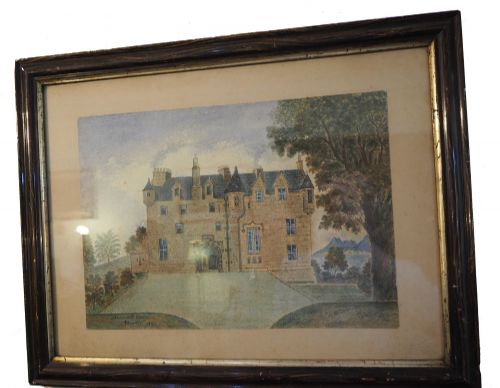
When you search for framed architectural landscape artwork, you encounter pictures that position buildings, ruins, bridges, and city squares within natural settings or urban vistas. These pieces range from nineteenth-century watercolours and grand tour oils to twentieth-century impressionist cityscapes and mid-century abstracts.
The versions you meet most frequently on this page include watercolours and oil paintings on canvas, board, or panel, alongside hand-coloured etchings and neo-classical prints. Dating largely from the nineteenth century through the mid-twentieth century, they capture scenes from British, French, Italian, and Egyptian locations.
Subjects vary from market squares, canal views, and ancient monuments to castles, factories, and village streets. The framing itself is an integral part of the presentation, often pairing historic works with period or complementary mouldings under glass or varnished surfaces.
How they were made
Makers utilised paper, wood panels, canvas, and board as the primary supports for their compositions, applying oil paint, watercolours, ink, and impasto to build up the image. Oil on canvas and board allowed artists to layer pigments for depth and texture, while watercolours on paper relied on translucent washes.
Many works incorporate fine framing in wood and glass to protect the painted or drawn surface, occasionally augmented by stone inlays such as Italian pietra dura panels. Hand-coloured etchings and prints combined engraved lines with applied pigment to achieve their final colour palette.
Some nineteenth-century artists clearly struggled with architectural perspective, resulting in bridges that bend merrily towards oncoming canal boats.
What varies in quality
The standard of execution in these pieces rests on the handling of perspective, light, and the structural integrity of the buildings relative to the landscape. Skilled draughtsmanship and confident brushwork distinguish a compelling architectural view from a rigid or formulaic composition.
The preservation of the original medium, whether oil paint, watercolour, or print ink, alongside the condition of the framing and mount, dictates the visual impact of the work.
Henry Percy Huggill·Thomas Ellison·A Marie Parsons·Arthur Gué·John Smith Atherton·David Roberts·Anton Ignaz Melling·Henry de Waroquier·Lilian Colbourn·Alexander Jamieson·Paul Élie Gernez·Fred Lawson·Anne Dorrien Smith·Ron Folland·Stanley Orchart·Giovanni Paolo Panini
The Framed Architectural Landscape Artwork Glossary
- Pietra dura
- A method of inlaying cut and fitted polished coloured stones to create pictorial images. This technique appears in decorative architectural panels.
- Impasto
- The process of laying paint thickly on a surface so that it stands out from it. Artists used this to give texture to mid-century cityscapes.
- Etchings
- Impressions taken from a metal plate upon which the design has been etched by acid. Hand-coloured versions add pigment after printing.
- Watercolour
- Artists' paint made with water-soluble binders and transparent pigments. It was widely used for topographical and architectural views on paper.
- Italianate
- A style of art and architecture inspired by Italian models, particularly historic ruins and landscapes. It frequently appears in nineteenth-century watercolours and oils.
Framed Architectural Landscape Artwork: Frequently Asked Questions
What periods do these artworks cover?
The pieces span from the eighteenth century through the nineteenth and twentieth centuries, with a strong representation of Edwardian, Victorian, and mid-century examples.
Styles range from traditional topographical watercolours and grand tour oils to impressionism and post-impressionism.
How should I hang architectural watercolours?
Watercolours on paper require protection from direct sunlight to prevent the pigments and paper from fading over time.
Keep them away from damp environments and ensure they are framed behind conservation glass where possible.
What subjects are most common?
Common subjects include European cityscapes, Venetian canals, classical ruins, bridges, castles, and street scenes.
Views from Italy, France, and Britain predominate across the selection.
Are all pieces original paintings?
The selection includes original oil paintings, watercolour paintings, and mixed media drawings alongside hand-coloured etchings and architectural prints.
Each listing specifies the exact medium used by the artist.