
Vintage Architectural Wall Art
Vintage architectural wall art brings structural history and painted cityscapes into a room, offering panels, screens, and framed plates from past centuries.
Vintage Architectural Wall Art
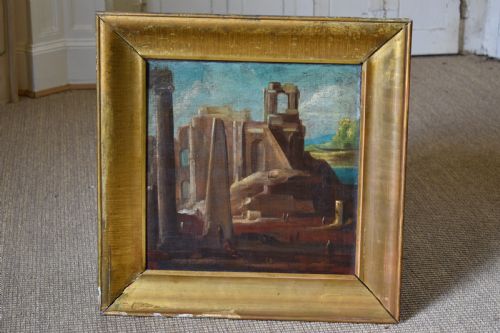
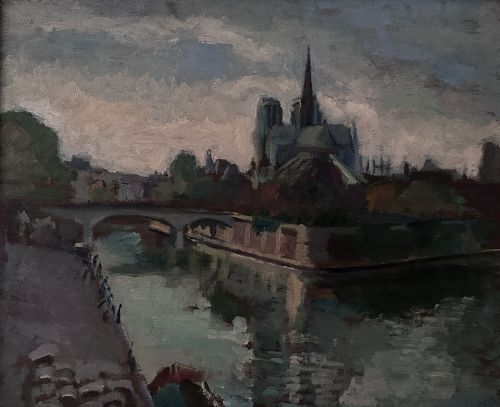
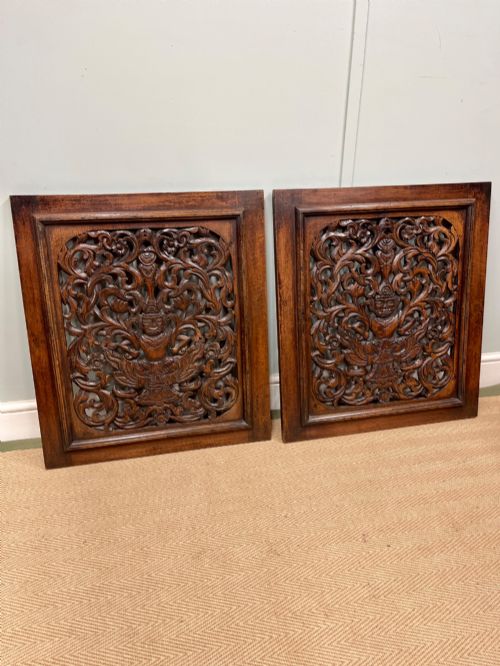
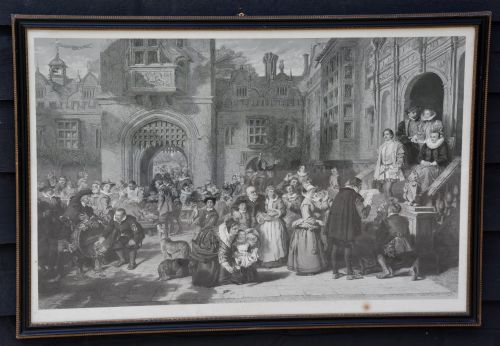
When you search for vintage architectural wall art, you encounter a mix of carved wooden panels, framed engravings of classical orders, and oil paintings depicting cathedrals and city streets. The items span the nineteenth and twentieth centuries, originating from Victorian Britain, France, and Italy.
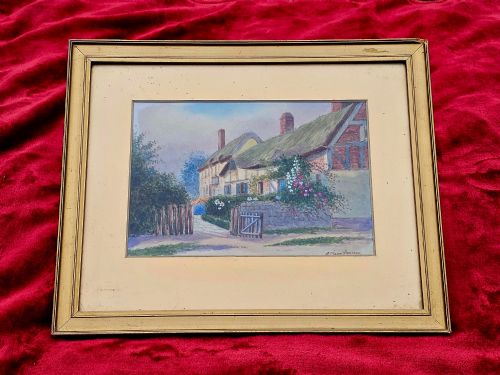
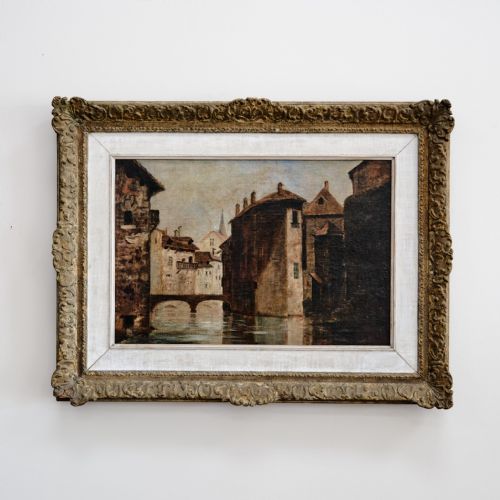
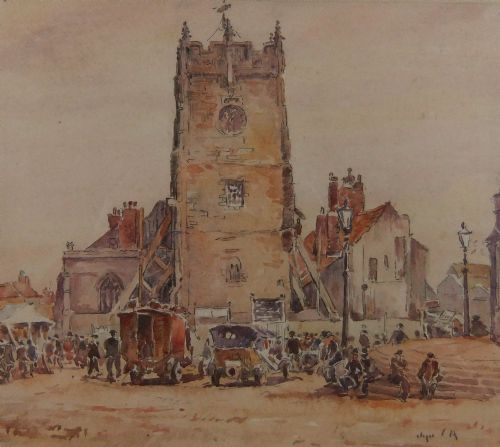
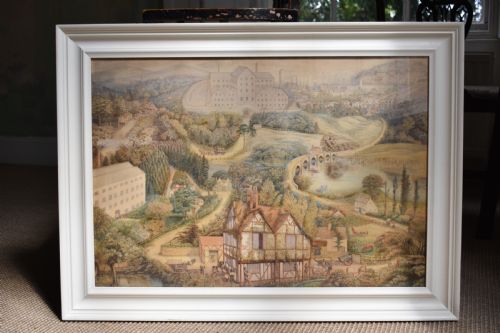
You are most likely to meet framed watercolours of urban scenes, oil paintings on canvas depicting French street life, and weathered wrought iron or cast iron scroll panels. These pieces range from Grand Tour oils to mid-century abstract cityscapes and architectural salvage.
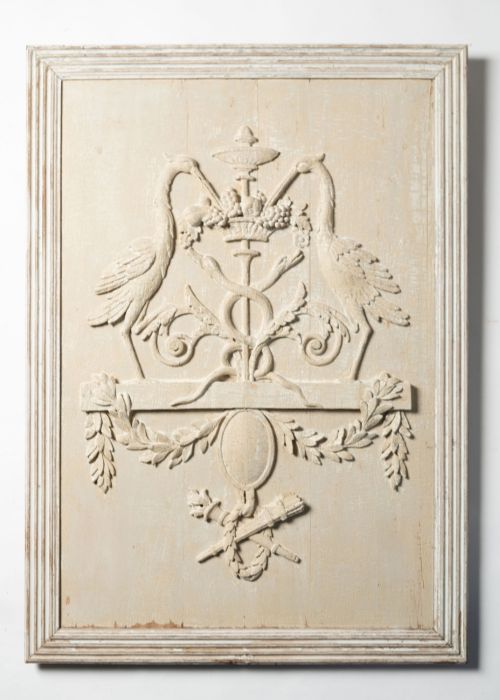
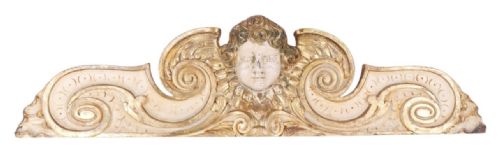
The selection includes specific structural elements such as over door carvings, iron garden screens, and pietra dura framed panels. Such pieces bridge the gap between fine art paintings and physical remnants of buildings.
How vintage architectural wall art was made
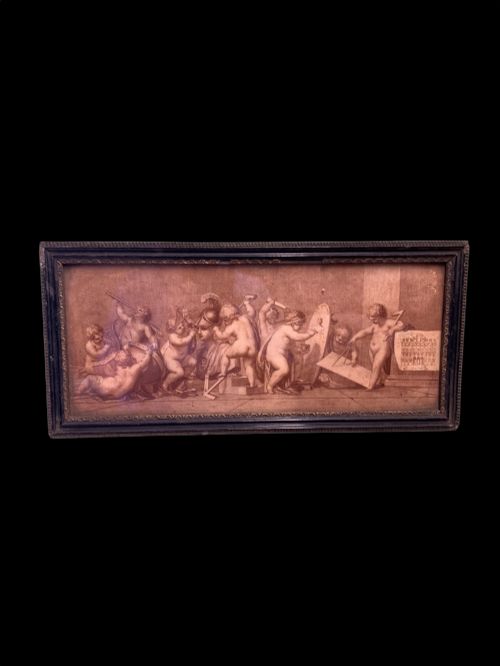
Paintings utilise oil paint and watercolour on canvas, paper, wood panel, or board. Engravings and prints utilise paper mediums framed in original surrounds such as Hogarth mouldings.
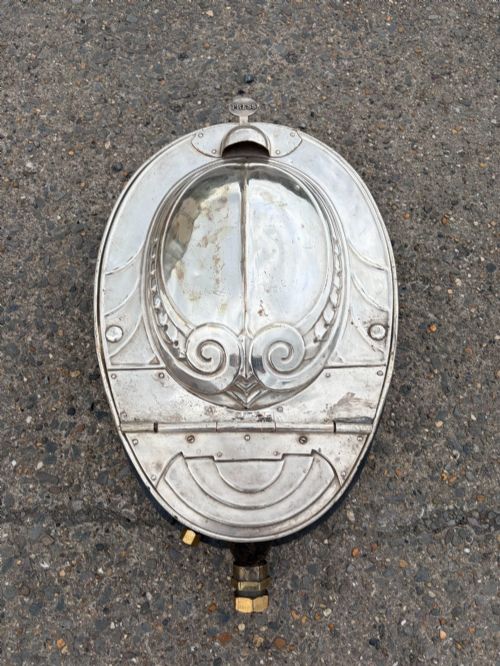
A railway sleeping compartment sink makes an unexpected wall piece.
What varies in quality
Depth of relief and intricacy of hand carving separate simple decorative panels from superior architectural woodworks. The precision of line in watercolour and oil paintings dictates the artistic merit of framed views.
The authenticity of original frames, such as period Hogarth moulding, adds distinction to engravings and paintings. Material integrity, seen in the weathering of cast iron and wrought iron panels, influences the character of salvage pieces.
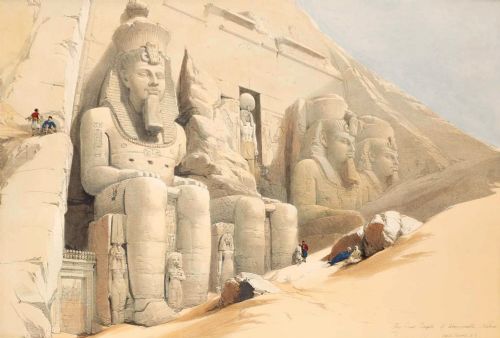
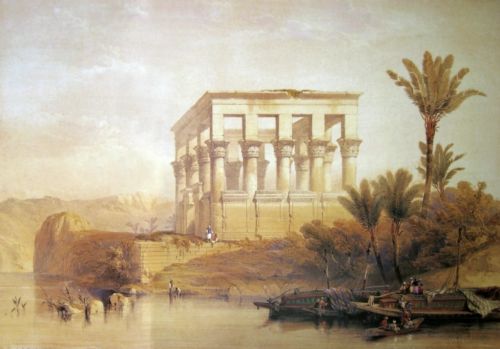
Raymond Subes·David Roberts·Paul Elie Gernez·Lilian Colbourn
The Vintage Architectural Wall Art Glossary
- Corinthian Order
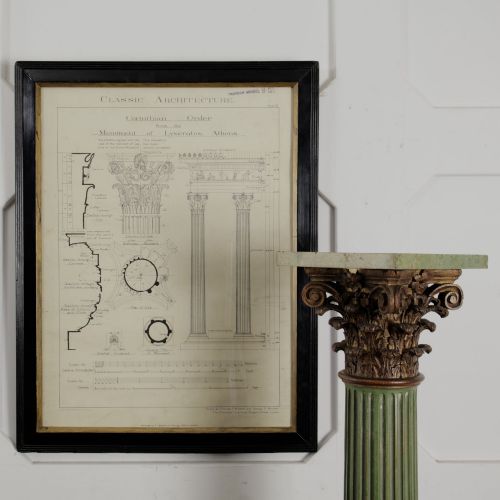
- An architectural system of classical columns and capitals characterised by ornate leaf ornamentation. Plates illustrating this order appear in framed prints.
- Pietra Dura
- An artistic technique using cut and fitted polished coloured stones to create inlaid designs on panels. Italian examples utilise this method for pictorial stone mosaics.
- Hogarth Frame
- A distinctive moulded wooden picture frame profile popular in earlier framing traditions. These surround engravings and paintings from the eighteenth and nineteenth centuries.
- Architectural Salvage
- Building elements rescued from structures for decorative reuse. Wrought iron scroll panels and cast iron balustrades represent this category.
Vintage Architectural Wall Art: Frequently Asked Questions
What periods do these pieces cover?
The selection spans from the eighteenth century through the Victorian era and into the mid-twentieth century. Works date across the 1900s, 1920s, 1930s, and 1950s.
Items incorporate nineteenth-century salvage alongside post-impressionist and mid-century modern paintings.
How do I hang heavy iron panels?
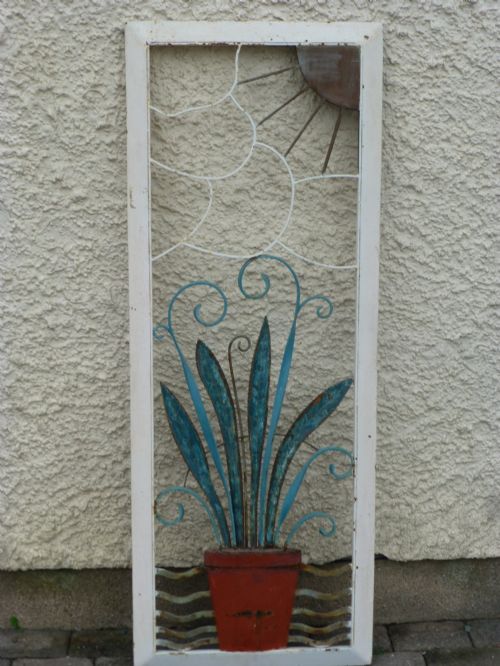
Wrought iron and cast iron architectural scroll panels require secure wall anchorages into masonry or structural studs. Professional fixings support the considerable weight of metal salvage safely.
Lighter framed watercolours and paper prints utilise standard picture hanging wire and wall hooks.
Are the oil paintings signed?
Many oil paintings and watercolours on this page feature artist signatures or attributions in the title record. Examples include works by named painters and signed industrial constructivist scenes.
Other canvases and French market scenes remain from unknown artists while retaining period characteristics.
What is a relief architectural diorama?
A relief architectural diorama presents a three-dimensional representation of a building facade. Moorish Alhambra influences appear in specific sculptural relief panels.
These pieces project outward from the wall, combining sculpture with architectural display.