

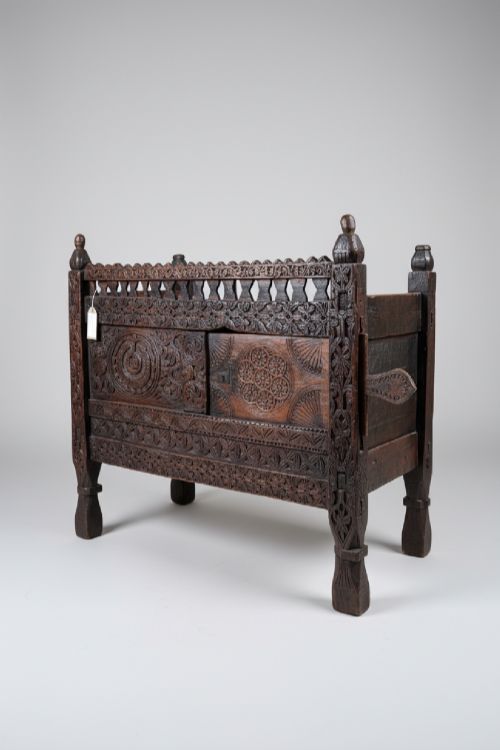


Folk Art Wooden Chest
These folk art wooden chests are hand-painted storage pieces spanning the eighteenth to the twentieth centuries, bringing regional colour and domestic history into a modern room.
Folk Art Wooden Chest
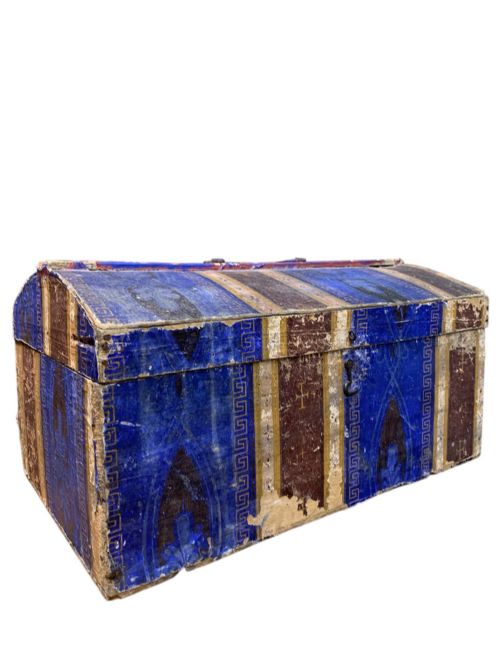
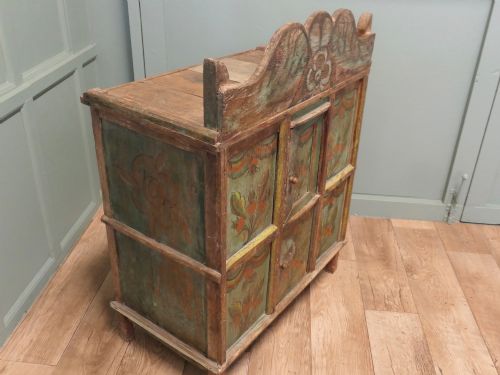
A folk art wooden chest is typically a pine storage box, trunk, coffer or marriage chest decorated with regional pigments and motifs. When you search for this phrase, you encounter pieces originating from Scandinavian, Hungarian, Alpine and British rural traditions.
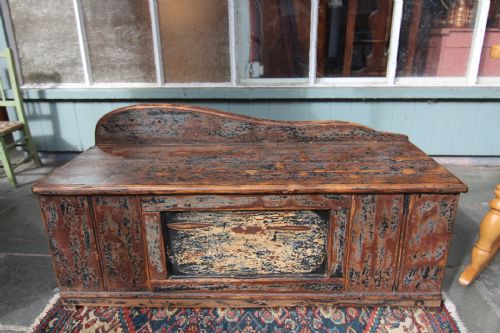
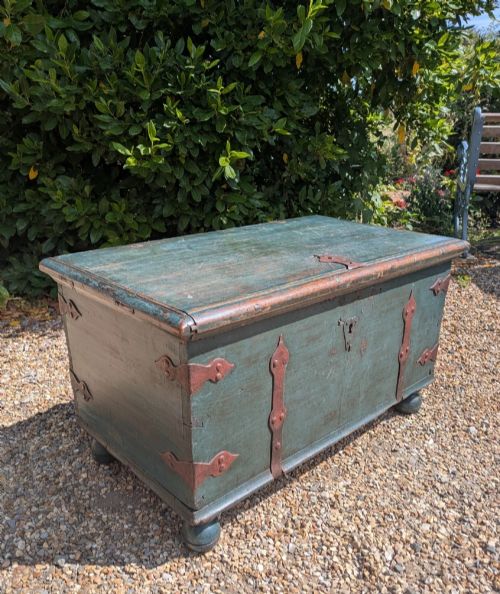
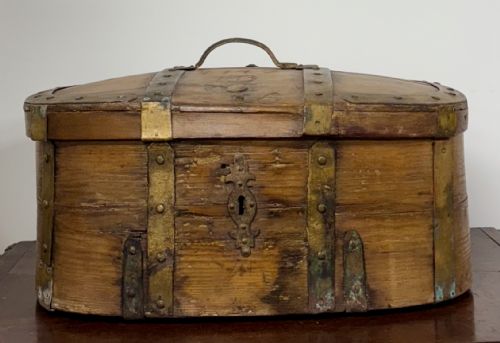
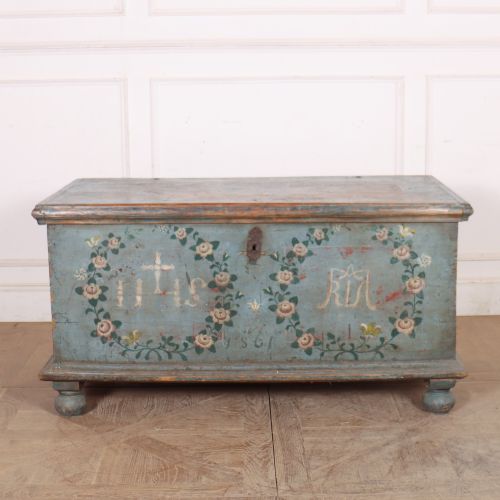
The most common forms on this page are nineteenth-century painted marriage trunks, dome-top chests and blanket boxes finished in original pigments. These domestic containers served practical household storage needs while marking significant life events such as weddings.
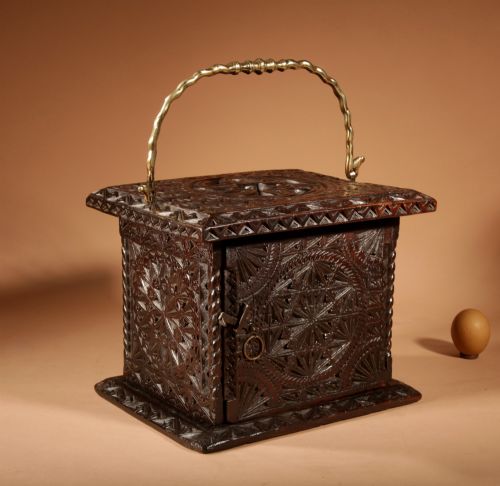
Makers ranged from village carpenters to estate craftsmen working within distinct local vernaculars, producing strong boxes, small caskets and occasional chip-carved foot stoves. Each region applied its own palette, from soft greens to vibrant teal, making provenance legible through surface decoration.
Materials and Construction
Construction relies primarily on solid pine and occasionally oak, assembled into sturdy box forms designed to withstand heavy domestic use. Boards were joined simply, often leaving visible tool marks that indicate hand-tool methods.
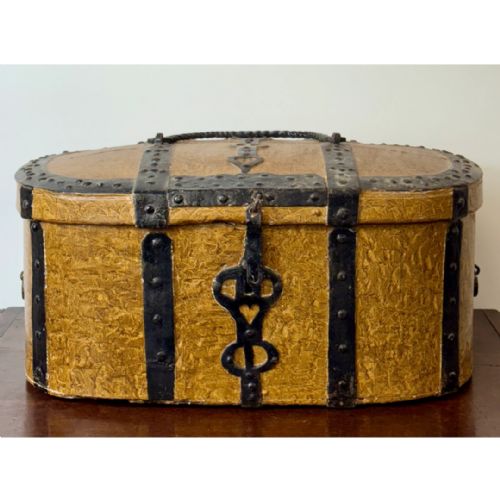
Surface finish is paramount, utilising traditional oil or water-based pigments applied directly to the bare wood. Many examples retain their original paint layer, sometimes enhanced with hand-forged iron strapwork, hinges and brass details that secure the lid.
Folk Art Wooden Chest Retail Price Guide 2026
Typical asking prices for folk art wooden chest among the pieces listed under this phrase on Sellingantiques today, from the lower quarter to the upper quarter. They describe what is for sale here now, not the wider market.
A tiny eighteenth-century oak foot stove hints at freezing European church services where villagers warmed their toes inside the box.
Judging Quality in Folk Art
Quality rests heavily on the survival and integrity of the original paint surface rather than academic joinery. A chest retaining untouched, vibrant pigment without extensive over-painting commands greater attention from collectors.
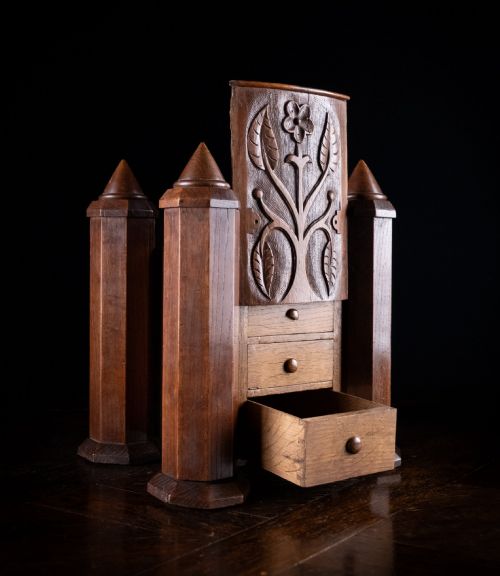
Proportion and decorative confidence separate standard utility pieces from exceptional vernacular works. Pieces demonstrating skilled hand-carving, such as chip carving, or well-executed floral and geometric strapwork reveal the maker's artistic ambition.
Gemla Fabrikers
The Folk Art Wooden Chest Glossary
- Strapwork
- Ornamental metal bands of iron or brass fixed across the exterior of a chest to reinforce the joints and deter forced entry. These forged elements often contribute significantly to the visual character of folk boxes.
- Mule chest
- A traditional storage chest featuring one or more drawers built into the base beneath the main compartment. This form bridges the gap between the simple trunk and the modern chest of drawers.
- Scumble
- A decorative painting technique where a translucent glaze is manipulated over a lighter base coat to simulate more expensive timbers like birch or oak. This method was widely used on pine furniture to achieve a richer finish.
- Chip carving
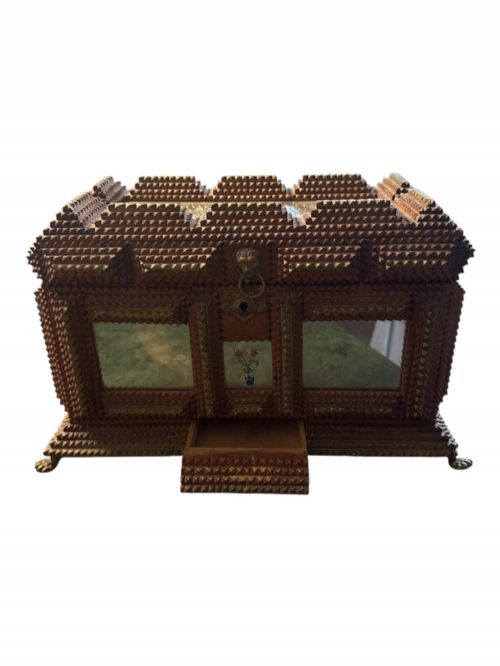
- A primitive decorative method where small chips are removed from the surface of the wood with a knife or chisel to create geometric patterns. It appears frequently on smaller domestic items and folk boxes.
- Strong box
- A heavy-duty storage chest, frequently bound in iron strapwork, intended for securing valuables and documents. These pieces are typically smaller in scale and built with reinforced lids.
Folk Art Wooden Chest: Frequently Asked Questions
What is a folk art wooden chest?
A folk art wooden chest is a utilitarian storage box or trunk embellished with hand-painted regional decoration, carving or forged ironwork. These pieces were produced across Europe, particularly in Scandinavia and Hungary, by local craftsmen and villagers.
They served as practical household furniture for storing textiles, dowry items and valuables. Over time, their decorative surfaces evolved to reflect specific local cultural traditions.
How do I care for original paint?
Preserving original paint requires keeping the chest away from direct sunlight and maintaining stable indoor humidity. Avoid modern chemical polishes, using only a soft, dry cloth for dusting.
Because many surfaces are water-based or delicate oil pigments, moisture can lift the paint layer. Treat the timber gently to preserve the historical patina.
How were these chests used?
Households utilised these chests primarily for storing blankets, winter clothing, linen and personal documents. Marriage chests specifically held the bride's dowry and accompanied her to the new marital home.
Smaller boxes and strong boxes sat on tables or floors to hold money, silverware and important papers. Their robust construction often allowed them to double as seating benches.
How can I tell the period?
Dating relies on examining the construction marks, nail types, timber species and the style of the painted decoration. Eighteenth-century examples often display simpler, heavier dovetailing and deeper patination.
Nineteenth-century pieces frequently feature brighter floral motifs or scumbled finishes. Comparing the regional palette helps narrow down the exact decade of manufacture.