

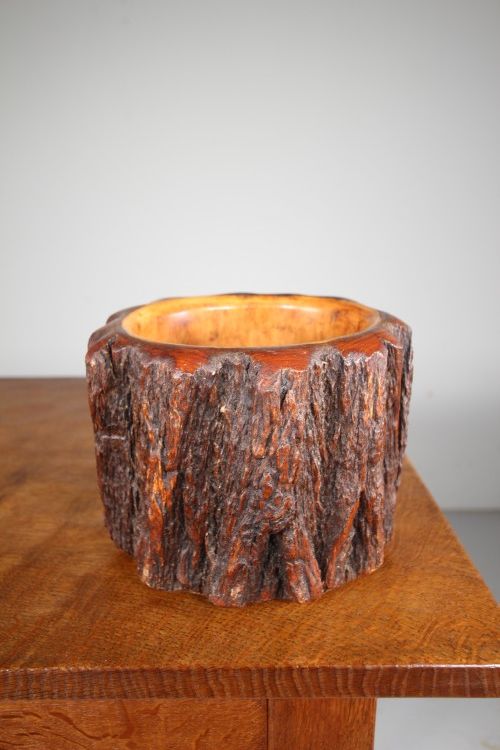


Carved Folk Art Trunk
A carved folk art trunk brings raw carpenter skill and vernacular soul into a room, offering both robust storage and distinct historical character.
Carved Folk Art Trunk
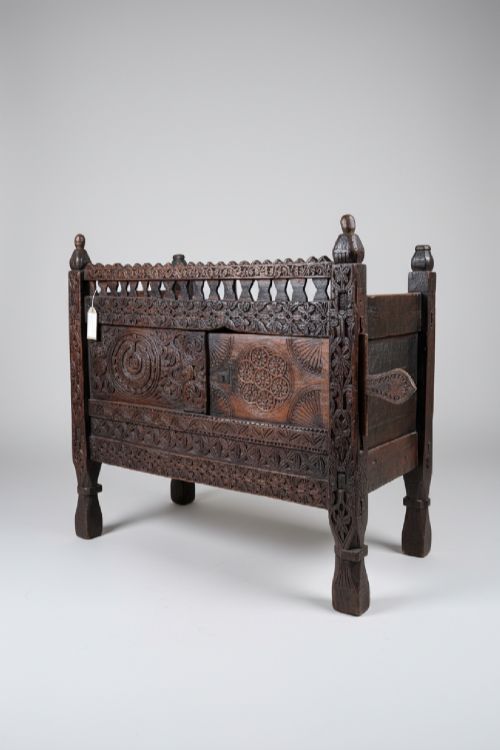
When you search for a carved folk art trunk, you find utilitarian containers shaped by regional traditions and domestic hands. The selections here include marriage and dowry chests alongside chip carved coffers from the nineteenth century and Georgian periods.
The forms range from large mule chests and marriage coffers down to smaller boxes and primitive shepherds coffers. Each object reflects the vernacular tastes and domestic needs of its specific rural community.
How they were made
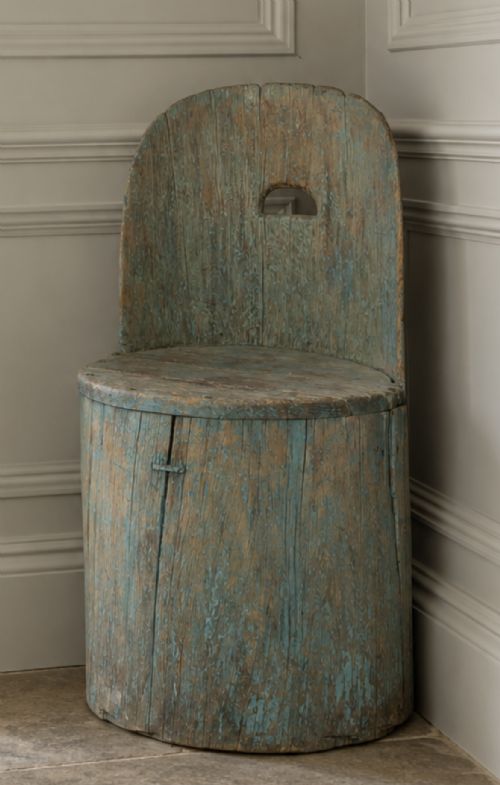
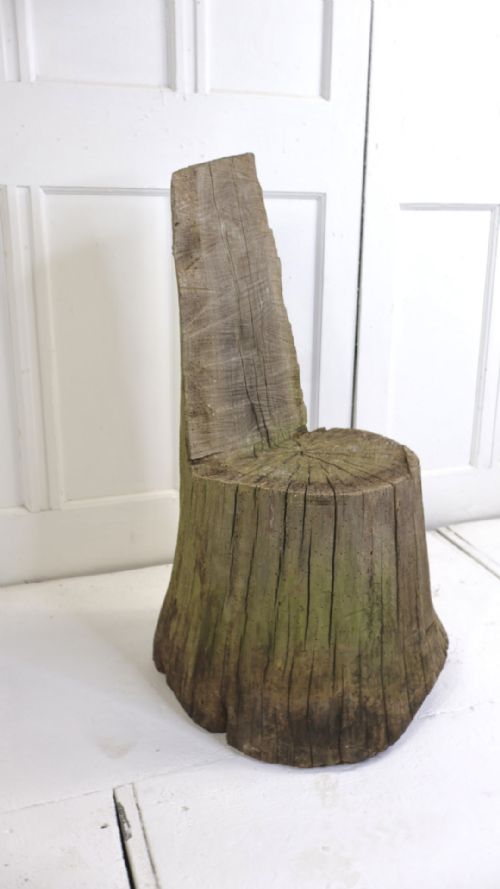
Makers shaped these trunks from solid timbers like pine, oak, sycamore, and assorted hardwoods using basic hand tools. Construction often relied on heavy planks, joined boards, or hollowing out single sections of tree trunk to form dug out bodies.
Surface decoration frequently involved chip carving, hand painting, or leaving the natural bark intact. Iron hardware such as straps and hinges provided functional reinforcement to the wooden structures.
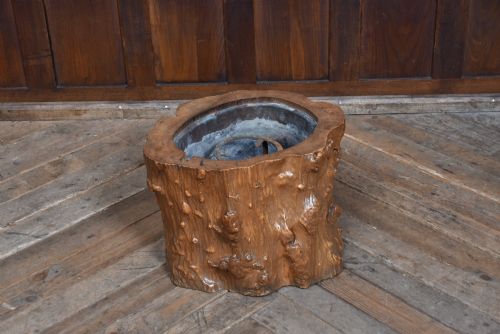
Several items here began life simply as a tree trunk before a carpenter took an adze to them.
What varies in quality
The distinction between ordinary and exceptional pieces rests on the ambition of the carving and the integrity of the surface. Crisp chip carving and well-preserved original paint elevate a vernacular object from a simple container to a piece of sculpture.
Proportion and structural honesty also define the upper tier of these items. Pieces that retain their original iron hardware and display balanced regional characteristics hold greater visual presence.
The Carved Folk Art Trunk Glossary
- Dowry chest
- A large box traditionally made to hold household goods and linens accumulated for a marriage. These pieces frequently feature regional carving or painted decoration.
- Chip carved
- A style of ornamentation where small chips are removed from a flat wooden surface with a knife or chisel to form geometric patterns. This technique appears widely on vernacular coffers.
- Mule chest
- A storage chest featuring one or more drawers beneath the main compartment. They bridge the design between a simple box and a full chest of drawers.
- Cofer
- An archaic spelling of coffer, denoting a strong box used for storing valuables or documents. These often possess heavy timber construction and secure lids.
- Vernacular
- Architecture or furniture made by local craftsmen using traditional methods and local materials. These items prioritize utility and regional style over high-fashion academic design.
Carved Folk Art Trunk: Frequently Asked Questions
How were carved folk art trunks used?
These trunks served as primary storage containers in domestic interiors, holding textiles, valuable documents, and personal belongings. In rural households, they often doubled as seating benches or tables.
Dowry chests specifically held the household linen and goods that a bride brought into a marriage, making them central items in family life and community traditions.
How do I clean a painted trunk?
Dust the surface gently with a soft, dry cloth to remove loose particles without disturbing the underlying timber or pigment. Avoid harsh chemical cleaners or excessive moisture which can damage aged paint and dry wood.
Wax can be applied sparingly to unpainted wooden surfaces to nourish the timber, but painted areas require careful assessment before any product touches the finish.
Can I use a coffer as a coffee table?
Many of these sturdy chests possess flat lids that make them suitable for use as low tables in modern living spaces. Their solid wood construction provides a stable surface for everyday items.
Ensure the height matches your seating and that the hinges and lid remain secure enough to support any items placed on top during daily use.
How do I tell regional styles apart?
Regional identification relies heavily on the specific motifs used in the carving and the palette of any surviving paint. Swat Valley pieces often show dense geometric carving, while Scandinavian and Hungarian examples frequently feature distinct painted floral or architectural motifs.
The choice of primary timber, such as local pine or native hardwoods, also offers clues to the geographic origin of the maker.