
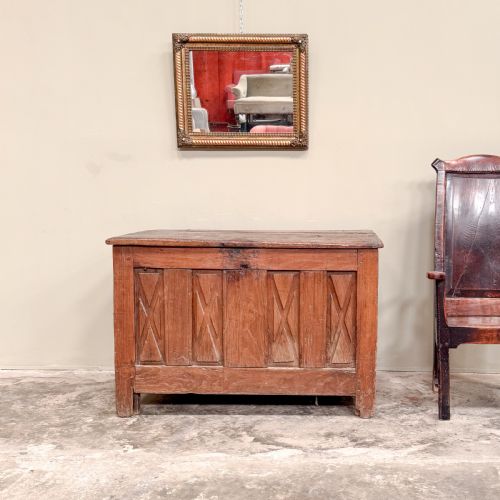

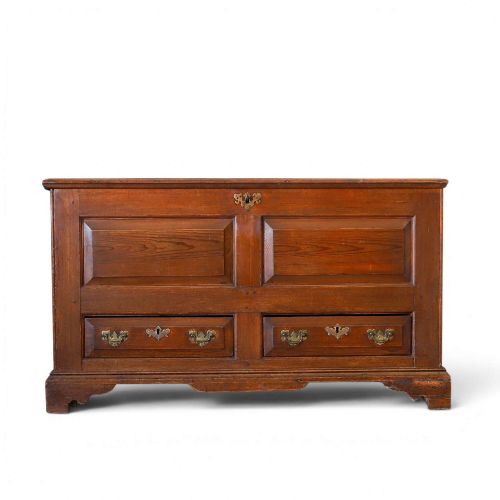
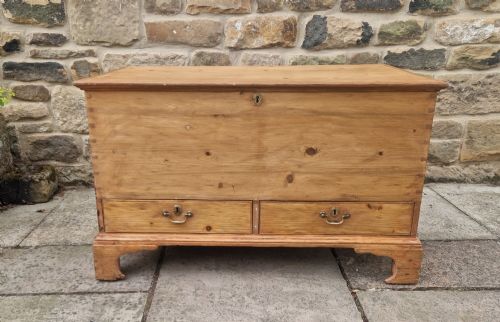
Pine Storage Coffer
A pine storage coffer offers robust utility and honest charm, bringing practical timber character and centuries of domestic history into any room.
Pine Storage Coffer
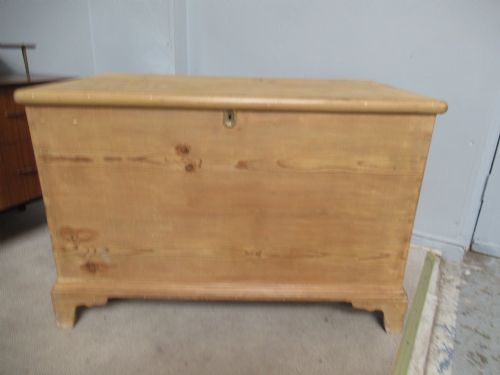
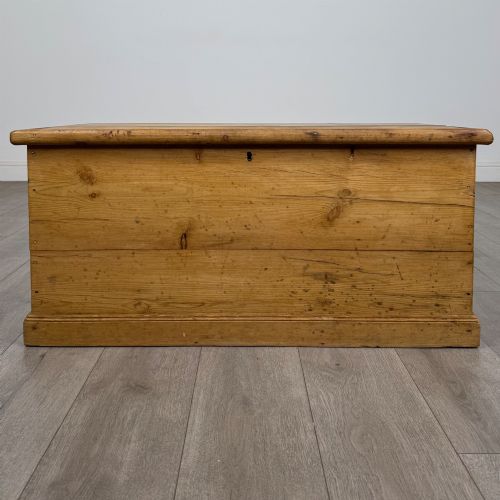
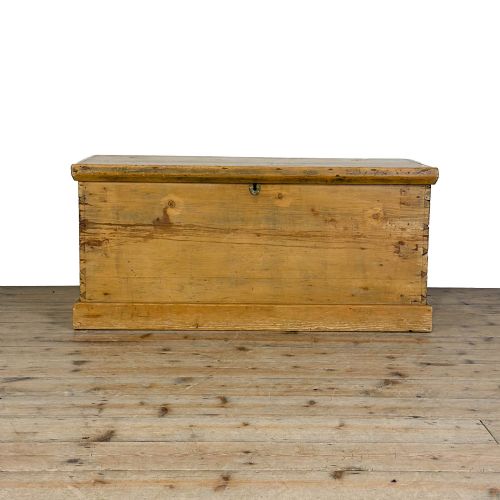
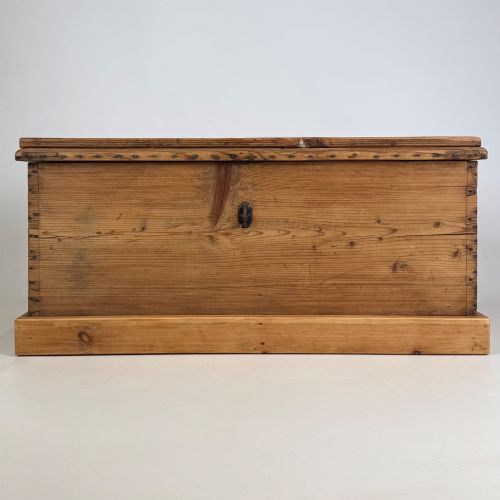
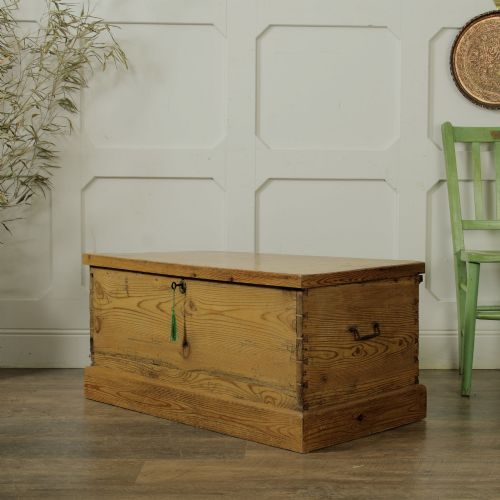
A pine storage coffer serves as a sturdy timber repository for blankets, linen and household goods, rooted in centuries of practical domestic use. When searching for a pine storage coffer, buyers encounter forms ranging from rustic country trunks and blanket boxes to mule chests fitted with internal drawers.
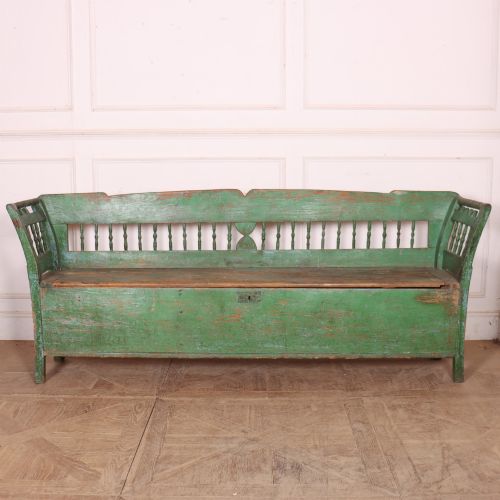
The selection draws on periods spanning the eighteenth and nineteenth centuries, including Georgian and Victorian examples alongside European folk art variants. Pieces originate from diverse regions, encompassing British, Scandinavian, French, Austrian, Dutch and Hungarian workshops.
Materials and construction methods
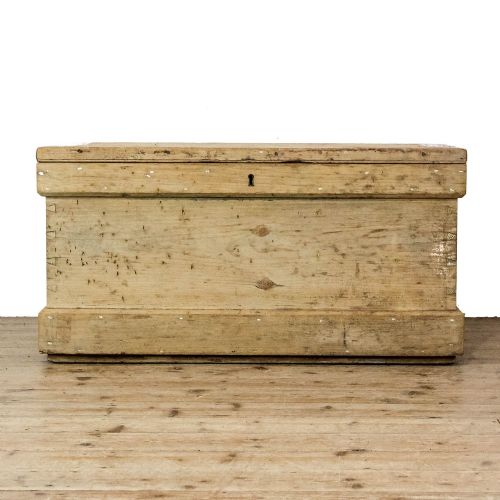
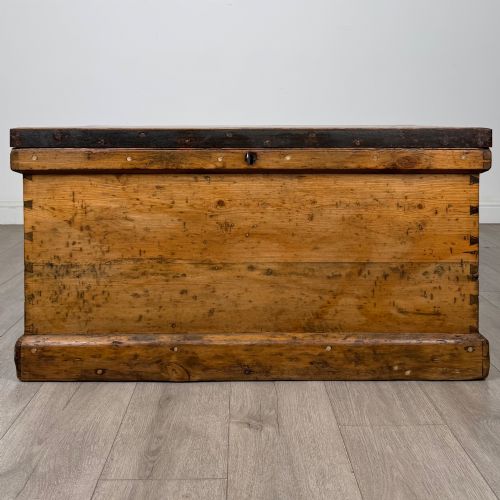
These pieces rely primarily on solid pine and pitch pine, occasionally paired with secondary timbers like oak. Carpenters utilised durable dovetail or pinned joints to construct the primary carcase, often mounting hinged lids designed for daily lifting.
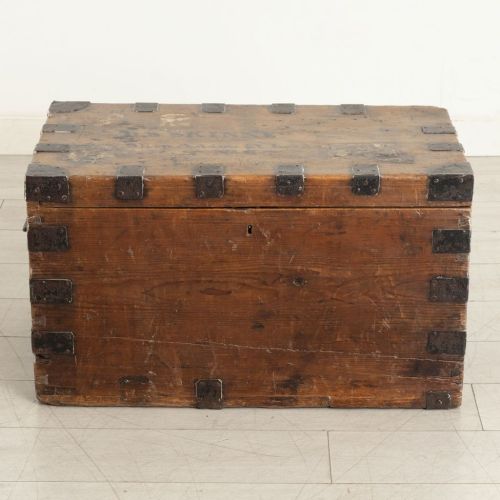
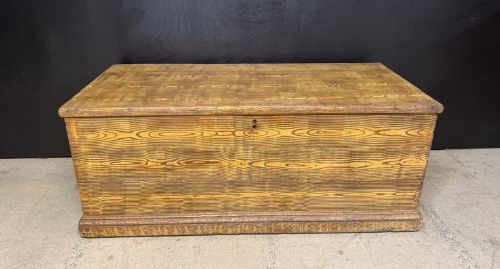
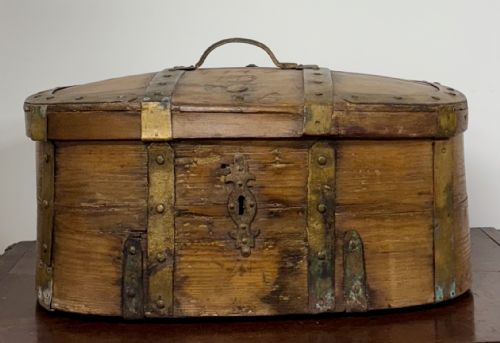
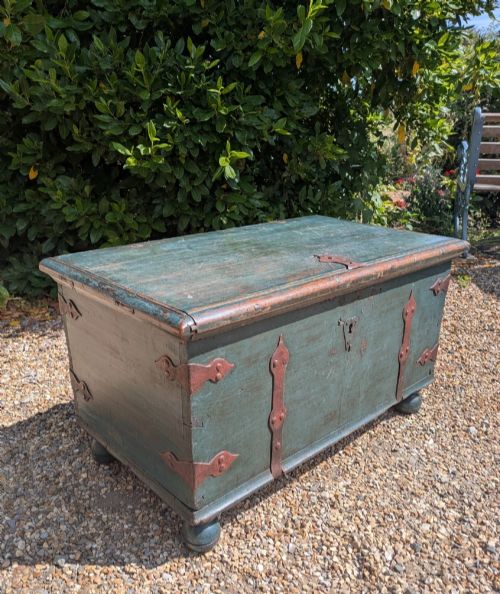
Hardware played a functional and decorative role, featuring hand-forged iron strapwork, brass bindings and robust locks. Surfaces were finished in various ways, ranging from clear wax and scumble paint to original decorative pigments.
Pine Storage Coffer Retail Price Guide 2026
Typical asking prices for pine storage coffer among the pieces listed under this phrase on Sellingantiques today, from the lower quarter to the upper quarter. They describe what is for sale here now, not the wider market.
A few trunks survived centuries of travel bearing the mysterious ghosts of old shipping labels and iron locks.
Markers of distinction and build
Quality rests in the integrity of the original timber and the cleverness of internal arrangements, such as built-in candle boxes or concealed drawers. Superior examples retain untouched surfaces, whether that means honest layers of historic wax or intact original paintwork.
Structural refinement separates standard utilitarian boxes from finer pieces, seen in slender proportions, neat dovetailing and sophisticated ironwork. Regional character and documented provenance elevate certain domestic chests into notable examples of folk craftsmanship.
The Pine Storage Coffer Glossary
- Mule chest
- A traditional storage chest featuring one or more drawers beneath the main lifting compartment. This form bridges the gap between a simple trunk and a chest of drawers.
- Scumble paint
- A decorative surface finish applied with a translucent glaze over a lighter ground to imitate the grain of more expensive hardwoods. It was frequently used on nineteenth-century pine furniture.
- Strapwork
- Flat bands of metal, typically wrought iron, applied across the exterior of a chest to reinforce the wooden joints and provide security. It often forms decorative geometric patterns on the lid and front.
- Pitch pine
- A dense, resinous variety of pine timber known for its pronounced grain pattern and durability. It was commonly utilised for heavy-duty travel trunks and Victorian utility boxes.
- Coffer
- A large, sturdy wooden chest historically used for storing valuables, documents or textiles. The term often denotes a piece with heavier construction and older origins.
Pine Storage Coffer: Frequently Asked Questions
How were these coffers used originally?
Historically, these coffers served as secure containers for valuable textiles, wedding linens, blankets and personal belongings in domestic settings. Their sturdy construction also made them suitable for travel and transport before modern luggage became common.
Over time, they transitioned from utilitarian storage items in farmhouses and estates to decorative furniture pieces used for seating and general household organisation.
How do I care for a waxed pine finish?
Maintaining a waxed pine surface involves dusting regularly with a soft, dry cloth and applying a traditional beeswax polish sparingly when the timber appears dry. Avoid placing these pieces near direct heat sources or in damp environments to prevent wood movement.
Gentle care preserves the historic patina and protects the soft pine surface from everyday wear while maintaining its natural lustre.
How can I tell a Georgian coffer from a Victorian one?
Georgian coffers often display simpler, heavier proportions with hand-cut dovetails and older regional construction methods typical of the eighteenth century. They frequently feature deep wax patination and traditional hardware without mass-produced components.
Victorian examples tend to incorporate machine-sawn elements, varied internal configurations like fitted drawers, and sometimes decorative treatments such as scumble paint or brass bindings.
Can I use a coffer as a coffee table?
Many people utilise these flat-topped chests as coffee tables because their substantial dimensions and sturdy lids provide a practical surface for books and trays. The interior storage simultaneously conceals everyday household clutter.
When choosing one for this purpose, ensure the height matches surrounding seating and verify that the lid structure can support occasional weight.