

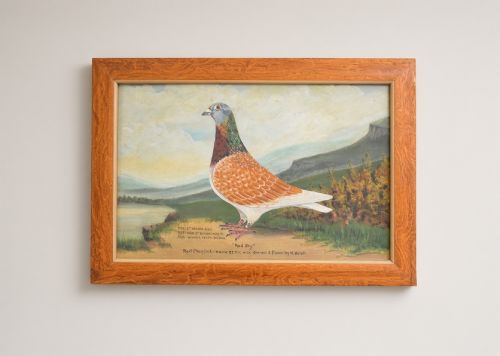

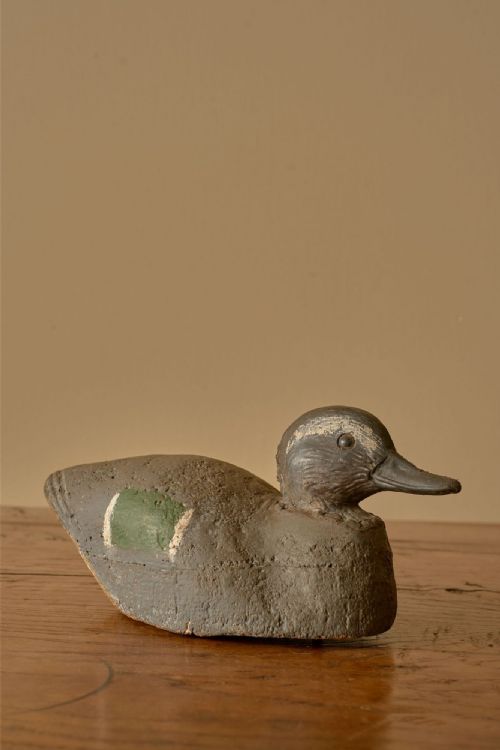
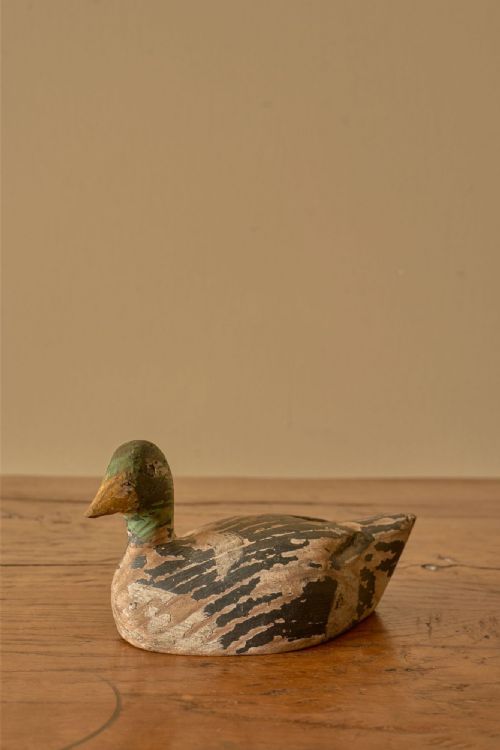
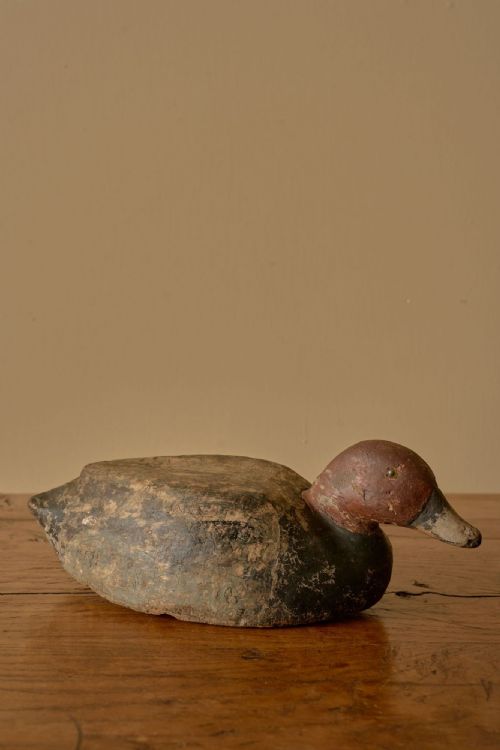


Folk Art Bird Painting
Folk art bird painting brings the direct observation of nature into domestic spaces through naive portraiture and working decoy forms.
Folk Art Bird Painting
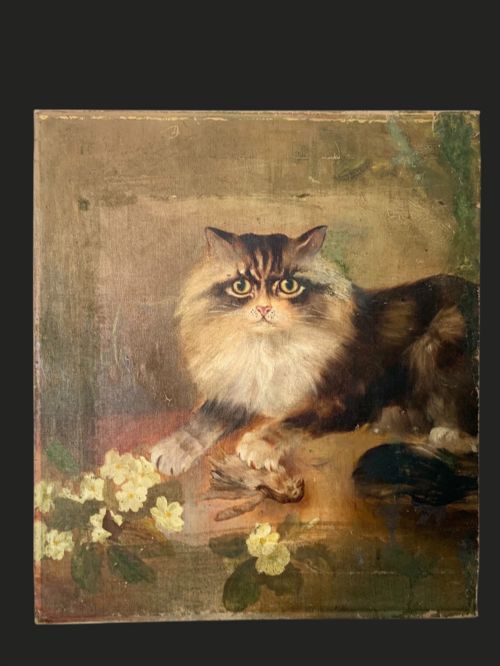
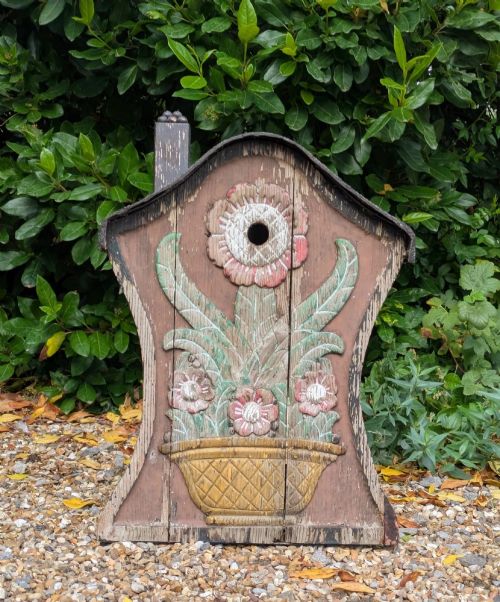
A folk art bird painting selection encompasses naive oil on canvas works, painted wooden decoys, and sculpted avian subjects from the nineteenth and early twentieth centuries.
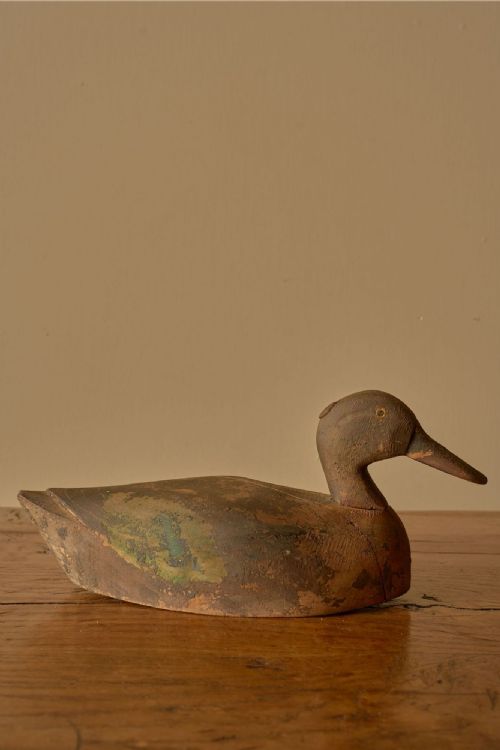
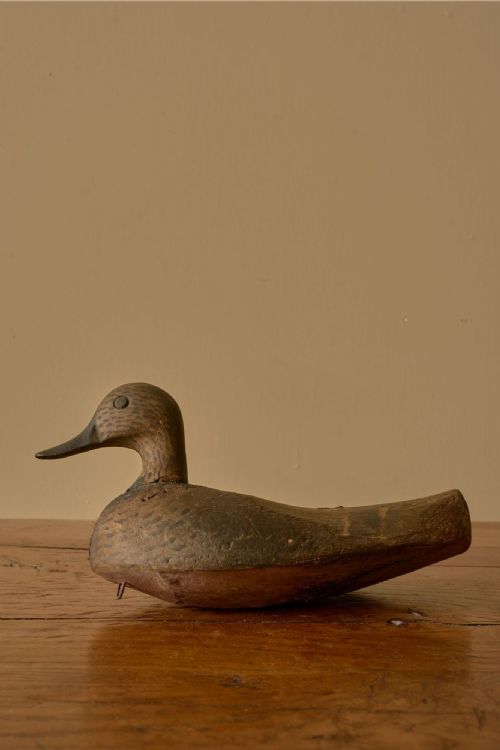
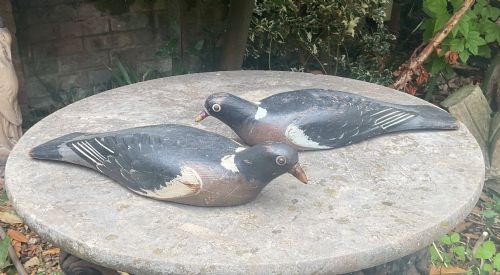
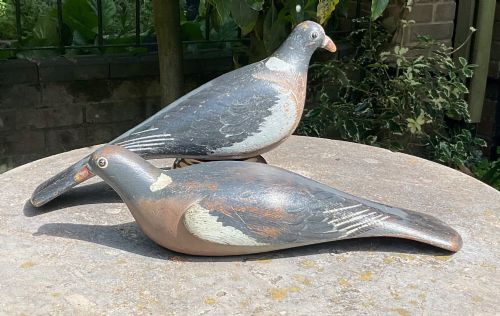
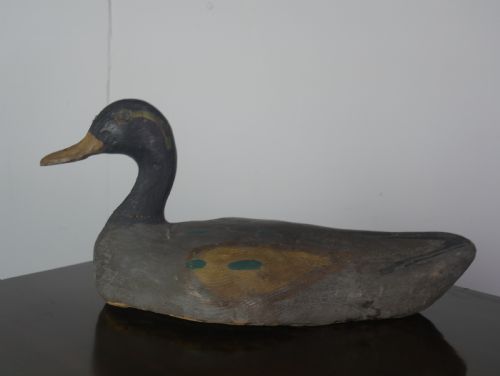
Buyers will frequently encounter painted wooden decoy pigeons, ducks, and geese alongside canvas depictions of racing pigeons and naive school subjects.
The objects originate from English, British, and Scandinavian country traditions, dating from the nineteenth century through the Edwardian period and up to 1930.
Materials and construction
Makers utilised timber, carved wood, and iron, applying surface paint directly to create visual depth and character.
Paint and oil on canvas mediums capture the subjects, whilst carved wood and metal form three-dimensional decoys and weathervanes.
Folk Art Bird Painting Retail Price Guide 2026
Typical asking prices for folk art bird painting among the pieces listed under this phrase on Sellingantiques today, from the lower quarter to the upper quarter. They describe what is for sale here now, not the wider market.
Listings span the 19th century, Edwardian era, and the 1930s, utilising paint, carved wood, iron, and canvas.
Distinctions in quality
The strength of the original paint surface and the character of the hand carving determine the visual impact of each piece.
Works retaining their early surface patination and authentic wear distinguish themselves from examples with later overpaint.
The Folk Art Bird Painting Glossary
- Decoy
- A carved and painted wooden representation of a bird used historically to attract wildlife. These working objects form a primary category within folk art collections.
- Naive school
- An aesthetic style produced by artists without formal academic training, prioritising direct expression over conventional perspective. Works from this tradition often display charming proportions and simplified forms.
- Patina
- The surface sheen and textural changes accumulated through age and handling. A genuine painted surface develops distinct wear marks over decades.
- Weathervane
- A metal or wooden directional instrument mounted on a structure to show wind direction. Avian silhouettes served as popular subjects for these functional outdoor items.
Folk Art Bird Painting: Frequently Asked Questions
What is a folk art bird painting?
These pieces comprise naive canvases, painted wooden decoys, and sculptural objects depicting avian subjects.
They reflect traditional rural craftsmanship from the nineteenth and early twentieth centuries.
How were wooden bird decoys used?
Fowlers placed wooden decoys on water or in fields to attract live birds within shooting range.
Over time, these working items transitioned into decorative objects collected for their sculptural forms.
How do I date a painted decoy?
Dating relies on examining the tool marks left by the maker, the wood species, and the layering of the paint surface.
Nineteenth-century examples display distinct hand-carved facets compared to later production methods.
Where should I display these objects?
Decoys and paintings suit plain surfaces where their silhouettes and surface textures remain unobstructed.
Keeping them away from direct sunlight protects the original pigment and paint layers.