



Original Bird Oil Painting
An original bird oil painting brings the quiet observation of nature straight onto your wall, capturing feathers and flight with enduring pigment.
Original Bird Oil Painting
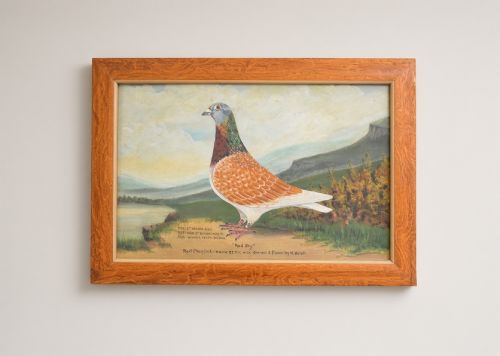
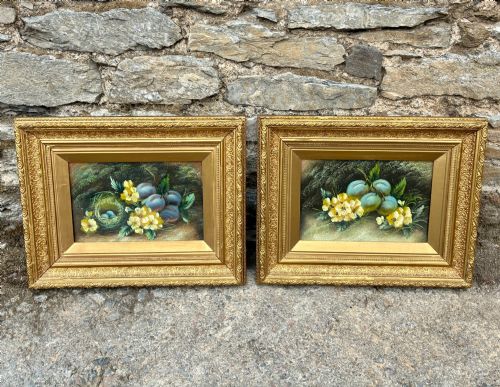
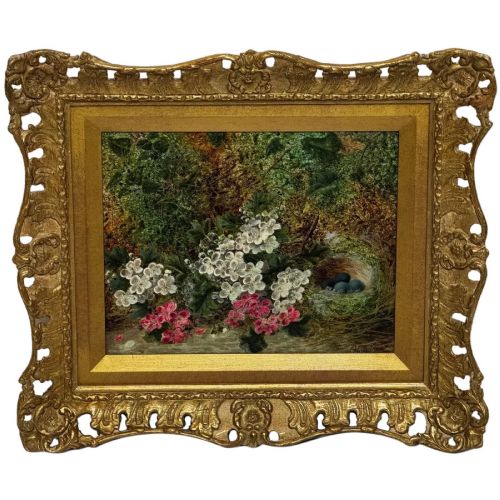
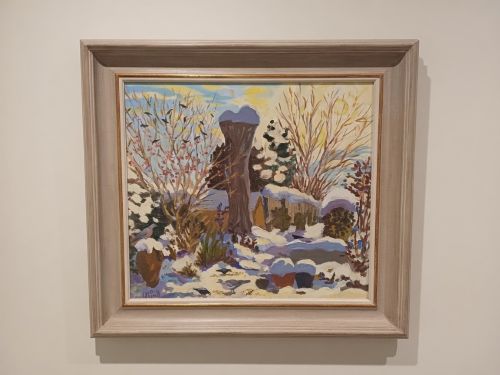
When you search for an original bird oil painting, you encounter works spanning from the nineteenth century through the interwar years and mid-century modern period. These pieces capture avian life through varied lenses, ranging from naturalistic studies and sporting art to folk depictions and impressionist treatments.
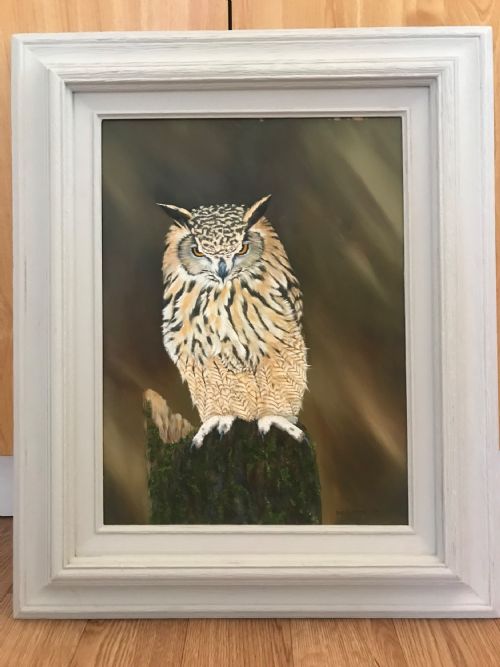
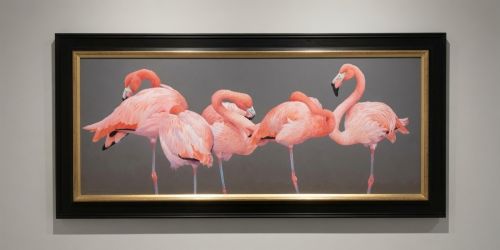
The most common formats you meet here are oil on canvas or board, often housed within wood or gilt leaf frames. Subjects stretch from racing pigeons and tawny owls to flamingos and geese in flight, reflecting both intimate nest scenes and broad marshland habitats.
How they were made
These works rely primarily on oil paint applied to prepared surfaces such as canvas or wood panel. Artists built up textures through layered brushwork, capturing the sheen of feathers and the natural movement of wildlife.
Many of these paintings are preserved in their original wood frames, sometimes accented with gold leaf or gilt leaf detailing to complement the rich tones of the oil medium.
Original Bird Oil Painting Retail Price Guide 2026
Typical asking prices for original bird oil painting among the pieces listed under this phrase on Sellingantiques today, from the lower quarter to the upper quarter. They describe what is for sale here now, not the wider market.
Frame materials in the collection include traditional wood, canvas surrounds, and gold leaf or gilt leaf finishes.
What varies in quality
Quality in these works rests on the artist's handling of light, anatomy, and the tactile qualities of plumage. Superior pieces demonstrate a confident command of brushwork that brings the subject to life without relying on rigid stiffness.
The preservation of the paint surface and the integrity of the original wood or gilt frame also influence the overall character of the piece, distinguishing finely executed studies from simpler decorative works.
George F. Bird·Oliver Clare·Lucy Pratt·David Orr Kerr·Henri Joseph Pauwels
The Original Bird Oil Painting Glossary
- Oil on canvas
- Pigment mixed with drying oil applied to a stretched woven fabric support. This combination allows for rich blending and textured impasto work.
- Oil on board
- Pigment applied to a rigid wooden or composite flat surface rather than flexible fabric. It provides a stable support often utilised for smaller or more direct studies.
- Chiaroscuro
- Strong contrast between light and dark areas within a composition. This technique adds dramatic depth and focuses attention on the central subject.
- Gilt leaf
- A very thin sheet of gold-coloured metal applied to frame mouldings. It provides a bright, reflective border that enhances the framed artwork.
Original Bird Oil Painting: Frequently Asked Questions
How do I care for an oil painting?
Keep the artwork away from direct sunlight and dramatic shifts in temperature to protect both the canvas and the paint layers. Avoid using wet cloths for cleaning, gently dusting the surface with a soft brush instead.
Ensure the hanging environment remains stable to prevent wood frames and panels from warping over time. Professional framing support helps maintain structural integrity for older pieces.
Are these paintings ready to hang?
Most pieces arrive with their historical wood or gilt frames intact, fitted with appropriate hanging hardware on the reverse. You can place them directly onto the wall upon arrival.
Check the back of the frame to ensure the cord or wire remains secure before mounting. Heavier canvas and board works benefit from sturdy wall fixings.
How can I tell the period of a painting?
Dating relies on stylistic markers, the type of canvas or panel support, and the construction methods of the accompanying frame. Victorian pieces often feature darker palettes and ornate gilt surrounds, while mid-century works show looser, more expressive brushwork.
Examining the stretcher bars, nails, and backing materials offers further clues about the age of the piece. Signatures and recorded artist dates also help place the work within a specific era.
What is the difference between canvas and board?
Canvas is a flexible woven fabric stretched over a wooden frame, offering slight give and a textured surface for brushstrokes. Board provides a completely rigid support made from wood or pressed material, favoured for direct outdoor studies and smaller compositions.
Both materials were widely utilised across the nineteenth and twentieth centuries. The choice depends largely on the artist's preference for portability and surface resistance.