

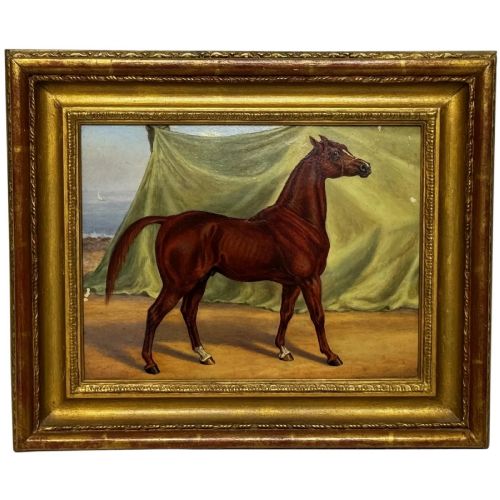
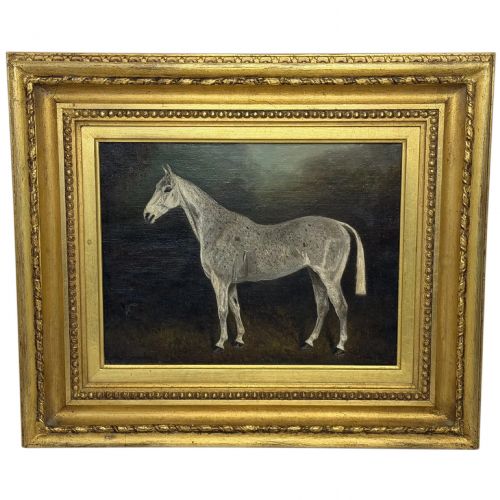
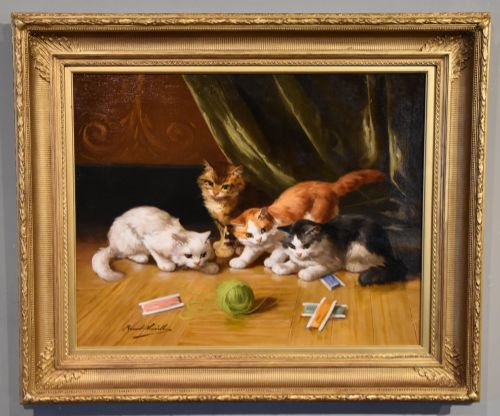
Vintage Animal Wall Art
These vintage animal wall art pieces bring centuries of domestic pets, livestock, and wildlife into your rooms through oil, etching, and print.
Vintage Animal Wall Art
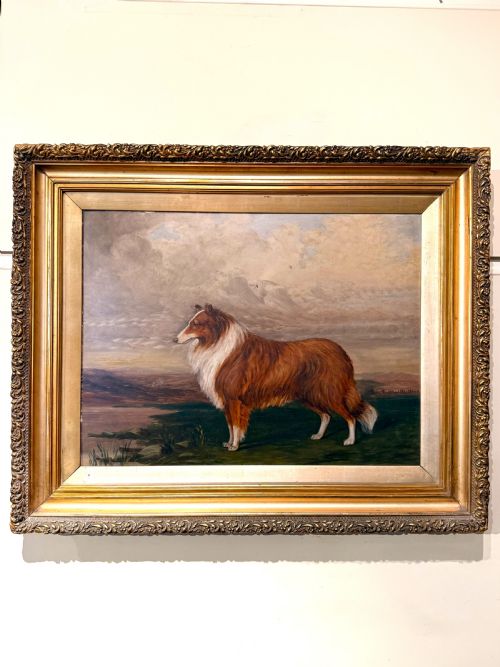
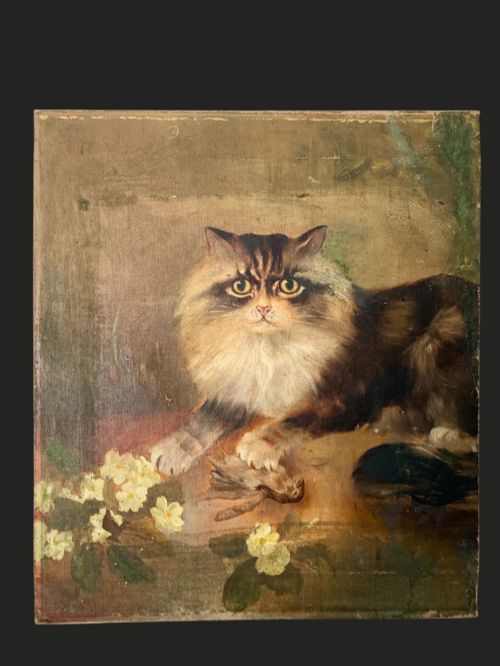
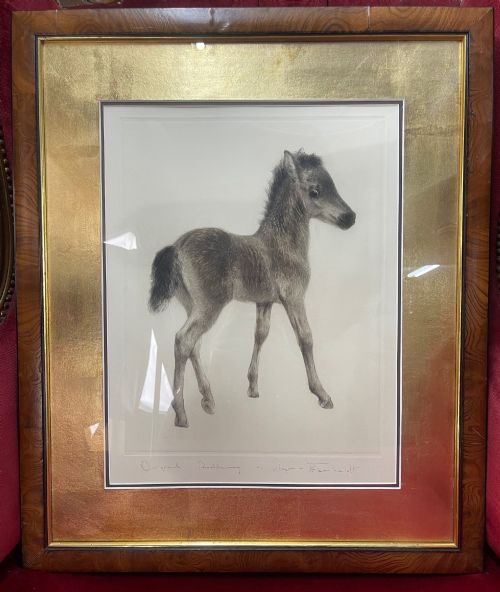
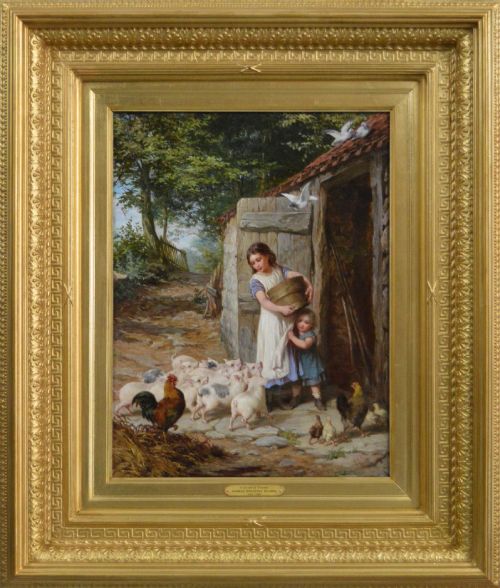
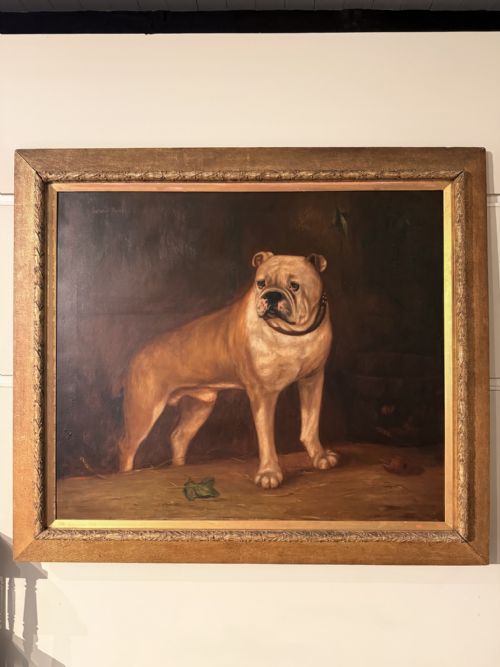
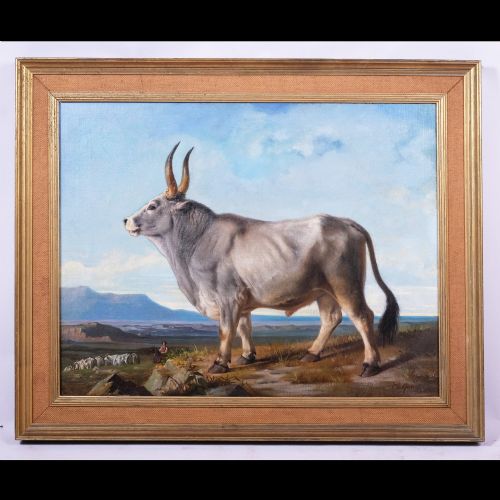
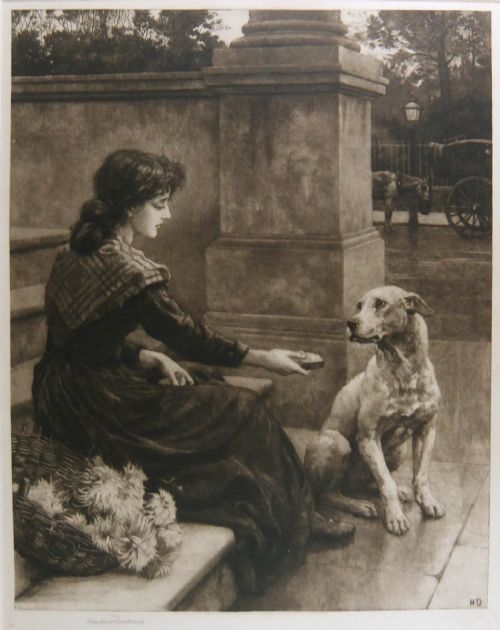
When you search for vintage animal wall art, you encounter a diverse selection of framed works depicting dogs, cats, horses, farm animals, and exotic creatures. The selection ranges from nineteenth-century oil paintings on canvas and board to early twentieth-century etchings and chromolithographs.
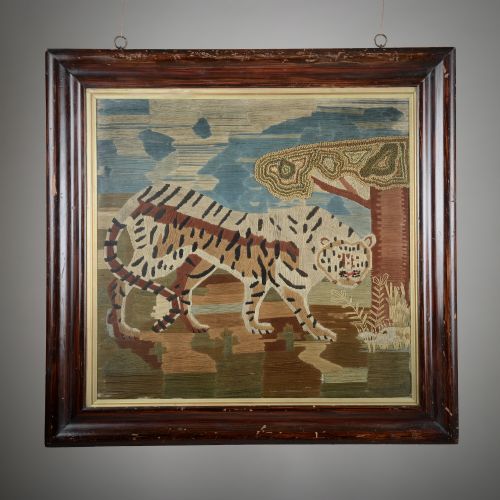
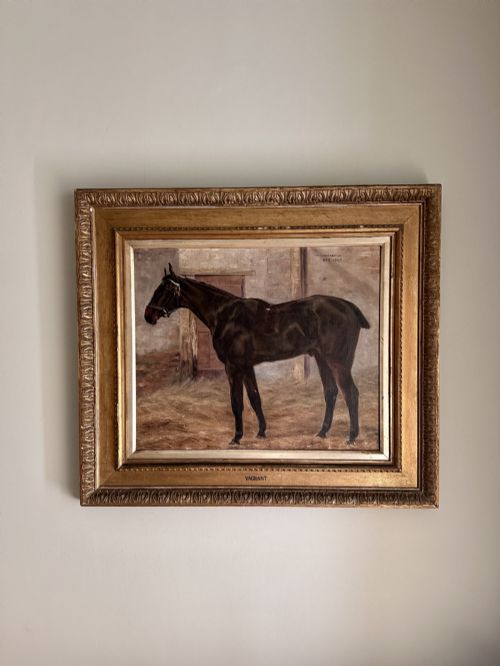
You are most likely to meet nineteenth-century equestrian portraits, domestic cat and dog studies, and framed prints. These span various aesthetic approaches, from naive folk art interpretations to detailed Victorian sporting art and early twentieth-century animalier printmaking.
Materials and techniques
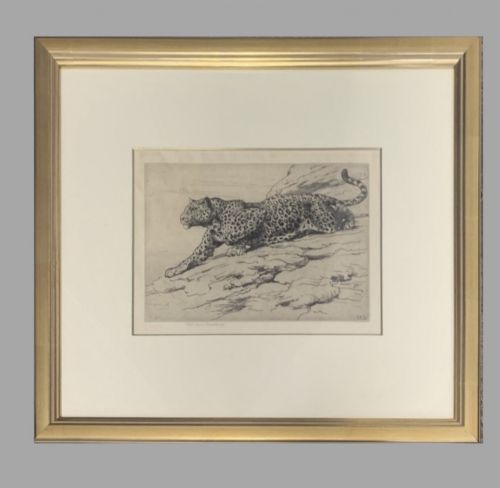
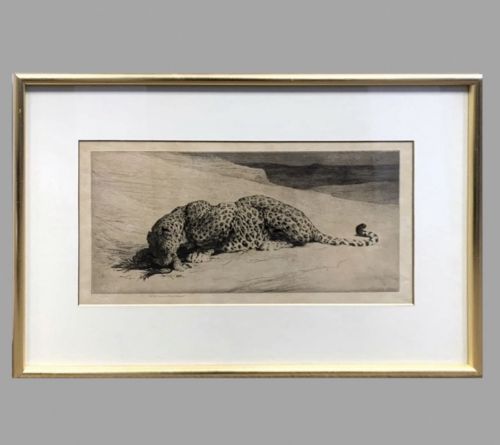
Artists utilised oil paint on canvas, wood panels, and board to build rich textures and deep tones for animal portraits. Printmakers employed etching, drypoint, and chromolithography on paper to produce detailed, limited-edition animal imagery.
Framed works frequently feature protective glass and occasionally include decorative elements such as gilt wood frames or brass chargers. Pastel and watercolour under glass also appear among the lighter graphic mediums.
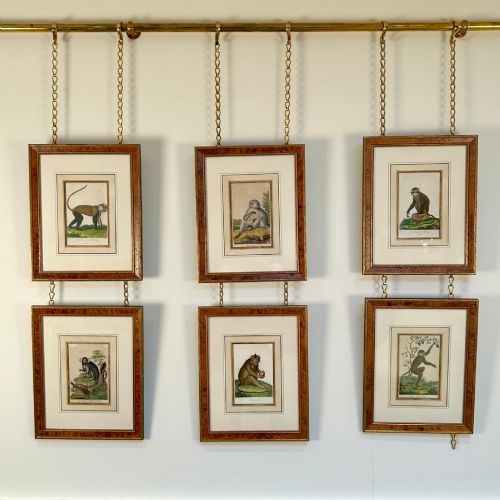
Monkeys appear unexpectedly alongside traditional British dogs and horses in nineteenth-century art.
Judging quality in animal representations
Quality rests upon the artist's anatomical precision, the expressiveness captured in the animal's eyes and posture, and the handling of light across fur, feathers, or hide. Finer works display confident brushwork or sharp, clean plate marks in print mediums.
The integrity of the original framing, the preservation of the paper or canvas surface, and the presence of artist signatures or documented provenances elevate specific examples above standard decorative pieces.
Kurt Meyer-Eberhardt·George Augustus Holmes·Herbert Dicksee·Fred Fitzpatrick·Edgar Hunt·Alfred Arthur Brunel de Neuville·Horatio Henry Couldrey·John Frederick Herring Jnr·Sir Edwin Landseer
The Vintage Animal Wall Art Glossary
- Drypoint
- A printmaking technique where the artist scratches an image directly onto a metal plate with a sharp needle, producing soft, velvety lines. This method creates distinctive burrs that hold ink during printing.
- Chromolithography
- A planographic colour printing process used to produce multi-coloured pictorial images from stone or metal plates. Each colour requires a separate stone or plate alignment.
- Naive art
- Artwork produced by individuals without formal academic training, often characterised by a flat perspective and straightforward charm. This style appears frequently in nineteenth-century folk animal portraits.
- Etching
- A process where lines are bitten into a metal plate with acid before ink is applied for printing. It allows for fine, intricate detail in graphic animal studies.
Vintage Animal Wall Art: Frequently Asked Questions
What periods do these pieces span?
The items originate primarily from the nineteenth and twentieth centuries, encompassing Victorian, Edwardian, and mid-century aesthetics.
Dating relies upon stylistic markers, artist signatures, framing materials, and surface preparation such as canvas weave or panel type.
How were these artworks displayed historically?
Owners typically hung framed oils and prints in country houses, studies, and drawing rooms to showcase prize livestock, beloved pets, or sporting interests.
Larger canvases commanded central wall space above mantelpieces, while smaller etchings and engravings formed part of curated gallery walls.
How do I identify a print from an original painting?
Original paintings exhibit brush texture, layered paint build-up, and canvas or wood panel supports.
Prints display dot patterns, flat surfaces under magnification, or plate marks around the printed image margins.
Are these works signed by the artists?
Many of the finer etchings and oil paintings feature artist signatures, monograms, or pencil inscriptions by the creator.
Unsigned pieces often attribute to specific schools or periods based on technique, subject matter, and pigment composition.