




Grey Pencil Artwork
Grey pencil artwork brings quiet monochrome depth to walls, offering subtle portraiture, townscapes and studies executed across several centuries.
Grey Pencil Artwork
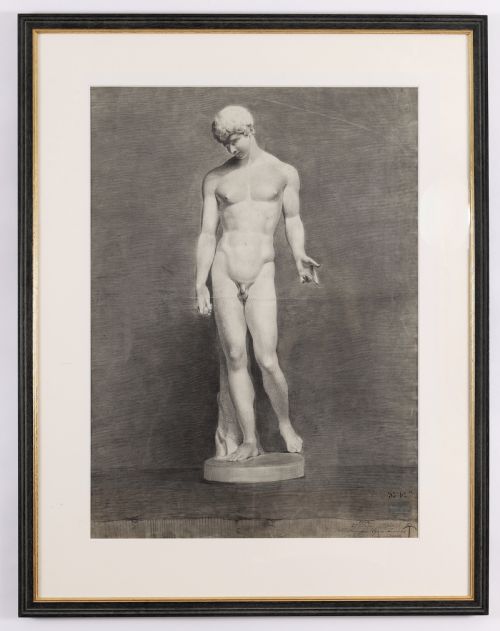
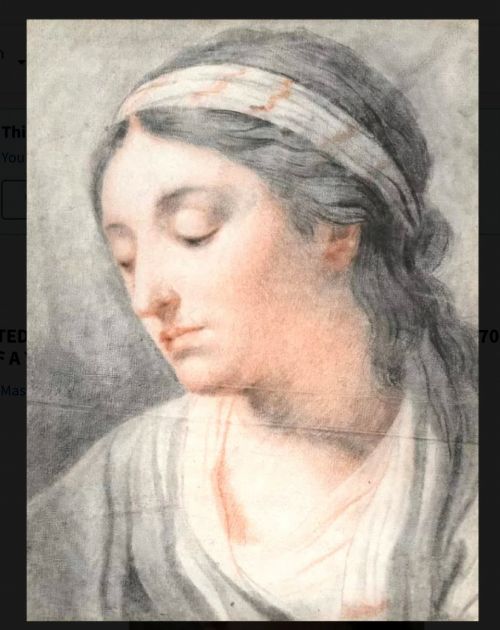
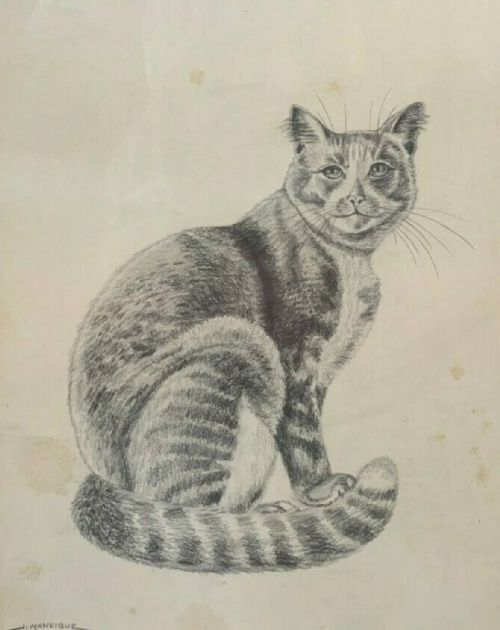
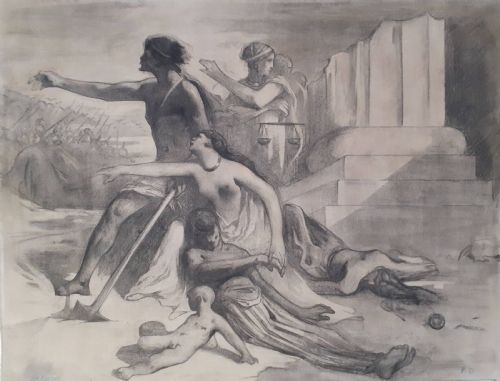
When collectors search for grey pencil artwork, they encounter original graphite and charcoal drawings on paper spanning the eighteenth, nineteenth and twentieth centuries. These pieces range from rapid preparatory sketches and portrait studies to finished townscapes and allegorical scenes framed under glass.
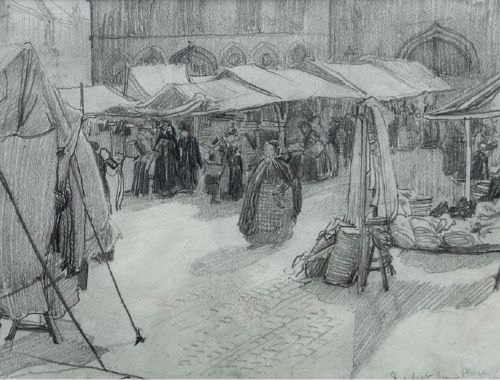
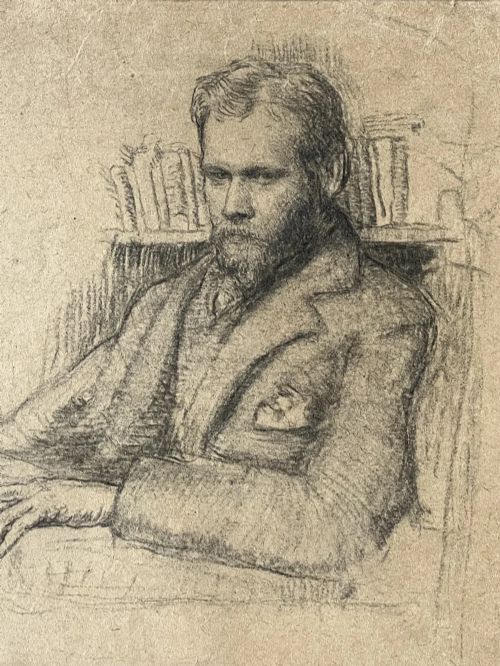
The selections available here showcase diverse subjects, including intimate portrayals of figures like Edward Nettleship and Audrey Coals alongside architectural views of Bruges and Lincoln. Portrait drawings and still life studies dominate the selection, often accompanied by subtle touches of watercolour or chalk.
Originating across Britain, France and Spain, these works reflect movements from Neoclassical and Victorian traditions to Art Deco and Modern British Art. Buyers find both modest framed drawings and large academic compositions executed with meticulous precision.
How they were made
Artists create grey pencil artwork primarily using graphite, charcoal and chalk applied directly to paper supports. These dry media allow for nuanced gradation of tone, from sharp linear definition in shipping rigging or architectural details to soft, blended shadows in portrait studies.
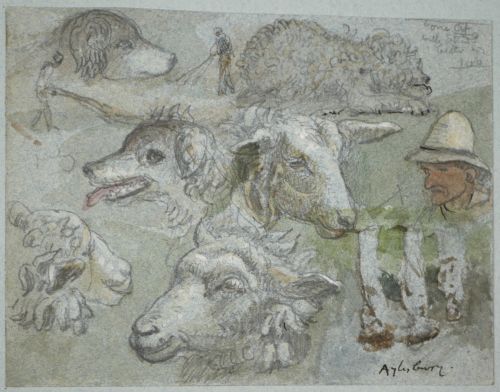
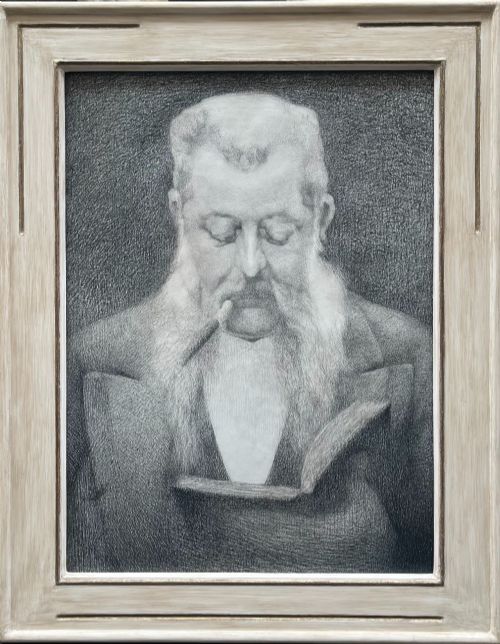
Many drawings incorporate secondary media such as watercolour or wash to introduce subtle tonal contrast against the grey pencil lines. Finished pieces are typically secured in wood frames behind glass to protect the delicate paper surface from atmospheric moisture and handling.
A cheeky dog observes kitchen activities in mid-nineteenth century graphite, watching over potential culinary temptations.
What varies in quality
Quality in grey pencil artwork rests upon the sureness of the hand and the sensitivity of tonal modulation across the paper. Superior pieces reveal confident draftsmanship where economical strokes capture character, volume and light without unnecessary correction.
The condition of the paper support and the clarity of the graphite also distinguish finer examples. Works that retain their original crisp contrast and structural integrity without excessive fading or foxing represent the strongest expressions of the medium.
Henry Percy Huggill·James Smetham·Augustus John·Alexandre Decamps·Dame Laura Knight·Fred Lawson·Leo Klin
The Grey Pencil Artwork Glossary
- Graphite
- A crystalline form of carbon used as the primary marking core in pencils. It produces lustrous grey and silver tones ranging from hard, pale lines to soft, deep blacks.
- Grisaille
- A painting or drawing executed entirely in shades of grey, neutral grey or monochromatic pigments. This technique often serves to imitate sculpture or create a unified tonal study.
- Charcoal
- A lightweight carbonaceous material made by slowly burning wood, utilised for deep dark lines and velvety shadows. It offers a softer, more expressive mark than standard graphite.
- Chalk
- A soft, earthy mineral preparation employed for highlighting and sketching on tinted or textured paper. It frequently appears alongside graphite in nineteenth-century portraiture to add luminous opaque accents.
- Symbolist
- A late nineteenth-century artistic movement that favoured spiritual, metaphorical and dreamlike imagery over literal representation. Works in this vein focus on inner emotional states and allegorical themes.
Grey Pencil Artwork: Frequently Asked Questions
How should I hang grey pencil artwork?
Protect these works by keeping them away from direct sunlight, which can fade graphite and discolour old paper supports over time. Hang them on interior walls where room temperature and humidity remain stable.
Ensure each piece is framed securely behind glass with acid-free backing to prevent environmental damage. Proper spacing from heating sources preserves the integrity of both the paper and the wooden frame.
What subjects appear in these drawings?
The selections encompass a wide variety of subjects, including intimate portrait studies, architectural townscapes and allegorical narrative scenes. Artists frequently documented everyday life, bustling markets and quiet domestic moments.
Other works explore theatrical themes, still life arrangements and maritime rigging studies. This diversity allows collectors to curate displays ranging from academic figure studies to evocative Parisian street views.
How do I identify the period of a drawing?
Dating often relies on artist signatures, framing styles, inscriptions and stylistic hallmarks associated with movements like the Victorian era or Art Deco. Examination of the paper type and any dated watermarks provides further historical context.
Comparative analysis with documented works by the same hand helps narrow the decade of creation. Gallery labels on the reverse also offer valuable provenance clues regarding exhibition history.
Are these drawings original or reproductions?
Every piece listed is an original hand-drawn work of art rather than a modern mechanical print or reproduction. Close inspection under magnification reveals individual graphite strokes, paper texture and pressure indentations unique to manual creation.
Artists drew directly onto the paper sheets during the nineteenth and twentieth centuries, capturing spontaneous gestures and corrections not possible in mass-produced imagery. Each drawing remains a singular historical artefact.