


Antique Graphite Study
An antique graphite study captures the immediate hand of the artist through precise pencil work on paper, offering an intimate window into past draftsmanship.
Antique Graphite Study
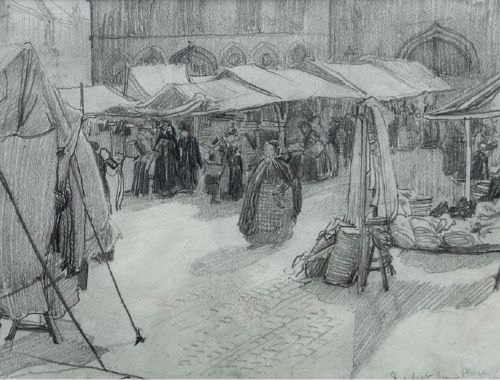
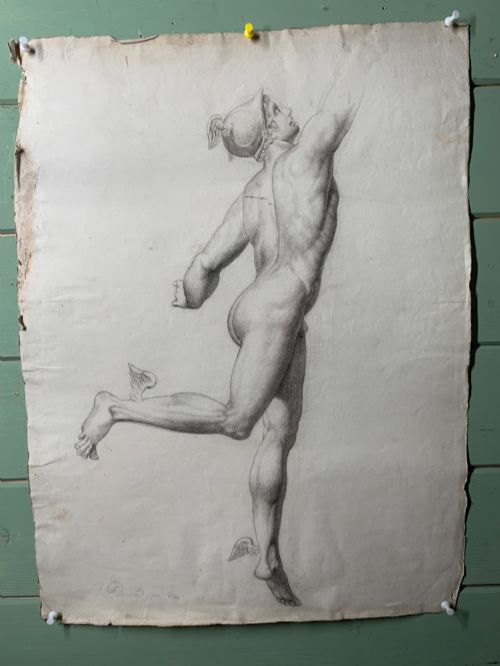
When you search for an antique graphite study, you encounter works executed primarily in pencil on paper, ranging from rapid compositional sketches to highly finished academic life drawings. These pieces capture direct observations, architectural records, and figural compositions from various historical periods.
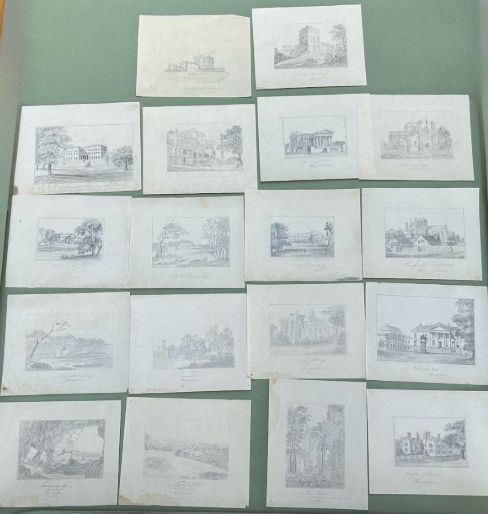
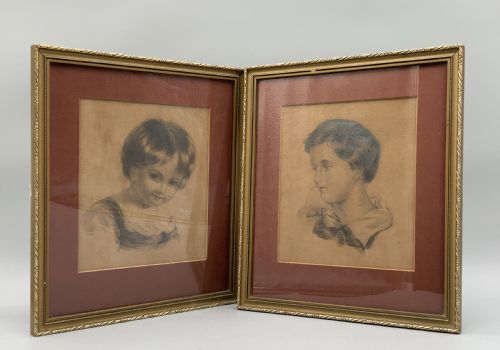
The selections available here span from eighteenth-century sheets to early twentieth-century works, encompassing Georgian figural pieces, Victorian portraits, and French academic drawings. You will find both single framed artworks and collections of sketches originating from British and continental European hands.
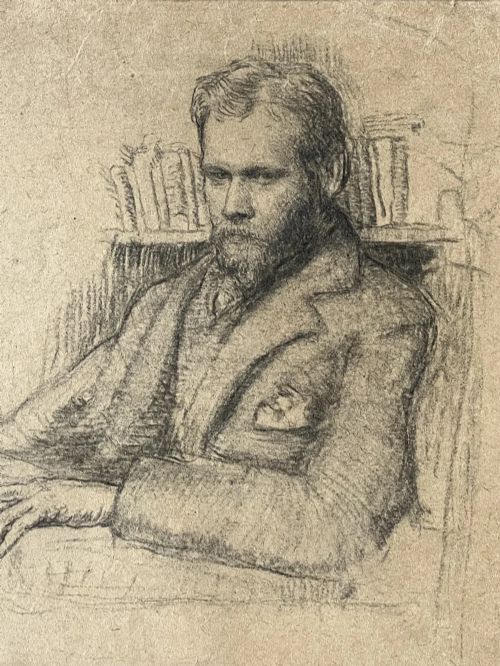
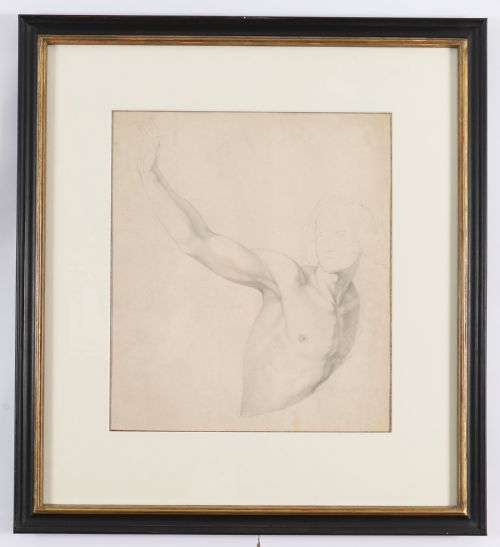
Common subjects include architectural studies, landscapes, portraits of identified sitters, and academic renderings of the human form. Many of these drawings served as preparatory works or independent artistic expressions before finding their way into modern collections.
Materials and technique
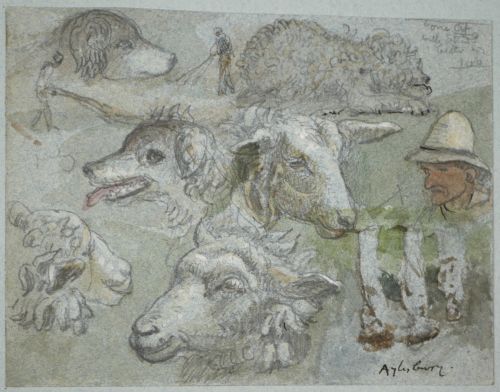
These works rely on graphite and pencil applied to various paper supports, occasionally supplemented with chalk, watercolour, or gold leaf to enhance tone and detail. Artists utilised toned paper and white heightening to create depth and contrast within grisaille compositions.
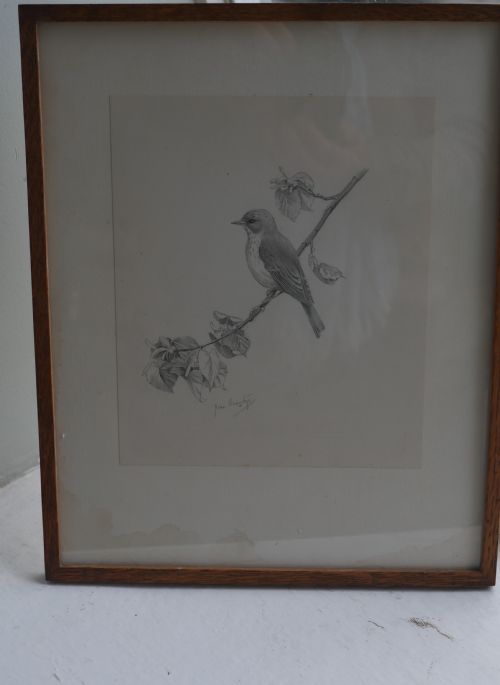
Framed presentation typically involves glass and wood surrounds that protect the delicate paper surfaces from environmental degradation. The underlying technique relies on the subtle gradations of lead and pressure to establish form, shadow, and light without relying on heavy pigment.
The listings feature works executed on paper, toned paper, and glass-fronted frames utilising graphite, pencil, watercolour, and gold leaf.
Assessing quality in draftsmanship
Quality in these works rests upon the surety of the line and the anatomical or structural accuracy demonstrated by the artist. Confident, economical strokes distinguish masterly academic studies from stiffer, less accomplished amateur exercises.
The condition of the paper surface and the preservation of the delicate graphite marks significantly influence the standing of a piece. Well-preserved sheets retain their original tonal contrast and paper integrity without excessive foxing or destabilising fading.
Henry Percy Huggill·James Smetham·Augustus John·Sir Francis Leggatt Chantrey
The Antique Graphite Study Glossary
- Graphite study
- A drawing executed in pencil or graphite, typically serving as a preliminary exploration of a subject, figure, or composition. These works prioritise direct observation and line work over finished colour.
- Academic realism
- A style of painting and drawing produced under the influence of European academies of art, emphasising rigorous adherence to classical standards, anatomy, and precise observational skill. Such works often feature life studies of models or classical casts.
- Grisaille
- A painting or drawing executed entirely in shades of grey or neutral greyish-brown, often designed to imitate sculpture or provide a monochromatic study in tone. This technique highlights the artist's command of light and shadow.
- Toned paper
- Paper that possesses a natural colour other than white or off-white, such as grey, blue, or tan, which allows the artist to build up highlights with white chalk and shadows with dark graphite. This base tone shortens the time needed to establish mid-tones in a drawing.
Antique Graphite Study: Frequently Asked Questions
How should I frame and display a paper drawing?
Display these works away from direct sunlight to prevent the paper from yellowing and the graphite from fading over time. Utilise conservation-grade framing materials with UV-filtering glass to protect the delicate medium.
Ensure the drawing is mounted with acid-free board and does not touch the glass directly, allowing the paper to breathe safely within the frame.
What is the difference between a sketch and a study?
A sketch is typically a rapid, informal drawing intended to capture a fleeting idea, composition, or general outline. It prioritises spontaneity and movement over precise anatomical or structural accuracy.
A study is a more deliberate, detailed examination of a specific element, such as a hand, a draped garment, or a full figure. These works were often created to solve artistic problems before executing a larger painted commission.
How do I identify academic drawings?
Academic drawings generally feature careful observation of the human figure, often rendered from life models or classical sculptures in structured poses. They demonstrate meticulous attention to light, musculature, and proportion.
Such pieces frequently originate from art school training sessions or formal instructional exercises common throughout the nineteenth and early twentieth centuries.
Can I find signed works from this period?
Many sheets include signature inscriptions, artist stamps, or contemporary annotations documenting the date and location of the drawing. These markings provide valuable context regarding the provenance and creation circumstances of the piece.
Unsigned drawings remain common, particularly among preparatory sketches and school exercises, where the focus rested entirely on the draftsmanship itself.